In Hindu philosophy, karma is the law of cause and effect that links action (kri), intention, and consequence across the span of a life and, in many traditions, across lives. Rooted in the Sanskrit verb “kri,” meaning “to do” or “to act,” karma is not merely external behavior; it includes the inner motives that give each deed its moral and spiritual weight. This holistic view explains why everyday choicesspoken words, quiet thoughts, and visible deedscollectively shape character, destiny, and the pursuit of dharma and moksha.
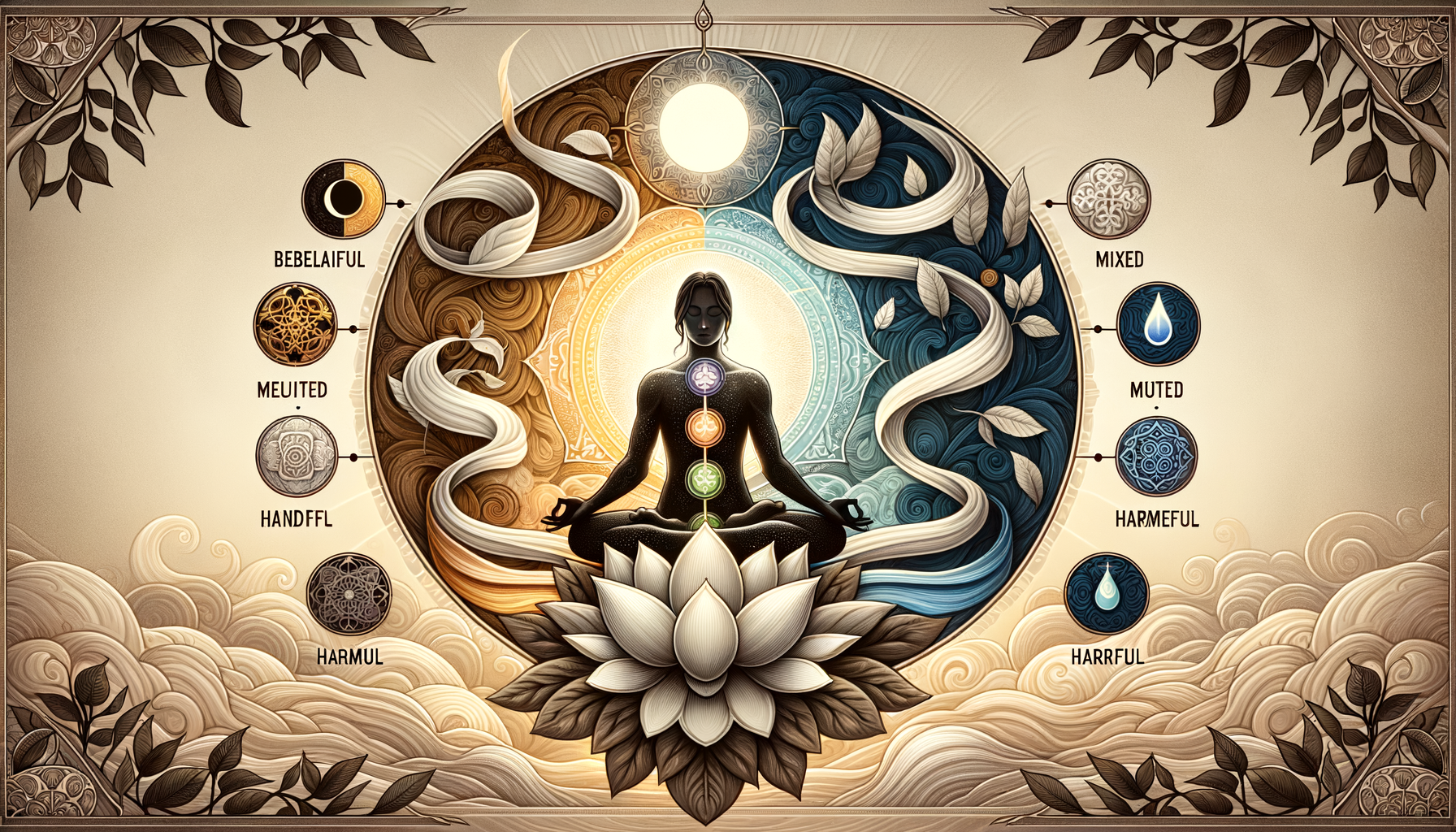
Classical sources describe karma by its inherent nature as good, mixed, or darkoften framed as śukla (white/beneficial), śukla–kṛṣṇa (mixed), and kṛṣṇa (dark/harmful). The Yoga Sūtra (4.7) succinctly notes that while actions of ordinary persons can be white, black, or mixed, the actions of the accomplished yogin are aśukla–akṛṣṇabeyond dualistic coloring. This typology illuminates how wholesome intentions aligned with dharma foster puṇya (merit), conflicted intentions yield mixed results, and harmful intentions driven by adharma culminate in pāpa (demerit).
Intentionality sits at the heart of this framework. A helpful act done with compassion and clarity tends toward śukla karma; the same act, if driven by vanity or resentment, becomes śukla–kṛṣṇa. Actions rooted in harm or deliberate neglect manifest as kṛṣṇa karma. Many find these distinctions immediately relatable in daily life: speaking truth with kindness, contributing time to community service without seeking praise, or pausing before reacting in anger are simple moments where ethical awareness reshapes outcomes.
From a practical standpoint, cultivating śukla karma involves aligning choices with dharmaahimsa (non-harm), satya (truthfulness), and seva (selfless service). Karma Yoga, as emphasized in the Bhagavad Gita, recommends disciplined action free from attachment to results (niṣkāma karma), supported by mindfulness and viveka (discernment). Over time, this steady refinement reduces mixed motives, curbs harmful impulses, and strengthens inner clarity, allowing ethical living to feel natural rather than forced.
Hindu philosophy also points beyond the cycle of karmic coloring. When action is performed as an offering, without ego-centered craving or aversion, it approaches akarmaaction that does not bind. Such maturity integrates jñāna (right knowledge), bhakti (devotional orientation), and dhyāna (meditative steadiness), orienting life toward moksha. The shift is experiential: less reactivity, deeper tranquility, and a stable capacity to respond wisely even under pressure.
This qualitative understanding of karma resonates across dharmic traditions, nurturing unity rather than division. In Buddhism, intention (cetanā) is central to karmic fruition, with mindfulness refining ethical conduct. Jainism details the subtilties of karmic accretions and the role of restraint and compassion in shedding them. Sikh teachings emphasize seva (selfless service), simran (remembrance), and living in harmony with hukam (divine order), while acknowledging that grace (nadar) transforms the karmic ledger. Taken together, these perspectives affirm a shared commitment to ethical clarity, inner purification, and compassionate living.
For those seeking practical integration, a simple daily discipline helps: pause to clarify intention before acting; choose speech that is truthful and non-injurious; serve where there is genuine need; and reflect each evening on moments of helpfulness, mixed motives, and avoidable harm. Over time, these reflections reveal patternswhere puṇya naturally grows, where mixed motives can be refined, and where unhelpful tendencies can be softened. Such steady attention makes the threefold classification of karma a living guide to ethical growth, interfaith harmony within dharmic paths, and the deepening of spiritual freedom.
Inspired by this post on Hindu Blog.