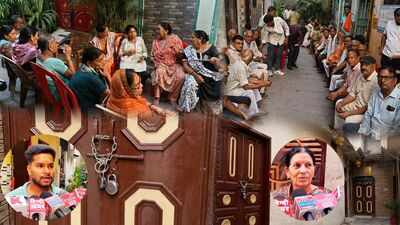
HH Mukunda Goswami (Maharaj) is currently stable and recovering following recent brain surgery. Early clinical indicators are encouraging, while the care team emphasizes that the postoperative window remains early. Continuous monitoring and supportive measures are in place as the focus transitions to gradual, structured rehabilitation.
Postoperative neurosurgical care typically centers on careful neurological assessments, hemodynamic stability, pain control, and prevention of complications such as infection or thromboembolism. Frequent evaluations of orientation, language, limb strength, and swallowing function help clinicians track trends over time. In this context, reports of encouraging signs often refer to clearer responsiveness, improved command following, steadier vital parameters, or more sustained wakefulness.
Rehabilitation generally begins in the acute phase and expands as strength and alertness improve. Multidisciplinary teamsphysiotherapy, occupational therapy, speech-language pathology, and neuropsychologyapply evidence-based protocols to stimulate neuroplasticity. Early mobilization, task-specific training, and carefully dosed cognitive exercises can support functional gains over weeks to months, with intensities adjusted to clinical readiness.
Beyond clinical protocols, recovery journeys in the Hindu community are deeply supported by dharmic values shared across Hinduism, Buddhism, Jainism, and Sikhism. Practices such as kirtan, japa, simran, metta bhavana, paritta recitation, and pratikraman reflect a common ethic of karuna and ahimsa. These traditions view compassionate presence and seva as vital forms of healing that complement medical care and foster emotional steadiness for families and well-wishers.
Many observers resonate with the familiar experience of counting small but meaningful milestonesa more focused gaze, a responsive hand squeeze, or the first attempts at speechwhile keeping vigil with disciplined hope. Constructive support commonly includes maintaining accurate information flow, respecting clinical boundaries and privacy, and offering practical assistance to caregivers. Quiet moments of prayer, mindful meditation, or collective satsang can nurture resilience while avoiding speculation or rumor.
Neurosurgical recovery timelines vary with individual pathology, procedure type, age, and baseline health. A typical arc involves days to weeks of stabilization, followed by progressive rehabilitation goals across motor skills, speech, and cognition. Families and communities often observe plateaus punctuated by stepwise improvements, a pattern consistent with neuroplastic adaptation as task-specific practice consolidates new pathways.
HH Mukunda Goswami’s lifelong service within ISKCON (International Society For Krishna Consciousness)including pioneering kirtan outreach, thoughtful communication, and guidance within the Bhakti Traditionhas inspired devotees and seekers worldwide. In moments like these, that legacy translates into a broad circle of care, united in disciplined hope and prayerful steadiness that honors both medical expertise and the spiritual strength of the community.
Across dharmic traditions, healing is understood as both clinical and spiritual: medicine restores the body, while compassion, remembrance of the Divine, and communal solidarity nourish the heart. With cautious optimism grounded in evidence-based care, the present trajectory invites continued patience, dignity, and unity in spiritual diversity.
Appropriate medical specifics remain with the clinical team; what remains universal is the call to sustain karuna-filled attention, truthful communication, and respectful silence when neededqualities that strengthen the fabric of the wider dharmic community during recovery.
Inspired by this post on Dandavats.