Surveying the history of Parāvartana or Ghar-Wapsi across centuries reveals a consistent cultural emphasis on homecoming as an ethical and civilizational act. Contemporary Indian literature extends this lineage, treating Ghar-Wapsi not as spectacle but as a thoughtful restoration of belonging, dignity, and responsibility within a plural society. The motif persists in the subconscious, yet it is equally visible in public speeches, literary writing, and constructive activism that foreground cultural continuity.
Across modern novels, short stories, and essays, Ghar-Wapsi is framed as a journey from alienation to reconnection. Protagonists often rediscover ancestral practices and shared values, resolving inner tensions between modernity and tradition through dialogue rather than dogma. The narrative arc tends to emphasize choice, agency, and compassion, positioning Parāvartana as an affirming return to ethical roots rather than a repudiation of diversity.
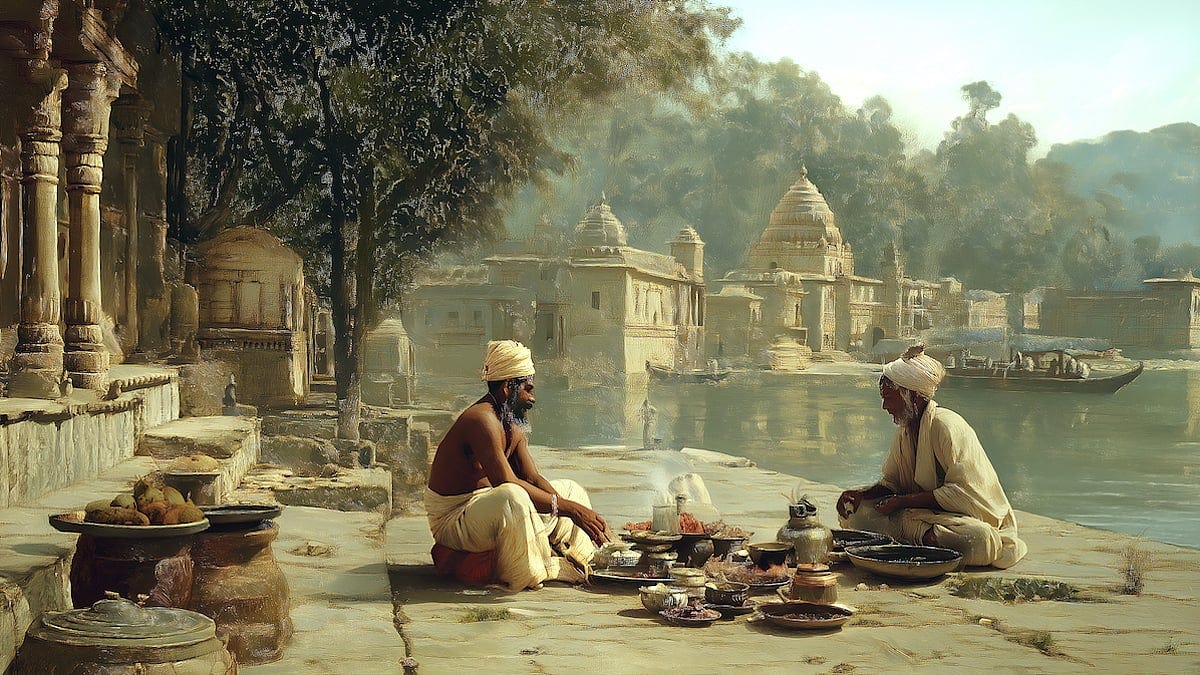
Regional poetry and lyrics in Hindi, Bengali, Tamil, Kannada, and other languages evoke images of rivers, hearths, and temples to symbolize the intimate dimensions of homecoming. In many works, the outer return mirrors an inner sādhanā, aligning personal transformation with social harmony. Subtle resonances appear across dharmic traditionsechoes of shloka, gurbani, anuvrata and pratikraman, or mettasignaling that the essence of return is spiritual renewal and service to community.
Non-fiction writing and public discourse frequently situate Ghar-Wapsi within a broader conversation on Cultural Heritage, Religious Pluralism, and constitutional freedoms. Essays underscore that cultural self-respect and reform can progress in tandem, and that civilizational memory encourages humility as much as pride. In this view, Parāvartana is not a rejection of the modern, but a re-centering of dharmic ethicsseva, satya, and mutual respectwithin contemporary life.
Diaspora narratives further enrich this theme. Characters and communities reconnect to lineages through language learning, temple and gurdwara restoration, heritage education, and service initiatives. These stories highlight tangible benefitsstronger family bonds, intergenerational dialogue, and community cohesionwhile normalizing a cosmopolitan identity anchored in dharmic values.
A comparative dharmic lens shows deep consonance: in Hindu Dharma, Buddhism, Jainism, and Sikhism, the act of returnwhether interpreted as svadharma, śaraṇa, anuvrata and pratikraman, or sevasignals ethical recommitment. Literature that explores Ghar-Wapsi through this inclusive lens strengthens unity among traditions, portraying spiritual homecoming as a shared civilizational aspiration rather than a sectarian claim.
Contemporary mediastage, cinema, memoir, and digital writingoften adopt a reflective structure: estrangement, search, reconciliation, and contribution to the common good. This pattern underscores that the culmination of return is not the individual’s triumph, but the community’s renewal. Works that succeed most artistically tend to center empathy, interfaith respect, and the everyday rituals that bind society.
Ethical safeguards are a recurrent point: serious literary treatments reject coercion and celebrate freedom of conscience. Ghar-Wapsi in these accounts is voluntary, dialogic, and restorativeconsistent with India’s ethos of Unity in Diversity. By prioritizing informed choice and compassionate engagement, such texts advance social trust and reduce polarization.
In sum, Parāvartana functions in modern Indian literature as a living symbol of continuityan invitation to remember, reform, and rejoin the shared work of society. By framing homecoming as a plural, Dharmic pathway, these writings offer a practical vocabulary for unity across Hinduism, Buddhism, Jainism, and Sikhism, and a culturally grounded roadmap for public harmony.
Inspired by this post on Dharma Dispatch.