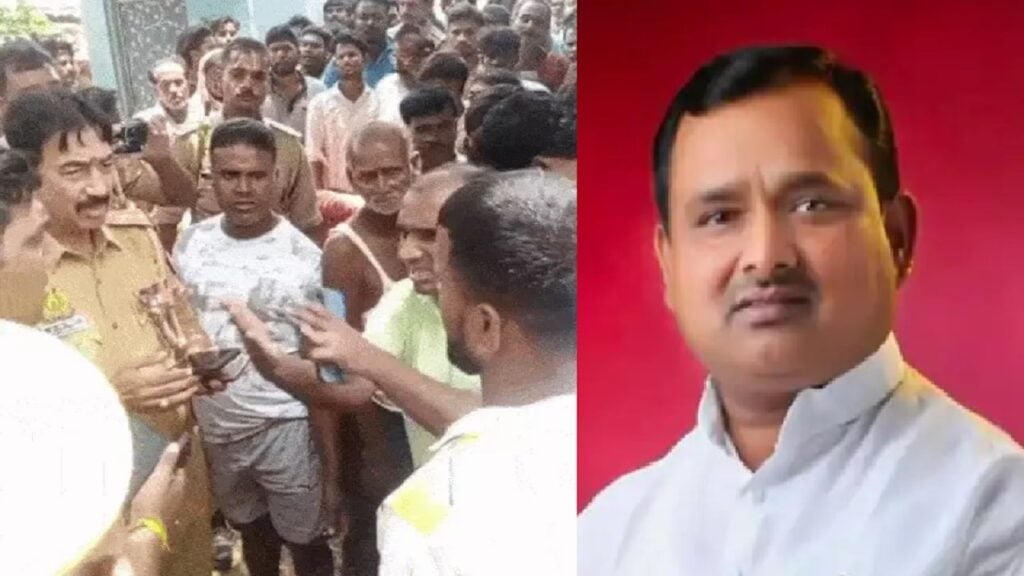
At a programme in Ajmer (Rajasthan), Hindu Janajagruti Samiti (HJS) National Guide Sadguru Charudatta Pingale articulated an urgent, research-oriented appeal: Hindus should move beyond false and misleading narratives and re-engage with verifiable history and the ethical grammar of Dharma. The emphasis was not on slogans but on method, memory, and moral purposegrounded in the understanding that cultural confidence grows from evidence and exemplary conduct.
Presented in the language of civic responsibility, the message underscores that correcting historical distortions is a shared cultural task across Dharmic traditionsHinduism, Buddhism, Jainism, and Sikhism. By anchoring public discourse to facts and first principles, communities can strengthen unity in diversity while honoring the distinctiveness of each path.
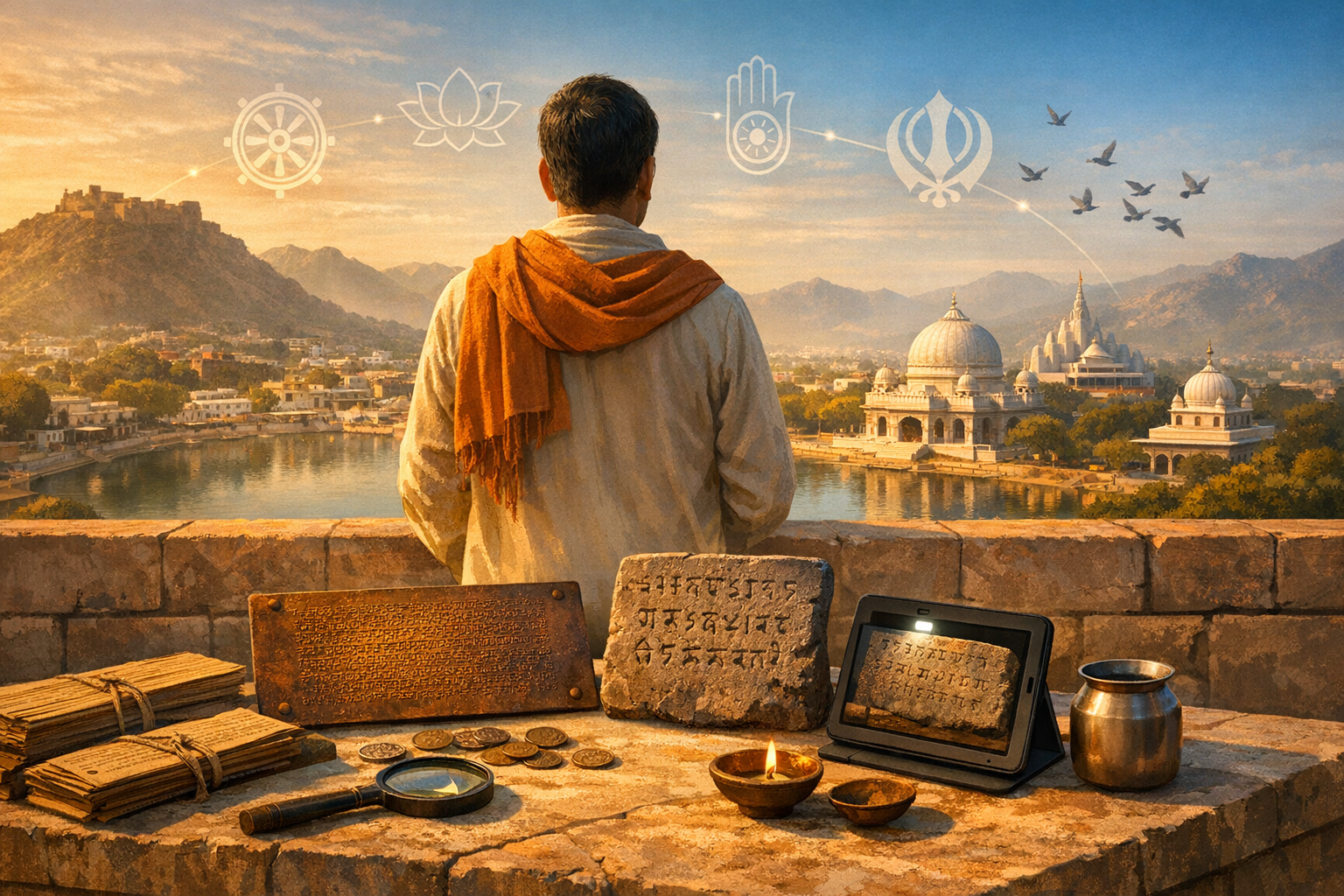
Ajmer offers an apt backdrop. Long associated with the Chauhans, proximate to Pushkar’s Brahma temple, home to Nareli’s Jain architecture, and the Ajmer Sharif dargah, the city concentrates multiple layers of India’s civilisational continuity and intercultural exchange. That plurality challenges any single, narrow explanatory frame and invites a more capacious historiography.
Substantively, the appeal can be organised around three interlinked priorities: historical literacy rooted in primary evidence; ethical renewal through Dharma’s enduring ideals (satya, ahimsa, daya, dana, seva); and social cohesion, so that cultural confidence translates into public-spirited conduct and intercommunal trust.
Historical literacy begins with method. Responsible historiography asks how claims are made and corroborated: inscriptions, coins, copperplates, temple endowment records, court chronicles, travelogues, archaeology, and manuscript traditions. When triangulated, these sources constrain speculation and expose the mechanics of distortionanachronism, cherry-picking, and presentist moralism.
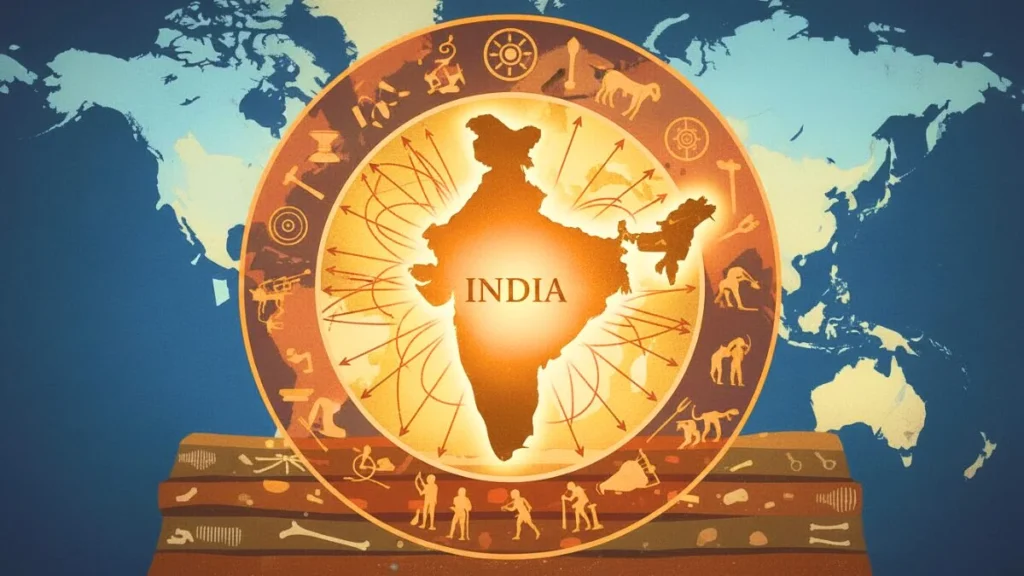
Chronology building is foundational. Cross-dating paleographic forms (from early Brahmi to Nagari and Grantha), regnal-year formulas in donative records, numismatic hoards, and archaeological stratigraphy produces time-frames independent of ideological preference. This temporal scaffolding narrows the scope for motivated interpretation and helps align regional histories with wider civilisational timelines.
Regional balancing is equally important. The Deccan, eastern India, the Himalayas, and the far South each preserve multilingual archivesSanskrit, Pali, Prakrit, Tamil, Kannada, Telugu, Bangla, and otherswhose comparison prevents any single court chronicle or colonial-era account from standing in for the whole. Multilingual source-work is thus a methodological guardrail against reductionism.
Decolonizing the study of India does not mean rejecting critical tools; it means applying them evenly. Scholarly lineages from R. C. Majumdar to Jadunath Sarkar modeled archival rigor; contemporary digital humanities now extend that rigor through open catalogues, high-resolution imaging, and transparent metadataraising the bar for verifiability and reproducibility.
Temple inscriptions across the Chola, Hoysala, and Vijayanagara periods, for instance, attest to institutions that were simultaneously sacred, educational, economic, and judicial. Far from being ‘otherworldly’ alone, these complexes financed irrigation, recorded guild transactions, and codified social obligationsevidence that Dharma historically integrated spirituality with public administration.
Monastic networks created additional bridges. Buddhist viharas and Jain sthaviras exchanged ideas with Hindu mathas and hosted itinerant scholars, while ports along the Indian Ocean facilitated the movement of texts, ritual objects, and techniques. Such exchanges illustrate intellectual hospitality as a civilisational default rather than an exception.
Sikh ethics further broaden this Dharmic continuum. The synthesis of miri-piri, the practice of langar, and the aspiration of sarbat da bhala embed seva, justice, and dignity into communal liferesonating with the Kshatra ideal of morally bounded strength and the pan-Dharmic insistence on moral accountability in power.
Seen together, these strands articulate a shared grammar: Dharma as normative order; ahimsa and karuna restraining violence; aparigraha moderating consumption; satya orienting discourse toward truth; and seva translating inner transformation into social service. Any pedagogy that neglects this architecture risks obscuring the sources of India’s ethical resilience and the Hindu way of life in dialogue with allied traditions.
Correcting false narratives therefore involves both content and capacity. Content requires expanding syllabi to include inscriptions, regional literatures, and commentarial traditions across Sanskrit, Pali, Prakrit, Tamil, and other bhashas; capacity requires training students to read evidence critically, identify bias, and practice comparative analysis across regions and periods.
Canonical study across Bhagavad Gita and Upanishads, selections from the Dhammapada, Jain shastras, and the Guru Granth Sahibtaught with contextual commentary rather than syncretic flatteningreveals convergences and principled differences alike. That clarity fosters mutual respect while deepening each tradition’s self-understanding.
Community memory complements the archive. Panchayat and temple records, matha libraries, gurudwara handwritten ledgers, and Jain bhandaras preserve micro-histories of land grants, endowments, festivals, and legal arbitration. Structured documentation of these repositoriesattentive to provenance and contextcan surface fine-grained social history and illuminate lived Dharma.
Digital preservation is a force multiplier. Portable studios, OCR tuned to Indic scripts, IIIF-compatible viewers, and linked-open-data vocabularies allow communities to publish collections with scholarly-grade metadata. When combined with crowdsourced transcription and peer review, narrative accuracy improves, participation widens, and access becomes equitable.
Media literacy is equally vital. Distinguishing report from opinion, verifying dates and names, conducting reverse-image searches for visuals, and attending to translation fidelity are simple practices that mitigate the spread of disinformation. Communities that prize satya must operationalize it in everyday information habits.
Programmes like the Ajmer gathering can catalyse this transformation. Participants often report a dual responserenewed pride in civilisational continuity and a humbling awareness of how much remains to be learned. That emotional balanceconfidence tempered by curiositycreates durable motivation for sustained inquiry.
Guardrails are essential. Cultural self-respect must not slide into chauvinism; rigorous empathy keeps the focus on truth-seeking rather than score-settling. The Dharmic standard is not triumphalism but alignment with dharma-yuddha principles: ethical means, proportionate ends, and openness to self-correction.
Measurable outcomes anchor intent. Indicators might include the number of local inscriptions digitized, curricular modules developed on regional histories, service projects aligned with seva and karuna, and documented instances of inter-Dharmic collaboration. Tangible progress sustains civic trust and deters the re-emergence of unfounded narratives.
In this frame, Dharma is not mere creed but a lived ethicSanatan Dharma’s inclusive wisdom in conversation with Buddhist karuna, Jain ahimsa, and Sikh seva. Such alignment dignifies difference while building a common moral vocabulary for public life.
In Ajmer, Sadguru Charudatta Pingale’s call aligns with a larger civilisational task: to recover historical clarity, deepen ethical practice, and strengthen unity in diversity. When Hindus lead that effort in partnership with Buddhists, Jains, and Sikhs, the result is not merely reputational repair but a living renaissance of shared Dharmic values.
By rising above false narratives through evidence, empathy, and disciplined inquiry, Dharmic communities transform remembrance into responsibility. That, ultimately, is how cultural confidence matures into public good.
Inspired by this post on Hindu Jagruti Samiti.