Siyar-ul-Mutakhkherin has long been cited to advance sweeping claims about late Mughal history, often surfacing online as proof for divisive narratives and the false allegations that follow. A careful reading, however, shows that the text—valuable as a contemporary chronicle—must be approached with rigorous historiography, attention to translation layers, and sensitivity to context. When applied, these principles not only correct distortions but also illuminate moments of cooperation and coexistence central to Hindu-Muslim relations and to the shared civilizational fabric of South Asia.
Composed in the late eighteenth century within a Persianate intellectual milieu, Siyar-ul-Mutakhkherin reflects the anxieties of a turbulent era in Mughal history. Patronage networks, courtly expectations, and the growing influence of the British East India Company shaped its narrative choices. Like many chronicles of its time, it blends reportage, moral judgment, and rhetorical flourish. Recognizing these conventions is essential for historical accuracy and for guarding against the distortion of history when isolated passages are lifted out of their narrative frame.
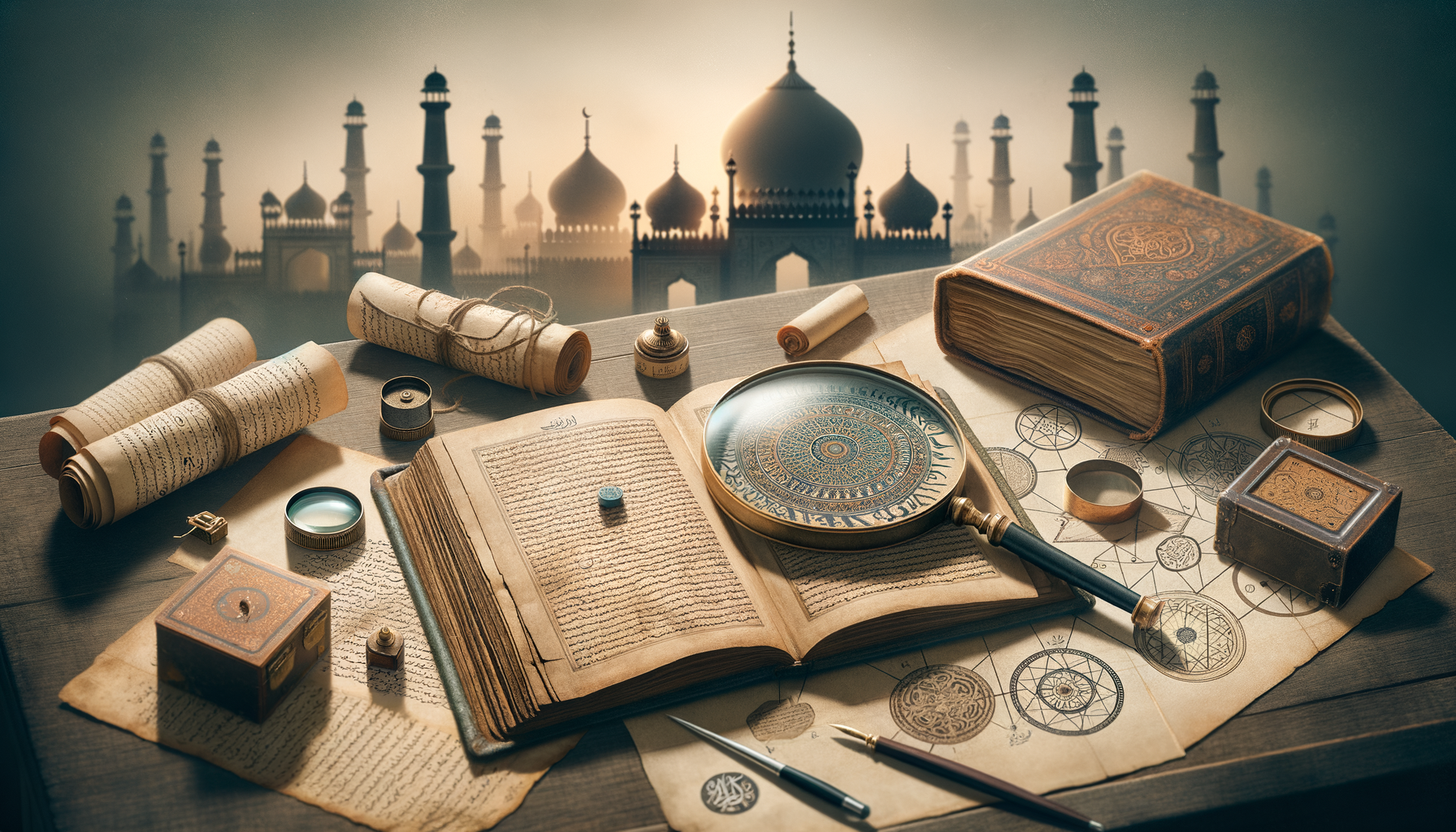
Transmission adds another layer of complexity. The work circulated in multiple manuscripts and became known in English as Seir Mutaqherin through early colonial translations and abridgments. Variations in transliteration, editorial cuts, and occasional mistranslations altered tone and emphasis, sometimes amplifying sensational claims. Consequently, modern readers who rely on a single edition or a clipped quotation risk inheriting errors that accumulated over centuries rather than the author’s original intent.
Common allegations drawn from Siyar-ul-Mutakhkherin typically involve categorical portrayals of communities—Hindus, Sikhs, or regional powers such as the Maratha Empire—as uniformly predatory or uniformly victimized. Triangulation with contemporaneous Persian chronicles, regional farmans and sanads, Marathi bakhars, Sikh sources, and early British administrative records consistently reveals a more nuanced picture. Patterns of warfare, taxation, and diplomacy were contingent, negotiated, and often localized; episodes of conflict coexisted with routines of trade, shared ritual spaces, and administrative cooperation. Reading the chronicle in concert with such evidence shifts discussion from assertion to analysis.
A sound method for engaging Siyar-ul-Mutakhkherin involves five steps. First, situate authorship and audience within late Mughal political culture. Second, contextualize events across time and region instead of treating them as uniform. Third, triangulate claims with independent sources in multiple languages. Fourth, examine how moralizing passages differ from descriptive reportage. Fifth, be cautious with numbers and absolutes, which premodern texts often used rhetorically. This approach supports reclaiming Hindu history without reducing complex actors to caricatures.
Equally important is the civilizational horizon that often disappears in polemical readings. Across Hinduism, Buddhism, Jainism, and Sikhism, shared ethical commitments—to dharma, ahimsa, seva, and the many-sidedness of truth (Anekantavada)—sustained social life even in unsettled times. Evidence from urban markets, pilgrimage networks, and artisan guilds in the late Mughal period suggests durable habits of coexistence alongside episodes of contestation. Recognizing this layered reality aligns with a vision of unity in diversity and resists attempts to weaponize a single chronicle against any community.
For many students and readers, encountering sensational quotations from Siyar-ul-Mutakhkherin can be disorienting. It helps to remember that chronicles were not neutral ledgers; they were crafted narratives shaped by perspective and purpose. A measured reading—grounded in source criticism, comparative evidence, and ethical reflection—restores balance. It encourages empathy over suspicion and inquiry over indignation, offering an interpretive path that honors the plurality of South Asia’s dharmic traditions.
Ultimately, debunking false allegations is not about silencing difficult history; it is about reading it well. A chronicle as textured as Siyar-ul-Mutakhkherin deserves careful study rather than fragmentary citation. By insisting on historical accuracy and resisting distortion of history, scholarship can illuminate both the fractures and the bridges in Mughal history. Such work advances understanding, fosters interfaith respect, and strengthens a shared commitment to a future defined by knowledge, integrity, and unity.
Inspired by this post on SikhNet – News.