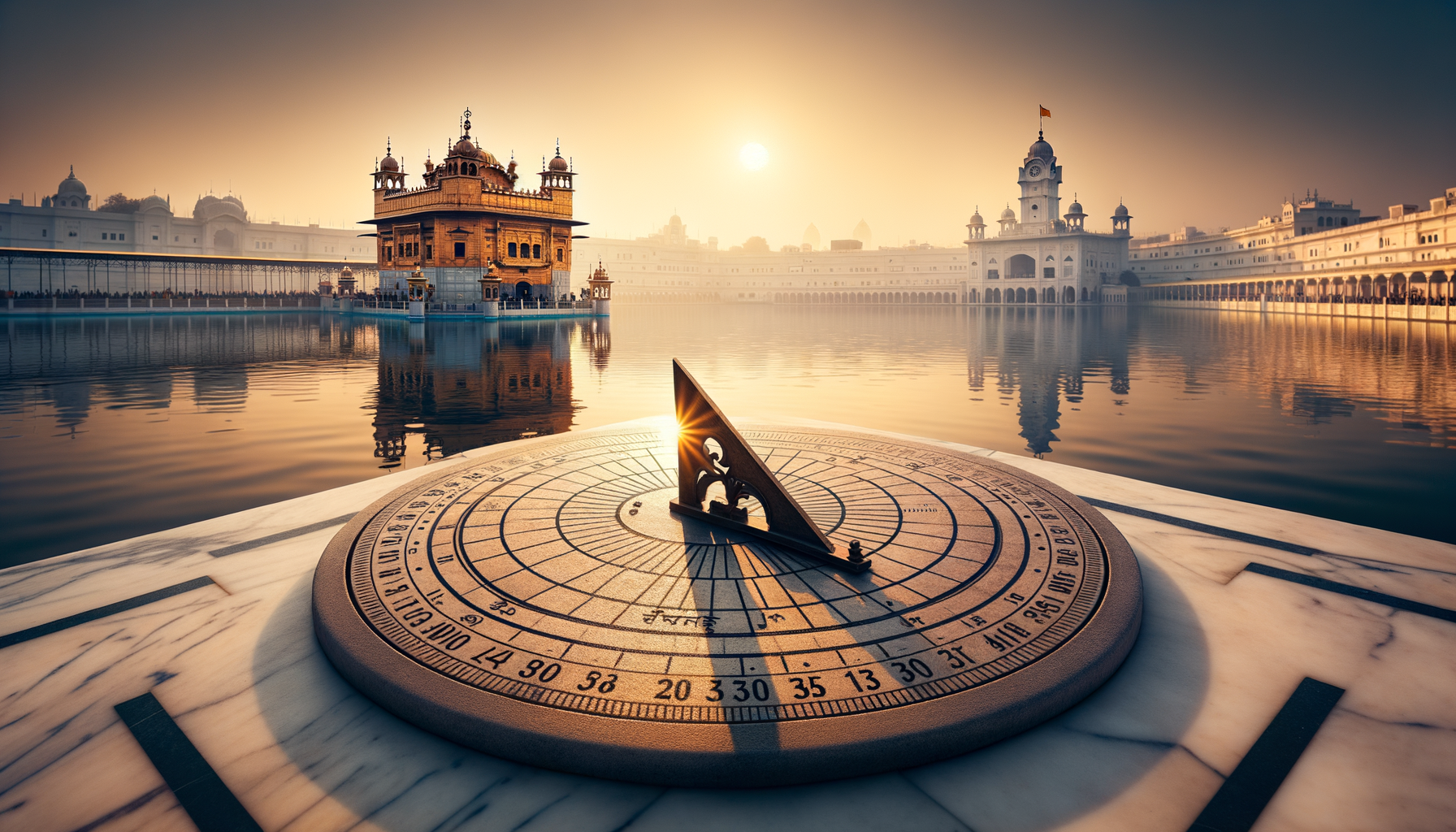
At the heart of the Darbar Sahib (Harmandir Sahib) complex in Amritsar, a historic sundial quietly bridges devotion and empirical knowledge. More than a timekeeping instrument, it stands as a measured testament to Sikh scientific heritage and the broader Indian tradition of astronomy and time reckoning. Its presence reminds visitors that the rhythms of daily seva, kirtan, and langar once aligned with observations of the sun, situating the Sikh Community within a long continuum of disciplined scientific observation.
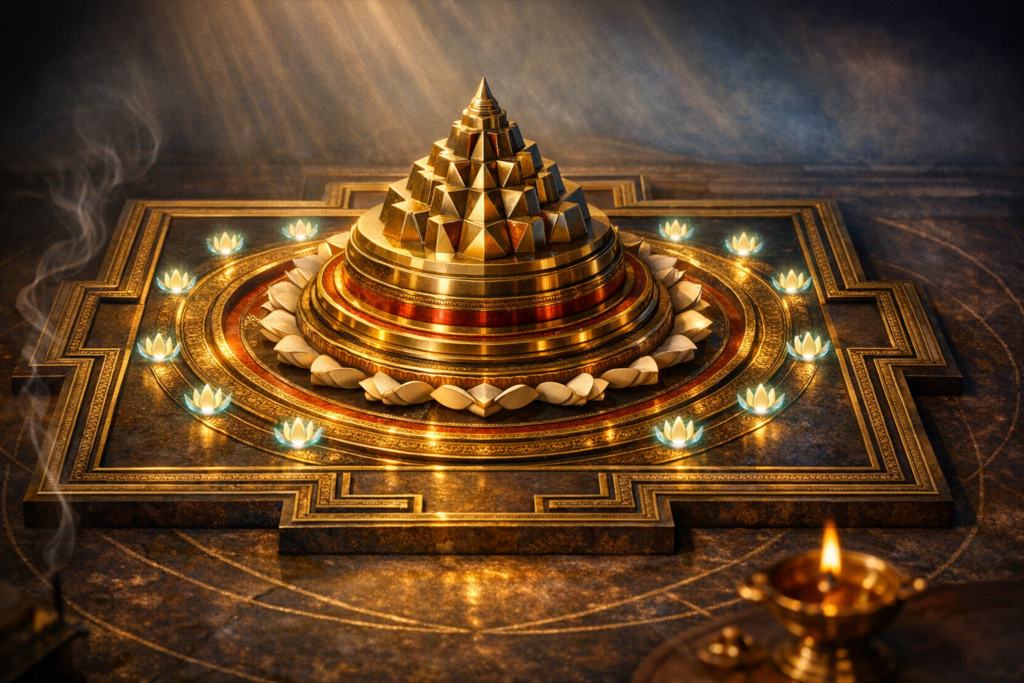
The sundial’s working principle is elegantly simple and empirically rigorous: a fixed gnomon casts a shadow that moves with the sun, marking the apparent solar time. Oriented for the local latitude and aligned to the cardinal directions, such instruments encapsulate practical astronomy—expressing, in stone and shadow, concepts that ancient astronomers refined across centuries in the subcontinent. The device renders celestial geometry visible and tangible, transforming sunlight into a precise chronicle of the day.
Historically, instruments of this kind offered reliable guidance in pre-industrial Punjab, structuring communal life with accuracy and predictability. They supported the disciplined cadence of gurdwara routines while reflecting a culture that valued learning, inquiry, and the responsible application of knowledge. In this light, the Darbar Sahib sundial symbolizes an ethical orientation toward time: measured, purposeful, and in service of collective well-being.
Architecturally, the sundial harmonizes with the complex’s aesthetic vocabulary, where art and architecture meet scientific observation. The stonework, alignment, and spatial placement demonstrate how design can serve both contemplation and calculation. This integration underscores that heritage sites in India often embody multiple knowledge systems—devotional, artistic, and scientific—without contradiction.
Placed within the wider fabric of dharmic traditions, the sundial also reflects shared subcontinental approaches to timekeeping. Across Hindu, Buddhist, Jain, and Sikh contexts, observational astronomy supported monastic routines, festival calendars, and ethical disciplines. The Darbar Sahib example thus invites a unifying perspective: knowledge flows across traditions, and the search for truth—spiritual and empirical—has long been collaborative rather than competitive.
Visitors frequently respond with curiosity and quiet wonder. Families pause as children trace the shadow’s path; educators point out how solar noon differs from clock time; many describe a sense of humility before the sky’s regularity. For some, the sundial becomes a contemplative aid, encouraging patience and presence; for others, it is an open-air classroom where the language of light becomes a lesson in history and science.
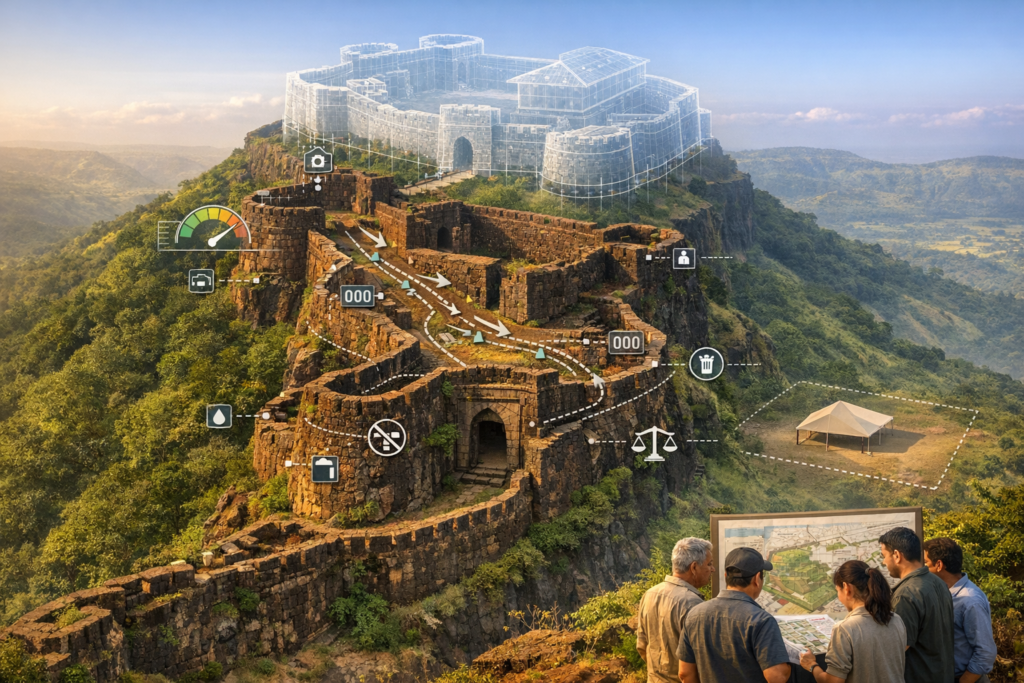
The instrument also foregrounds contemporary questions of heritage preservation. As a Historical Artifact within a living sacred complex, it benefits from careful conservation, clear interpretive signage, and regular documentation. Such stewardship protects material integrity while amplifying educational value—ensuring that the sundial continues to serve as both cultural memory and scientific resource.
In an age of digital timekeeping, the Darbar Sahib sundial offers a tactile encounter with astronomy. It invites interdisciplinary study—combining history, architecture, astronomy, and ethics—and encourages collaborations among scholars, students, and community stewards. Bilingual or multilingual interpretive materials can further broaden access, allowing diverse audiences to engage with the instrument’s scientific and cultural meanings.
Ultimately, the sundial stands as a symbol of unity in diversity: a Sikh scientific legacy that resonates with broader Indian knowledge traditions. Its shadow marks more than hours; it traces a lineage of inquiry that respects faith, values evidence, and welcomes dialogue among dharmic paths. In preserving and studying it, communities honor a shared past while cultivating an informed and cohesive future.
The historic sundial of the Darbar Sahib therefore endures as a quiet teacher—demonstrating how devotion and disciplined observation can coexist, how science can illuminate heritage, and how the search for truth can bind communities across traditions.
Inspired by this post on SikhNet – News.