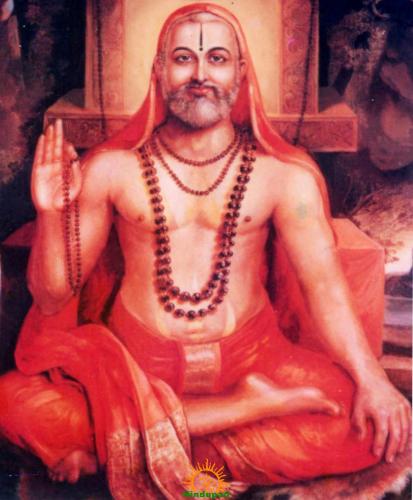
Across the narrative arc of Hindu devotional literature, the life of Bhakta Ramadasu stands as a luminous testament to how steadfast faith can transform adversity into grace. Remembered historically as Kancherla Gopanna, and reverentially as Ramadasu, his journey affirms a cherished conviction in Hinduism: divine compassion does not forsake the sincere, especially in times of trial.
Set in 17th-century Telangana under the Qutb Shahi Sultanate, Ramadasu served as a revenue official (tahsildar) during the reign of Abul Hasan Qutb Shah, also known as Tana Shah. A pilgrimage to the sacred site of Bhadrachalam, where the temple of Sri Rama had fallen into disrepair, stirred a profound devotional resolve. The confluence of public duty and spiritual dedication set in motion a chapter that would shape South Indian bhakti memory.
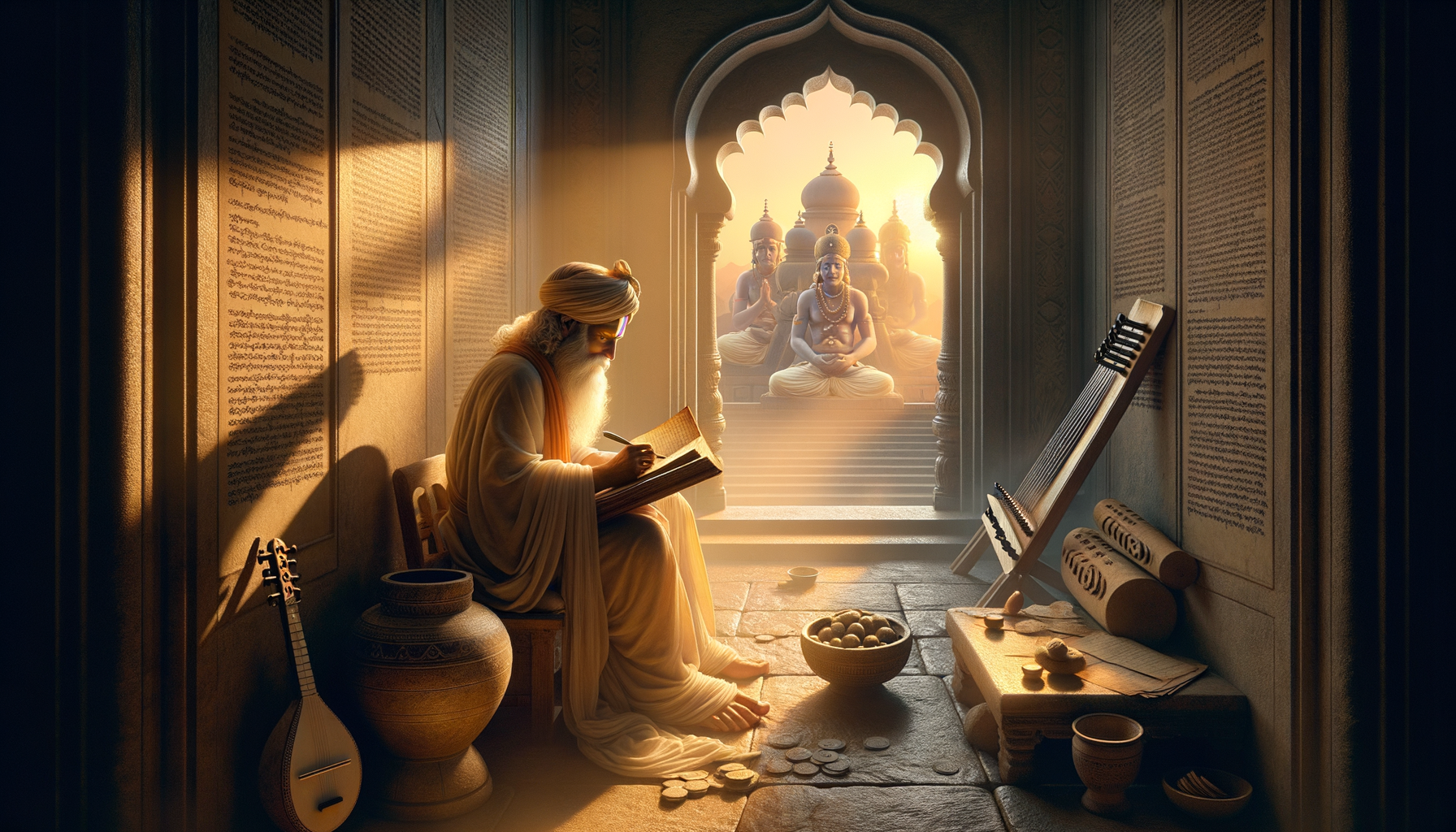
Accounts relate that Ramadasu mobilized community support to restore the Bhadrachalam Temple. When contributions proved insufficient, he was accused of diverting state revenues for temple reconstructiona decision that led to imprisonment in Golconda. The historical kernel is clear: devotion met governance, and the consequence was severe confinement. Yet, within that confinement, devotion deepened.
Incarceration became a spiritual crucible. Ramadasu composed moving devotional poetrycollectively remembered as Ramadasu Keertanaluand the celebrated Dasarathi Satakam. These compositions, central to the Telugu bhakti tradition, reveal a mind transmuting suffering into surrender, and anguish into ardor for Sri Rama. Readers across generations recognize a relatable pattern here: when external support recedes, interior strength, cultivated through bhakti, can rise with unexpected clarity.
Hagiographical narratives add a luminous dimension to the historical record: it is said that Sri Rama and Lakshmana, appearing as young men, repaid the state’s dues with coins bearing Rama’s seal, leading to Ramadasu’s release and the ruler’s respect for his unwavering devotion. Whether approached as legend or as a sacred memory, this episode underscores a key insight of Hindu spiritualitydivine grace aligns with integrity, courage, and service. Importantly, the story also reflects intercommunal respect: a Muslim ruler ultimately honors a Hindu devotee, illustrating how faith can inspire ethical regard across social and religious lines.
After release, traditions recall Ramadasu’s continued service at Bhadrachalam, helping anchor the temple as a living center of pilgrimage and community life. Today, the Bhadrachalam Temple stands not only as a sacred space dedicated to Sri Rama but also as a cultural landmark for Telugu-speaking communities, where Ramadasu’s bhakti is remembered in song, ritual, and shared memory.
The values exemplified in this narrativeperseverance, compassion, ethical responsibility, and devotional commitmentresonate across the dharmic traditions of Hinduism, Buddhism, Jainism, and Sikhism. The bhakti impulse echoes in Sikh shabad kirtan as heartfelt remembrance, in Buddhist practice as patient endurance (kṣānti) and compassionate intention, and in Jain tapas as disciplined sincerity. This shared ethical fabric strengthens unity among dharmic paths while honoring their distinct practices and insights.
For contemporary seekers, Ramadasu’s story offers practical lessons. Devotion does not absolve civic duty; it elevates it. Community stewardship, accountability in public life, and empathy toward diverse faiths can coexist with intense spiritual longing. In seasons of uncertaintypersonal or societalthe synthesis of inner devotion and outer responsibility becomes a steadying compass.
Ultimately, the memory of Bhakta Ramadasu suggests a timeless assurance: sincere devotion invites sustaining grace. While outcomes may arrive through ordinary means or through extraordinary turns, the journey of bhakti cultivates resilience, aligns action with dharma, and fosters solidarity across communities. The life at Bhadrachalam thus continues to inspirea reminder that even in the darkest hours, ethical action and unwavering faith can illumine the path forward.
Inspired by this post on Hindu Blog.