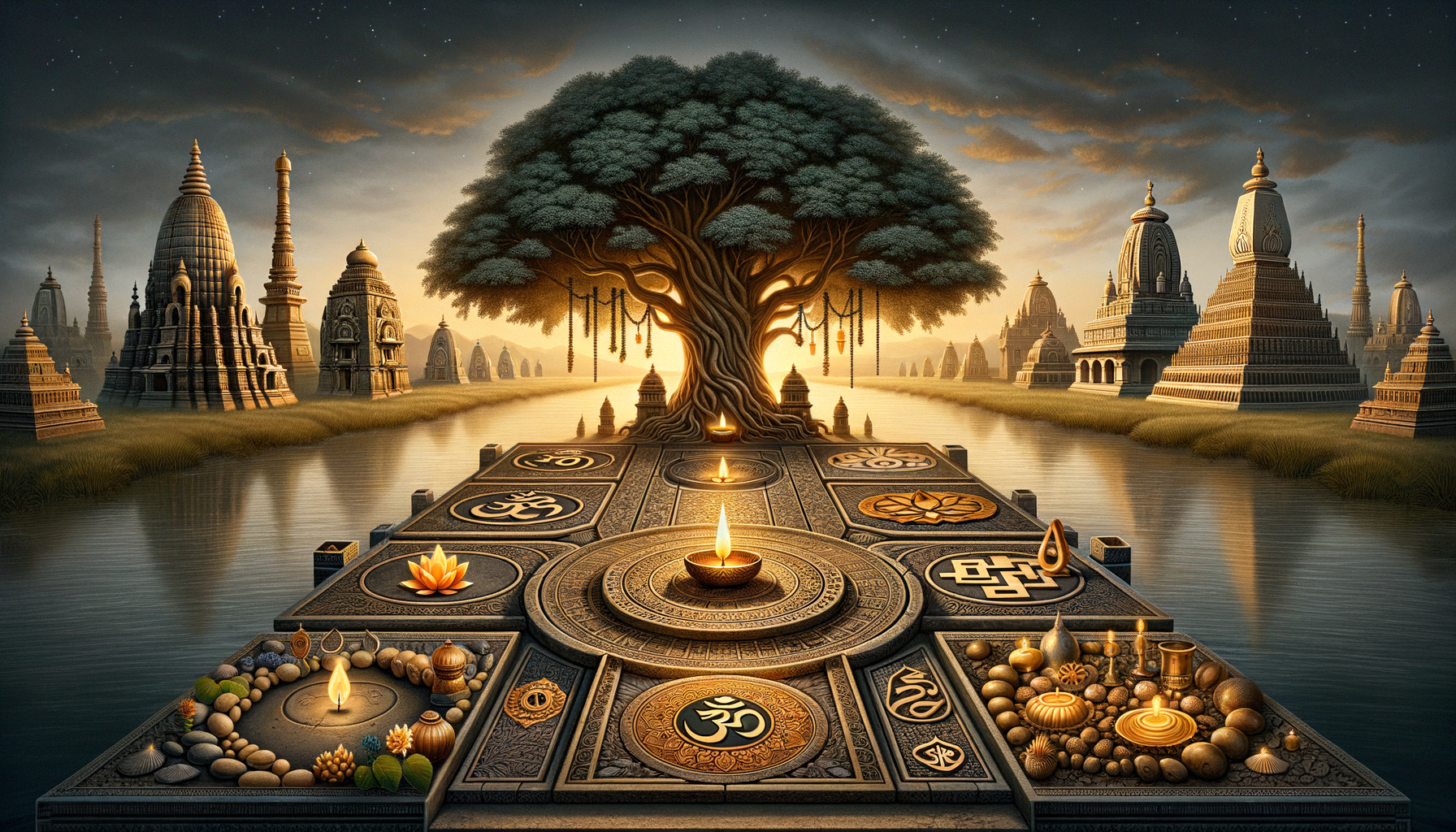
In ancient Hindu society, conversion did not function as a formal, centrally codified institution. Belonging emerged organically from the steady adoption of practices, ethical commitments, kinship ties, and reverence for sacred geographies. Rather than a single rite of passage, identity coalesced through participation in ritual life, learning, and shared community responsibilitiesa pattern that characterized much of Ancient India.
This inclusivity and flexibility enabled outsidersmerchants, travelers, administrators, artisans, and scholarsto assimilate gradually into the societal fabric. When individuals resonated with Hindu philosophy and ritual, communities often welcomed them through association with temples, guilds, festivals, and household observances. The emphasis rested on lived dharma and consent, not compulsion, reflecting a broader civilizational ethos of religious pluralism found across Dharmic traditions.
Textual references indicate that when more explicit reintegration was sought, traditions sometimes invoked purificatory and restorative procedures. The Vedic ritual of Vratya-stoma, for example, is discussed in the context of bringing vratyas into a Vedic normative framework, while medieval juridical discussions on Mlēccita-śuddhih explore social restoration and community reacceptance. Such measures aimed primarily at social and ritual reintegration rather than doctrinal conformity, underscoring that the pathway to belonging prioritized practice, responsibility, and mutual recognition.
In lived experience, this process often began with one practicechanting, yoga, pilgrimage, or the worship of an Ishtathen unfolded into a broader ethical and spiritual orientation. Many contemporary seekers will recognize the pattern: a first visit to a temple, participation in a festival, or engagement with classical philosophy opens a hospitable space where learning is encouraged and gatekeeping is minimal. The emotional tenor of welcomeprasad shared, stories explained, and customs patiently demonstratedhelps transform curiosity into genuine connection.
The wider Dharmic familyHinduism, Buddhism, Jainism, and Sikhismarose within the same civilizational milieu and has long affirmed voluntary commitment, ethical self-cultivation, and multiple valid paths to the sacred. Even when their doctrines diverge, the traditions converge in honoring non-violence, compassion, and inner discipline. This shared foundation nurtured interreligious coexistence and ensured that spiritual affiliation remained a matter of conscience and practice rather than coercion, reinforcing unity in spiritual diversity.
In contemporary discussions about religious identity and conversion, this historical perspective offers practical guidance: focus on informed choice, sustained practice, and community acceptance. When belonging is grounded in lived ethics and reciprocity, it strengthens social cohesion and honors the dignity of seekers across traditions. The Dharmic emphasis on pluralism thus provides a durable framework for respectful engagement, allowing individuals and communities to flourish together without erasing difference.
Viewed through this lens, “conversion” in Ancient Hinduism is best understood as a gradual deepening of participation and duty. It invited newcomers to become co-travelers on a shared path of learning and servicean approach that remains relevant for cultivating harmony among Hindu, Buddhist, Jain, and Sikh communities today.
Inspired by this post on Hindu Blog.