-
Samiti and Sabha Unveiled: Vedic Roots of Democracy in Ancient Hindu Civilization

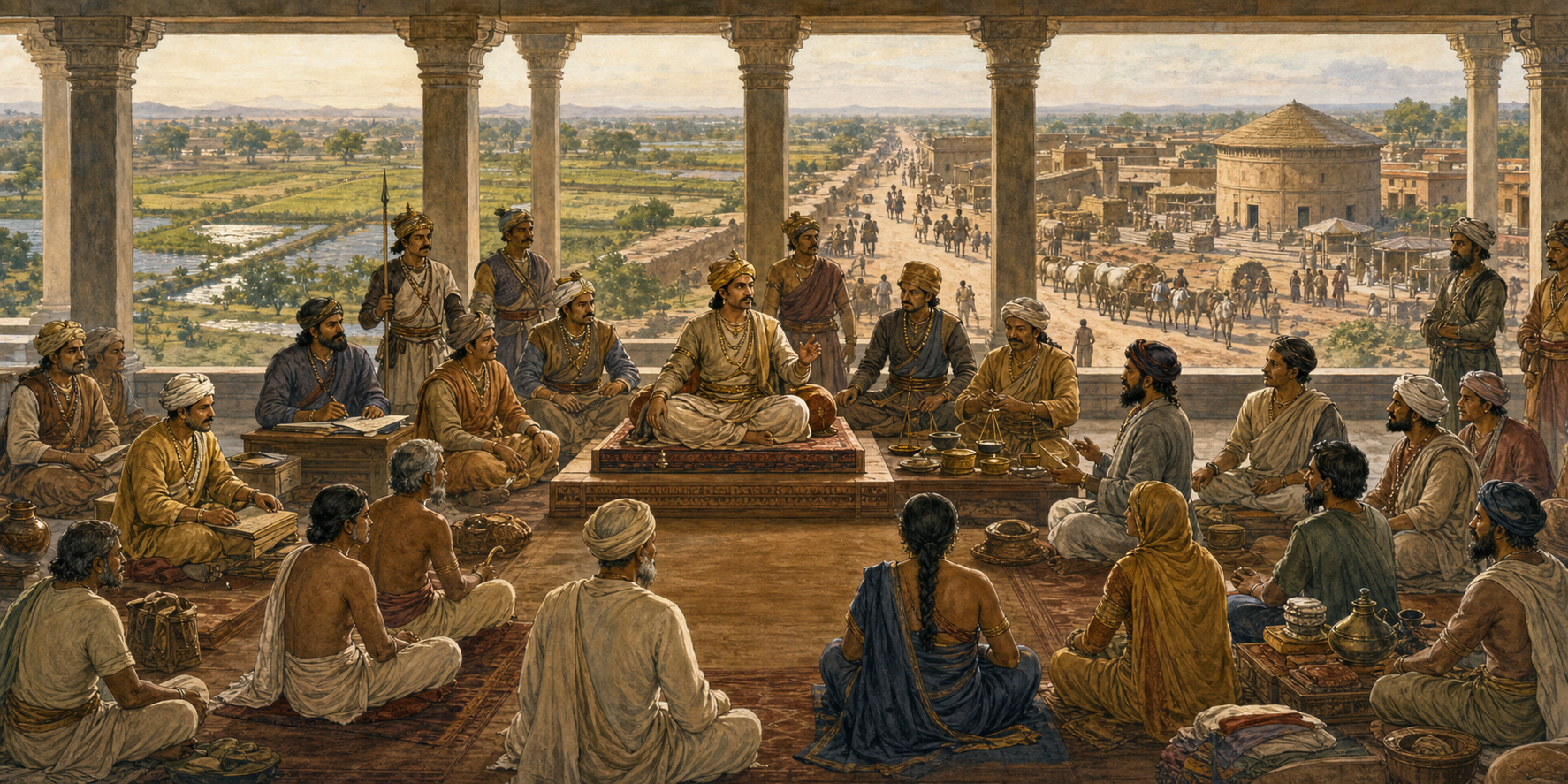
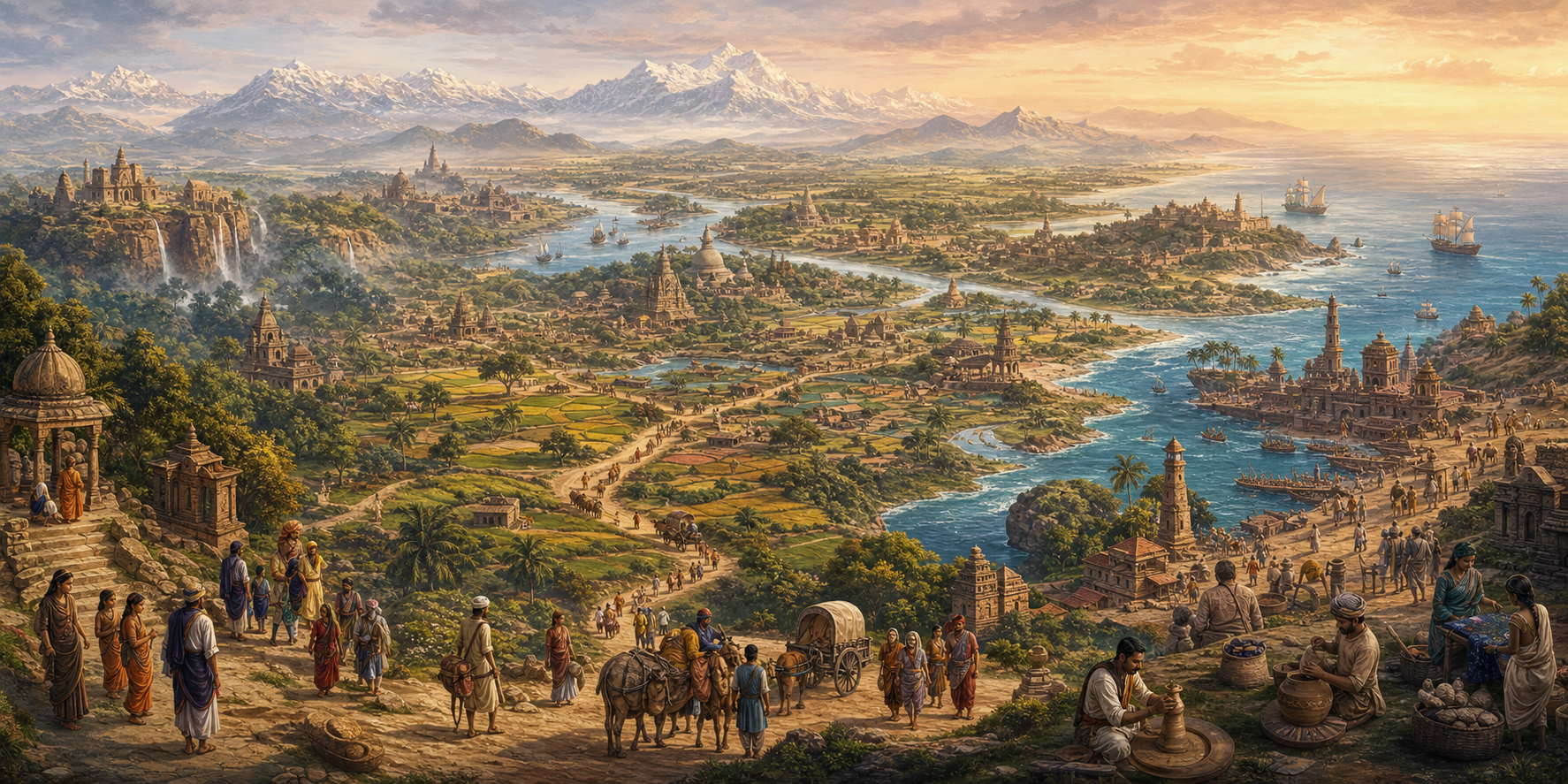
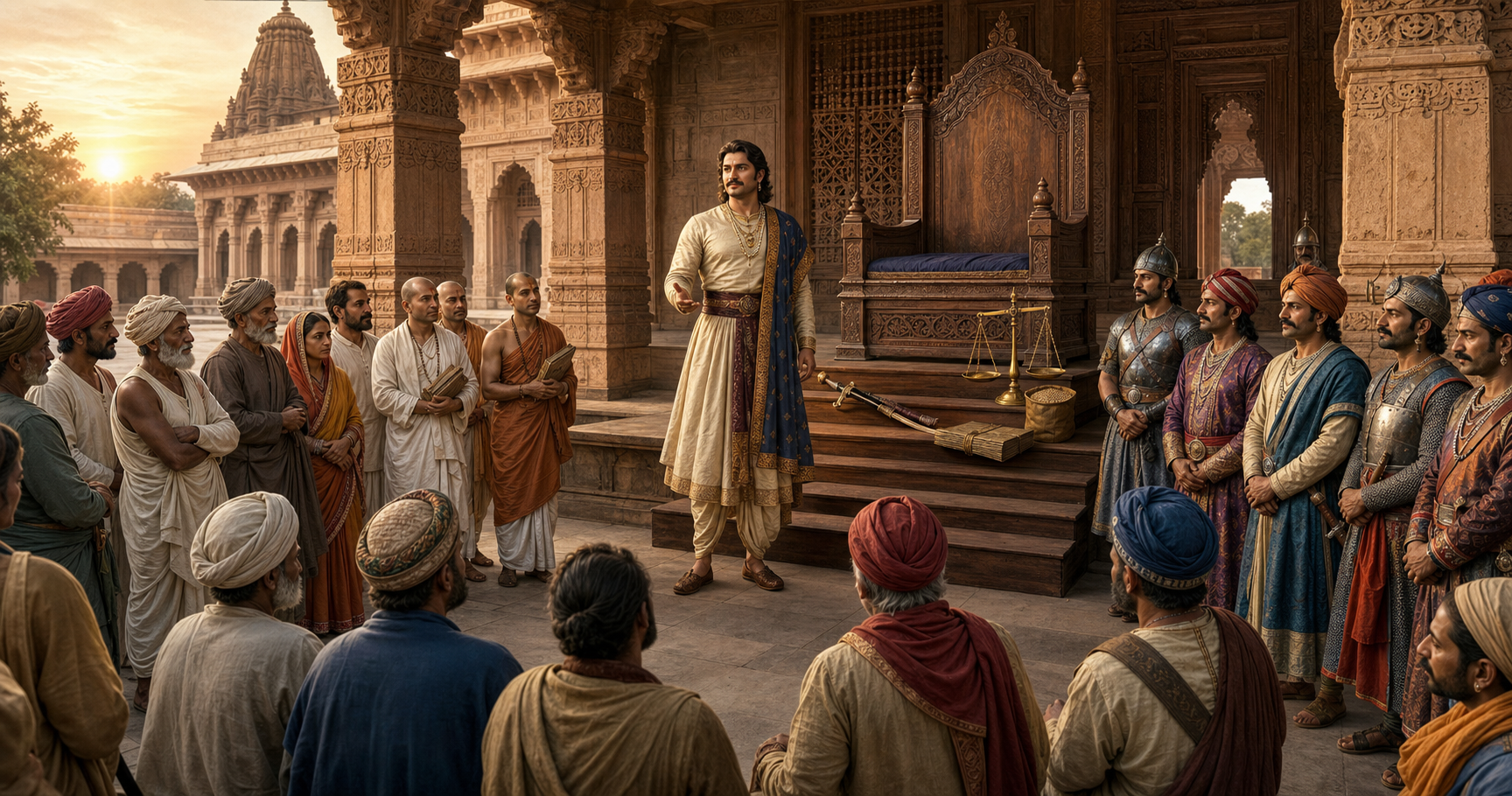
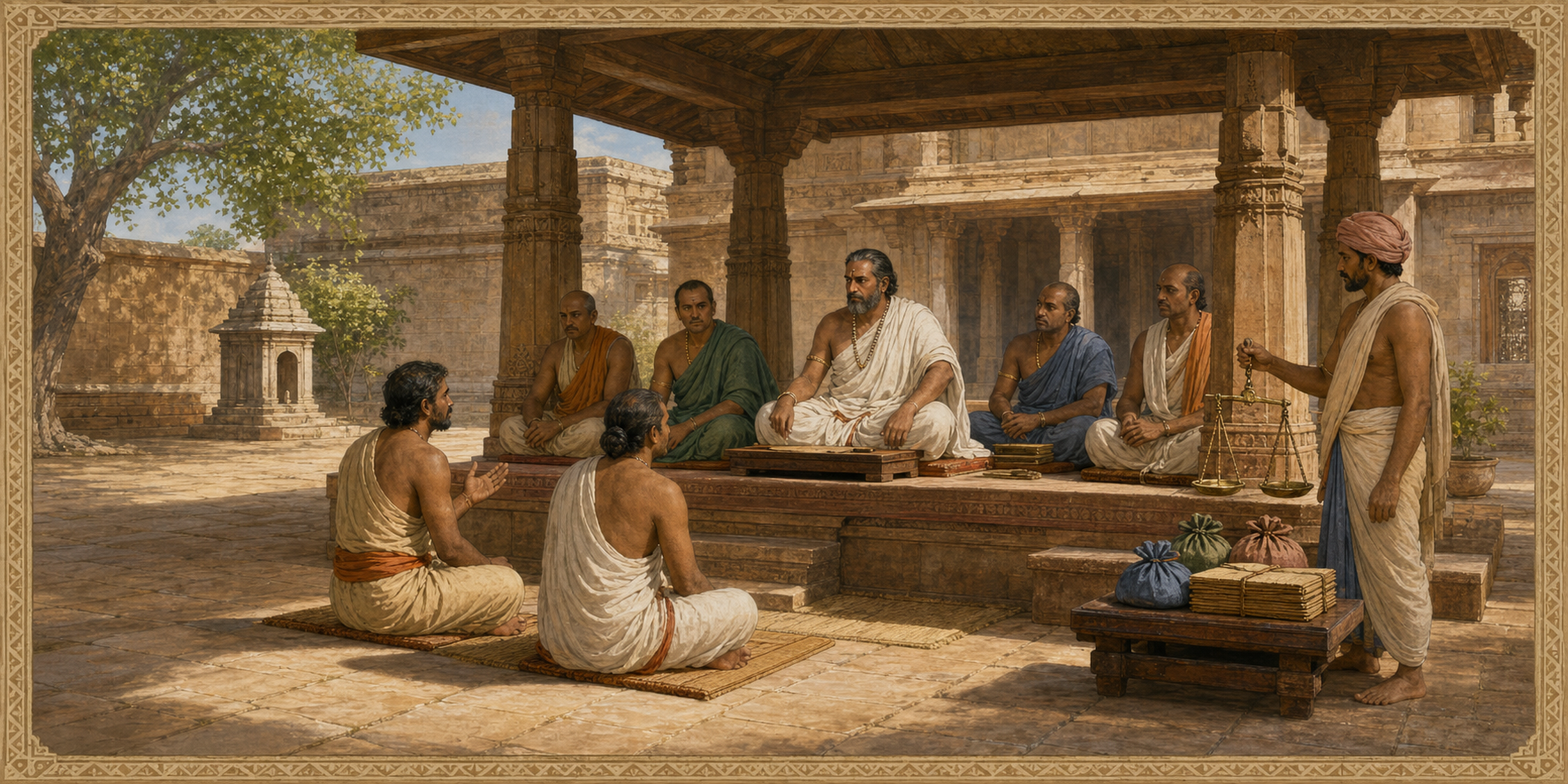
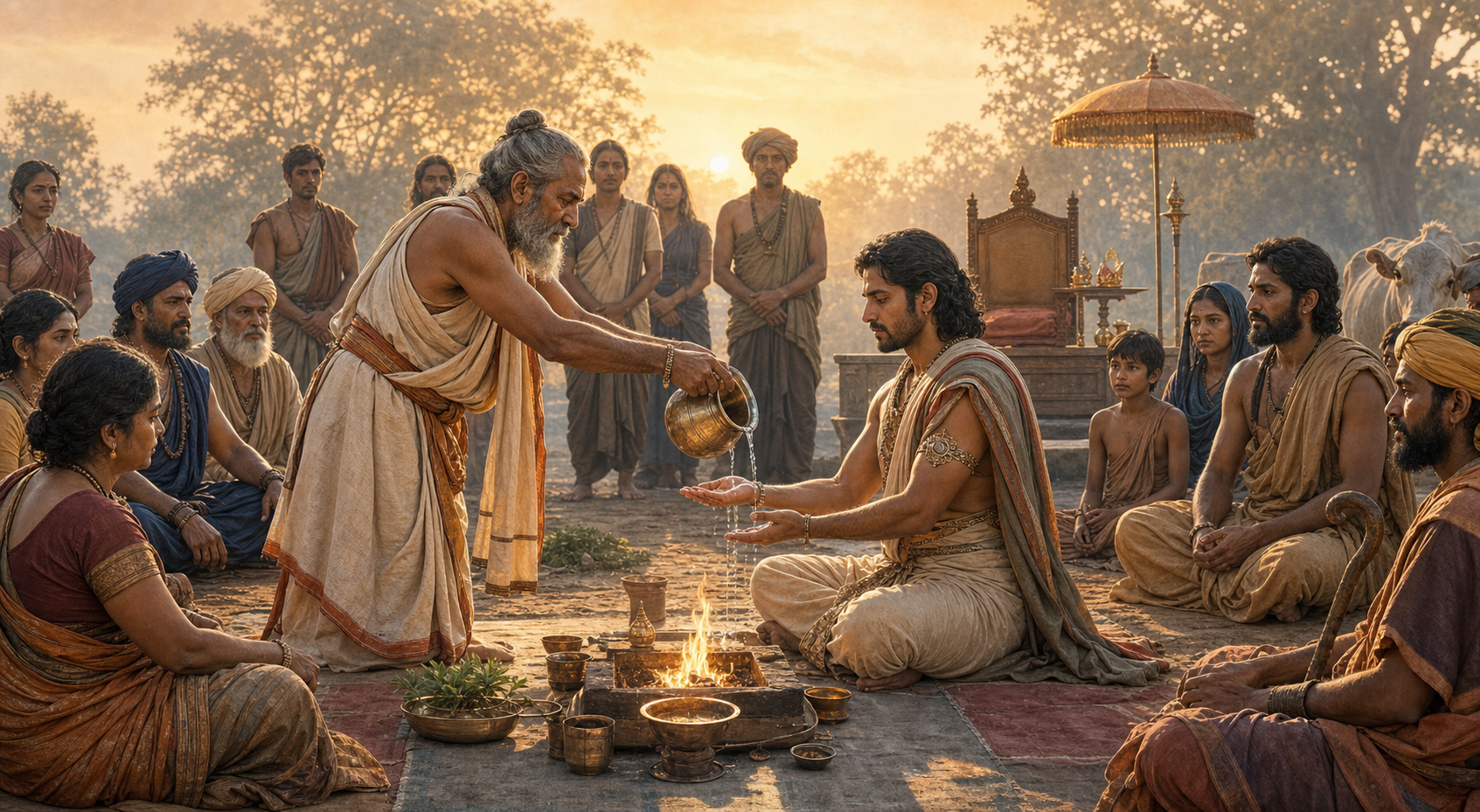
Ancient India’s Vedic tradition preserved two hallmark assemblies—Samiti and Sabha—that balanced public participation with expert counsel. The Rigveda and Atharvaveda reference these bodies, which anchored governance to dharma and prioritized consensus, accountability, and communal welfare. Over time, their logic resonated through gana-sangha republics cited in Buddhist sources and through administrative codifications visible in medieval South…
-
From Jamun to Jambudvipa: Sacred Dark Hues, Divine Cosmology, and Bharata’s Enduring Soul

Jamun’s deep purple hue, Jambudvipa’s sacred geography, and the dark complexions of Divine iconography converge to reveal a unifying civilizational vision of Bharata. Drawing on Hindu Puranas, Buddhist Pali sources, and Jain cosmography, the analysis shows how Jambudvipa frames Bharata-varsha as a moral and spiritual habitat rather than a mere map. The essay connects sacred…
-
Kishkindha Kanda Unveiled: Hampi’s Sacred Landscape, Dharma Debates, and Hanuman’s Rise

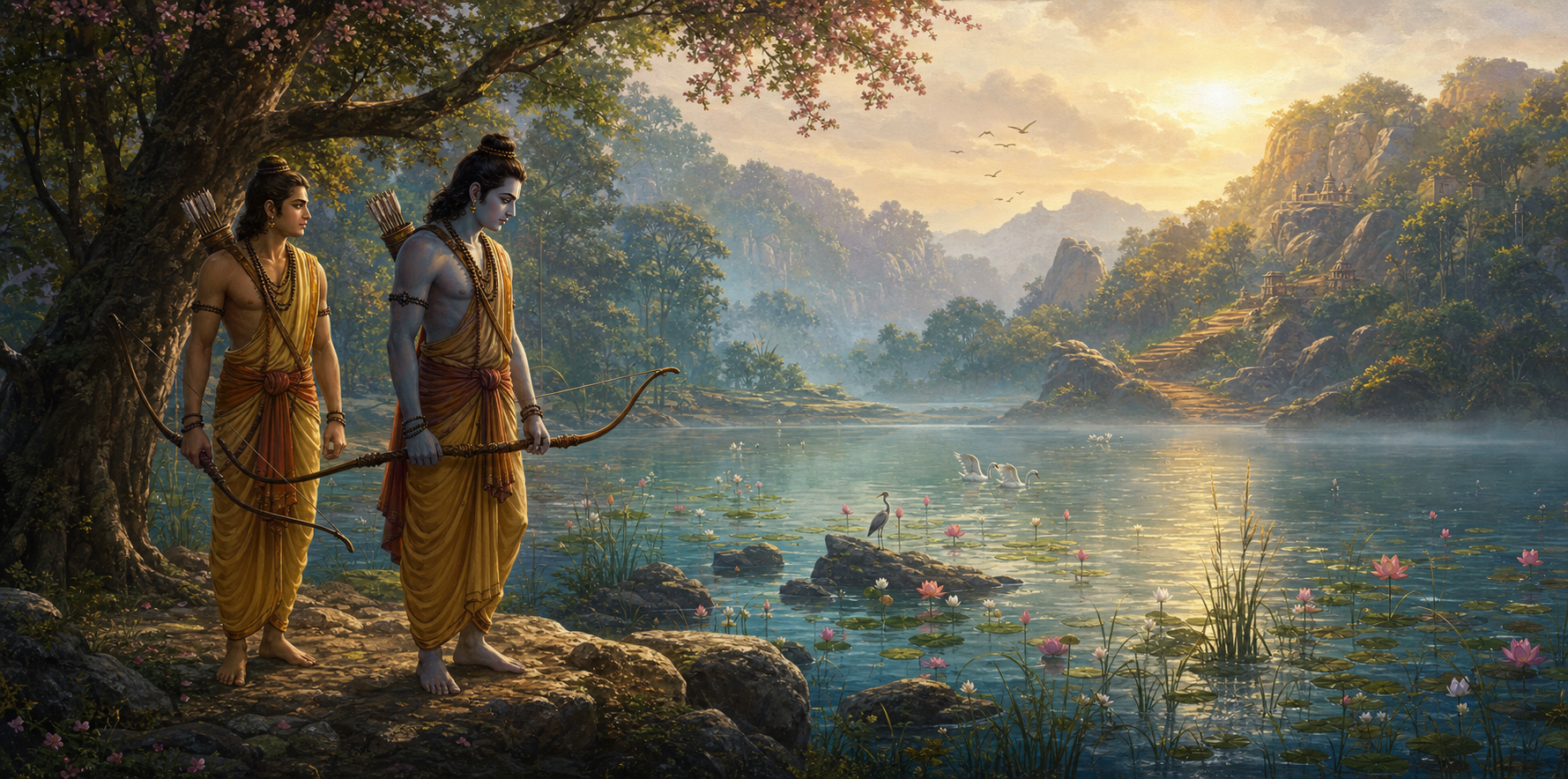
Kishkindha Kanda (Book IV of the Valmiki Ramayana) forges the Rama–vanara alliance, situates the narrative in the sacred Hampi–Anegundi landscape, and prepares the ground for Hanuman’s mission. Readers gain a clear map of key episodes—the pact with Sugriva, Vali-vadha’s dharma debate, Sugriva’s coronation, the monsoon interlude, and the strategic dispatch of search parties. The analysis…
-
Konark Sun Temple: Awe-Inspiring Kalinga Masterpiece, Cosmic Timekeeper, and Living Heritage

Konark Sun Temple in Odisha—commissioned by Eastern Ganga ruler Narasimhadeva I around 1250 CE—unites Kalinga architecture, sculpture, and ancient Indian astronomy in a breathtaking chariot-of-the-sun design. The twenty-four carved stone wheels and seven horses encode a lived experience of time and celestial geometry, while Surya’s triadic images track the diurnal path of light. As a…
-
Kishkindha Kanda Unveiled: Rama–Hanuman Alliance, Vali’s Fall, and Hampi’s Sacred Landscapes

Kishkindha Kanda, the fourth book of the Valmiki Ramayana, turns grief into disciplined action as Rama allies with Sugriva, brings down Vali, and launches a continent-spanning search for Sita. Set against the sacred landscapes around Hampi–Anegundi in Karnataka, it blends political acumen, ethical debate, and ecological poetics. The kanda highlights exemplary speech and statesmanship through…
-
Unraveling the Indo-European Homeland: Evidence, Myths, and South Asia’s Living Heritage

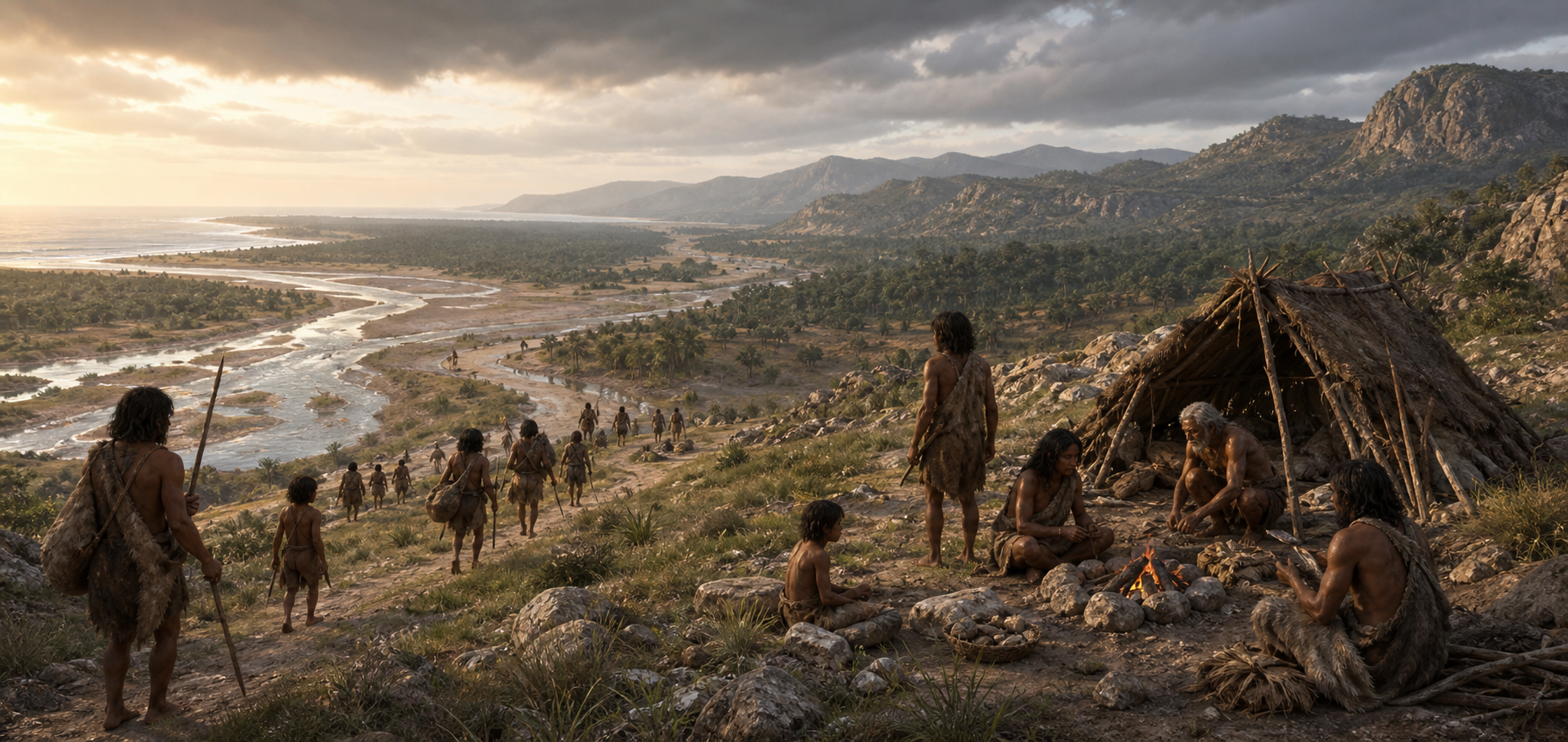
The search for the Indo-European homeland remains unsettled, but today it is informed by a stronger synthesis of comparative linguistics, archaeology, and ancient DNA. This article surveys the three leading proposals—Anatolian-Neolithic, South Caucasus, and Pontic-Caspian steppe—and distills J. P. Mallory’s critiques, including the problem of massive language shifts without clear archaeological correlates. It explains how…
-
Antariya Unveiled: The Sacred Lower Garment Shaping Hindu Sculpture and Symbolism

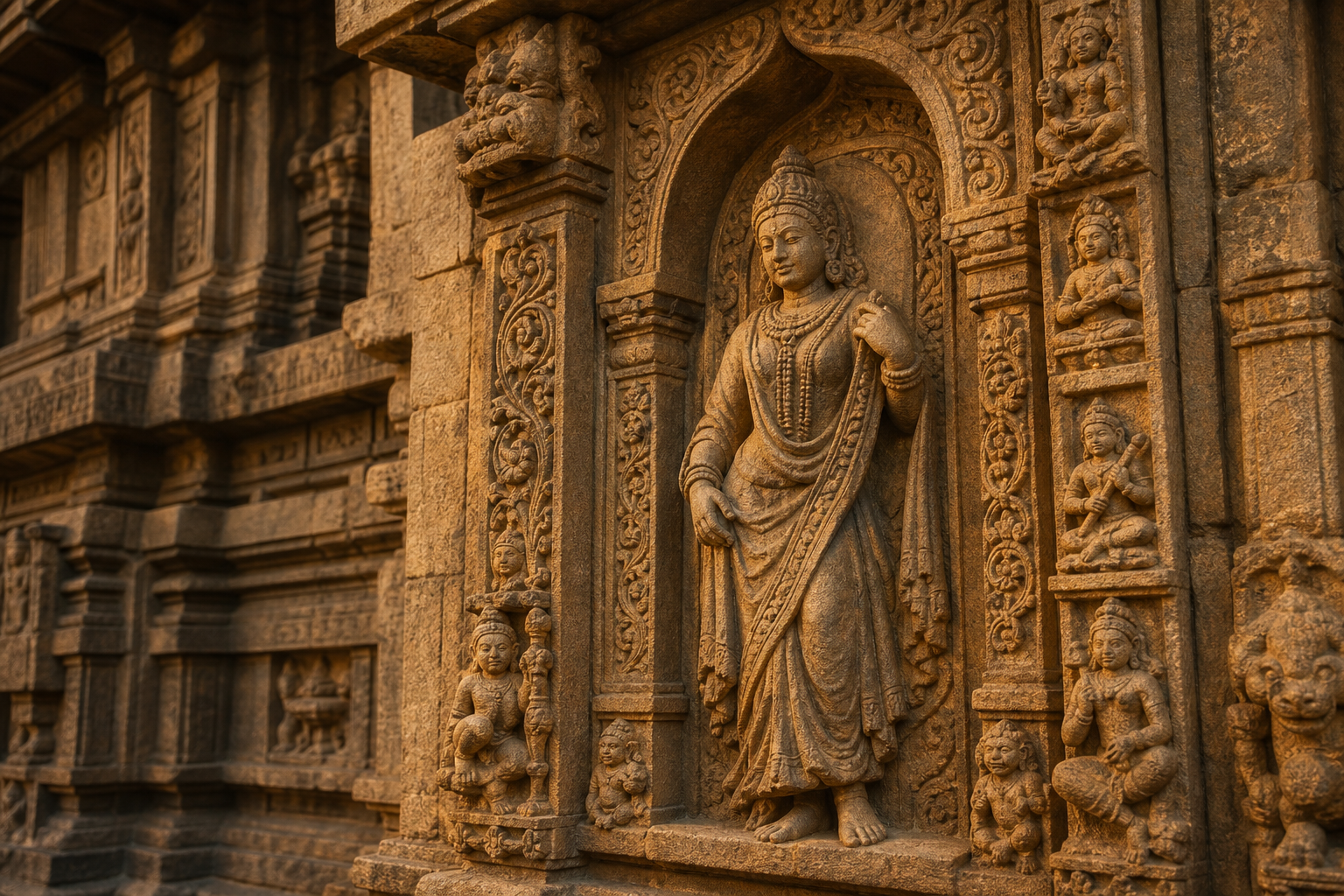
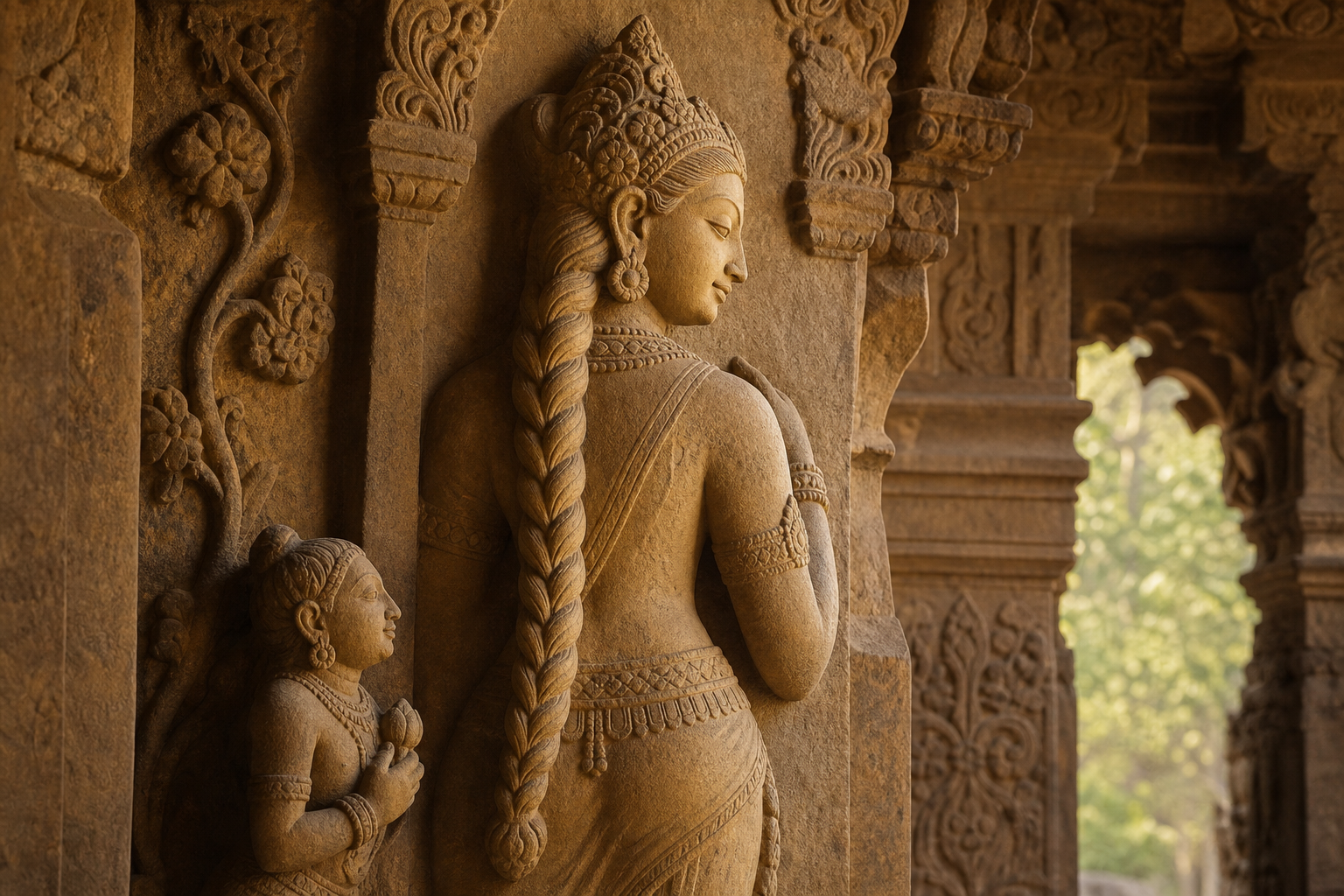
Antariya—the unstitched lower garment secured by a mekhala—is the foundational drape of Hindu sculpture and iconography, predating later dhoti forms. This long-form guide explains how to identify antariya in stone and bronze through pleat geometry, knots, and belt types, and how these features assist in dating and attributing works from Bharhut and Sanchi to Gupta…
-
From Riyadh to Tehran: How Srila Prabhupada’s Vedic Wisdom Inspires Unity and Hope

Interest in India’s ancient knowledge has expanded across Arab and Persian cultural spheres, especially during periods of uncertainty. This article examines why Srila Prabhupada’s books resonate in these contexts: philosophical clarity, rigorous translation, and accessible practice. It explains how Arabic and Persian editions preserve Vedic nuance while remaining readable for university courses and interfaith study…
-
Awe-Inspiring Padalathri Narasimhar Temple: Pallava Rock-Cut Sanctum at Singaperumal Koil

Padalathri Narasimhar Temple (Singaperumal Koil) near Chennai is a rare Pallava-era rock-cut Vaishnava sanctuary carved into a red hill, with Lord Narasimha and Ahobilavalli Thayar presiding. The 8th‑century CE cave sanctum, later Dravidian additions, and continuous worship offer a compact study in South Indian temple architecture and living heritage. Devotees consistently describe the ascent as…
-
Aparajita, the Invincible: Ancient Hindu War Rites, Dharma-Yuddha Ethics, and Strategy

Aparajita—“the unconquered”—was venerated by kings, commanders, and communities as the victory-bestowing face of the Goddess in ancient India. The worship synchronized statecraft and spirituality, binding warfare to Dharma-Yuddha and Kshatra Dharma. Textual traditions linked Aparajita with Durga and embedded victory hymns from the Devi Mahatmya into pre-campaign rites. Rituals integrated muhurta selection, sankalpa, weapon consecration,…
-
From Flower to Faith: Uncovering Puja’s Roots, Vedic Evolution, and Sacred Simplicity

This essay explores the timeless essence of puja by tracing its etymology, ritual history, and lived practice, from the Dravidian echo of ‘pu’ (flower) to Sanskrit notions of honor and reverence. It clarifies how Vedic, Purāṇic, and Agamic sources shaped today’s home and temple worship, including pañcopacāra and śoḍaśopacāra frameworks. Readers gain practical guidance for…
-
Ardhoruka in Hindu Bronzes: Decoding the Warrior’s Drape and Ascetic Power in Iconography

The ardhoruka—a short, tightly wrapped lower garment—plays a central role in Hindu bronze iconography, especially in South Indian masterpieces. By exposing the thighs and condensing the silhouette, it signals martial vigor, dance, and ascetic discipline, contrasting with the longer antariya. Canonical texts in the Shilpa Shastras prescribe this form for specific deities, while the lost-wax…
-
At 11, Bodhana Sivanandan Becomes UK’s Top Female Chess Player—An Inspiring Dharmic Legacy

At 11 years old, Bodhana Sivanandan has become the UK’s top female chess player, a rare feat that spotlights exceptional junior development in British chess. This in-depth analysis explains how FIDE and national ratings work, why junior K-factors accelerate progress, and which technical habits—calculation, positional understanding, endgame technique, and opening preparation—most reliably drive elite performance.…
-
Purochana in the Mahabharata: Lac Palace Conspiracy, Fatal Loyalty, and Dharmic Lessons

This analysis unpacks Purochana’s role in the Mahabharata’s Lakshagraha conspiracy as a study in ruthless loyalty, covert statecraft, and ethical failure. It situates the plot in the Adi Parva and explains how a luxurious lac palace was engineered as a flammable death trap through lākṣā, ghṛta, and taila. Vidura’s quiet counter-intelligence and tunnel strategy illustrate…
-
Sanskrit vs Prakrit in Ancient India: A Sacred Dialogue Shaping Faith, Culture, and Power

Sanskrit and Prakrit formed a sacred dialogue in Ancient India, shaping ritual, philosophy, drama, and everyday communication across Hinduism, Buddhism, Jainism, and later Sikhism. Rather than rigid opposites, they functioned as complementary registers within a diglossic ecology that prized both precision and accessibility. The article maps their historical development from Old to Middle to New…
-
From War Thunder to Living Gods: Ratha (Chariot) as Weapon, Ritual, and Wisdom in Ancient Hinduism

This long-form, research-driven essay follows the ratha (chariot) from its earliest Vedic mentions through epic warfare, temple architecture, and living festivals. Readers gain a balanced view of textual evidence (Rigveda, Mahabharata, Upanishads), archaeological debates (including Sinauli), and the Arthaśāstra’s statecraft, alongside technical insights into chariot design, crew roles, and battlefield tactics. It unpacks the Kaṭha…
-
Avanaddha: The Sacred Science of Indian Drums from Vedic Pushkara to Pakhawaj

Avanaddha, the classical Indian family of drums defined in the Natyashastra, links Vedic references such as pushkara and dundubhi with today’s diverse performance, ritual, and communal traditions. This article explains how construction techniques—shell materials, membrane fastening, and the famed syahi loading—engineer near-harmonic overtones and pitch-centered strokes. It surveys major drum types (mridangam, pakhawaj, khol, chenda,…
-
Shalivahana Jayanti 2026: Date, Saka Era Legacy, and Chaitra Vijaya Dashami Significance

Shalivahana Jayanti 2026 falls on 28 March, observed on Chaitra Shukla Dashami (Chaitra Vijaya Dashami). The day honors King Shalivahana—identified in later tradition with Gautamiputra Satakarni—and foregrounds the Saka Samvat (78 CE), the backbone of the Indian national calendar. This era also informs Balinese, historical Javanese, and Khmer calendrical practices, underscoring a shared dharmic grammar…
-
Indra and Varuna’s Celestial Rivalry: Vedic Kingship, Cosmic Law, and the Battle for Order

Indra and Varuna frame a profound Vedic conversation about power, law, and legitimacy. Indra’s thunderous decisiveness (kṣatra) complements Varuna’s guardianship of ṛta, revealing why force must be answerable to truth and why law must be capable of protection. Rigvedic hymns, especially RV 1.32 and RV 7.86–7.89, ground this dialectic, while Brāhmaṇa and Upaniṣadic texts transform…