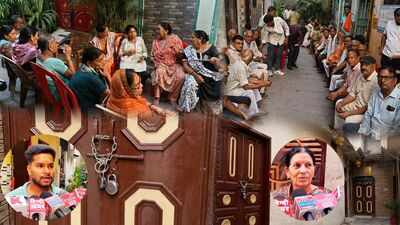
In mid-December 2025, a viral video from Sri Venkateswara Government Polytechnic (SVGP) in Tirupati reportedly depicting a lecturer making faith-oriented remarks in the classroom prompted demonstrations by several Hindu groups. The protests called for an impartial inquiry and appropriate action if the allegations of proselytization are substantiated. While public concern is understandable, the episode also opens space for a constructive conversation on campus neutrality, religious freedom, and interfaith harmony in institutions of higher education.
Publicly funded colleges are expected to uphold academic norms that keep instruction secular in form and inclusive in spirit. India’s constitutional framework protects religious freedom (including belief and non-belief) while expecting state institutions to remain neutral. Within this framework, any claim of preaching or proselytization inside a classroom warrants a time-bound, evidence-based review by the college administration and relevant authorities, anchored in due process and transparency.
Community reactions in Tirupati reflected a desire to balance the dignity of individual faith with the integrity of academic spaces. Many parents and students voiced that classrooms should remain free of pressuresocial, ideological, or religiousso that learning can proceed without discomfort or polarization. Simultaneously, several civil society voices emphasized that no individual should be targeted on the basis of religion and that any response must be proportionate, lawful, and oriented toward harmony.
Dharmic traditionsHinduism, Buddhism, Jainism, and Sikhismoffer a long history of pluralistic engagement and profound respect for diverse paths. In moments of tension, that heritage becomes a resource for calm dialogue and compassionate resolution. Framing this incident through the lens of interfaith dialogue and mutual respect can help ensure that the outcome strengthens, rather than strains, the social fabric of an academic community.
From an educational standpoint, clear norms serve everyone best. Colleges can reiterate codes of conduct that safeguard campus neutrality, establish confidential grievance channels for students, and create review committees that include administrators, educators, and, where appropriate, community representatives with expertise in ethics and education policy. Such structures encourage accountability while protecting the rights and reputations of all parties involved.
Given the acceleration of social media, context can often be lost in amplification. Responsible verification of viral clipsalong with the preservation of original, unedited material for formal reviewreduces the risk of misinterpretation. A measured institutional response, communicated clearly, is essential to prevent rumor from displacing reality.
Moving forward, SVGP and similar institutions may consider faculty development on professional boundaries, classroom ethics, and interfaith sensitivity. Orientation modules on interfaith dialogue, religious coexistence, and student well-being can preempt confusion about what constitutes personal belief versus proselytization in public settings. Such preventive steps reinforce the distinction between a teacher’s private convictions and professional responsibilities in a government institution.
Tirupati’s stature as a center of pilgrimage and learning underscores the value of trust in educational environments. Reaffirming campus neutrality, protecting religious freedom beyond the classroom, and prioritizing student welfare together support a climate where knowledge flourishes. An impartial inquirycoupled with transparent communication and restorative measurescan help transform controversy into a teachable moment that advances interfaith harmony and preserves the dignity of all.
Inspired by this post on Struggle for Hindu Existence.