Hindu thought presents a clear proposition: diversity is a fundamental feature of reality and a practical guide for harmonious living. Popular imagery likens this to a grand festival where many paths, practices, and personalities find place without rivalry. Rather than demanding uniformity, Sanatana Dharma frames plurality as strength, shaping a worldview in which people flourish by aligning spiritual practice with individual nature and community well-being.
This approach is visible in the recognition of multiple margabhakti, jnana, karma, and raja yogaeach suited to different temperaments and stages of life. The framework does not rank these paths; it treats them as complementary avenues toward the same ultimate reality, thereby encouraging ethical conduct, inner discipline, and social cohesion without coercion.
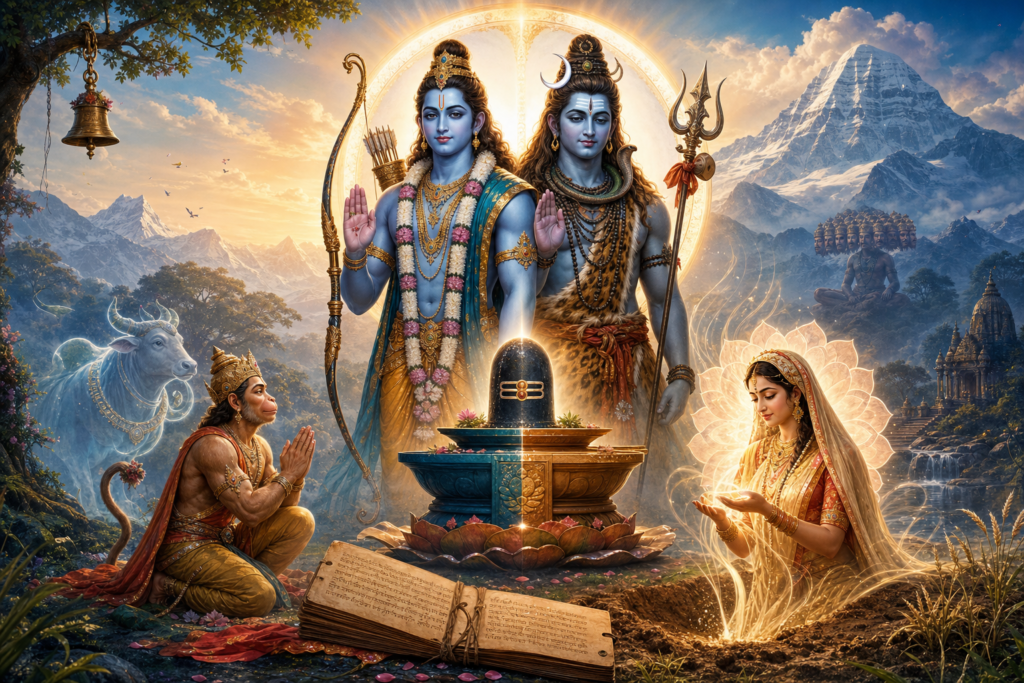
A central expression of this inclusivity is the practice of ishta-devata, the chosen form of the Divine aligned with one’s disposition. Whether devotion rests in Krishna, Shiva, Devi, or the formless Brahman, the principle of ishta cultivates depth without exclusivism. It grants the freedom to develop intimacy with the sacred while honoring the legitimacy of other forms and practices across the Hindu way of life.
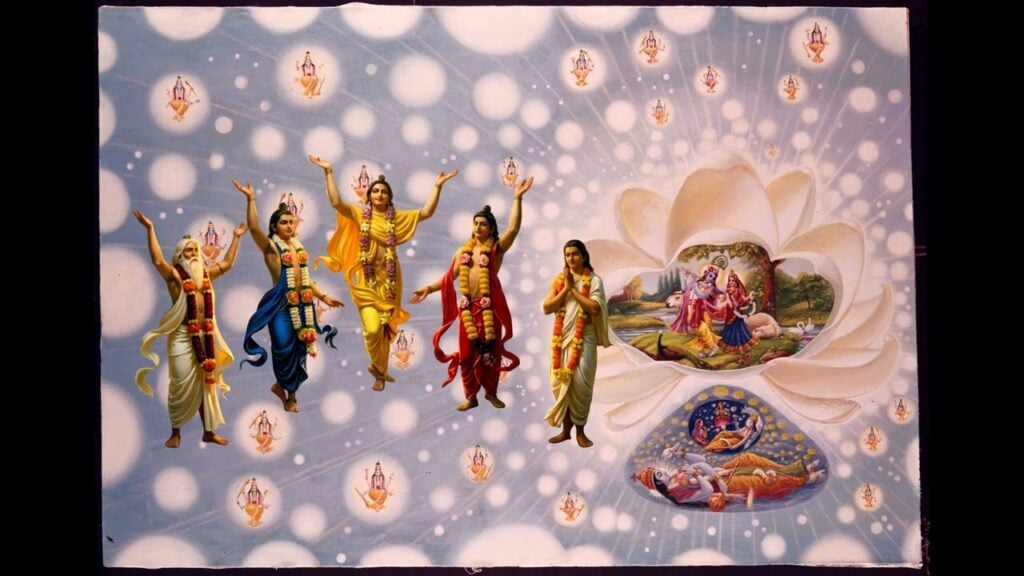
In popular speech, reference is often made to “330 million” deities to symbolize the breadth of Hindu worship. Classical sources, however, speak of “33 koti,” denoting categories or principles rather than a literal census. Both usages point to a single idea: symbolic plurality communicates that the Divine surpasses any one image or doctrine, and that diverse expressions can coexist within an integrated vision of reality.
This ethos of unity in diversity resonates across dharmic traditions. Jainism’s Anekantavada teaches that truth is many-sided and benefits from multiple perspectives. Buddhism invites a practical path of compassion and mindfulness, honoring experience over dogma. Sikhism affirms Ik Onkar, the One that permeates all, while cultivating seva and community harmony. Together, these traditions model religious pluralism as lived reality rather than mere theory.
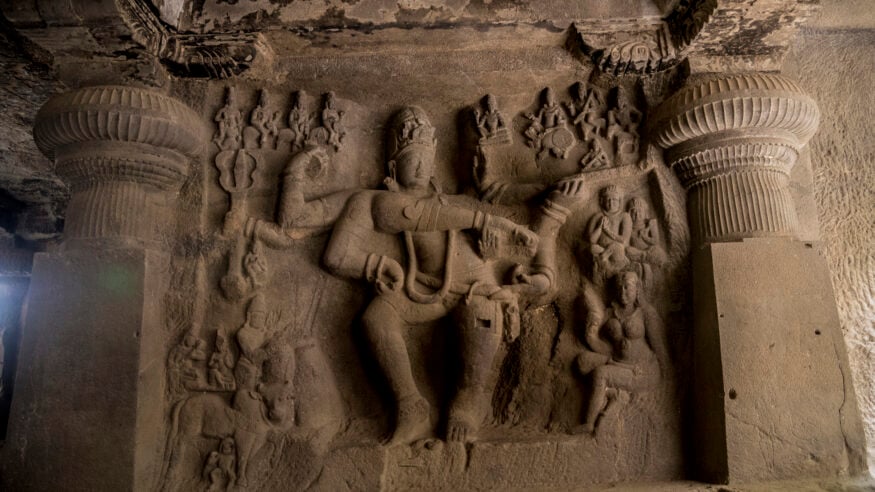
The lived experience of this pluralism is palpable in India’s sacred geographies: a temple town where different mantras mingle at dawn, a neighborhood where a mandir, a gurdwara, and a vihara stand within walking distance, and families that honor varied festivals without conflict. Many discover that the permission to choose an ishtaand to respect the choices of othersreduces anxiety, deepens commitment, and fosters interfaith harmony in everyday life.
Philosophically, Hinduism accommodates robust debateAdvaita Vedanta, Visistadvaita, and Dvaita articulate distinct metaphysical views, yet remain in dialogue within the wider dharmic discourse. This plural framework sustains inquiry without fragmentation: difference becomes a stimulus for learning, not a catalyst for division. The result is a culture that cultivates both spiritual insight and social responsibility.
The ethical outcomes are practical and measurable. Acceptance encourages empathy, reduces sectarian friction, and strengthens community cohesion. By grounding identity in dharmaright conduct and shared dutiespluralism nurtures mutual respect, enabling diverse communities to collaborate in education, service, and cultural preservation while retaining distinct practices.
Such pluralism is not relativism; it is disciplined openness. Swami Vivekananda’s call for “acceptance, not mere tolerance” emphasizes that different paths can be true and effective for different seekers. This outlook avoids imposing a singular route to salvation and instead invites rigorous practice, honest self-examination, and respectful dialogue across traditions, consistent with India’s long heritage of interfaith engagement.
For those seeking practical beginnings, several steps are well attested: select an ishta-devata in consultation with a trusted guide; adopt a simple daily sadhana of japa, study, and service; visit sacred spaces across dharmic traditions to deepen understanding; and participate in seva that uplifts the wider community. These actions translate philosophical pluralism into daily discipline and shared civic good.
In sum, Hinduism’s inclusiveness demonstrates a proven way to make human life more colorful and happy: it honors individual temperament, fosters unity without uniformity, and strengthens bonds across Hinduism, Buddhism, Jainism, and Sikhism. By embracing diversity as a spiritual principle and a social practice, communities can sustain inner peace, cultural continuity, and interfaith harmony in a rapidly changing world.
Inspired by this post on Hindu Blog.