
-
Beyond Rivalry: Why a True Vaidika Honors Tantra and a True Tantrika Reveres the Vedas

Vedas and Tantra are not adversaries but complementary avenues to the same truth, a reality long recognized across authentic lineages. This article traces their historical interdependence through the Agamas, Pancharatra, temple praxis, and Vedantic metaphysics to clarify why both are indispensable. It explains how mantra, yantra, mudra, nyasa, and Kundalini sadhana can integrate seamlessly with…
-
Hinduism’s ‘330 Million Gods’ Demystified: Unity, Ishta, and the Logic of Many Paths

Why Hindus follow many gods is not a contradiction but a cornerstone of Sanatan Dharma. This essay clarifies the famous “330 million gods” as a later linguistic and devotional interpretation of the Vedic 33 categories (koti) of deities, grounding the discussion in the Vedas, Upanishads, and the Bhagavad Gita. It explains Ishta-devata as a rigorous,…
-
Beyond 330 Million Gods: How Hinduism Unites Many Deities into One Supreme Reality

The familiar claim that Hinduism has 33 crores (330 million) gods is a popular misreading; classical sources enumerate thirty-three devas—eight Vasus, eleven Rudras, twelve Adityas, plus Indra and Prajapati. By clarifying the Sanskrit term koṭi (class/category vs. crore), the article shows how Vedic and Upanishadic texts integrate divine plurality within a single metaphysical reality. It…
-
Shivling Beyond Form: Debunking Phallic Myths with Scriptural and Iconographic Evidence

The Shivling is widely mischaracterized as a purely phallic symbol, yet Sanskrit philology, Purāṇic and Āgamic theology, Shilpa Shastra geometry, and the archaeological record point to a more expansive meaning: liṅga as a sign, axis, and cosmogram of the formless. This analysis explains how Lingodbhava and Jyotirliṅga narratives foreground an infinite column of light rather…
-
When Power Bows to Wisdom: Kanha and Bahudi Yogini’s Yogic Duel Beyond Siddhis
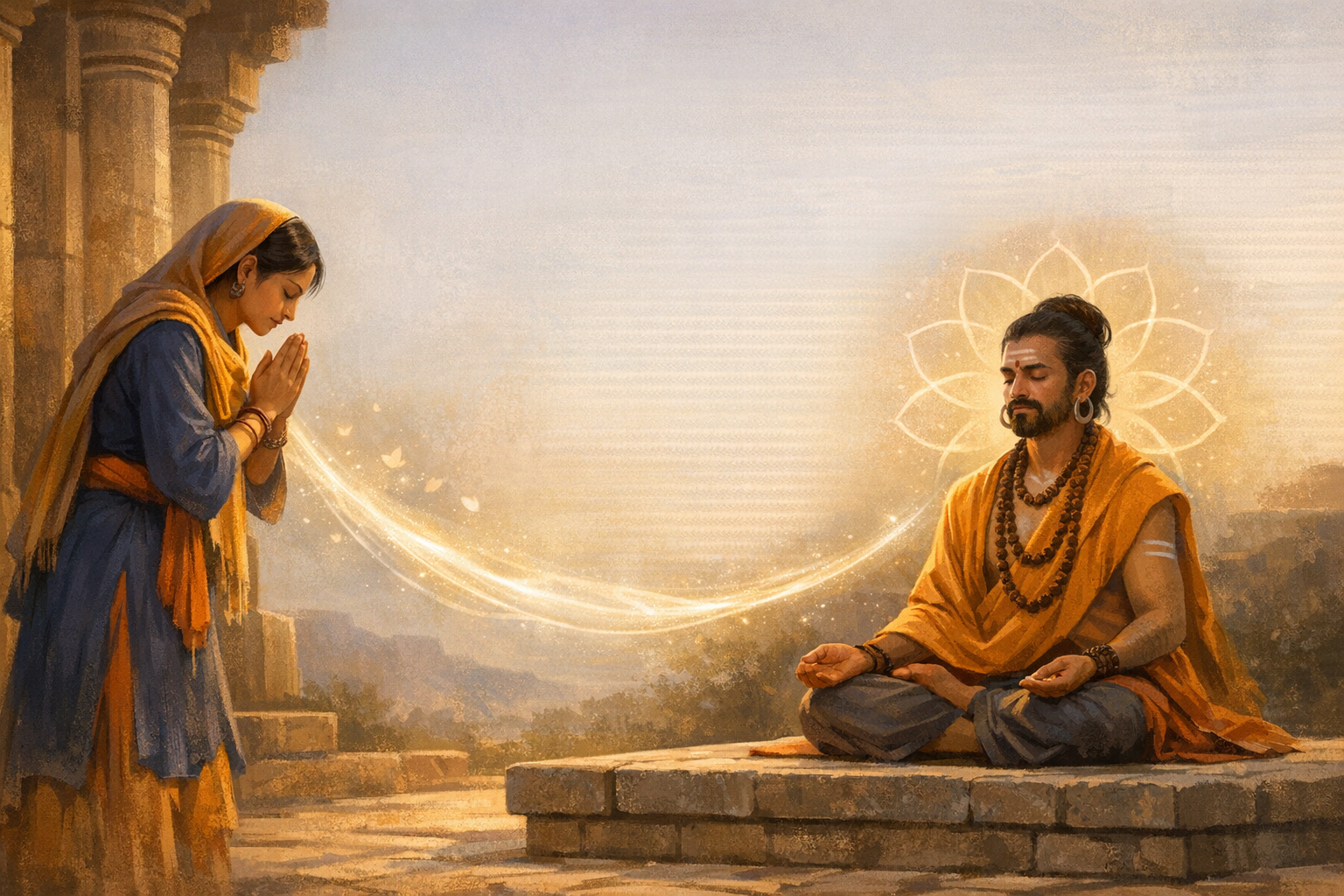
The Kanha and Bahudi Yogini episode, preserved in the Mahanubhava tradition’s Lilacharitra and resonant with the Nath sampradaya, poses a classic dharmic lesson: siddhis may impress, but wisdom liberates. Presented with historical context from medieval India and anchored in Yoga philosophy, it maps the path from ethical foundations (yama–niyama) through meditative absorption (samadhi), showing why…
-
Vishwakarma Across India: How Bengal’s Striking Icons and Rituals Recast the Divine Architect
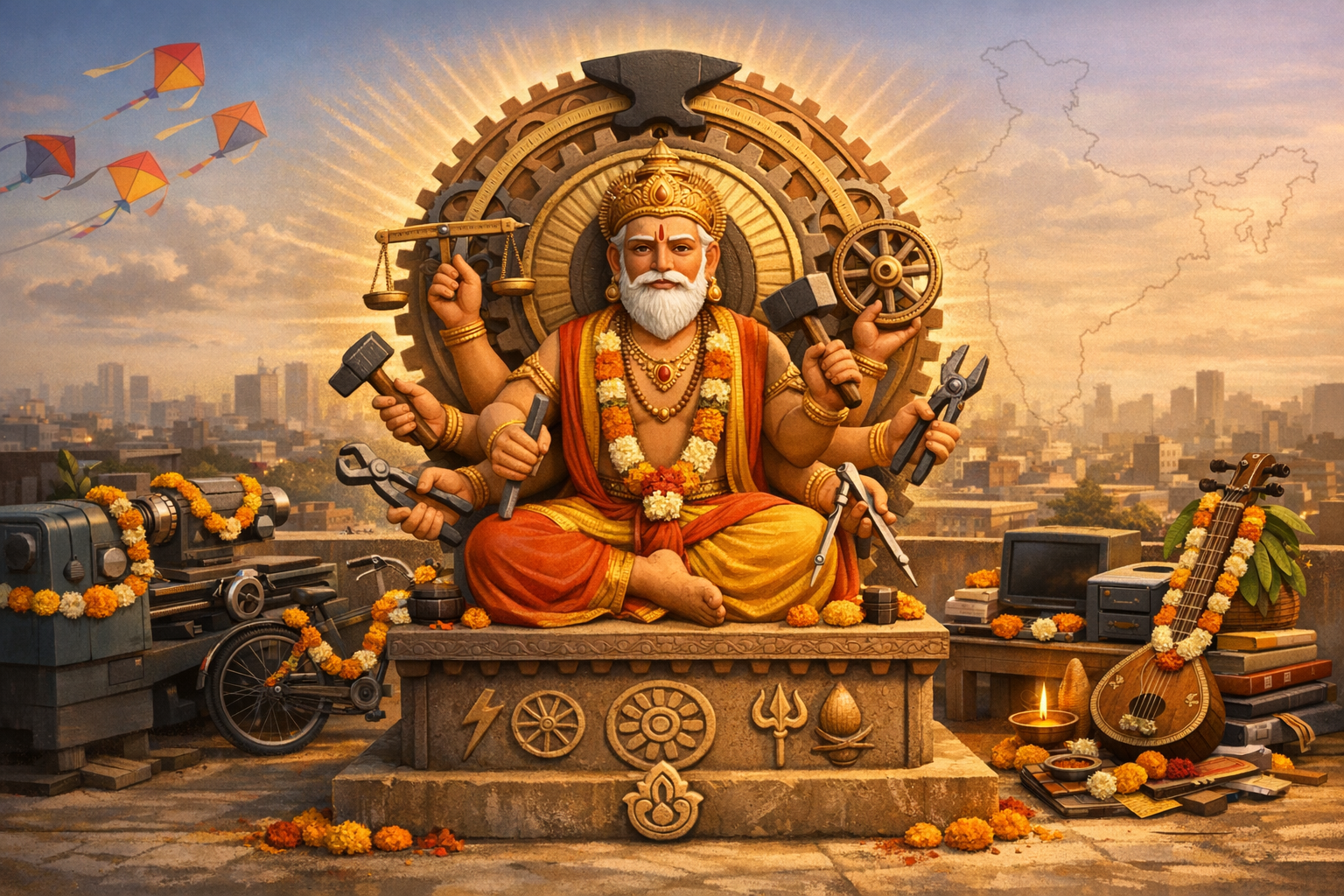
Vishwakarma, the divine architect, is honored across India through rich regional traditions that share a common theological core yet vary in iconography, ritual calendar, and social meaning. Bengal’s Biswakarma Puja, marked on Kanyā Saṅkrānti, relocates devotion to rooftops and workshops, pairing vivid clay icons with explicit tool worship and communal kite-flying. North and West India…
-
Beyond ‘God of War’: Murugan’s origins, Vel symbolism, and Thaipusam’s transformative devotion

Murugan, revered across Hindu, Buddhist, Jain, and Sikh milieus as a symbol of disciplined compassion, emerges in Tamil sources as the mountain-born “Beautiful One” whose power is guided by wisdom. Classical narratives from the Tolkappiyam and Puranic traditions explain his sixfold awareness, the gift of the Vel, and the transformation of Surapadman from pride into…
-
Why Questioning Is Sacred in Hinduism: A Deep Dive into Dharmic Philosophy and Pluralism

This article examines why questioning is sacred in Hinduism and the wider dharmic traditions, showing how inquiry anchors both philosophy and spiritual practice. It explains how the Upanishads, the Bhagavad Gita, and the classical darshanas institutionalize rigorous debate, evidence, and contemplative verification. Readers learn practical tools from pramana theory to navigate misinformation, and from disciplines…
-
Unveiling the Fourteen Lokas: A Deep, Clarity-Driven Journey through Hindu Consciousness
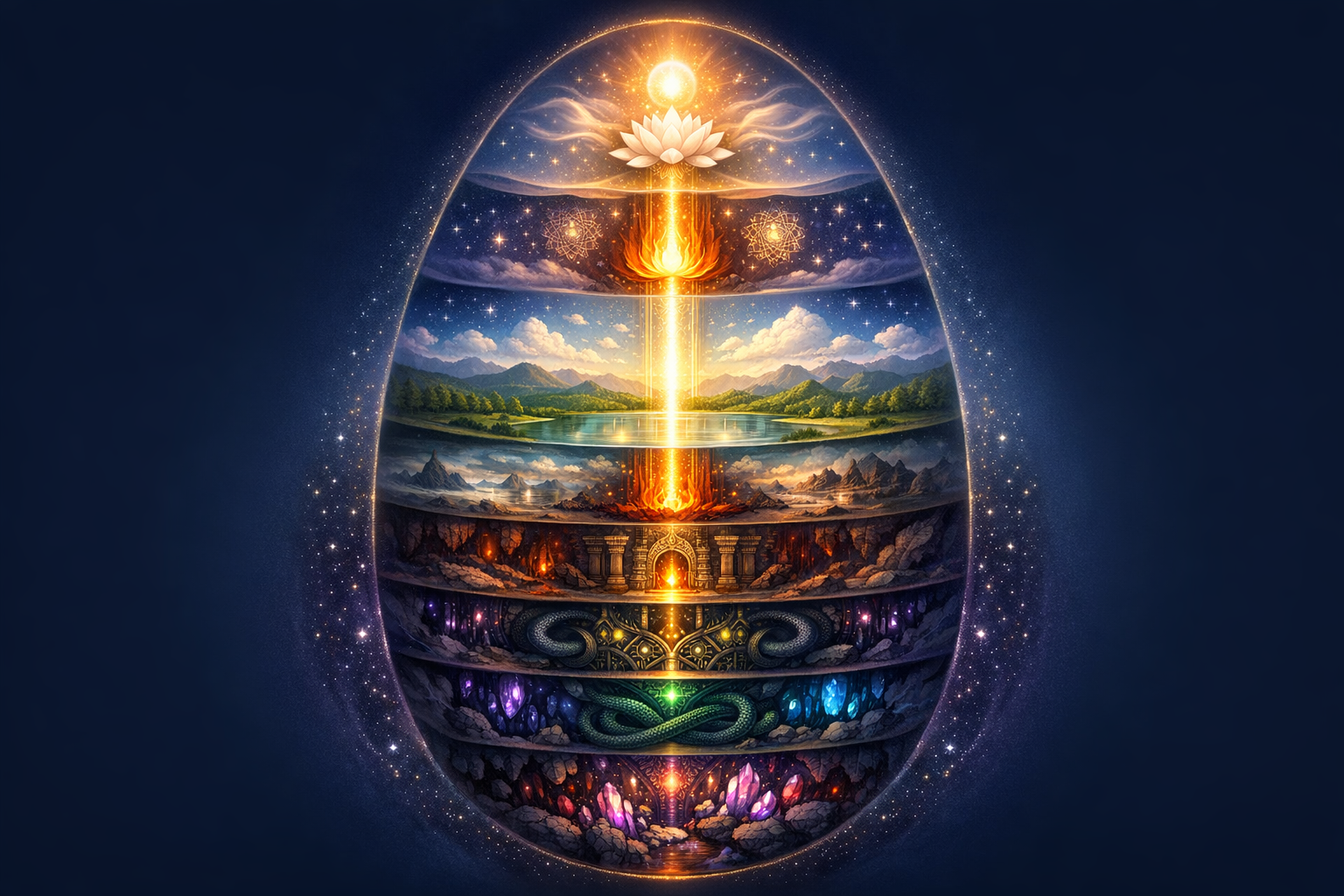
This long-form, research-driven exploration clarifies the fourteen lokas (seven Urdhva and seven Adho) in Hindu cosmology as both cosmic regions and states of consciousness. Drawing on Hindu scriptures and Vedic philosophy, it explains each loka’s pedagogical role, distinguishes Adho lokas from Naraka, and shows how the “cosmic ladder” aligns with yogic practice. The piece emphasizes…
-
Krishna as Purna Purusha: Revealing the Feminine Divine That Completes the Supreme Being
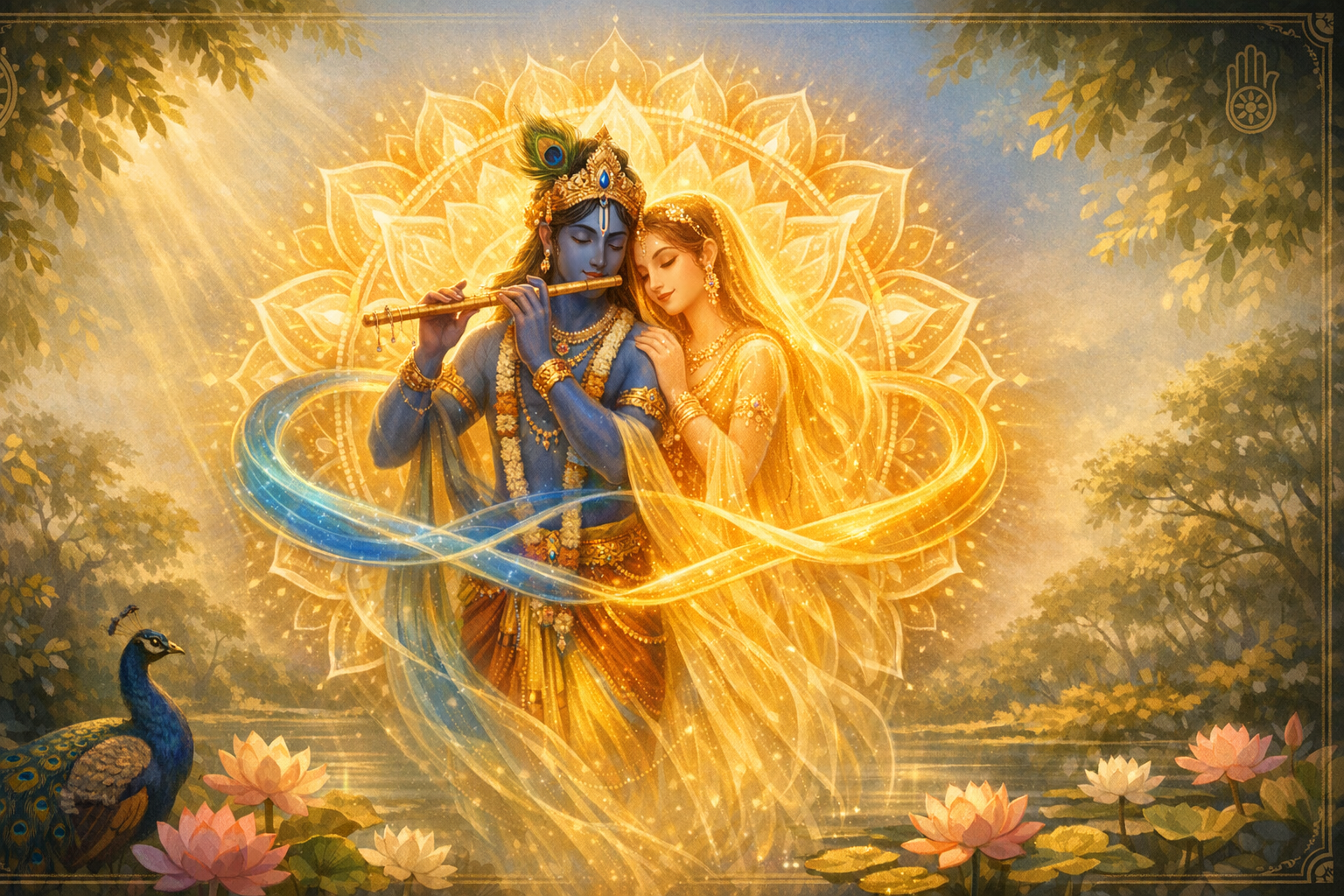
This long-form exploration presents Sri Krishna as Purna Purusha—the Complete Being—who integrates both masculine and feminine dimensions without contradiction. Drawing on the Bhagavad Gita, the Bhagavata Purana, and Vaishnava theology, it explains how Radha as Hladini Shakti reveals the feminine divine at the very heart of Krishna’s identity. The article situates Mohini within Vaishnava-Puranic tradition,…
-
Shattering the Myth: Why Valmiki’s Ramayana Has No Maya Sita—Evidence and Dharma
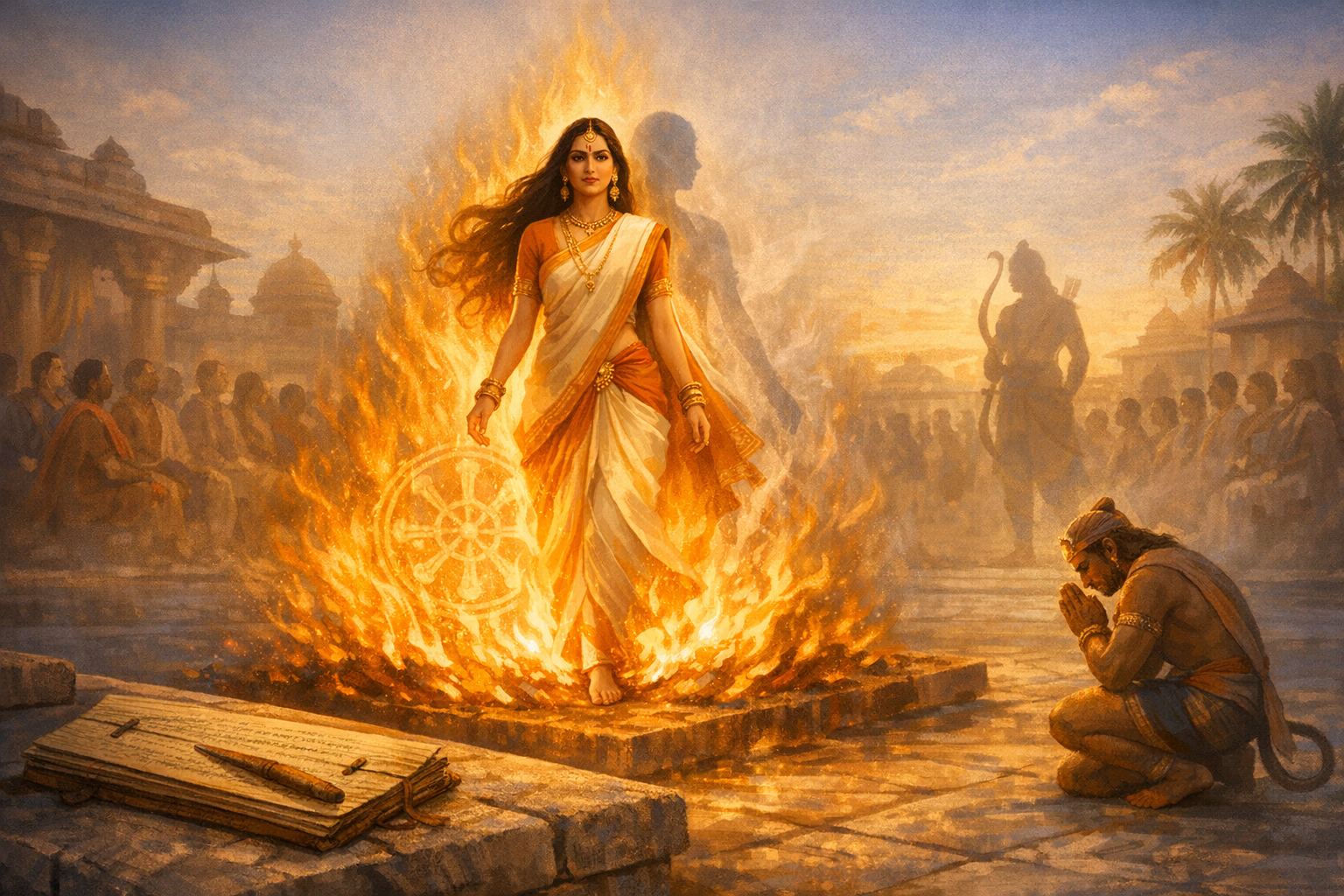
The Maya Sita motif—an illusory duplicate of Sita—does not appear in Valmiki’s Ramayana. Textual criticism across northern and southern manuscript families confirms its absence, especially in the Yuddha Kanda where Sita’s Agni-praveśa serves as public vindication. Later Puranic and bhakti-era tellings, such as the Adhyātma Rāmāyaṇa, introduce Maya Sita to offer a theologically protective reading…
-
Panchayatana Puja and the Five Elements: A Profound Path to Harmony and Unity

Panchayatana Puja unites devotion and philosophy by aligning multi-deity worship with the Panchabhutas—the five elements of nature. Through panchopachara offerings and a mandala arrangement, practitioners engage earth, water, fire, air, and space in a mindful, integrative ritual. This Smarta tradition, associated with Adi Sankara, honors an ishta-devata while equally revering other forms, modeling unity within…
-
Ucchista Ganapati Revisited: Beyond Stereotypes, the Inclusive Tantric Wisdom of Ganesha

Ucchista Ganapati, the eighth of Ganesha’s 32 forms, is often miscast as merely an “unclean” Tantric deity. Drawing on the ancient “Ucchista Ganapathi Puja Vidhanam,” this analysis clarifies that the practice is scripturally grounded, disciplined, and transformative. The term ucchista—“that which remains”—signals a theology of sanctifying remainders, not endorsing impurity. Framed by mantra, nyasa, and…
-
Bahuchara Mata: Fertility, Courage, and Inclusive Devotion at Gujarat’s Sacred Shrine

Bahuchara Mata is venerated as a goddess of fertility and an incarnation of Pārvatī, with her principal shrine at Bahucharaji (Becharaji) in Gujarat. Devotion is especially meaningful for issue-less couples and for the Hijra and transgender communities, who seek blessings for dignity, courage, and new beginnings. The goddess’s four-armed iconography and rooster vahana convey vigilant…
-
Discover the Essential Dharma of Diversity: Ishta and Pluralism for a Happier Life
Hinduism presents diversity as a disciplined, life-enhancing principle rather than a source of chaos. Through ishta-devata and multiple marga, seekers align practice with temperament while honoring other paths. The popular image of countless deities signals symbolic plurality; classical references to 33 koti clarify its philosophical depth. Allied dharmic traditions—Anekantavada in Jainism, Buddhist compassion, and Sikh…