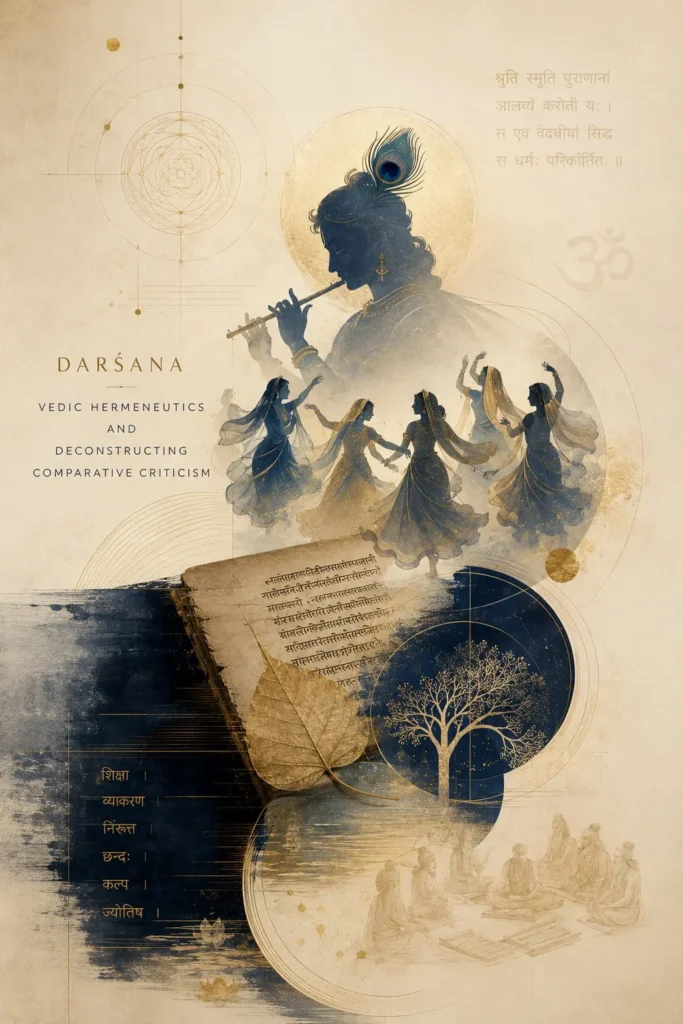
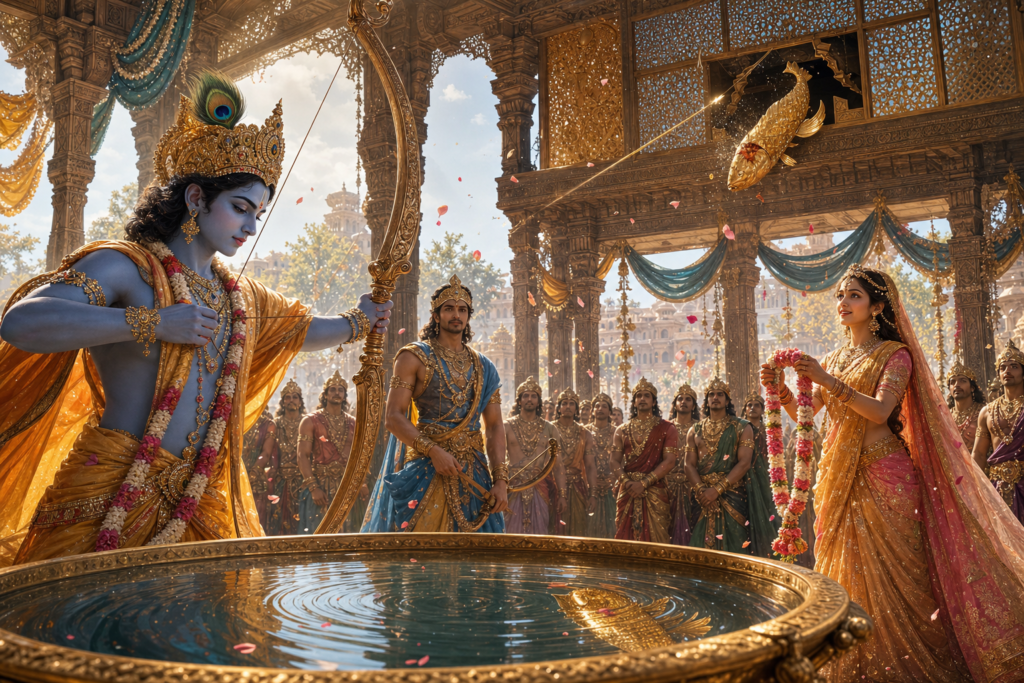
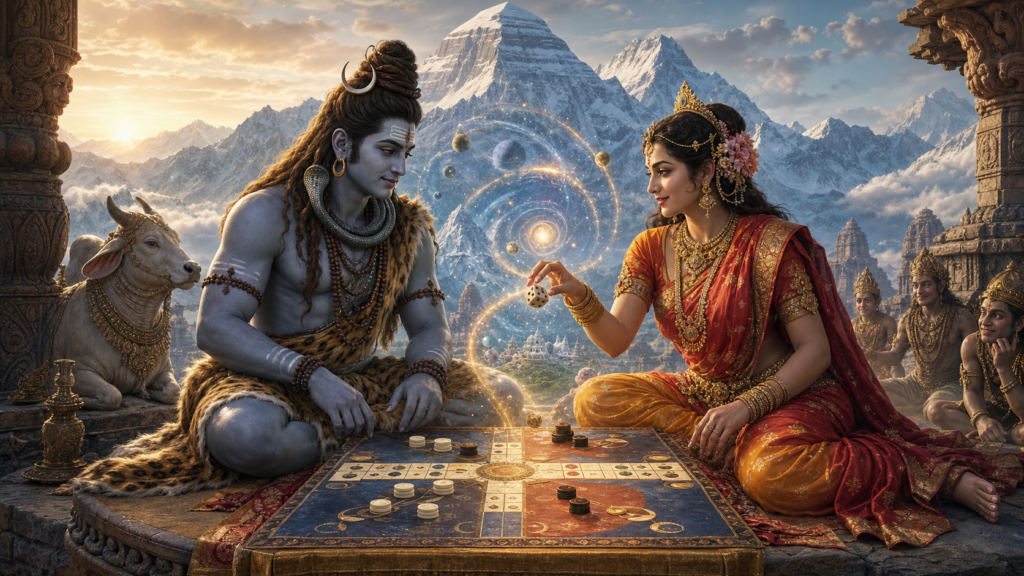
I still remember the first time an AI-generated image of a devata flashed across my phone. It was luminous and striking, but something felt offlike a beautiful melody played just a half-note out of tune. That moment prompted a question I hear more and more within our community: Can AI-generated images be used in worship?
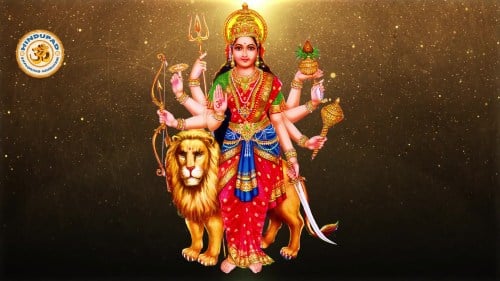
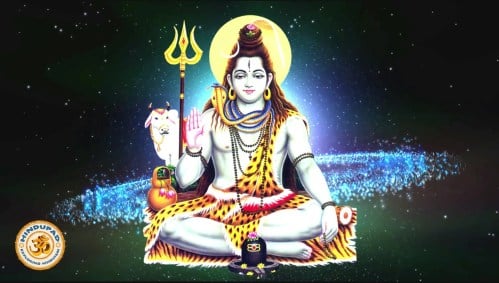
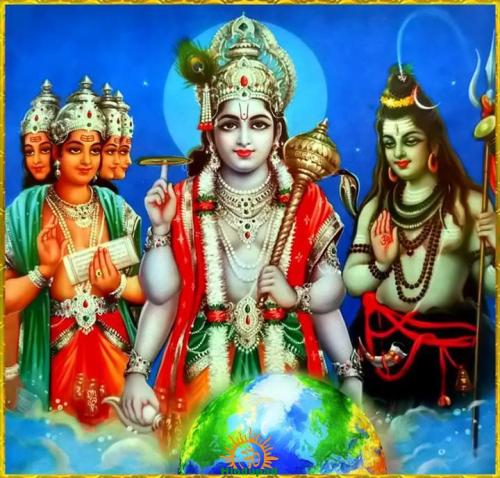
For me, the answer starts with what Hindu sacred imagery truly is. In Hindu Dharma, an image intended for veneration arises from the dhyāna mantra of the deitya meditative visualization transmitted through lineage and realized by a human artist. Only humans carry the devotional capacity to contemplate, internalize, and interpret that vision. Because AI cannot meditate or spiritually perceive, it cannot access the sacred grounding that gives a murti, painting, or icon its devotional authority.
That said, I acknowledge limited exceptions. In rare casessuch as with lesser-known or regional deities for whom traditional depictions are difficult to findan AI-generated image may be a last resort. If I ever considered this, I would ensure the prompt is based directly on the dhyāna mantra and then spend considerable time refining the image with someone trained in Hindu iconography to ensure iconographic accuracy.
Even then, I proceed with caution. While expert prompting can yield beautiful, error-free results, most AI outputs introduce distortions a traditional artist would never makeflattened expressions, stylistic bleed from non-Hindu sources, and a lack of nuance. I’ve often seen AI pull in elements from Tibetan Buddhist imagery and other traditions, not understanding where boundaries and meanings differ. As these images proliferate, they risk getting normalizedand worse, re-codified by future AI models as “correct.”
Some might ask: if my intent is sincere, doesn’t that make the image acceptable? From what I’ve learned and practiced, correctness carries its own intrinsic value alongside devotion. Hindu sacred images aren’t arbitrary products of imagination; they’re rooted in genuine spiritual perception, going back to rishis who saw and transmitted these forms.
From the Vāstusūtra Upaniṣad: “It is in the mind of rishis, who see and have the power of discerning the essence of all created things of manifested forms […] They see the different characters, the devas and the asuras, the creative and destructive forces, in their eternal interplay. It is this vision of the rishis, of the gigantic drama of cosmic powers in eternal dynamism, from which the image-makers drew the subject-matter for their work.”
Because of this lineage, when I select an icon for veneration, I try to choose one carved, painted, or drawn by a skilled craftsman who knows the traditional forms. In Bhakti Yoga, sincere intent is essentialbut so is observing the methods and procedures handed down to us. Only upon attaining the rare state of Parābhakti do these forms fall away naturally; until then, skipping steps can be counterproductive.
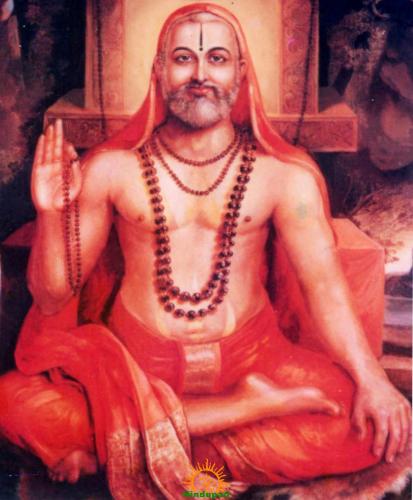
Of course, Hindu imagery has evolved through centuriesGupta elegance, Chola bronzes, regional styles, and Mughal influences that introduced stitched blouses and altered aesthetics. The 19th century brought a dramatic shift with Raja Ravi Varma’s naturalism, which, amid colonial-era tastes, spread lighter skin tones through widely printed posters and calendarsan unintended colorism we still contend with. In the digital age, images circulate globally within seconds, and anyone can modify sacred artsometimes thoughtfully, sometimes carelesslyblurring the line between devotional iconography and pop culture.
AI takes this evolution into unfamiliar territory. Algorithms trained on imperfect datasets can output images that look “Hindu” yet subtly distort tradition, and the speed of replication allows inaccuracies to spread as quickly as correct depictions. Over time, these distortions risk reshaping cultural memory in ways fundamentally different from the human-led interplay of aesthetics, sadhana, and lived tradition that guided earlier evolutions.
What about a practical question I get often: is it fine to use an AI-generated image as a phone wallpaper, not for puja? In my view, yesif it’s purely decorative, that’s generally acceptable. Still, I keep in mind the same caution about iconographic accuracy. When inaccurate images become commonplace, models learn from them and amplify the mistakes, recursively treating errors as norms. That’s how cultural misremembering begins in the digital age.
Here’s how I hold this in practice: First, AI images are not inherently sacred, because they lack meditative grounding. Second, limited exceptions may exist for rare deities, but only with deep respect and rigorous, mantra-based accuracy. Third, the cultural risks are realAI can amplify errors at scale. Fourth, intent matters, but so does following traditional forms for veneration. Finally, AI is not just another historical phase; its feedback loops can overwrite tradition rather than evolve from it.
As a practitioner and a lover of Hindu art, I embrace technology where it serves dharma and remain vigilant where it doesn’t. If I turn to AI at all, I do so humbly, guided by dhyāna mantra, rishis’ insights, and the guardians of our iconographic wisdomso the images that shape my devotion also honor our tradition.
Inspired by this post on Hindu American Foundation.