
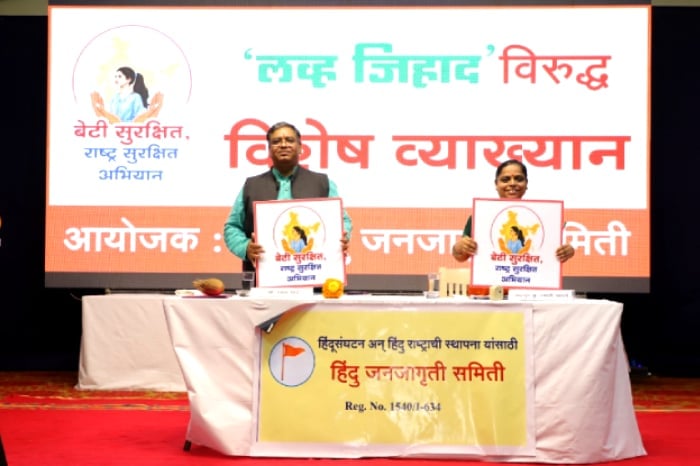
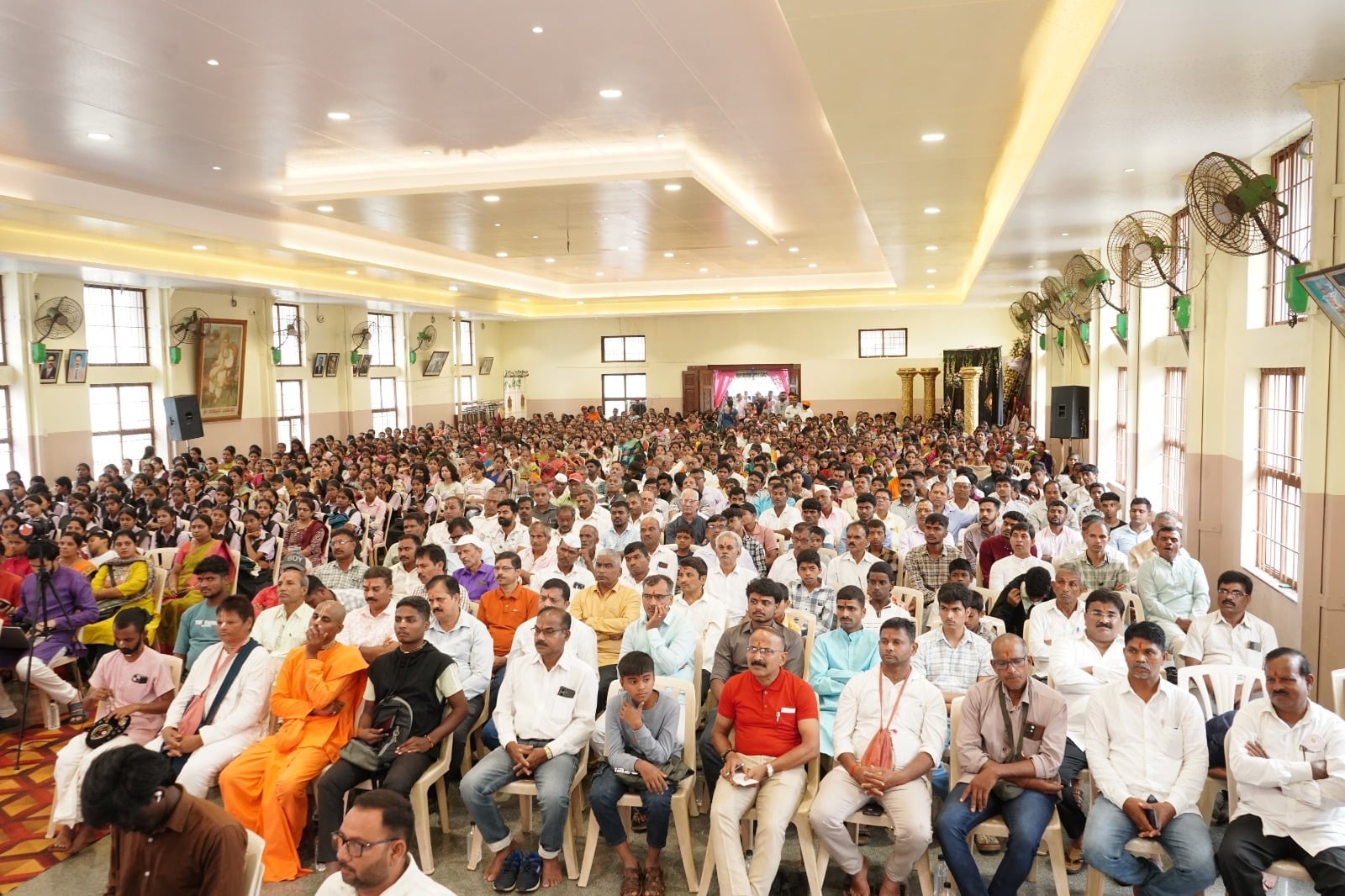
A large public gathering in Belagavi brought together more than 1,600 citizens for a focused discussion on cultural awareness, social responsibility, and the protection of young women. The meeting was addressed by Sadguru Swati Khadye and Shri. Ramesh Shinde, who spoke about concerns commonly described in public discourse as “love jihad” and connected those concerns with the broader initiative ‘Beti Surakshit, Rashtra Surakshit’.
The central message of the gathering was that social anxieties surrounding relationships, conversion, coercion, deception, and family breakdown cannot be addressed through fear or hostility. They require informed communities, legally aware families, emotionally supported youth, and a disciplined commitment to dharma, dignity, and constitutional order. In this sense, the Belagavi event reflected a larger concern within Hindu society: how to preserve cultural continuity while responding responsibly to modern social pressures.
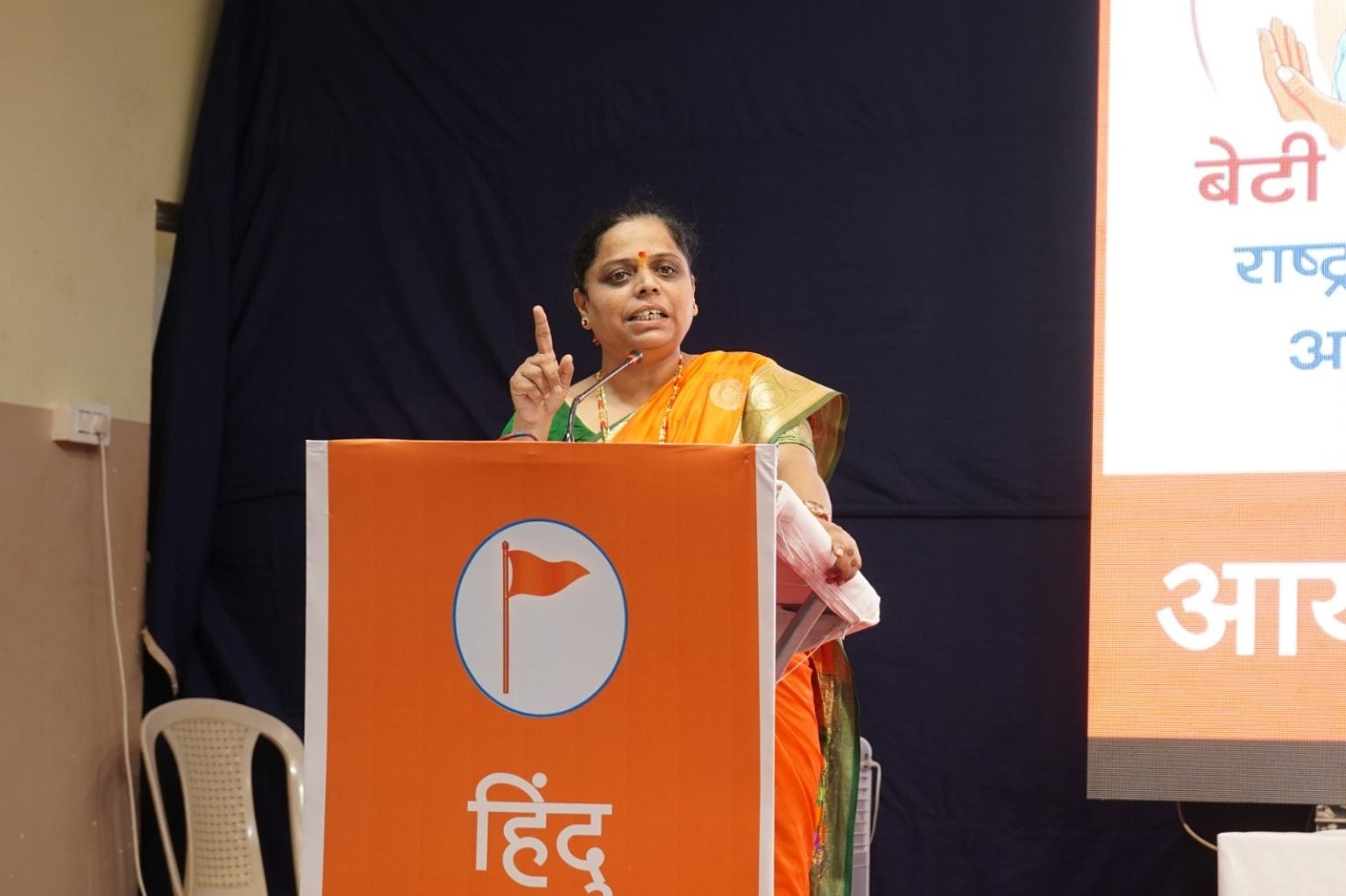
Sadguru Swati Khadye’s presence gave the programme a spiritual and cultural frame. In dharmic thought, the safety of women is not merely a social slogan; it is tied to the moral health of the family, the community, and the nation. The phrase ‘Beti Surakshit, Rashtra Surakshit’ captures this civilisational intuition: when daughters are secure, educated, confident, and culturally rooted, society itself becomes stronger and more resilient.
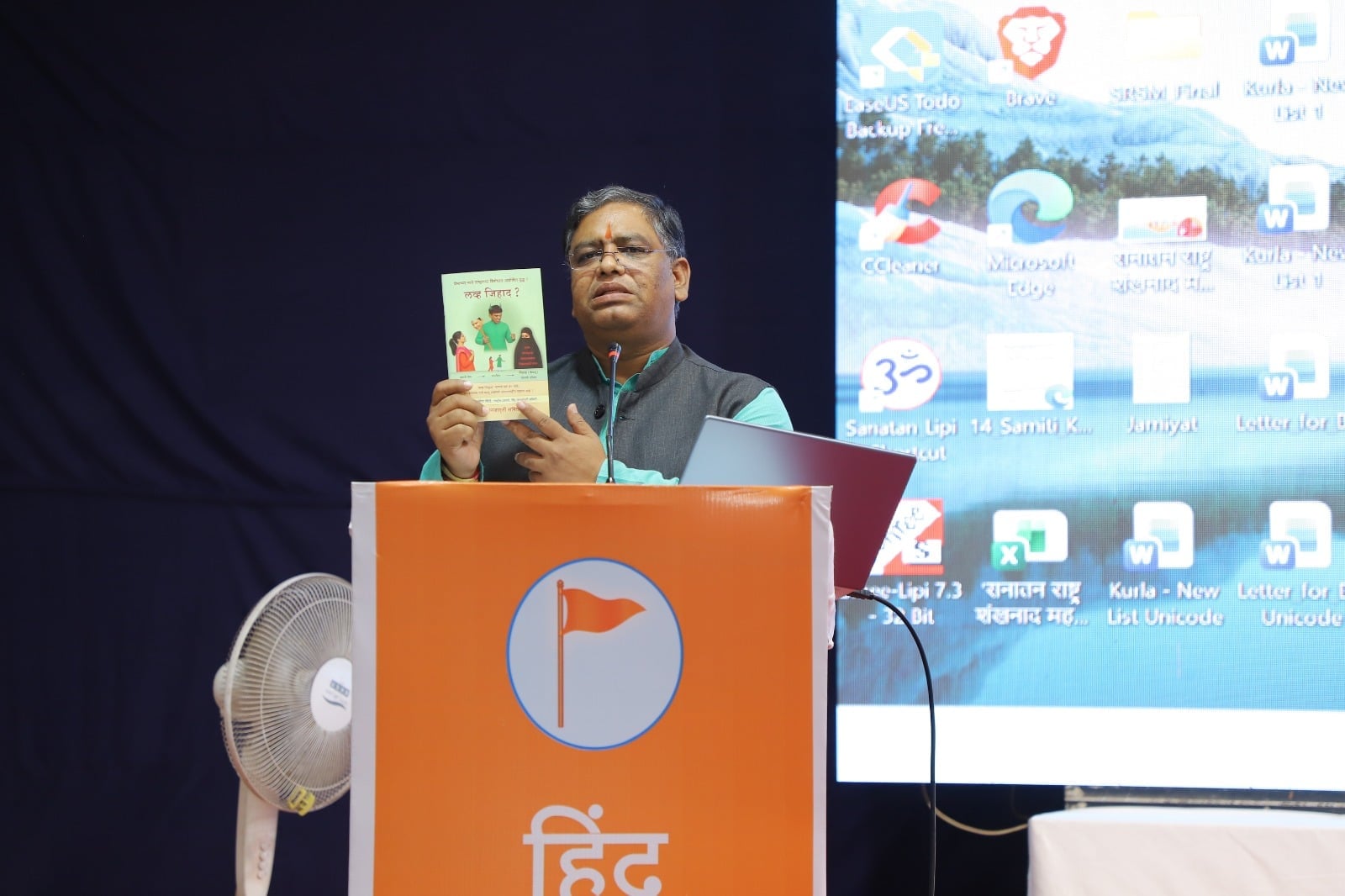
Shri. Ramesh Shinde’s address placed emphasis on awareness and community participation. The issue was presented not simply as a matter of individual choice, but as one that requires careful attention to patterns of manipulation, social isolation, emotional vulnerability, and lack of legal knowledge. Such concerns are especially relevant in an age where digital communication, social media, and private messaging can shape relationships long before families or communities become aware of potential risks.
An academic and factual reading of such a gathering must distinguish between legitimate concern and irresponsible generalisation. Interfaith relationships, as a category, cannot be reduced to suspicion; many are based on mutual respect and lawful consent. At the same time, any relationship involving deception, coercion, grooming, pressure to abandon one’s faith, or exploitation of vulnerability deserves serious social and legal attention. The responsible position is to defend freedom, consent, and dignity while resisting manipulation in all forms.
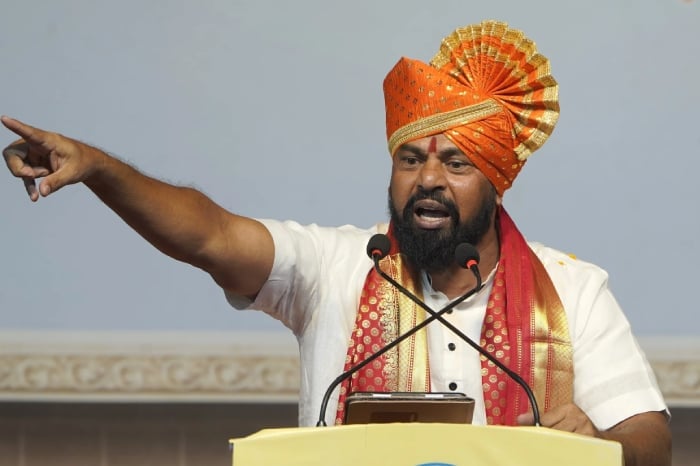
This distinction is important because dharmic traditions have historically valued debate, pluralism, and respect for sincere spiritual paths. Hinduism, Buddhism, Jainism, and Sikhism share a civilisational concern for self-discipline, compassion, truthfulness, and protection of the vulnerable. A community response rooted in these values must therefore avoid hatred and instead focus on education, counselling, lawful remedies, and the strengthening of families.
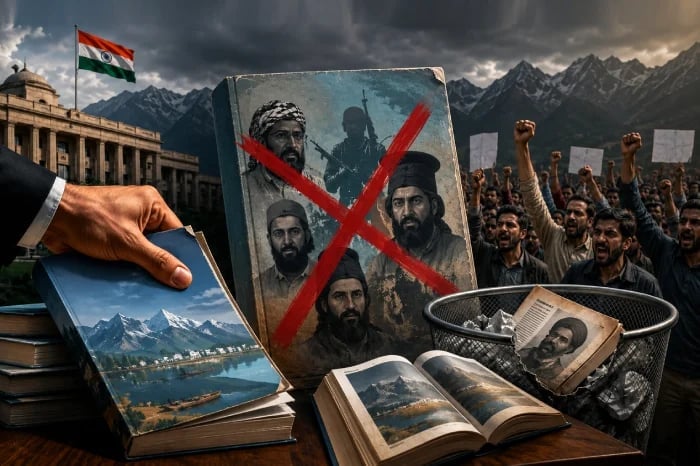
The Belagavi meeting also underlined the importance of cultural literacy. Young people who understand their heritage, festivals, scriptures, family traditions, and ethical responsibilities are less likely to feel culturally uprooted. Cultural awareness does not mean isolation from others; it means possessing enough inner clarity to engage with the world without losing one’s identity. This is especially relevant for Hindu youth navigating education, employment, urban migration, and digital social networks.
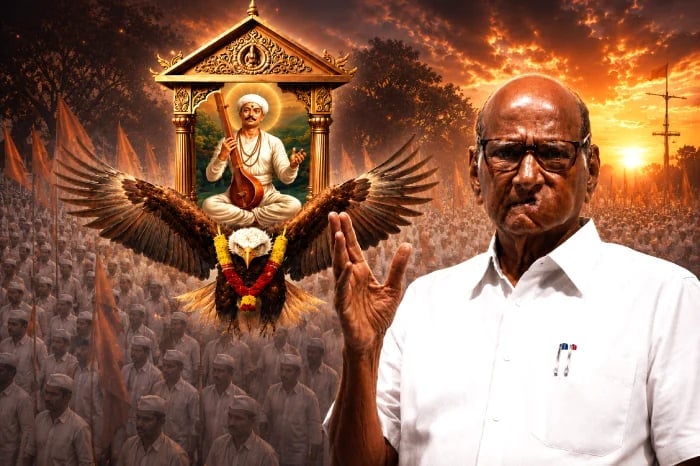
Community engagement was another major theme. A society that speaks about women’s safety must build practical systems of support: accessible counselling, trusted elders, legal awareness sessions, youth education, and spaces where young women can discuss concerns without shame or fear. Protection cannot be reduced to surveillance. It must include confidence-building, emotional literacy, self-respect, and the ability to identify coercive behaviour early.

The emphasis on young women’s protection also points toward a broader need for family communication. Many social crises intensify when children and parents stop speaking honestly with one another. A dharmic family culture must be affectionate as well as principled. Young women should feel that their families are not merely authority structures, but sources of trust, guidance, and unconditional support during confusion, pressure, or distress.
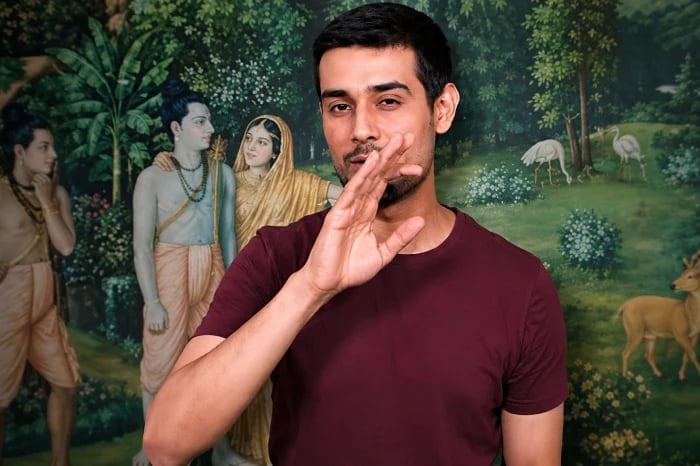
Legal awareness is equally essential. Any allegation involving deception, forced conversion, blackmail, intimidation, trafficking, abuse, or coercion belongs within the framework of law and evidence. Public mobilisation can create awareness, but justice must depend on due process. This protects victims, prevents false accusations, and ensures that community concern remains aligned with constitutional values.
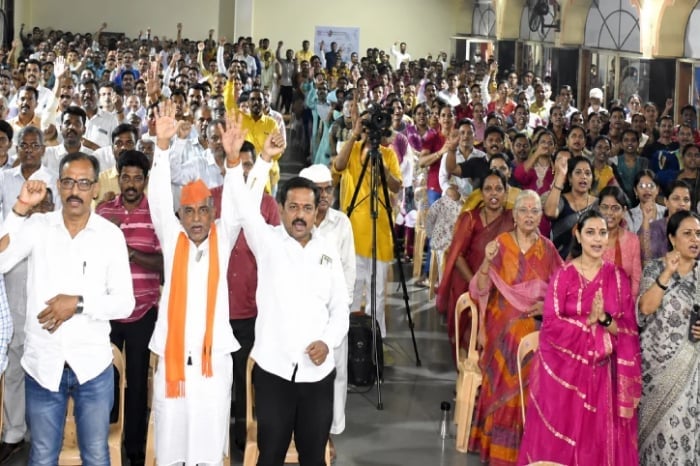
The gathering in Belagavi therefore should be understood as more than a protest against a single phrase. It represented a call for Hindu society to become more alert, organised, and compassionate. The presence of more than 1,600 citizens demonstrated that these concerns resonate widely, particularly when framed around daughters, family stability, and national well-being.
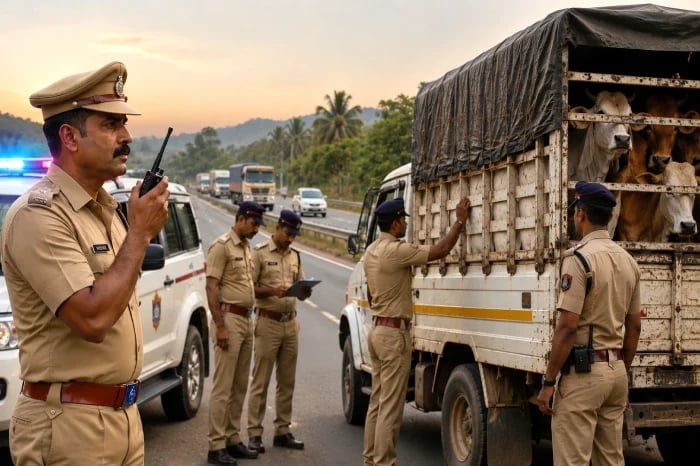
At its best, the message of ‘Beti Surakshit, Rashtra Surakshit’ is constructive. It calls for women’s safety without denying women’s agency. It calls for cultural rootedness without contempt for others. It calls for social vigilance without abandoning fairness. Such balance is vital if community advocacy is to remain ethical, persuasive, and consistent with dharmic values.

The Belagavi event also reveals the emotional weight carried by many families. Behind public speeches and slogans are parents worried about their children, youth struggling with identity, and communities trying to respond to rapid cultural change. These emotions deserve acknowledgement, but they must be channelled into constructive institutions rather than reactive anger.
For Hindu organisations and community leaders, the practical path ahead lies in sustained education. Workshops on digital safety, consent, legal rights, mental health, cultural history, and healthy relationships can do more long-term good than one-time mobilisation alone. A young person who understands both personal freedom and personal responsibility is better prepared to make wise choices.
The wider dharmic objective is unity, not fragmentation. Hindu society becomes stronger when it protects its daughters, educates its sons, honours its mothers, respects lawful diversity, and stands firmly against exploitation. The same ethical lens can also build solidarity with Buddhists, Jains, Sikhs, and all communities that value dignity, family responsibility, and spiritual freedom.
In this light, the Belagavi gathering stands as a significant community event. It showed that cultural advocacy can become meaningful when it moves beyond slogans into awareness, support, legal literacy, and moral clarity. The enduring lesson is that women’s safety and cultural preservation are not separate concerns; together, they form a foundation for a confident, compassionate, and dharmically rooted society.
Inspired by this post on Hindu Jagruti Samiti.









Leave a Reply
You must be logged in to post a comment.