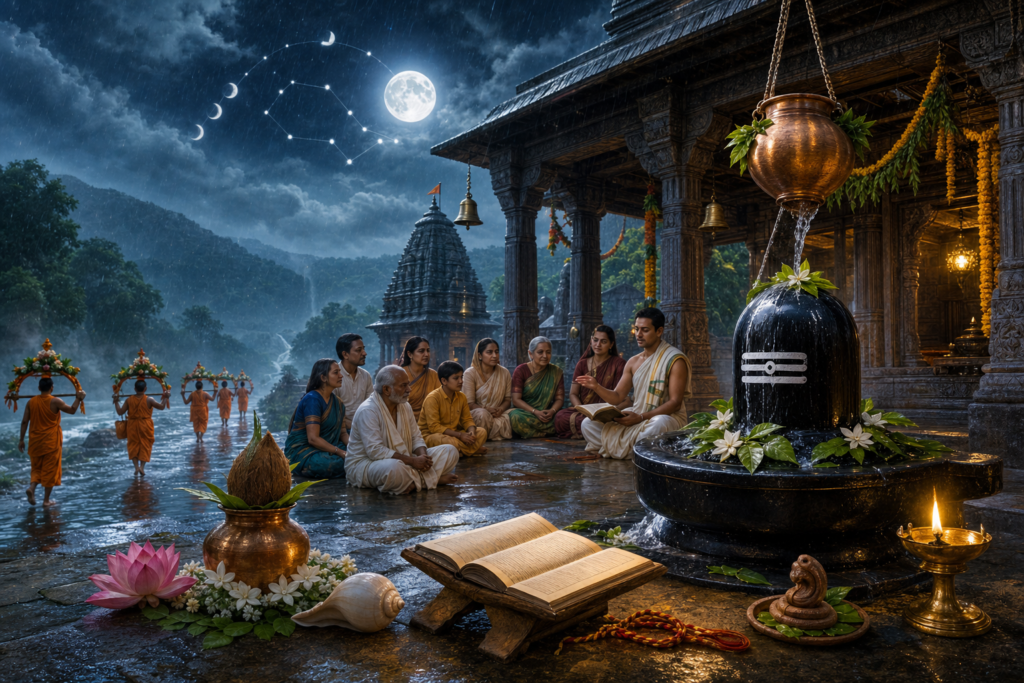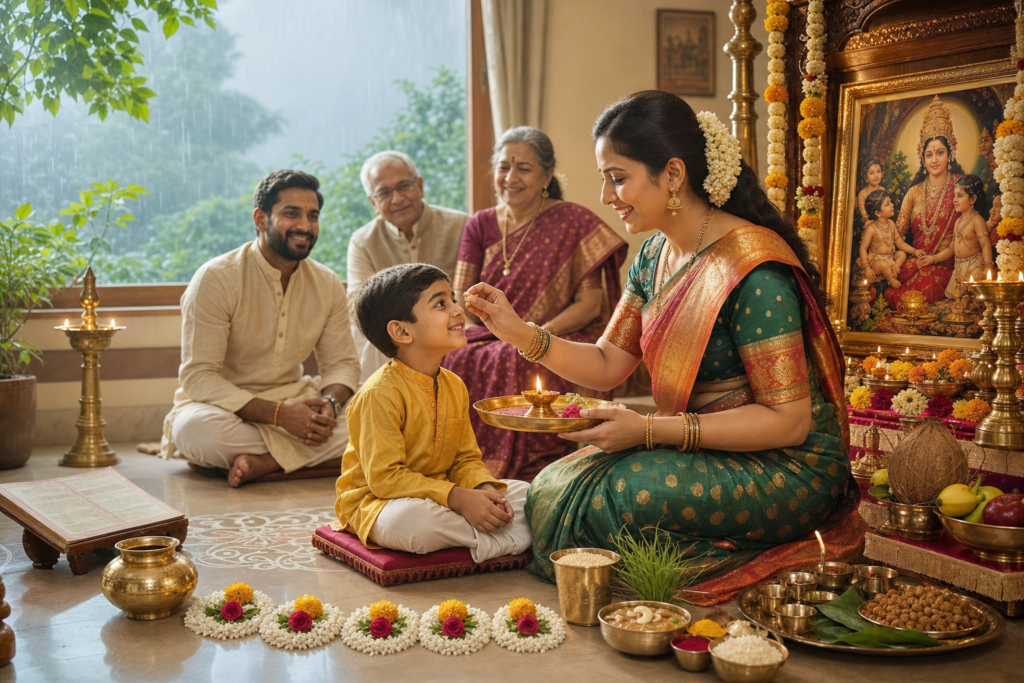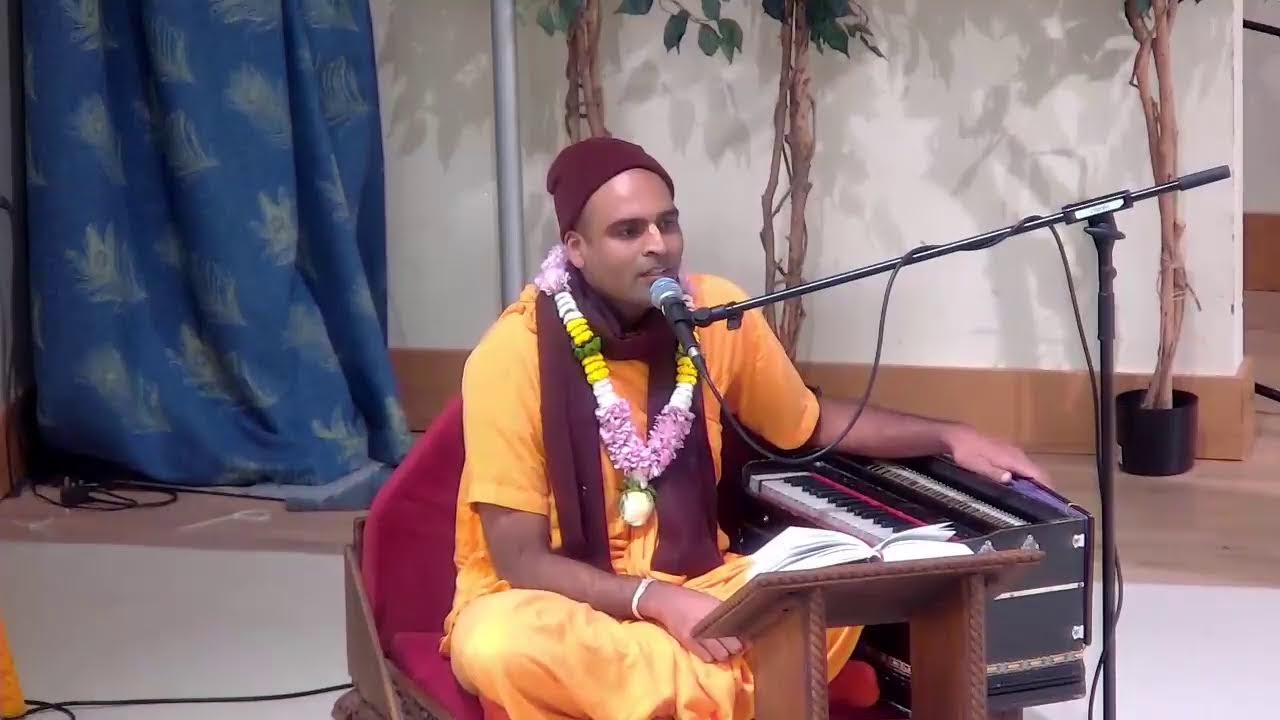
Bhaktivedanta Manor presents the Maha Morning Programme on 14 December 2025, a contemplative gathering designed to welcome the dawn with devotion, reflection, and community harmony. Rooted in the bhakti tradition and aligned with ISKCON’s ethos, the programme foregrounds sacred remembrance, collective song, and scriptural wisdom to cultivate clarity of heart and mind.
Within the Vaishnava heritage, Krishna is revered as the lover of Radha, the beloved of the cowherd maidens of Vraja, the lifter of the hill Govardhana, the cherished son of mother Yasoda, and the source of delight for the inhabitants of Vrajamoving through the sacred groves of Vrindavana. These devotional motifs inspire practitioners to contemplate divine love, protection, and joyous service, forming the theological core that animates the morning assembly.
As is customary in ISKCON morning gatherings, participants may experience congregational kirtan, focused japa meditation on the Hare Krishna maha-mantra, and scriptural reflections drawn from the Bhagavad-Gita and the Srimad-Bhagavatam. The programme’s rhythm encourages a steady, attentive mind, inviting a measured pace of breathing and a receptive posture for spiritual insight.
Emphasizing shared values across Hinduism, Buddhism, Jainism, and Sikhismcompassion, self-discipline, truthfulness, and sevathe Maha Morning Programme affirms unity in spiritual diversity. Its inclusive, dharmic ethos welcomes sincere seekers while upholding reverence for varied paths that converge on inner transformation and ethical living.
Attendees frequently describe renewed calm at daybreak, deeper attunement to sacred remembrance, and a sense of bondedness that transcends sectarian boundaries. Such experiences reflect how devotional song, contemplative silence, and wisdom teachings can collectively nurture resilience, gratitude, and purposeful action in daily life.
With the date confirmed as 14 December 2025 at Bhaktivedanta Manor, participants are invited to approach the occasion with a reflective mood, observe decorum appropriate to a temple setting, and honor the spirit of unity the gathering upholds. By uniting kirtan, meditation, and scriptural study, the Maha Morning Programme offers a considered avenue for spiritual growth and dharmic solidarity grounded in the living heritage of Krishna-bhakti.
Inspired by this post on Dandavats.