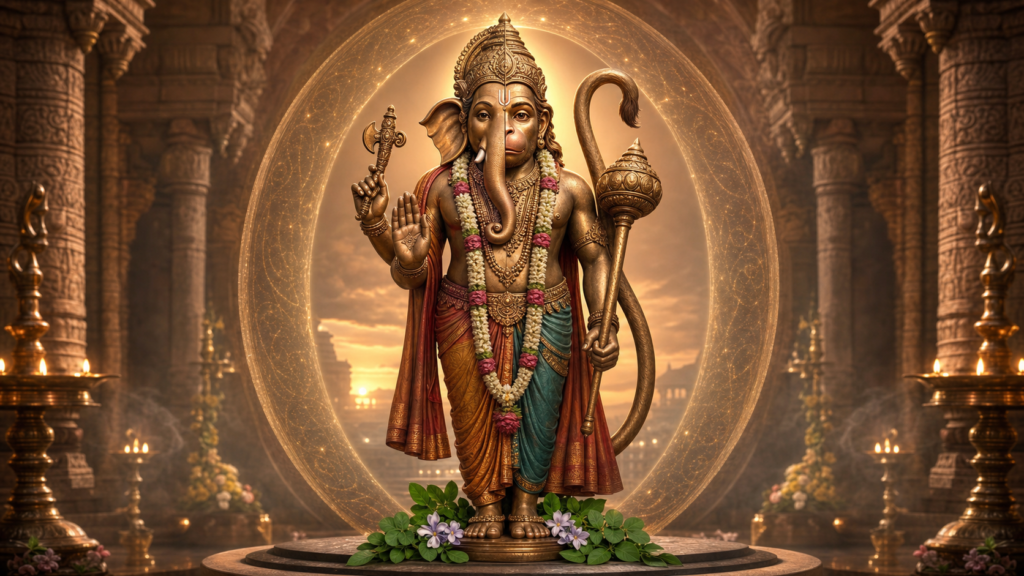
Thaipusam, the sacred observance dedicated to Lord Muruga, will be celebrated on February 1, 2026, aligning with Pournami and the Poosam (Poosam/Poosham) star in the Tamil month of Thai. Batu Caves in Kuala Lumpur, home to the iconic Murugan temple and the towering 42.7-metre statue of Lord Muruga, hosts one of the world’s largest Thai Pusam gatherings, drawing well over a million devotees and visitors each year.
The festival embodies vows, thanksgiving, and penance expressed through offerings such as Kavadi and paal kudam (milk pots). Devotees undertake the ascent of 272 steps to the cave temple, accompanied by rhythmic drums, nadaswaram, and resounding chants of “Vel! Vel!” The atmosphere is both rigorous and reverential, a living expression of bhakti that blends disciplined observance with communal care, seva, and annadanam.
Ritual sequences typically begin on the eve of Thaipusam with the silver chariot procession from the Sri Maha Mariamman Temple in Kuala Lumpur to Batu Caves. In the early hours of the festival day, devotees commence their vow-fulfilling journeys, carrying different forms of Kavadi, engaging in piercing as acts of austerity where undertaken, and offering milk to Lord Muruga. Observers note that first-time visitors often describe the experience as profoundly movingan encounter with devotion that is at once deeply personal and strikingly communal.
As a celebration rooted in the Skanda tradition, Thaipusam at Batu Caves stands at the intersection of cultural heritage and living practice. The limestone hills and the sanctum within them have long served as a pilgrimage centre for the Tamil diaspora, reinforcing linguistic, ritual, and artistic traditions across generations. Families speak of renewing vows together, while volunteers coordinate crowd guidance, medical assistance, and food distribution, underscoring the festival’s ethic of collective responsibility.
Grounded in Hindu philosophy yet reflecting values shared across dharmic traditionsdiscipline, compassion, non-harm, and serviceThaipusam offers an inclusive space for respectful participation. Buddhists, Jains, Sikhs, and people from many backgrounds often attend as witnesses to the festival’s spirit of unity in diversity. This convergence highlights a broader civilizational ethos: multiple paths, one aspiration toward inner refinement and communal harmony.
Practical considerations enhance a meaningful visit. Arriving before dawn helps navigate peak crowds and experience the ascent in the cool morning hours. Modest attire, mindful conduct, and adherence to temple guidance ensure a respectful presence within sacred space. Public transport services typically expand during the festival, and visitors are encouraged to remain hydrated, follow designated routes, and be attentive to safety instructions provided on-site.
For those seeking deeper understanding, key elements of the observance include the significance of Poosam in the lunar cycle, the symbolism of the Vel as Muruga’s wisdom and protection, and the Kavadi as a visible marker of vow, surrender, and gratitude. The fusion of soundscapes, colour, and embodied devotion transforms Batu Caves into a vivid, living mandalaan annual reminder that faith, when expressed through disciplined compassion, strengthens both inner resolve and social unity.
On February 1, 2026, Kuala Lumpur will again witness this remarkable tapestry of devotion at Batu Caves. Whether fulfilling a personal vow, exploring cultural traditions, or observing with reverence, participants encounter a powerful synthesis of heritage and hopean enduring testament to the shared values at the heart of dharmic life.
Inspired by this post on Hindu Pad.