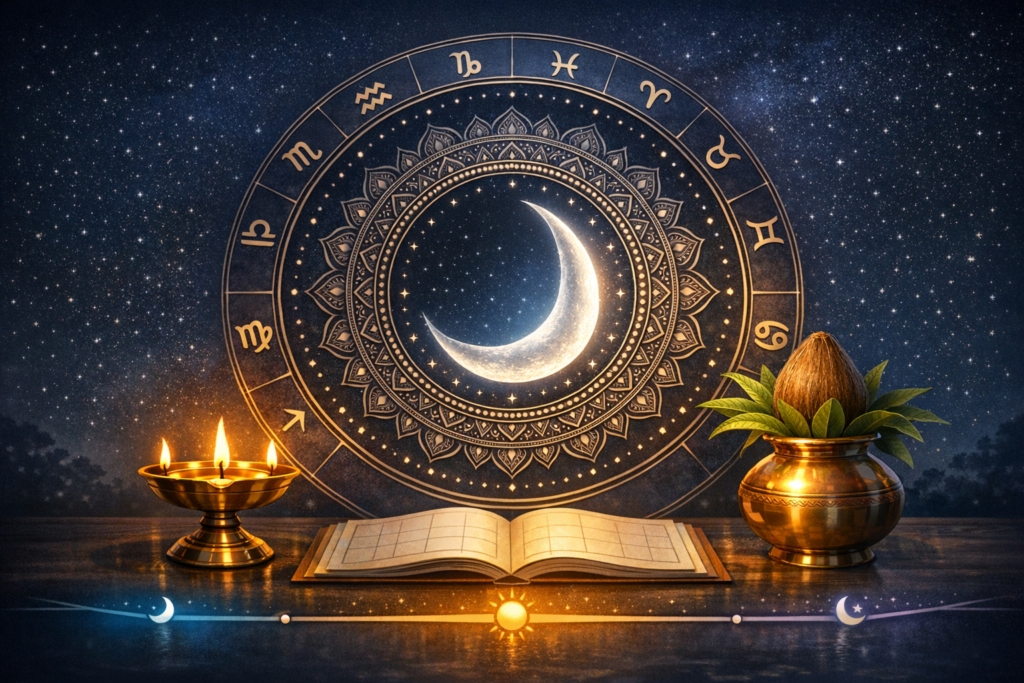
Posh Maas (also written as Poush or Paush) is the third month of the Gujarati Vikram Samvat calendar. For the 2025–2026 cycle, Posh begins on 21 December 2025 and concludes on 18 January 2026. This lunisolar reckoning aligns closely with regional Panchang traditions followed in parts of Karnataka, Maharashtra, Telangana, and Andhra Pradesh, while retaining distinct Gujarati nomenclature and observance patterns.
Across Gujarat, Posh Maas is experienced as a period of quiet discipline and steady devotion within the broader Hindu calendar. Many households note that select rites are traditionally deferred during this month, while contemplative practices—such as vrata, japa, dana, and seva—are encouraged. This reflective cadence resonates with a wider dharmic ethos shared by Hindu, Buddhist, Jain, and Sikh communities: simplicity, self-restraint, generosity, and service as pathways to inner clarity and social harmony.
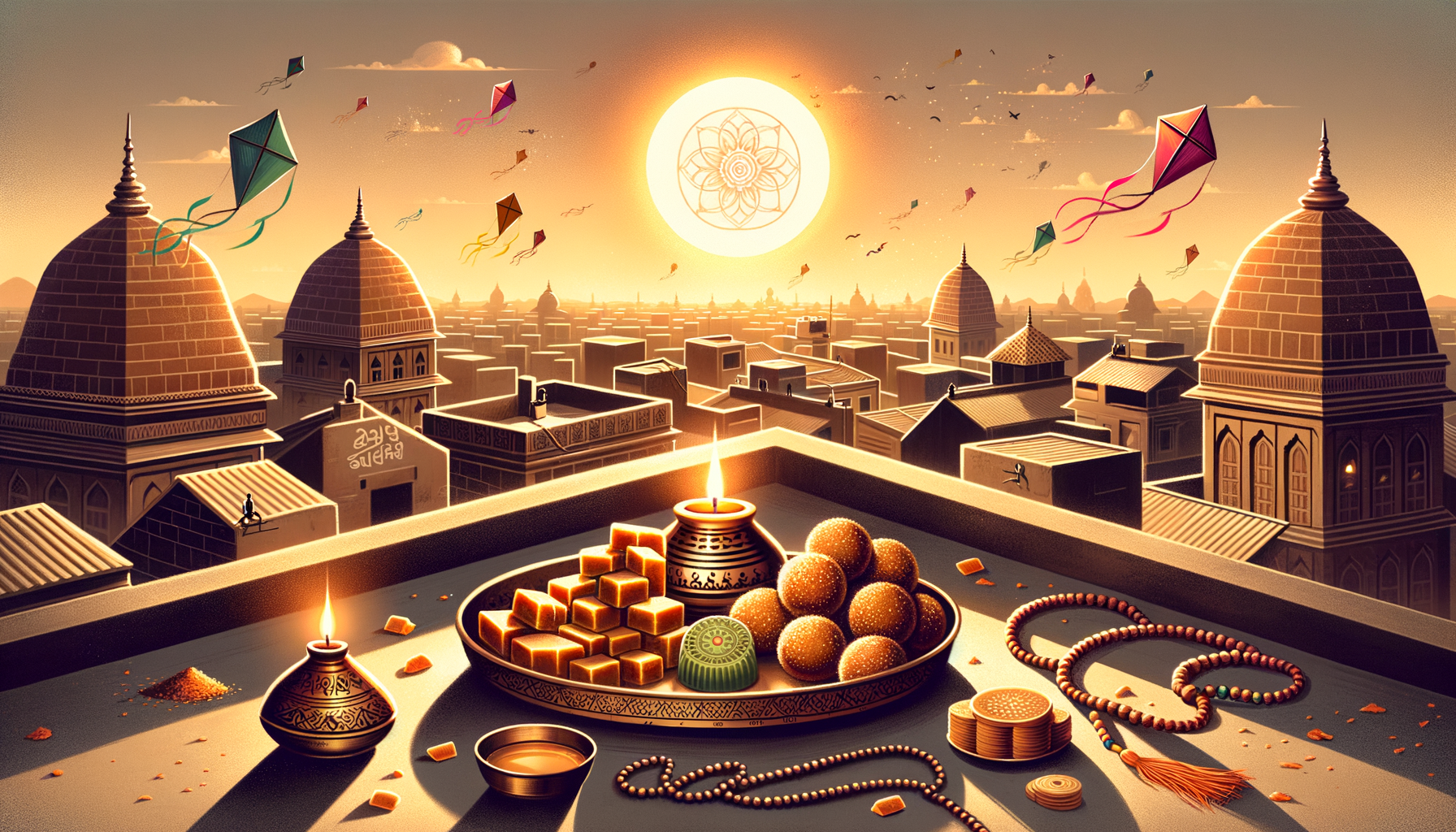
A highlight within Posh Maas 2025–2026 is the solar festival of Makara Sankranti—celebrated as Uttarayan in Gujarat—anticipated around 14 January 2026 based on the Sun’s transit into Makara (Capricorn). While the exact observance may vary by locale and Panchang, families commonly mark this turning toward longer days with community gatherings, kite-flying, and offerings of seasonal foods. In parallel, many also observe monthly fasts and holy days that commonly fall in Paush, such as Ekadashi and Purnima, focusing on austerity and gratitude.
The month’s rhythm underscores a continuity of practice across regions that use comparable lunisolar frameworks. Although names, local customs, and calendrical conventions can differ, the underlying timing of tithis and the emphasis on mindful living create a shared cultural fabric. Observers frequently describe Posh as a bridge between the closing reflections of the year and the forward-looking resolve that accompanies Uttarayan’s light.
For planning rituals, festivals, and family observances, consulting a trusted regional Panchang is recommended. Muhurat selections are sensitive to sunrise timings, tithi transitions, and local nakshatra calculations. This care ensures that community traditions—whether for personal vrata, temple visits, or charitable initiatives—align with both scriptural guidance and living customs.
Viewed through an inclusive dharmic lens, Posh Maas invites steadiness, compassion, and collective well-being. Its practices encourage unity across traditions by foregrounding values that are widely shared: ethical conduct, reflective discipline, and the joy of community celebration during Uttarayan. In this way, Posh becomes more than a sequence of dates—it becomes a season of intention that strengthens bonds within families and across the wider cultural landscape.
Inspired by this post on Hindu Pad.