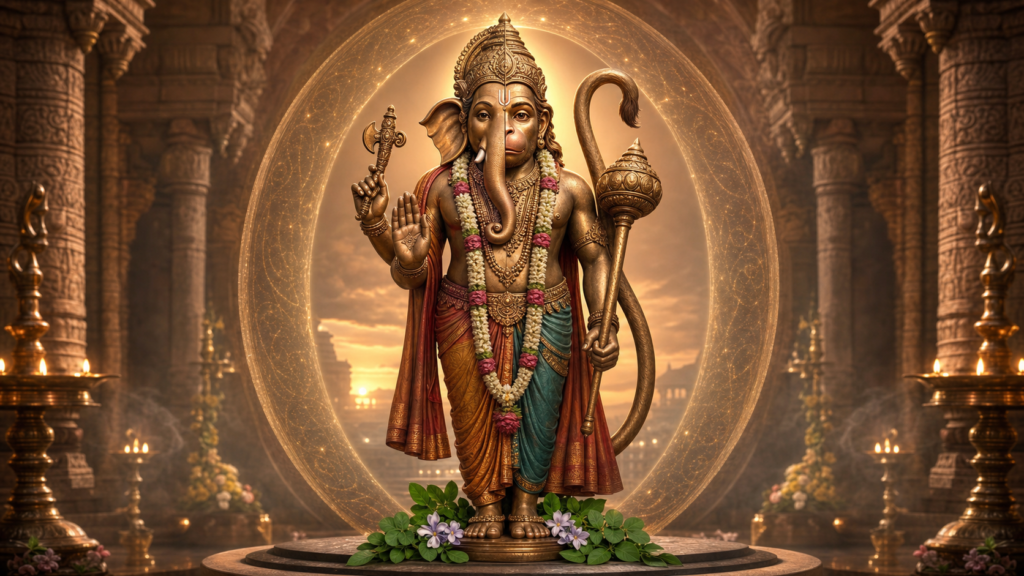
Lord Varahadeva Appearance Day, observed on Varaha Dvadasi (30-01-2026), commemorates the moment when Vishnu manifested as the cosmic boar to restore balance in a universe shaken by disorder. This observance, revered across Sanatana Dharma, evokes a timeless assurance: when adharma ascends, dharma is safeguarded through divine intervention. The narrative resonates widely, inviting reflective engagement from seekers across Hinduism, Buddhism, Jainism, and Sikhism who value truth, courage, compassion, and responsibility.
According to Puranic accounts, the asura Hiranyaksha attained formidable strength through severe austerities and then turned that power toward domination. Inflamed by pride and greed, he assaulted the devas and caused cosmic imbalance, described in many traditions as the submergence of Bhudevi (Mother Earth) into the primordial ocean. This moment of crisiswhen righteous order seemed eclipsedsets the stage for the appearance of Varahadeva.
Vishnu’s manifestation as Varaha is portrayed as both awe-inspiring and protective. In this form, the Lord dives into the cosmic waters, confronts Hiranyaksha, and defeats him after a titanic struggle. Lifting Bhudevi upon His tusks, Varahadeva restores the Earth to her rightful place, reestablishing dharma and cosmic harmony. Beyond its grandeur, the episode offers a lucid teaching: when arrogance and acquisitiveness threaten the common good, humility, duty, and steadfast courage realign the world with truth.
Devotees often find emotional depth in this narrative, especially during personal or societal turbulence. Many reflect that the same protective energy that rescued Bhudevi can inspire everyday resilience: standing up for the vulnerable, maintaining integrity under pressure, and choosing service over self-importance. These insights harmonize with broader dharmic ethicsBuddhist commitment to dhamma and compassion, Jain emphasis on self-mastery and restraint over ahamkara, and Sikh ideals of sewa and shauryaaffirming a shared civilizational ethos where inner strength and ethical clarity prevail.
Traditionally, Varaha Dvadasi observances include fasting, kirtan, and the recitation of texts such as Srimad-Bhagavatam (notably the Third Canto narratives) and Vishnu Sahasranama. Offerings are made to Bhudevi and Vishnu with gratitude for protection and renewal. Families and communities gather for temple darshan, scriptural study, and reflective discussions that translate the epic’s principlescourage, humility, and guardianship of the Earthinto practical commitments for contemporary life and environmental stewardship.
In discourses associated with HH Bhakti Gourava Narayan Swami, the episode is presented as an invitation to align thought and action with dharma: to resist the seductions of pride, to cultivate compassion, and to serve the world as an expression of devotion. Read in this way, the appearance of Varahadeva becomes not only a cosmic intervention but also a living guide to conscience, citizenship, and care for the shared home of all beings.
Varaha Dvadasi thus stands as a unifying commemoration: a reminder that the triumph of dharma is both a spiritual assurance and a social responsibility. By honoring Lord Varahadeva’s victory over Hiranyaksha, communities reaffirm a collective vow to uphold truth, protect the Earth, and nurture harmony across diverse pathsstrengthening bonds among Hindu, Buddhist, Jain, and Sikh traditions in a spirit of mutual respect and shared purpose.
Inspired by this post on Dandavats.