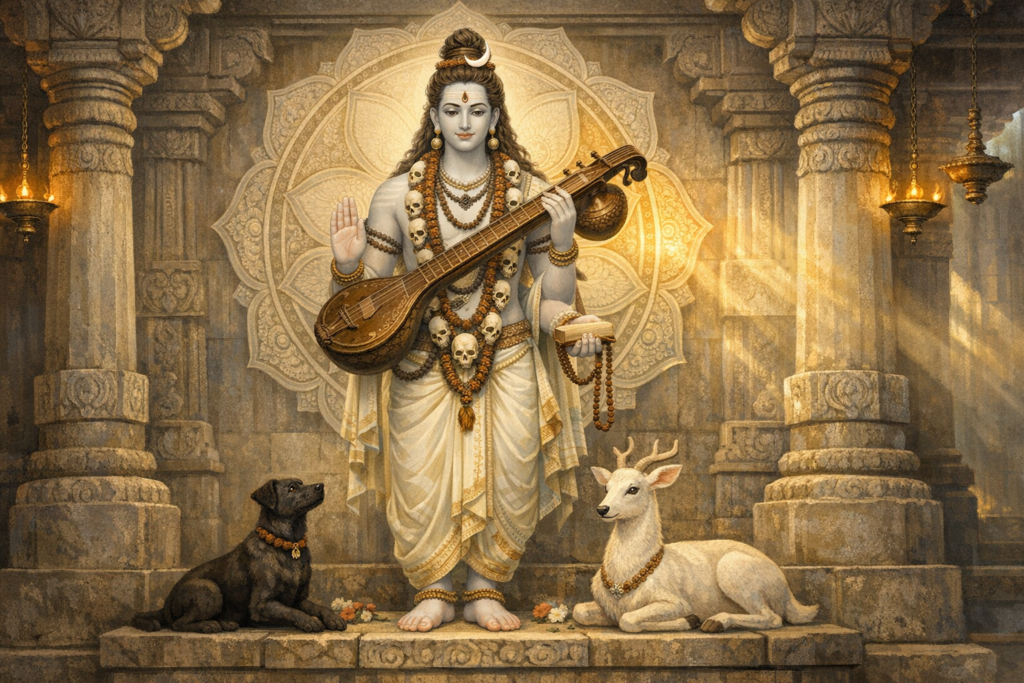
Kali Chaudas, observed on the 14th lunar day (Chaturdashi) of the Ashwin month, is dedicated to Goddess Mahakali and holds special prominence in Gujarat. Kali Chaudas 2025 date is October 19. Occurring a day before Diwali, the observance symbolizes the clearing of inner darkness and fear so that the light of Deepavali may be welcomed with clarity and strength. In Gujarat, the day is also associated with Hanuman worship, reflecting a complementary focus on courage, protection, and steadfast devotion.
In the Hindu lunisolar calendar, Kali Chaudas aligns with Ashwin Krishna Paksha Chaturdashi. While many regions across India mark this tithi as Naraka Chaturdashi, emphasizing the defeat of Narakasura and the triumph of dharma, Gujarat traditionally frames the day as Kali Chaudas, centering on Mahakali’s transformative energy. Both emphases converge on a shared message: the removal of negativity and the preparation of mind and home for Diwali.
The importance of Kali Chaudas during the Diwali season lies in the theological and ethical symbolism of Goddess Kali. Mahakali embodies the power that dissolves tamas (inertia, ignorance) and fear, enabling inner renewal. Situating Kali worship on the eve of Diwali underscores a profound sequence: first, the disciplined clearing of obstacles; next, the reception of light, prosperity, and wisdom. This progression resonates with the broader Diwali ethos—illumination that follows mindful purification.
Gujarat’s distinctive practice of Hanuman worship on Kali Chaudas offers a complementary lens. Hanuman, revered as Sankat Mochan, represents unwavering courage, service, and protection. Devotees often recite the Hanuman Chalisa, offer oil and sindoor, and seek moral resolve alongside the protective grace traditionally associated with Mahakali. This dual observance emphasizes both inner transformation and outward fortitude.
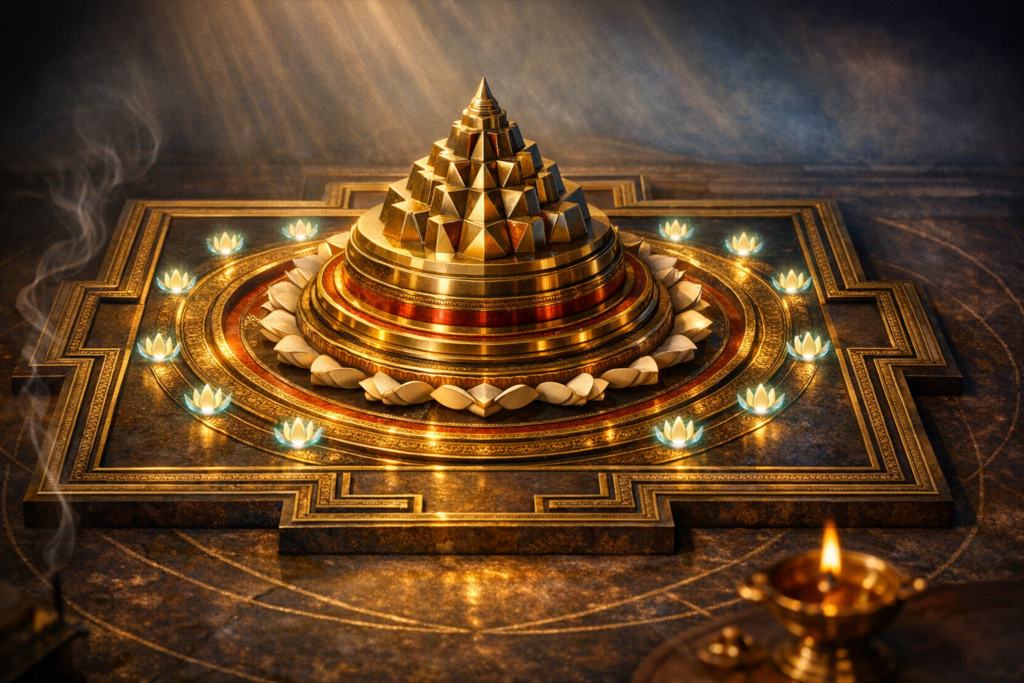
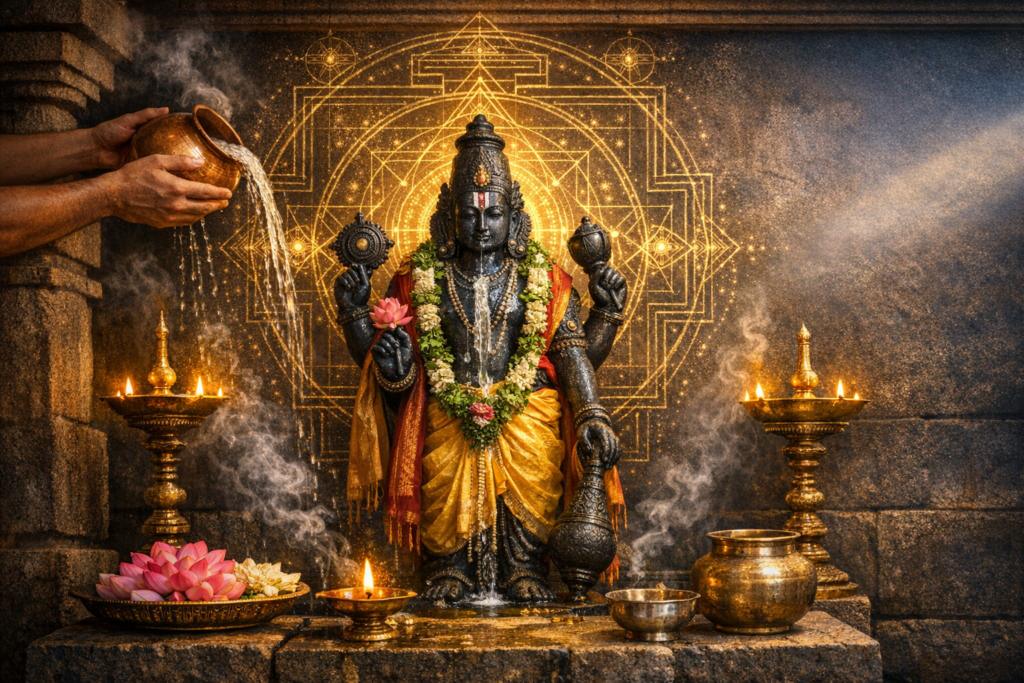
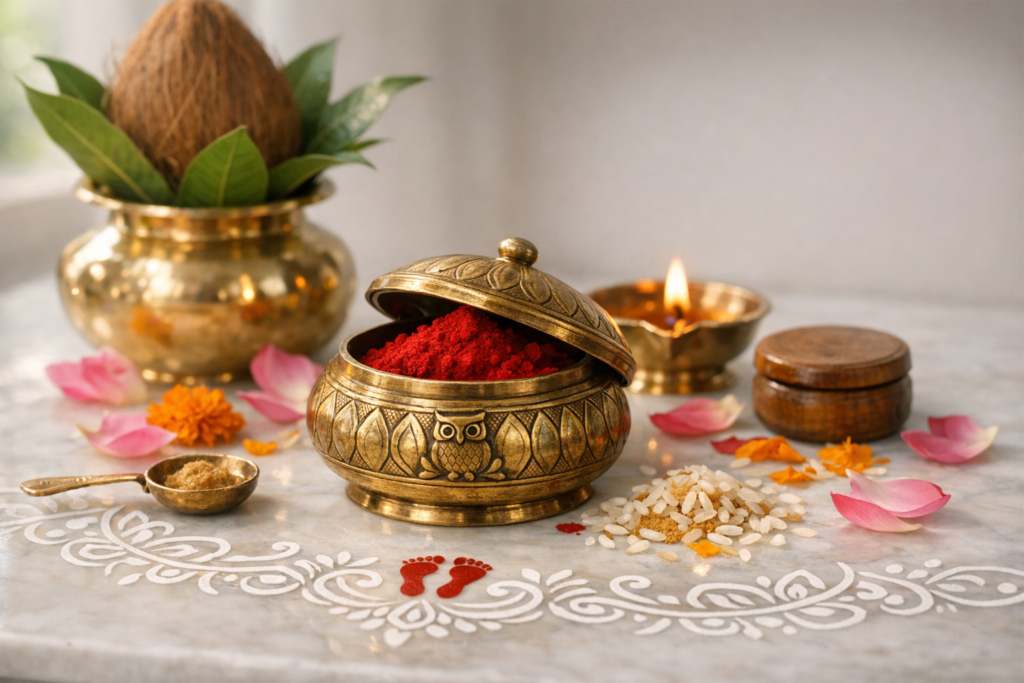
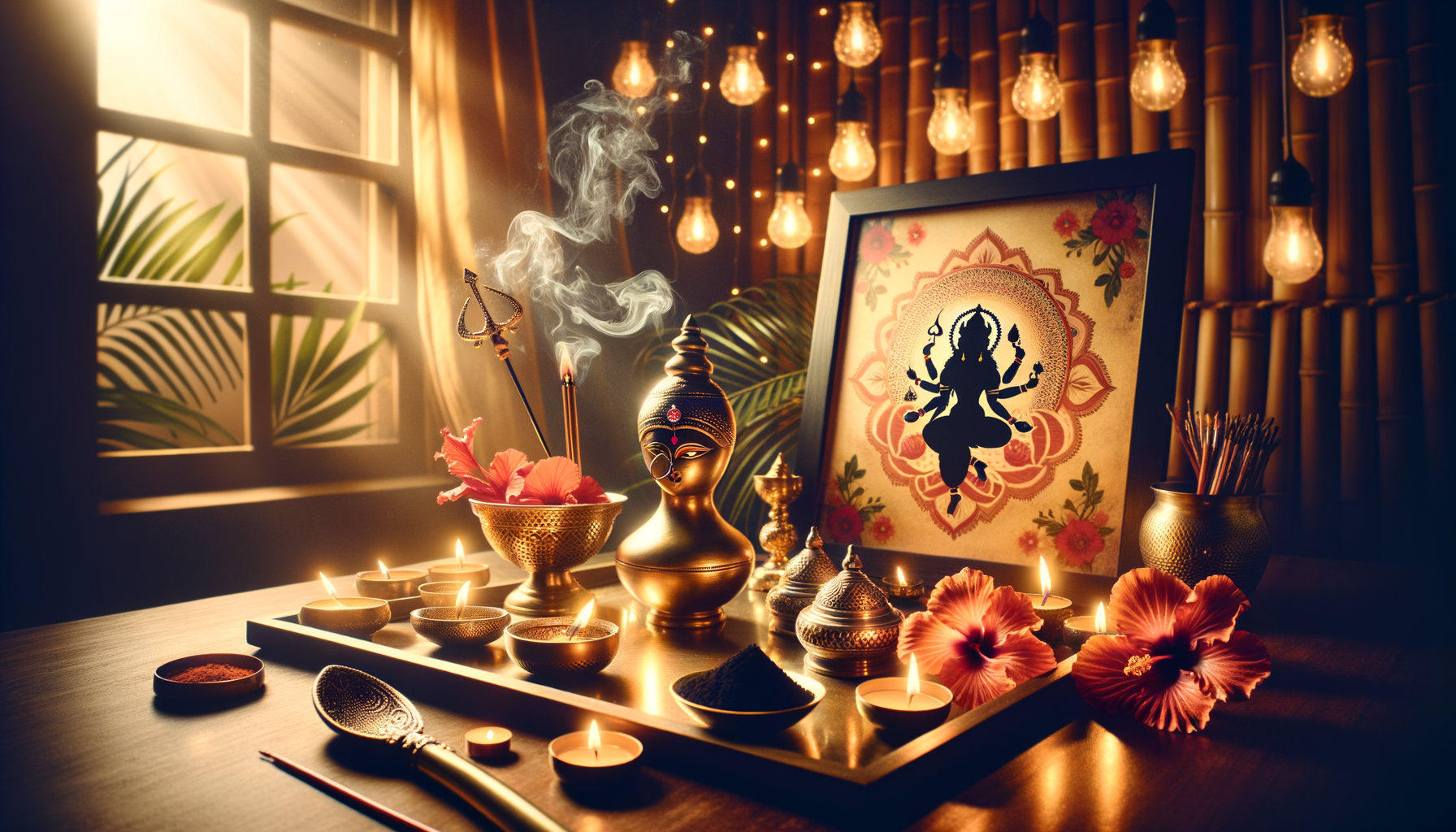
Kali Chaudas puja at home is typically simple yet deeply meaningful. Households clean the altar and living spaces, light a lamp with sesame oil or ghee, and offer red hibiscus, black sesame (til), and sweets in honor of Goddess Mahakali. Many choose to chant mantras to Mahakali with a calm, sattvic disposition, reflecting on the qualities to be shed—fear, anger, and lethargy—and the virtues to be cultivated—courage, discernment, and compassion. Acts of charity and considerate conduct toward family and community reinforce the day’s ethical intent.
Timing practices can vary. In many traditions, the early-morning abhyanga snana (Rupa Chaturdashi) is performed for ritual cleansing, while evening twilight or night hours may be chosen for intensified upasana. As regional panchang details differ, consulting a local calendar ensures accurate Chaturdashi and Diwali timings. In eastern India, it is noteworthy that the main Kali Puja coincides with the Diwali Amavasya, illustrating how regional calendars unify around the same spiritual arc of purification and illumination.
Beyond ritual steps, Kali Chaudas carries cultural and psychological dimensions. Families share protective prayers, prepare traditional foods, and light lamps to create a serene, welcoming atmosphere. Many devotees describe feelings of calm, courage, and protection when engaging in these practices, reflecting the festival’s role as both a community tradition and a personal discipline anchored in dharma.
The values highlighted by Kali Chaudas—discipline, compassion, and mastery over inner negativity—resonate across dharmic traditions. The emphasis on ethical living and inner clarity aligns with Buddhist mindfulness and the overcoming of kleshas, Jain commitments to ahimsa and aparigraha, and Sikh principles of chardi kala and seva. In this way, the Diwali season, including Kali Chaudas, fosters unity through shared virtues and mutual respect among Hinduism, Buddhism, Jainism, and Sikhism.
Contemporary observance also encourages thoughtful choices: eco-friendly lamps, respectful sound levels, and inclusive community gatherings. Rather than leaning on superstition, households increasingly foreground introspection, safety, and harmony—keeping the focus on inner transformation and social cohesion.
As an integral prelude to Diwali, Kali Chaudas stands as a reflective milestone. By honoring Mahakali and, in Gujarat, Hanuman, communities engage in a proven sequence of purification and empowerment that prepares the ground for Diwali’s promise of light, prosperity, and wisdom.
Inspired by this post on Hindu Blog.