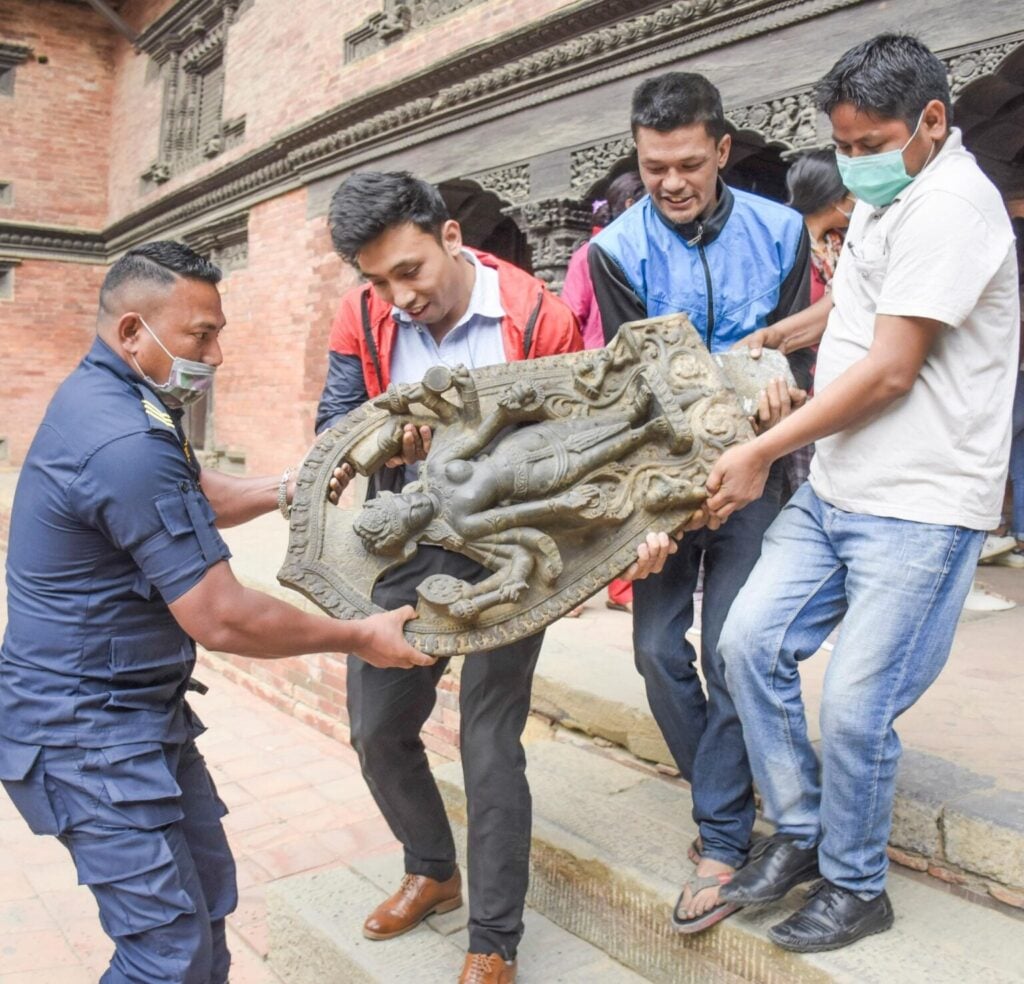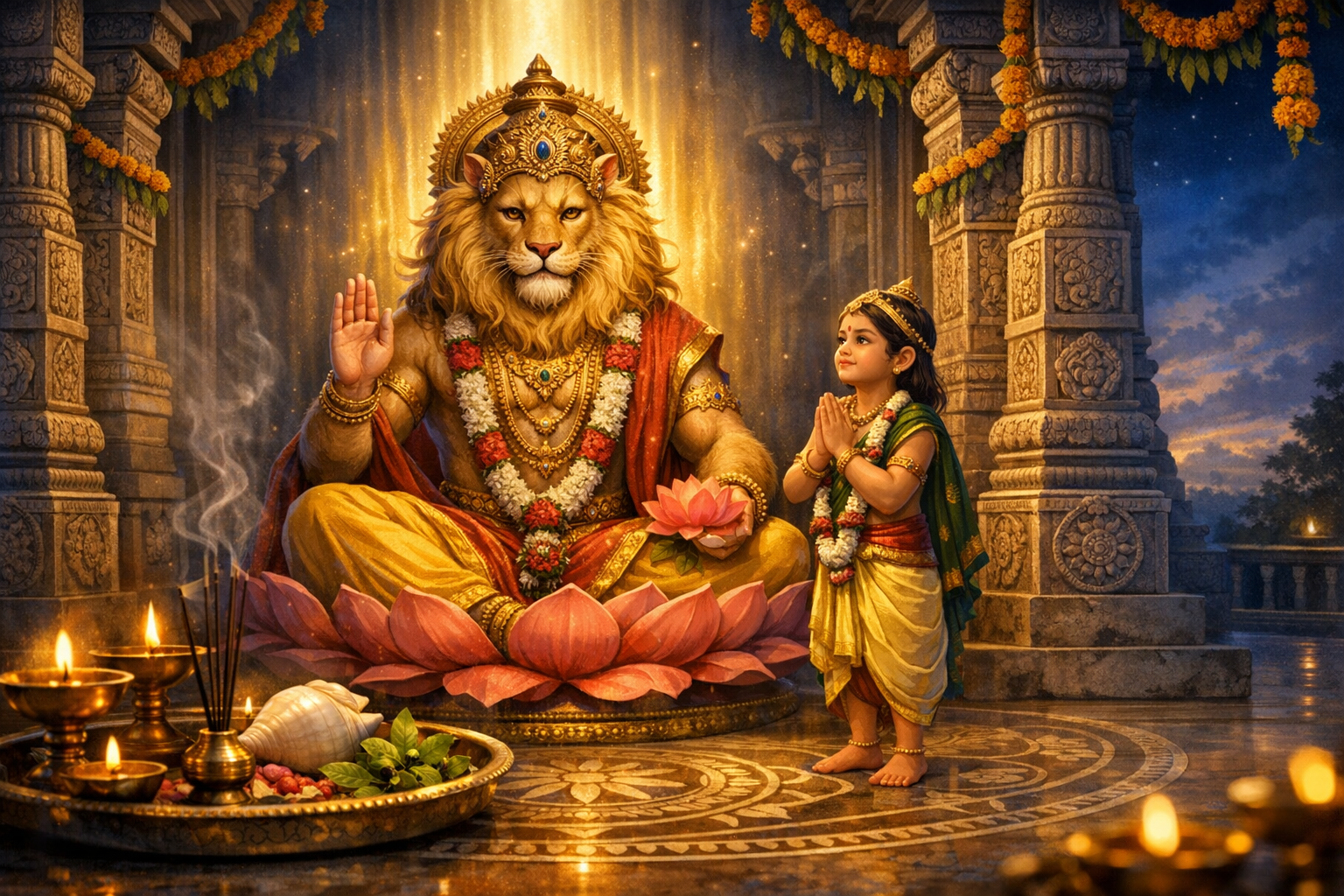
Narasimha Caturdashi, also known as Narasimha Jayanti, commemorates the manifestation of Lord Nrisimhadeva, the man-lion avatara of Vishnu, whose appearance safeguards dharma while offering refuge to steadfast devotees. The theological foundation for this observance is articulated in the Bhagavad-gita: yada yada hi dharmasya glanir bhavati bharata, abhyutthanam adharmasya [Bg. 4.7]. Paritranaya sadhunam vinasaya ca dushkritam, sambhavami yuge yuge [Bg. 4.8]. These verses present a dual telos: the protection of the virtuous and the correction of adharma, a theme that resonates across Vaishnava literature and ritual life.
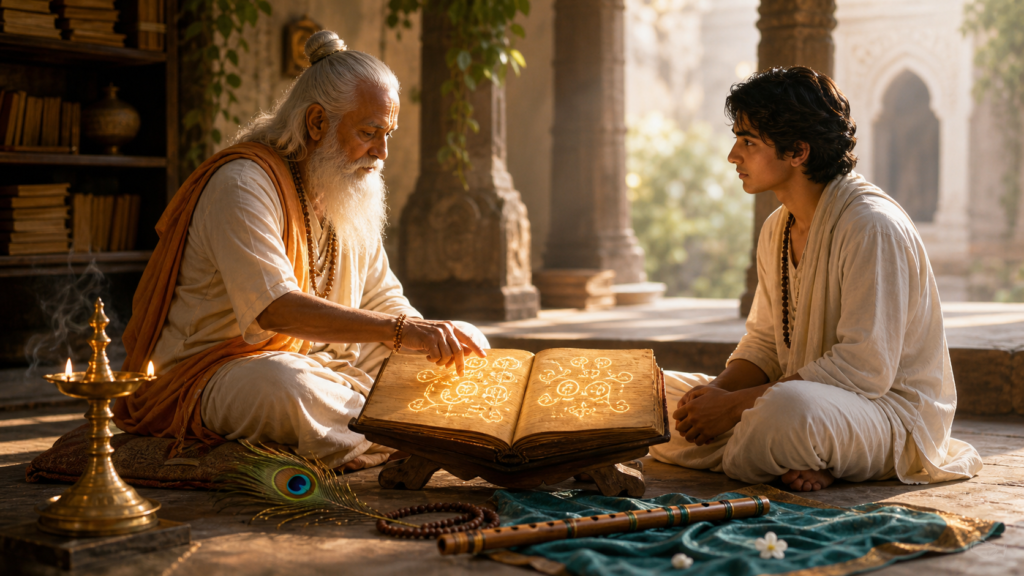
Within the Bhagavata Purana (Seventh Canto), the narrative of Prahlada stands central to understanding Narasimha Caturdashi. Prahlada, a five-year-old exemplar of bhakti, unwaveringly cherished Krishna consciousness despite the severe opposition of his father, Hiranyakashipu. As the narrative relates, the father’s intolerance of the child’s devotion becomes an archetype for authoritarian attempts to suppress inner spirituality. In Vaishnava exegesis, this episode illustrates the inextinguishable nature of dharma-guided consciousness when anchored in remembrance of the Divine.
Hiranyakashipu’s austerities had secured intricate boons designed to prevent his deathneither by man nor beast, neither indoors nor outdoors, neither by day nor night, neither on earth nor in the sky, and not by any weapon. These provisions echo the Purana’s nuanced treatment of cosmic law and causality. The avatara’s formhalf man, half lionemerged precisely at twilight (sandhya), on a threshold (neither inside nor outside), placing the tyrant upon the lap (neither earth nor sky), and using nails (neither conventional weapon nor tool), thereby upholding the inviolability of the boon while restoring moral order. The narrative situates divine justice within a logically consistent, dharmic framework.
Accounts of Prahlada’s trialspoisoning, exposure to elements, attempts by serpents and elephants, and casting into fireare traditionally read not as sensationalism but as didactic literature that nurtures inner resilience. Families and communities frequently reflect on how a child’s serene courage under extreme pressure embodies the potency of bhakti. In this light, Prahlada is not merely a historical or mythic figure; he serves as a pedagogical model for cultivating composure, faith, and ethical clarity amidst hostility.
From a philosophical standpoint within Vedic thought, the conflict between Hiranyakashipu and Prahlada represents the perennial tension between daivic and asuric dispositions discussed in the Gita’s Daivasura-sampad-vibhaga. The asuric temperament does not denote a social group or a fixed community; rather, it signifies a set of inner qualitiesintolerance, arrogance, and crueltythat veil awareness of the sacred. Conversely, the daivic orientation manifests as compassion, truthfulness, and self-discipline. Read this way, Lord Nrisimhadeva’s appearance allegorically signifies the removal of inner obstructions to God-consciousness while simultaneously affirming the protection of those aligned with dharma.
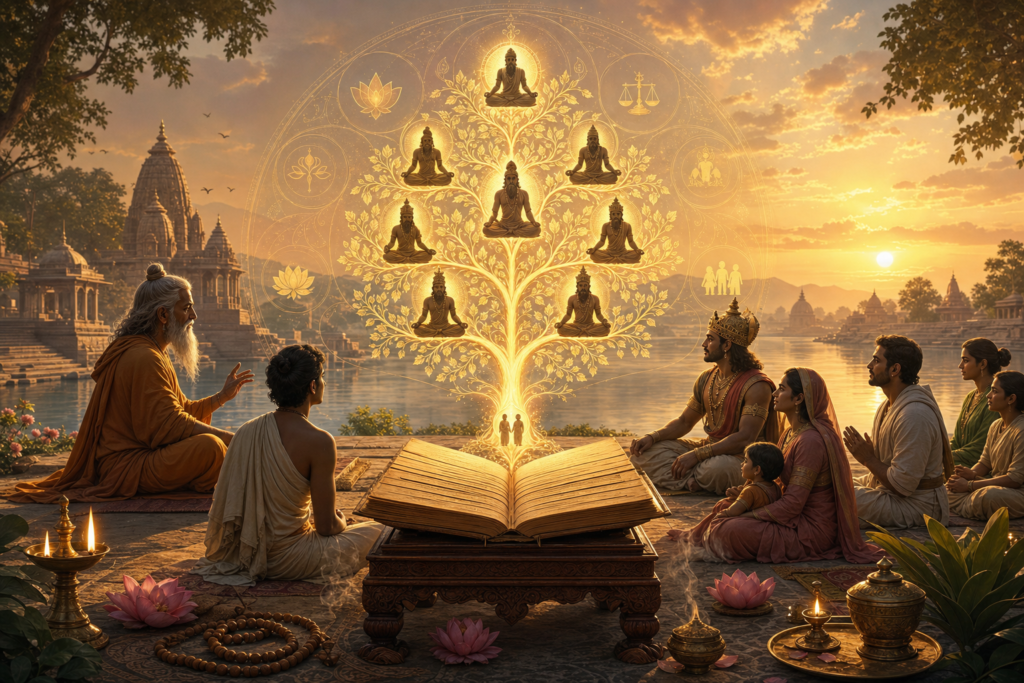
This interpretive lens also supports a broader dharmic unity across Hinduism, Buddhism, Jainism, and Sikhism. Each tradition safeguards dharma in its own idiom: the Buddha’s lion’s roar (simhanada) proclaims liberating truth without fear; Jain teachings emphasize conquering the inner enemies (kashaya) through non-violence and self-mastery; Sikh thought harmonizes devotion and duty in the sant-sipahi ideal, upholding righteousness while remaining anchored in compassion. In the Vaishnava tradition, Lord Nrisimhadeva personifies fierce compassionprotective, discerning, and ethically restrainedthereby exemplifying a shared civilizational commitment to the defense of truth and the vulnerable.
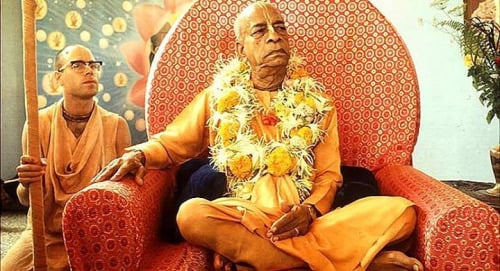
Historically and cross-culturally, spiritual figures have often encountered hostility when advocating God-consciousness or moral reform; the crucifixion of Jesus is one such example cited to illustrate this pattern. The Prahlada narrative locates this universal dynamic within a dharmic frame, where the Divine does not endorse vengeance but restores balance. A.C. Bhaktivedanta Swami Prabhupada, drawing on the Bhagavad-gita’s vision, frequently underscored that divine intervention serves both paritrana (protection) and vinasha (cessation of harm), not as sectarian triumphalism but as the re-establishment of a just, compassionate order.
The calendrical observance of Narasimha Caturdashi typically falls on the Shukla Chaturdashi of the Vaishakha month. In many Hindu communities, devotees undertake a day-long fast (upavasa) and perform special worship during the evening period associated with the avatara’s appearance, often around pradosha-kala or sandhya. Fasting is traditionally concluded (parana) after the prescribed tithi considerations are met, with regional almanacs (panchangas) guiding exact timings. These practices align with the broader ethos of Hindu festivals: purificatory discipline, remembrance of scripture, and ananda (spiritual joy) shared with family and community.
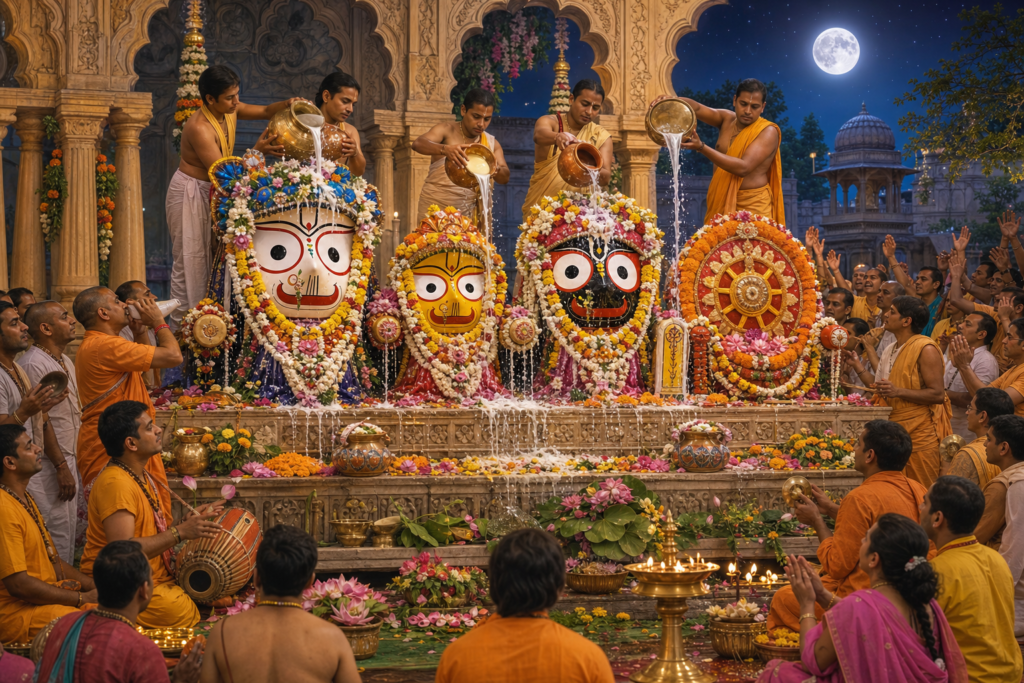
Ritual worship (puja) across Vaishnava lineages may include abhisheka with panchamrita, offerings of tulasi leaves, and recitations such as Sri Nrisimha Kavacha. A celebrated invocation in many traditions is the mantra: ugram viram mahavishnum jvalantam sarvato mukham nrisimham bhishanam bhadram mrityur mrityum namamy aham. In temple liturgies shaped by the Vaikhanasa and Pancharatra agamas, deities may be adorned as Ugra Narasimha or Lakshmi Narasimha, with alankaras that visually communicate both majesty and benevolence. Prasada distribution and charitable giving extend the spirit of the festival into concrete service (seva).
Symbolically, the pillar (stambha) from which the avatara manifests is a potent image of the all-pervading Divine presenceseemingly inert matter transforming into revelation at the moment of existential crisis. The threshold setting signifies liminality, a transitional state in which rigid binaries (inside/outside, day/night, man/beast) dissolve to make space for higher law. The narrative thus becomes a sophisticated meditation on the limits of literalism and the supremacy of dharma over technicalities, a hallmark of Vedic philosophy’s subtle hermeneutics.
For contemporary practitioners, Narasimha Caturdashi offers a framework for ethical courage without animosity. The tradition discourages branding individuals or communities as “demons”; rather, it recommends vigilance against asuric tendencies within and around oneselfintolerance, cynicism, and the urge to dominatewhile steadfastly protecting the vulnerable. This approach aligns with the dharmic ideal of strong boundaries held with compassion, a synthesis that can nurture social harmony across Hindu, Buddhist, Jain, and Sikh communities and foster respect for religious freedom in plural societies.
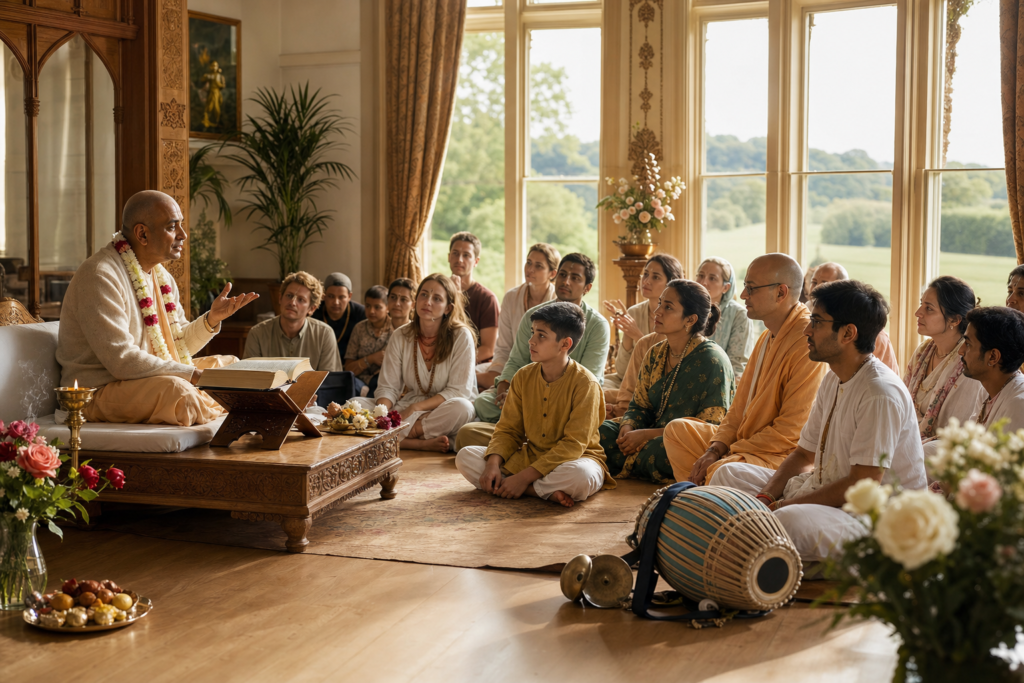
The observance also deepens scriptural engagement. Readers often revisit the Bhagavad-gita’s soteriological arc, the Bhagavata Purana’s narrative theology, and commentarial traditions that explore deva-asura psychology as inner dispositions. In family settings, recounting Prahlada’s life functions as moral education, sustaining a living connection to Sanatana Dharma’s repository of wisdom. In congregational contexts, collective kirtan, study, and service projects transform festival inspiration into year-round practice.
Narasimha Caturdashi ultimately conveys a promise embedded in the Gita’s wordsdivine guardianship arrives, yuge yuge, wherever dharma is threatened and wherever sincere devotion seeks shelter. The avatara’s fierce compassion affirms that protection and restoration can coexist with restraint and mercy. In honoring Lord Nrisimhadeva, communities across the dharmic spectrum reaffirm a shared commitment to truth, non-harm, justice, and spiritual inclusionprinciples that safeguard both inner freedom and the common good.
Inspired by this post on Dandavats.