Diwali (Deepavali), the festival of lights in Hinduism, is observed across India and the global diaspora as a five-day celebration centered on Kartik Amavasya, the No Moon day of the Kartik month. In 2025, the principal observance falls on 20 October | 21 October, reflecting regional calendar calculations and tithi timings. The festival emphasizes light over darkness, knowledge over ignorance, and shared community well-being, themes that resonate across dharmic traditions.
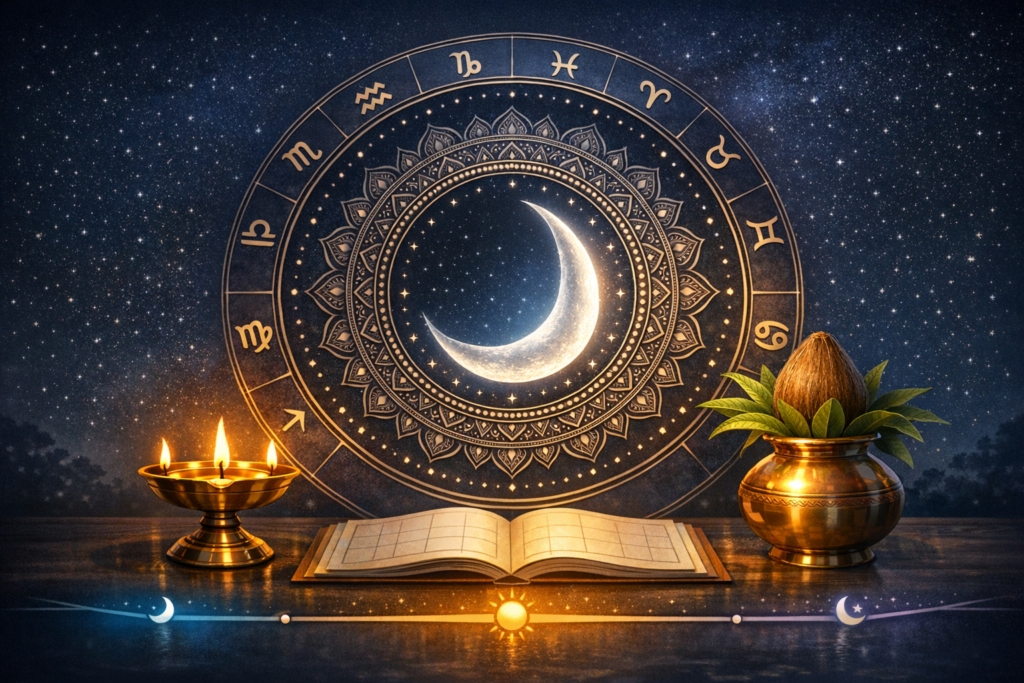
Two date notations are widely referenced in 2025: 20 October 2025 – Loukika Deepavali and 21 October 2025 – Shastriya Deepavali. Loukika Deepavali aligns with civil and commonly followed almanac usage, while Shastriya Deepavali follows scriptural tithi logic that may shift the observance when Kartik Amavasya prevails at specific evening hours. This dual listing reflects the precision of the Hindu calendar rather than disagreement; both aim to honor Kartik Amavasya appropriately.
Within the five-day sequence, households can expect the customary cadence: Dhanteras (Dhantrayodashi) is anticipated on 18 October 2025, followed by Naraka Chaturdashi (often called Choti Diwali) and Yam Deep Daan on 19 October 2025. Lakshmi Puja/Deepavali aligns with Kartik Amavasya on 20 October 2025 in many regions, with some panchangs noting 21 October 2025 as Shastriya Deepavali due to evening tithi considerations. Govardhan Puja/Annakut and the Gujarati New Year are expected to follow on 22 October 2025 in numerous traditions, and Bhai Dooj typically concludes the cycle on 24 October 2025. As with all lunar observances, local panchang guidance should be consulted for muhurta and regional variations.
According to most North Indian panchangs (Purnimanta system), Lakshmi Puja is scheduled when Amavasya prevails in the evening, which in 2025 places primary observances on 20 October in many locations. South Indian Amanta traditions also anchor the festival to the same Amavasya, with select communities observing the principal puja on 21 October if the evening tithi aligns more precisely on that date. This calendrical nuance underscores the careful synchronization between astronomy and ritual practice in Hindu festivals.
Diwali’s message of illumination and renewal fosters unity across dharmic paths. Jains commemorate the nirvana of Bhagwan Mahavira, Sikhs mark Bandi Chhor Divas, and Newar Buddhists in Nepal observe lights-centric traditions reflecting wisdom and compassion. While the theological narratives differ, the shared emphasis on inner light, ethical living, and communal harmony affirms unity in diversity and strengthens bonds among Hinduism, Buddhism, Jainism, and Sikhism.
Across households, the quiet act of lighting the first diya at dusk, arranging rangoli at the threshold, and offering Lakshmi Puja creates an atmosphere of reflection and gratitude. Exchanging sweets and visiting temples or community mandirs fosters social cohesion and kindness. Many families recall childhood memories of oil lamps and prayers, finding in these rituals a steady rhythm that connects generations and strengthens cultural identity.
Traditional observances such as Yam Deep Daan on Naraka Chaturdashi honor the continuity of dharma, while temple events like Deepavali Asthanam emphasize collective worship. For accurate muhurta, it remains best practice to consult a trusted local panchang or temple notice. Eco-conscious choices—such as using clay diyas, natural rangoli colors, and mindful celebrations—align the festival’s ethos of purity and renewal with contemporary sustainability.
In summary, Diwali (Deepavali) 2025 centers on Kartik Amavasya with Loukika Deepavali on 20 October 2025 and Shastriya Deepavali on 21 October 2025, reflecting legitimate calendrical methods. The broader five-day cycle includes Dhanteras, Naraka Chaturdashi, Deepavali/Lakshmi Puja, Govardhan Puja/Annakut, and Bhai Dooj, with regional variations guided by local panchangs. The festival’s enduring themes—light, learning, generosity, and unity—invite all to honor shared values across dharmic traditions and to celebrate with clarity, reverence, and care.
Inspired by this post on Hindu Pad.