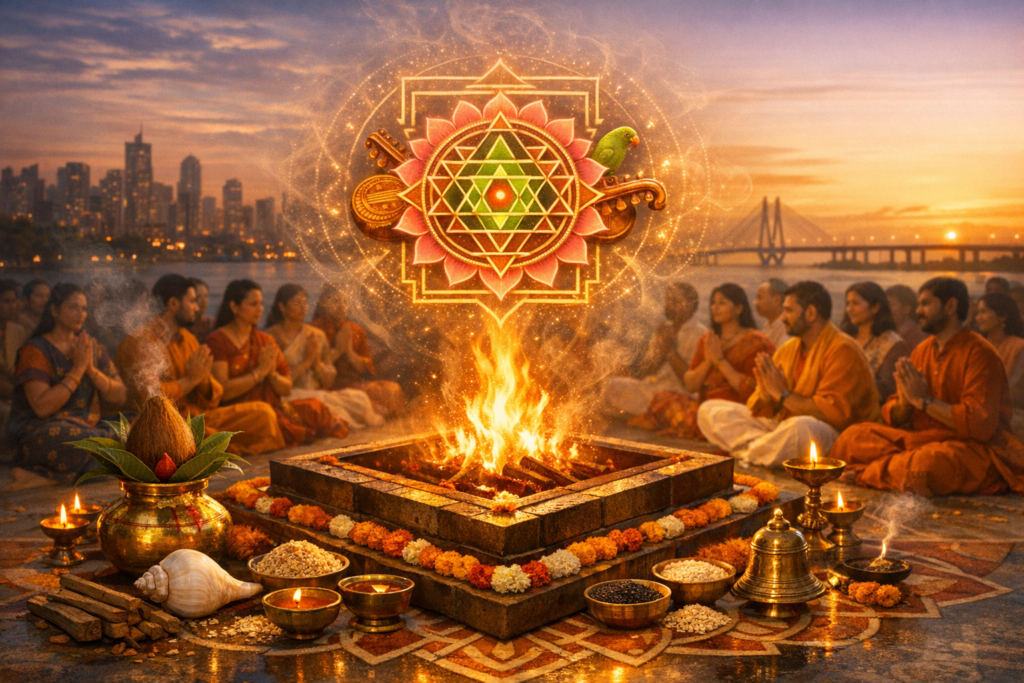
Bhishma Dwadashi, also known as Bheeshma Dvadasi, falls on Magha Shukla Dwadashi, the day immediately following Bhishma Ekadashi. In 2026, the observance occurs on January 30. Recognized in the Hindu calendar as an auspicious junction of remembrance and resolve, this day is traditionally marked by concluding the Bhishma Ekadashi fasting (parana) with devotion and mindful ritual practice.
Situated within Magha Masam, Bhishma Dwadashi is associated with worship of Lord Vishnu and reflections on dharma, steadfastness, and clarity of purpose. Devotees typically break the Ekadashi vrat during the prescribed Dwadashi parana window and offer prayers, simple satvik meals, and gratitude. Many also engage in recitation of Vishnu Sahasranama and readings that recall Bhishma Pitamaha’s counsel on righteous conduct as preserved in the Mahabharata.
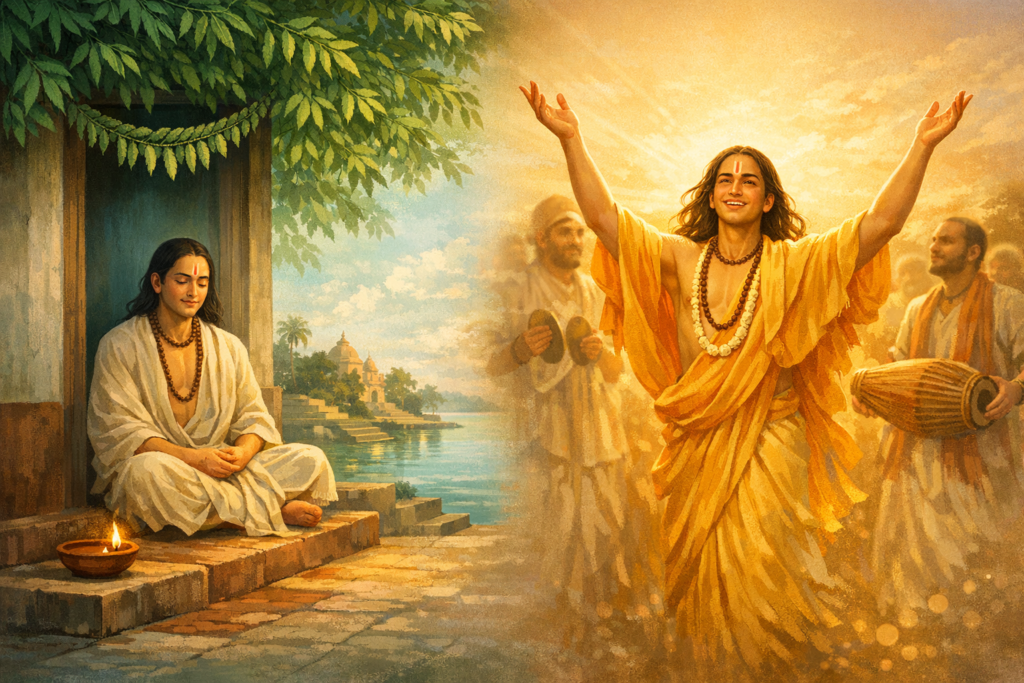
The remembrance of Bhishma Pitamaha on this day evokes themes of duty, restraint, and unwavering commitment to truth. While traditions vary by region, communities often treat Bhishma Dwadashi as a contemplative moment to honor his life and teachings—especially the guidance imparted to Yudhishtira on ethics, governance, and the primacy of dharma.
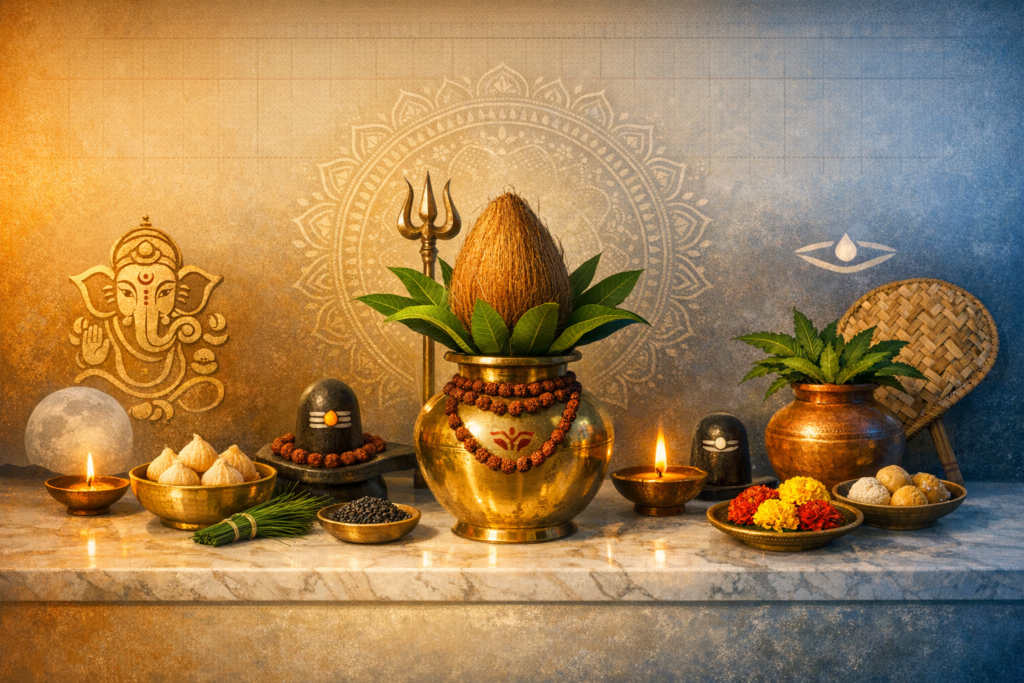
Typical observances include performing Vishnu puja, offering tulasi and water, reading passages from the Mahabharata, and engaging in dana (charitable giving) according to means. Family customs may emphasize gentle, reflective gatherings, where elders narrate episodes from Bhishma’s life to younger members, reinforcing cultural memory and moral reasoning. The overall tone remains serene and devotional, aligning fasting discipline with inner composure and gratitude.
Bhishma Dwadashi also resonates with shared values across dharmic traditions—discipline, compassion, and service (seva). These themes are recognizable in the ethical frameworks of Hinduism, Buddhism, Jainism, and Sikhism, where commitment to virtue, remembrance, and communal harmony helps sustain cultural continuity. Framed this way, the day becomes a bridge of understanding, inviting respect for diverse practices while reaffirming unity in ethical purpose.
As a practical guide for 2026, devotees may note the Gregorian date—January 30—and consult local panchang details for precise parana timings. Observing the day with simplicity, scriptural study, and considerate action strengthens both personal devotion and collective wellbeing, allowing the spirit of Bhishma Dwadashi to illuminate the path of dharma in everyday life.
Inspired by this post on Hindu Pad.