
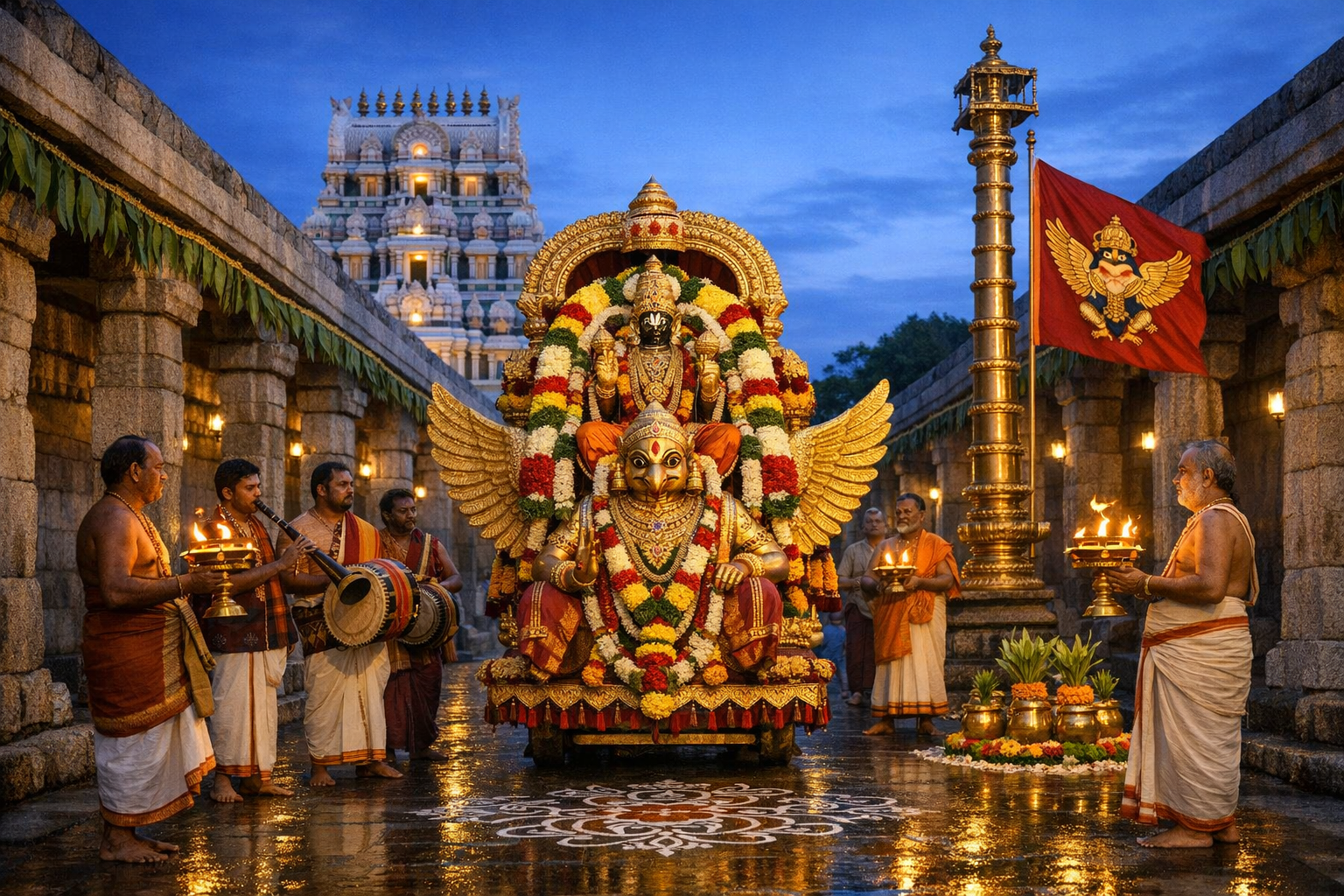
The annual Brahmotsavams of Sri Prasanna Venkateswara Swamy at Appalayagunta, near Tirupati in Andhra Pradesh, will be observed with devotional grandeur from 25 June to 3 July 2026. In keeping with Tirumala Tirupati Devasthanams (TTD) practice, Koil Alwar Tirumanjanam is scheduled for 23 June 2026, followed by Ankurarpanam on 24 June 2026. Daily Vahana Sevas are planned in two prime slots—08:00–09:00 and 19:00–20:00—enabling pilgrims to experience both the serene morning processions and the illuminated evening outings of the Utsava Murti.
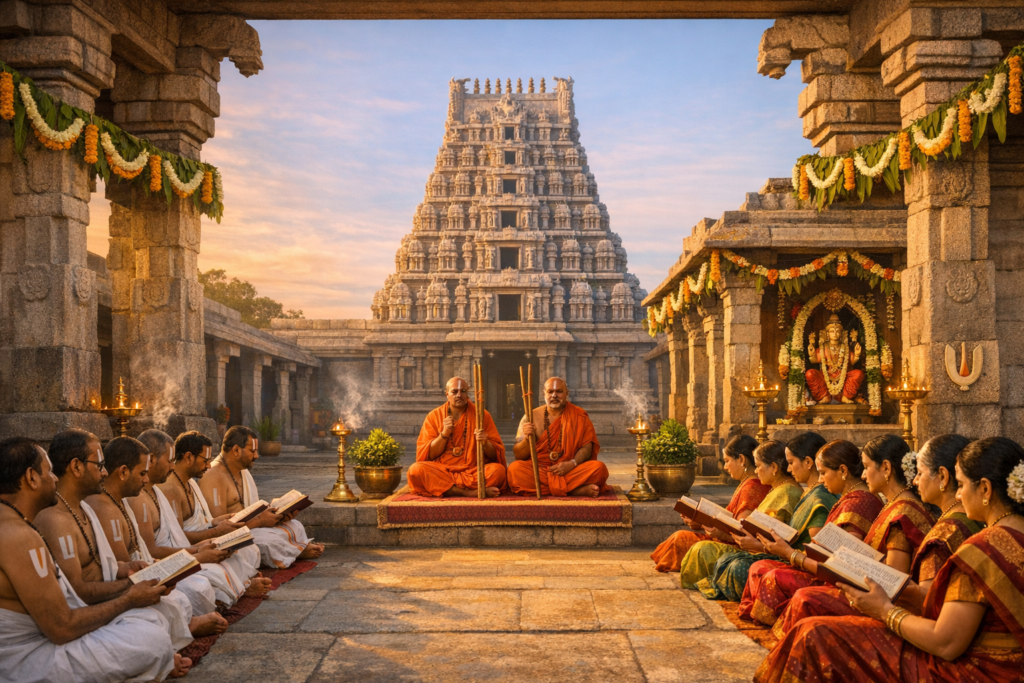
This Brahmotsavam functions as a living continuum of South Indian Vaishnava temple culture, aligning ritual precision with public participation. It is a festival where sacred order (dharma), collective service (seva), and aesthetic devotion (bhakti, sangeeta, nritya) interweave. Devotees frequently remark that the atmosphere—marked by Veda parayanam, Divya Prabandha chants, nadaswaram ensembles, and the resonant cry of “Govinda!”—invites inward reflection even as it celebrates community. The ethos of mutual respect and service evident during the festivities aligns naturally with the shared values found across dharmic traditions, nurturing unity without erasing distinct practices.
Key dates and times are as follows. Koil Alwar Tirumanjanam: 23 June 2026; Ankurarpanam: 24 June 2026; Brahmotsavam: 25 June–3 July 2026. Vahana Sevas are scheduled daily from 08:00–09:00 and 19:00–20:00. While these are the announced slots, visitors are advised to check on-site TTD notifications for any operational updates, queue advisories, and route diversions related to crowd management.
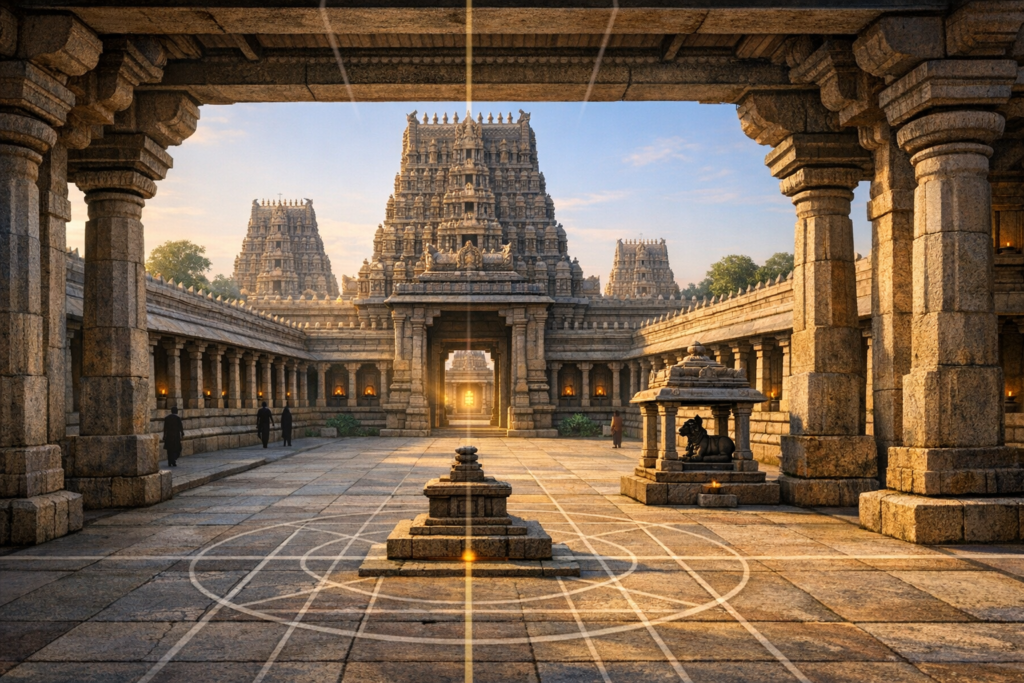
Koil Alwar Tirumanjanam is a comprehensive sanctification of the temple premises conducted in advance of major festivals. In the TTD tradition, the ritual purifies the inner precincts through Punyahavachana and the application of a fragrant, disinfecting medium (parimalam), followed by cleansing and re-decoration of thresholds, mantapas, and sanctum environs. The procedure underscores a central Vaishnava principle: the deity’s abode (alaya) must be ritually spotless to host ensuing utsavas. The emphasis on hygiene, order, and ritual purity is at once spiritual and practical—sustaining both the sanctity and the safety of high-footfall celebrations.
Ankurarpanam, literally the “sowing of seeds,” inaugurates the festival cycle through beejavapanam—sowing auspicious grains to invoke fertility, auspiciousness, and the fruition of vows (sankalpa). Agamically, it signifies the germination of merit the festival intends to cultivate within the temple community. The rite commonly includes kalasha-sthapana, Vedic recitations, and the formal articulation of the festival sankalpa, aligning temple, tradition, and devotees toward a shared spiritual objective.
The nine-day Brahmotsavam traditionally proceeds under the Vaikhanasa Agama, a liturgical framework followed in many Vaishnava temples administered by TTD. It opens with Dwajarohanam—the hoisting of the Garuda-engraved festival flag (dhwaja-pataka)—to mark the commencement of utsava jurisdiction, and closes with Dwajavarohanam. The conclusion often features Chakrasnanam, the ceremonial bath of the Sudarshana Chakra, symbolizing purification and the return of cosmic order to its repose after an intense cycle of public worship.
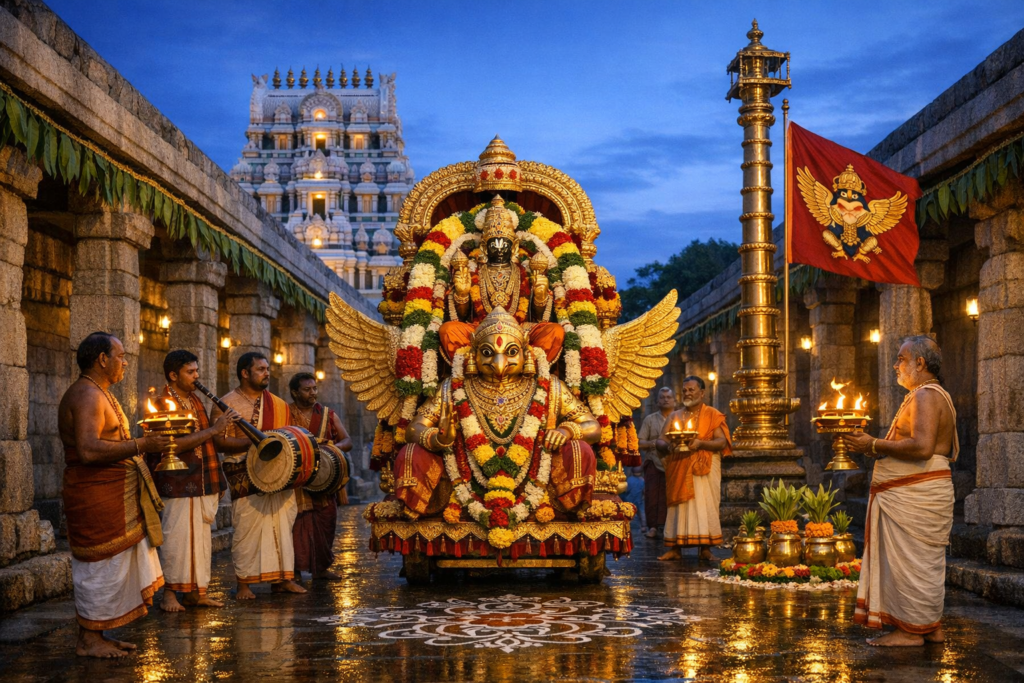
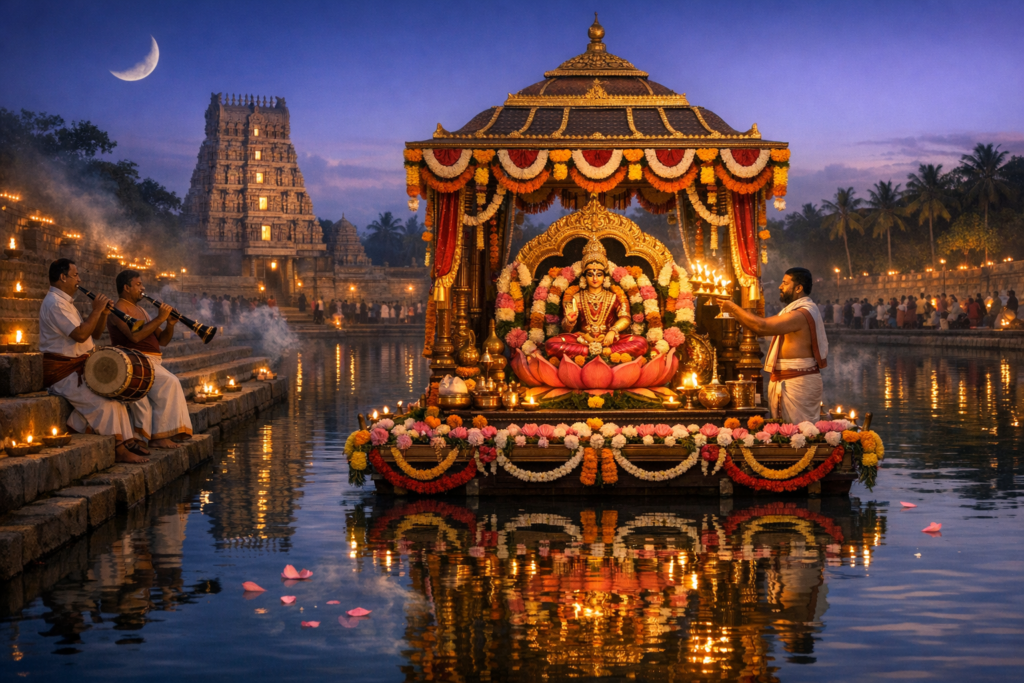
Vahana Sevas are the heart of public participation. The Utsava Murti of Sri Prasanna Venkateswara Swamy is taken in procession on symbolic vehicles (vahanams), each teaching a distinct theological virtue. Commonly featured vahanams across Vaishnava Brahmotsavams include Sesha Vahanam (Adishesha, the cosmic serpent—transcendence and support), Hamsa Vahanam (discrimination and purity), Simha Vahanam (valor and sovereignty), Hanumantha Vahanam (devotion and service), Surya Prabha and Chandra Prabha (solar and lunar beneficence), Sarvabhoopala Vahanam (universal guardianship), Garuda Seva (divine speed and protection), and a grand Rathotsavam (processional chariot) toward the festival’s end. The precise sequence may vary by temple and year; pilgrims are encouraged to consult the daily board displays for Appalayagunta-specific ordering.
Beyond spectacle, the processions enact a theological cartography of virtues. For many families, the tempered cadence of the morning Vahana Seva imparts contemplative calm, while the evening Seva—illuminated by torches and lamps—evokes awe and gratitude. Children are often drawn to the iconography of each vahanam, making the festival an intergenerational pedagogy where symbols teach silently yet powerfully.
The festival’s service ethic resonates with wider dharmic ideals present in Hinduism, Buddhism, Jainism, and Sikhism—ahimsa (non-harm), dana/seva (charitable giving and service), satya (truth), and shraddha (devout attention). While the rituals themselves are firmly rooted in Vaishnava Agama, the shared civic spirit—queue discipline, volunteer assistance, and annadanam—creates a cultural commons in which diverse dharmic communities recognize familiar values and participate respectfully through seva and solidarity.
Pilgrimage logistics merit advance planning. Appalayagunta is a well-connected shrine in the Tirupati region; however, festival days attract substantial footfall. Arriving well before the 08:00 and 19:00 Vahana Seva slots improves viewing and movement. TTD’s on-ground volunteers provide route guidance, crowd flow instructions, and seating advisories, particularly for the elderly and families with children. Basic amenities are ordinarily scaled up during Brahmotsavam; nevertheless, carrying water, adhering to designated pathways, and following instructions from temple personnel enhance both safety and darshan quality.
Dress and decorum are integral to temple etiquette. Traditional, modest attire, switched-off mobile devices inside sanctum-adjacent areas, and restraint in photography (where restricted) sustain the spiritual atmosphere. Observing silence during sankalpa, respecting barricades, and keeping the pathways clear for vahanams are not merely administrative rules; they are expressions of reverence that protect the integrity of shared worship.
Late June to early July coincides with the onset of the monsoon in parts of Andhra Pradesh. Light rain, humid conditions, and slippery surfaces are possible. Suitable footwear for walking, compact rain protection, and attention to announcements regarding route adjustments are prudent. Families often schedule a balanced day: morning Seva, rest and meals in the afternoon, and return for the evening Seva—an approach that harmonizes devotion with well-being.
Environmentally mindful participation is encouraged. Minimizing single-use plastics, using designated disposal bins, and cooperating with cleanliness drives amplify the sanctification achieved during Koil Alwar Tirumanjanam. Many devotees also choose to support annadanam logistics through volunteer time, further deepening the festival’s ethic of selfless service.
For those exploring the broader sacred landscape, the Tirupati region offers complementary darshan opportunities at venerable Vaishnava and Shakti shrines. Planning such visits around the daily 08:00–09:00 and 19:00–20:00 Vahana Sevas enables pilgrims to experience the full arc of the Appalayagunta Brahmotsavam without scheduling conflicts.
In summary, the Appalayagunta Sri Prasanna Venkateswara Swamy Brahmotsavam 2026 will be observed from 25 June to 3 July 2026, preceded by Koil Alwar Tirumanjanam on 23 June and Ankurarpanam on 24 June. With daily Vahana Sevas at 08:00–09:00 and 19:00–20:00, the festival offers a structured, symbol-rich immersion into Vaishnava ritual life that is at once devotional, educational, and community-building. Visitors are advised to verify any day-wise changes through on-site notices to make the most of this sacred, unifying celebration.
Inspired by this post on Hindu Pad.






Leave a Reply
You must be logged in to post a comment.