In 2026, the 2nd day of Navratri (Shukla Dwitiya) occurs in two distinct seasonal cycles of the Hindu lunisolar calendar: during Devi Chaitra Vasant Navratri on 20 March 2026 and during Shardiya (Ashwin) Navratri on 12 October 2026. Across India, the day is regionally recognized as Preethi Dwitiya, Sthana Vriddhi Gauri Vrata, and Sindhara Dooj. In Nepal—where Navratri is celebrated as Dashain—the second day sustains the daily Goddess Durga worship initiated on Ghatasthapana, with households continuing the careful nurturing of jamara (barley shoots) and performing regular puja.
Understanding why there are two observances in a single year requires a brief note on the panchang. Navratri aligns with the bright fortnight (Shukla Paksha), and its 2nd day falls on Dwitiya tithi of the months of Chaitra (Vasant) and Ashwin (Sharad). Because tithis are based on the Moon’s longitudinal phase rather than the civil clock, date assignments may vary slightly by location and sunrise. For 2026, the widely followed Indian almanacs place the 2nd day of Chaitra Navratri on 20 March and the 2nd day of Ashwin Navratri on 12 October.
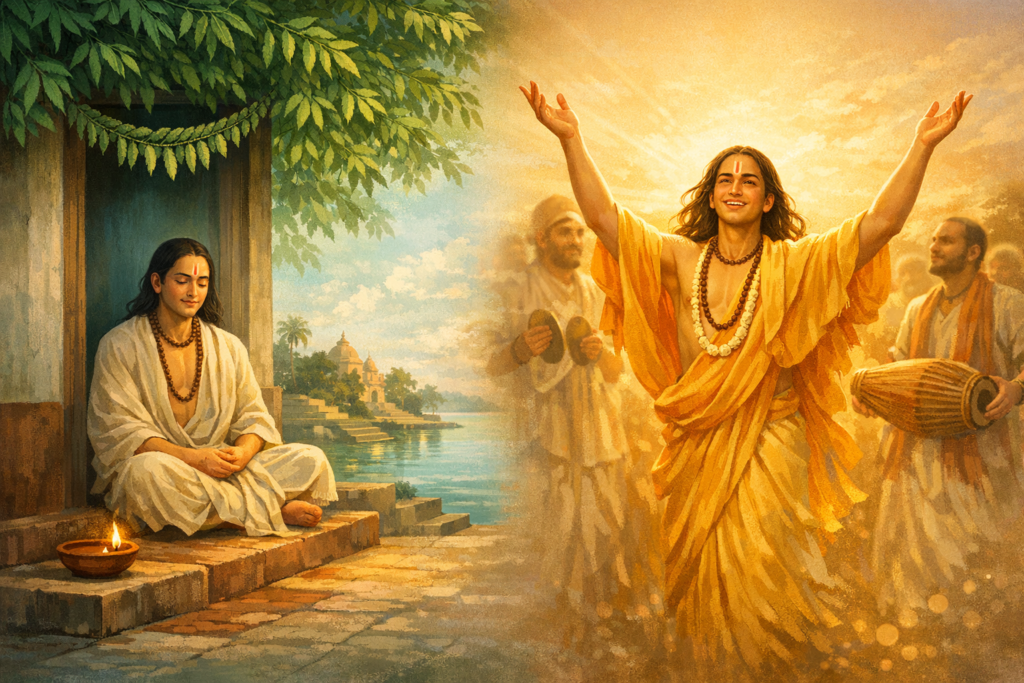
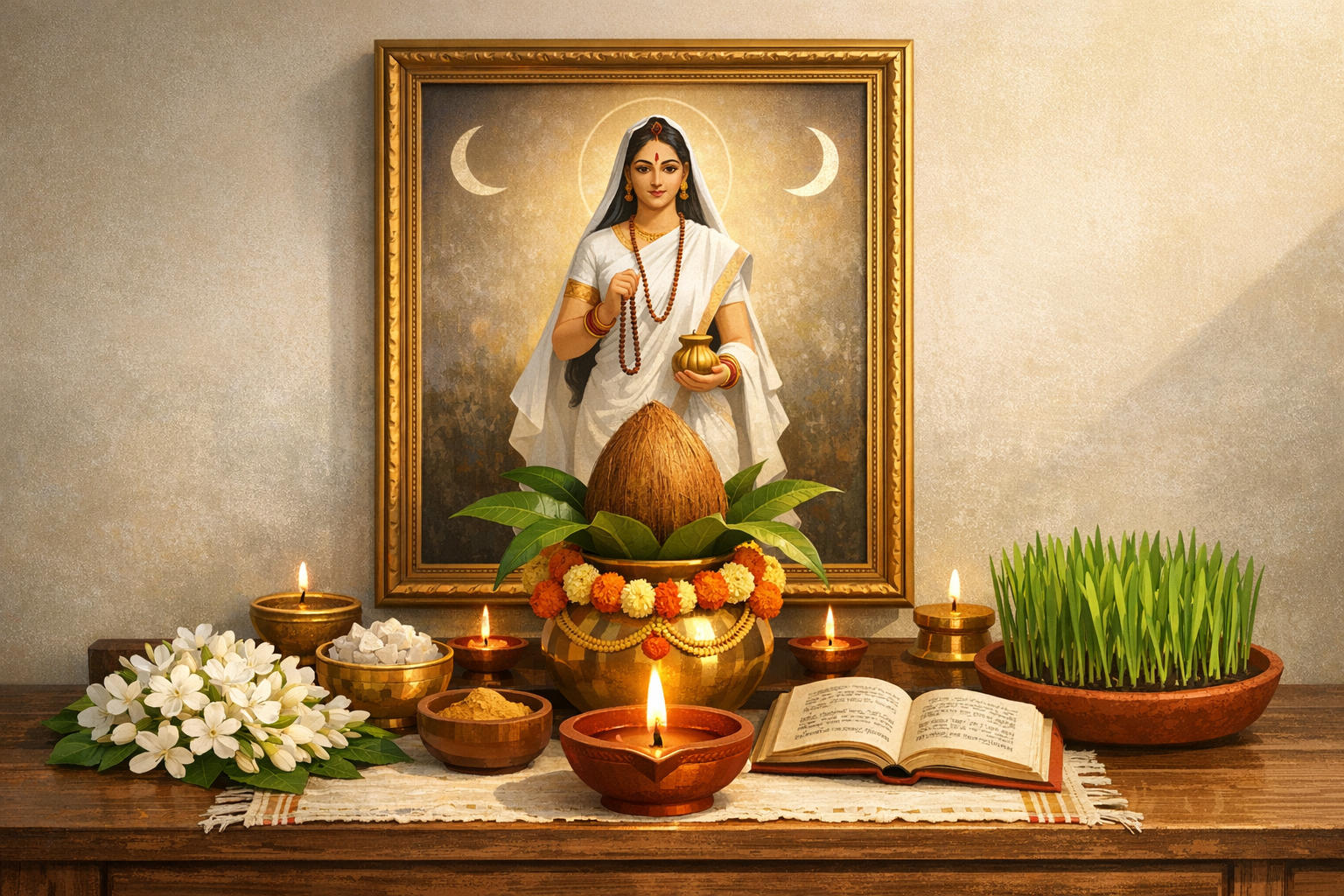
Ritually and philosophically, the second day centers on the worship of Goddess Brahmacharini, the ascetic form of the Divine Mother symbolizing tapas (austerity), inner resolve, and unbroken sadhana. Devotees often describe the Dwitiya atmosphere as one of steadying resolve: after the enthusiasm of day one (Shailaputri), the spiritual rhythm settles into disciplined practice, contemplative japa, and scriptural recitation. Many traditions relate this day to the swadishtana energy center, emphasizing purity, emotional balance, and the refinement of intention.
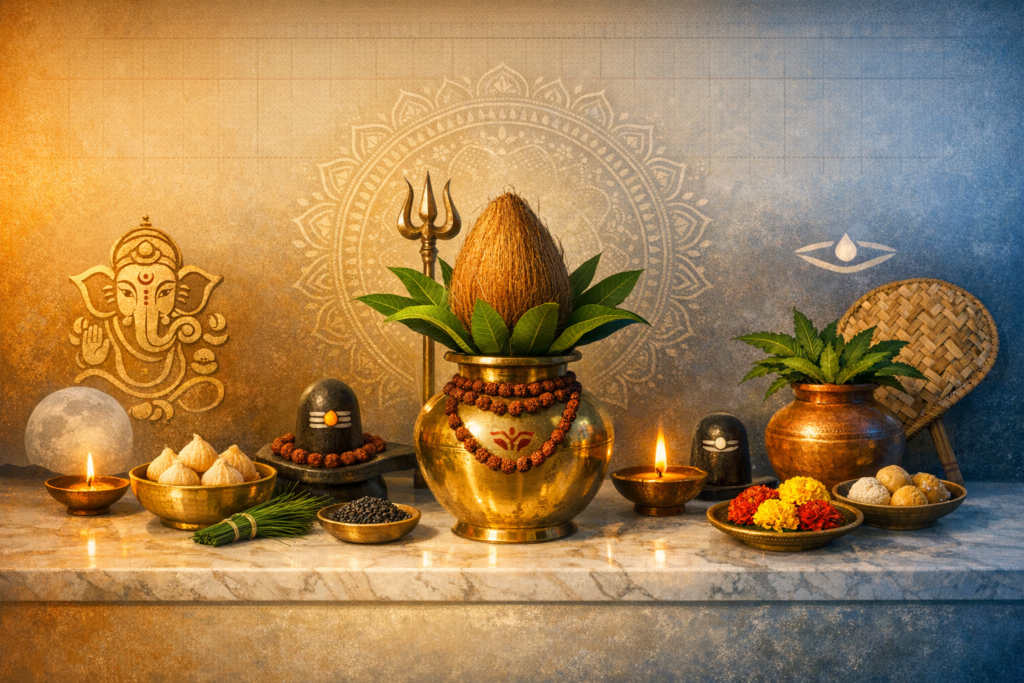
A simple yet complete home puja for the 2nd day of Navratri 2026 typically includes these elements. The altar is cleaned and arranged with a kalasha (if established on day one), images or yantras of the Goddess, a ghee lamp, incense, and white flowers. A sankalpa (ritual intention) is taken, aligning the observance with the precise date—Shukla Dwitiya of Chaitra (20 March 2026) or Shukla Dwitiya of Ashwin (12 October 2026)—and praying for inner fortitude and clarity.
The invocation (avahana) of Brahmacharini follows, with dhyana (meditative visualization) that contemplates the Mother as the embodiment of perseverance and serene strength. Traditional upacharas (offerings) include water, sandal paste, akshata, white flowers, and naivedya. A customary naivedya on this day is mishri (rock sugar) or simple satvik preparations, symbolizing the sweetness of steadfast devotion. Devotees continue daily readings from Devi Mahatmya (Durga Saptashati), with many lineages taking up portions of the Madhyama Charitra on Dwitiya.
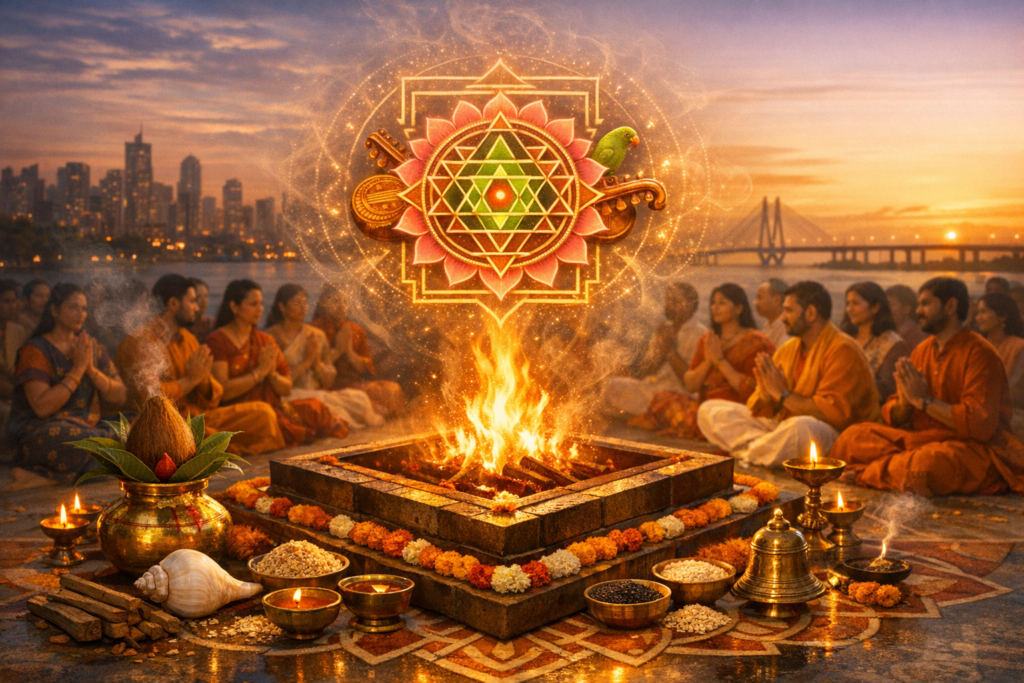
As the puja concludes, aarti is performed and kshama-prarthana (prayers for forgiveness) are offered. Some households add a brief homa or a pushpanjali (flower offering) while maintaining mindful silence for a few minutes to ground the experience. In temples, the 2nd day of Navratri 2026 often features community aarti, collective chanting, and cultural performances focused on the Navadurga themes.
Fasting disciplines on Dwitiya vary by family tradition. Observers commonly keep upavas (complete fast) or phalahar (fruits and light satvik foods), avoiding onion, garlic, and heavy grains. Hydration, simplicity in diet, and restraint in consumption are emphasized not merely as dietary rules but as supports for sharper attention during japa, meditation, and scriptural study. Many conclude the day with annadana (food sharing) as an expression of seva.
Regional practices on the 2nd day underscore the diversity of Navratri 2026. Preethi Dwitiya, in several southern and western communities, highlights familial harmony and affectionate bonds. Sthana Vriddhi Gauri Vrata is observed by some women as a Gauri-centered vow for maternal well-being and family prosperity. Sindhara Dooj, familiar in parts of Rajasthan and Haryana, carries the social warmth of gifting (sindhara) to married daughters and relatives—strengthening kinship ties that Navratri is known to nurture.
In Nepal, the second day of Dashain maintains the devotional cadence established on day one. Families keep the kalasha sanctified, water the jamara, and offer daily prayers to Goddess Durga, often visiting local shrines and sharing prasada with neighbors. The continuity of worship—rather than elaborate change in ritual content—stands out as a characteristic feature. For Nepali communities worldwide, this day carries a quiet emotional resonance, linking far-flung households to the rhythms of home through shared puja and remembrance.
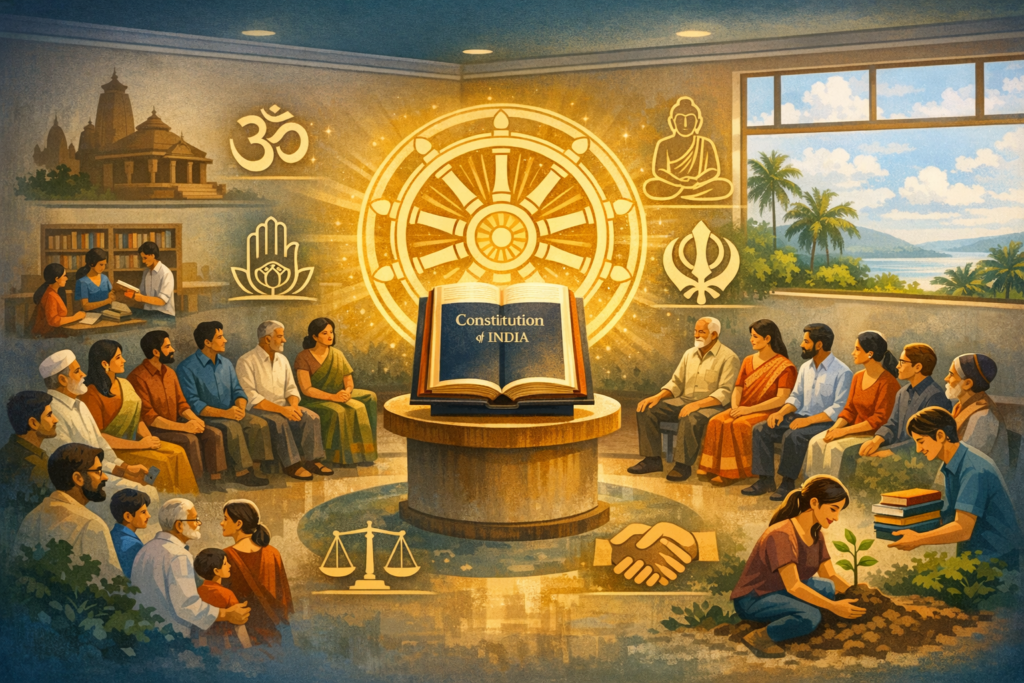
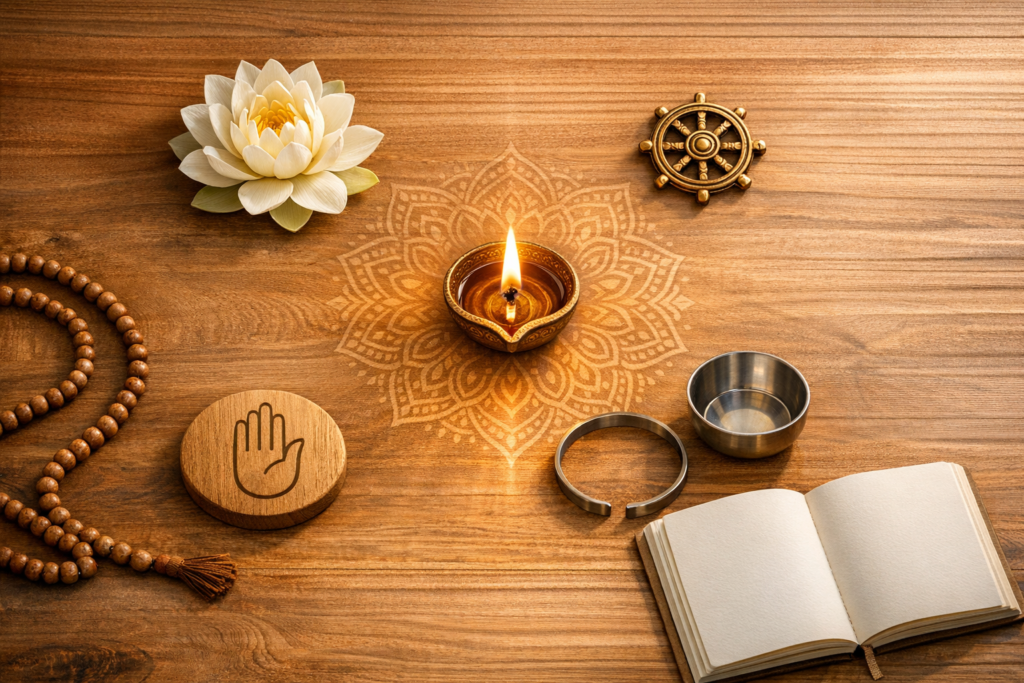
While Navratri is a Hindu festival, the values it elevates—discipline, compassion, self-reflection, and service—resonate across the broader dharmic family. Many Buddhists, Jains, and Sikhs recognize these shared ethical foundations in personal practice: focused meditation (dhyana), ahimsa-centered living, and seva to community. In that spirit, the 2nd day of Navratri 2026 can be appreciated as a period for deepening non-violent intent, cultivating inner steadiness, and honoring the feminine principle that dharmic traditions esteem in diverse ways.
Practical planning for the 2nd day of Navratri 2026 benefits from attention to local sunrise-based panchang data, particularly where Dwitiya spans two civil dates or crosses sunrise differently across time zones. Households observing the full sequence during Chaitra Navratri will mark 20 March 2026 for Brahmacharini Puja, while those emphasizing Shardiya Navratri will observe on 12 October 2026. Whether at home or in temple, simple, eco-conscious arrangements—clay lamps, seasonal flowers, biodegradable offerings—align the ritual with satvik and sustainable choices.
In summary, the 2nd day of Navratri 2026 invites steady practice and thoughtful engagement. On Chaitra Shukla Dwitiya (20 March 2026) and Ashwin Shukla Dwitiya (12 October 2026), communities across regions observe Brahmacharini Puja, continue Durga Saptashati recitation, and participate in regional vrats such as Preethi Dwitiya, Sthana Vriddhi Gauri Vrata, and Sindhara Dooj. In Nepal’s Dashain, the day sustains the sanctity of daily Durga Puja with devotion and simplicity. The shared dharmic emphasis on restraint, compassion, and service gives this day its enduring spiritual and cultural depth.
Inspired by this post on Hindu Pad.