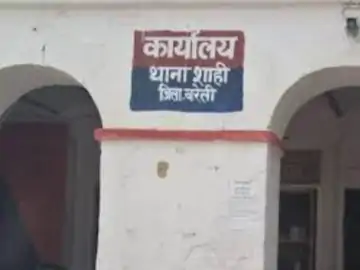
Reports from Panisagar, Tripura indicate local tension in the Pekuchhara area on December 31, 2025, following an alleged confrontation involving Muslim religious announcers and local groups over a public announcement related to a waz mehfil. While multiple narratives circulate, verified official statements remain limited, underscoring the importance of careful, evidence-based assessment in fast-moving situations of public concern.
According to local accounts, community members questioned whether permissions had been appropriately obtained for amplified announcements regarding the waz mehfil. The exchange reportedly escalated, leading to scuffles and heightened anxiety among residents. In the absence of complete official documentation, the incident is best understood as an evolving law-and-society matter that requires impartial inquiry and calm engagement.
Tripura’s diverse social fabric has historically relied on mutual respect, procedural compliance, and responsive administration to balance the freedoms of religious expression with public order norms. The applicable legal framework in India protects the right to religious practice while also mandating adherence to local sound, assembly, and public safety protocols. When questions arisesuch as the status of permissions for public announcementsstructured verification and mediation are more effective than confrontation.
Observers note that community safety and communal harmony are best served when stakeholderscivic authorities, religious organisers, and neighbourhood representativesprioritise transparency and dialogue. In many towns across Northeast India, coordination with local authorities for processions, announcements, and events lowers the risk of misunderstanding. Such practical collaboration aligns with broader peacebuilding and interfaith dialogue efforts that strengthen social trust.
Dharmic traditionsHinduism, Buddhism, Jainism, and Sikhismshare ethical commitments to non-violence, truthfulness, compassion, and respectful coexistence. Applying these principles to contemporary civic challenges encourages cooler heads to prevail, allows facts to be established, and opens space for restorative solutions. In contexts like Panisagar, these shared values can transform tension into an opportunity for learning, empathy, and improved community protocols.
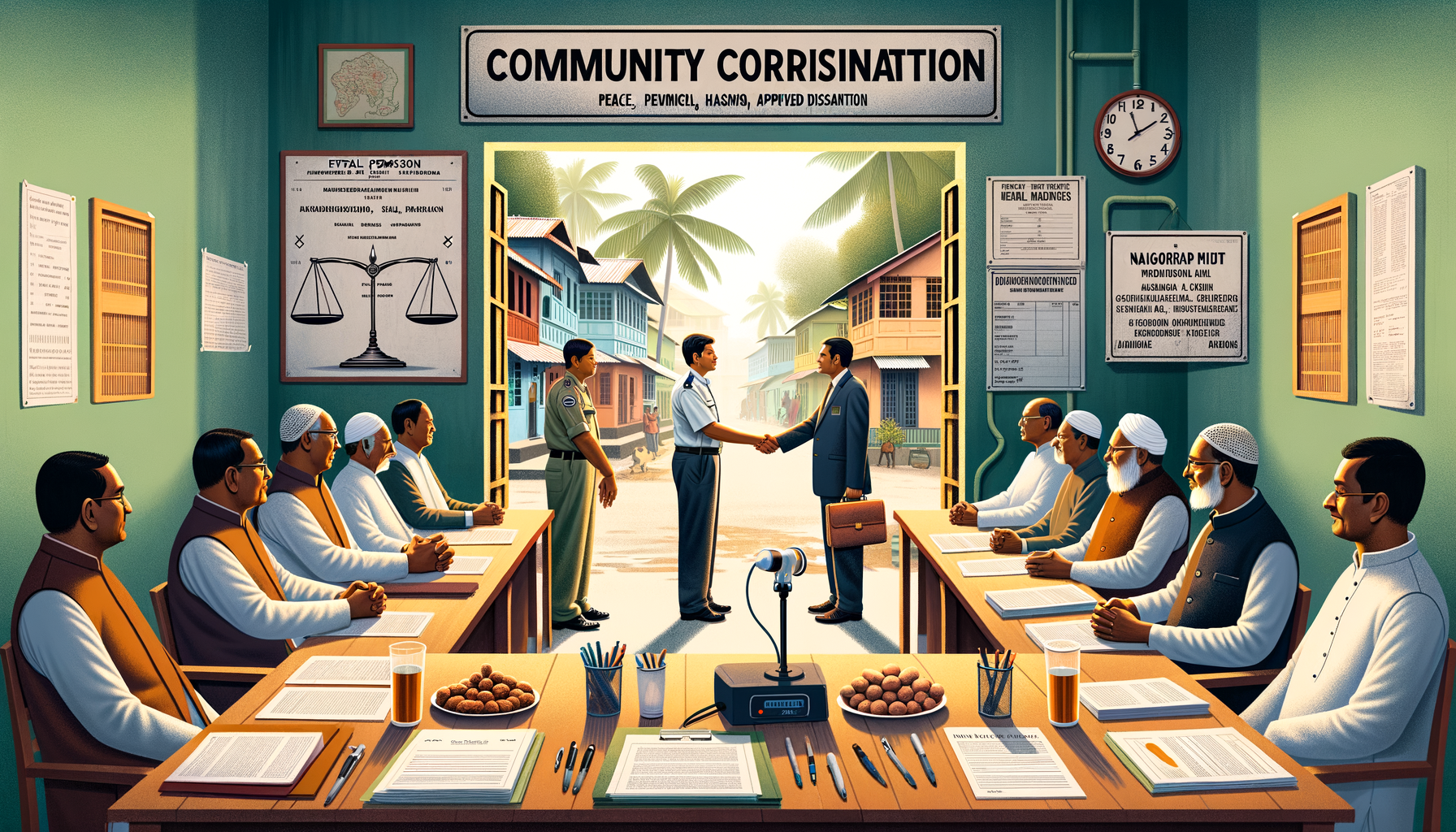
Practical steps frequently recommended by community practitioners include: advance notification to local authorities; written permission for public announcements and sound amplification; formation of joint neighbourhood liaison groups; clear event timings; and a hotline or rapid contact mechanism for resolving disputes. These measures complement constitutional guarantees while preserving a predictable, respectful environment for all residents.
Hindu-Muslim relations in Tripura and elsewhere in India benefit from consistent, process-based engagement over ad hoc reactions. When disagreements about “authorisation” arise, a neutral audit of permissions and a mediated conversation typically de-escalate concerns. This approach prevents isolated incidents from widening into broader social rifts and reinforces the norm that rights and responsibilities function together.
Going forward, an impartial administrative review can clarify the sequence of events, verify compliance with local regulations, and recommend improvements to event coordination. Parallel community dialoguesfacilitated by civil society and informed by dharmic ideals of harmonycan help rebuild confidence. By centering lawful process, interfaith dialogue, and communal harmony, Panisagar can reaffirm its commitment to a shared civic culture that respects diversity while safeguarding public order.
Inspired by this post on Struggle for Hindu Existence.