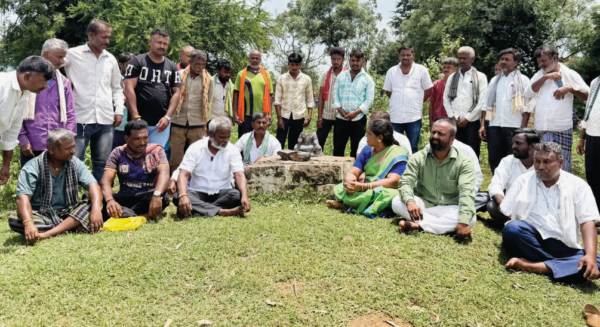
Agra Kalibari Temple, a revered shrine to Goddess Kali in Uttar Pradesh, stands at the confluence of living history and enduring devotion. Nestled within a city celebrated for monumental architecture, this temple foregrounds a different legacyone shaped by community memory, ritual continuity, and spiritual resilience.
Accounts preserved in local narratives situate the shrine’s prominence over more than two centuries. Rather than grand inscriptions, the temple’s authority rests on daily practice, collective stewardship, and the quiet constancy of worship that has anchored generations of devotees in Agra.
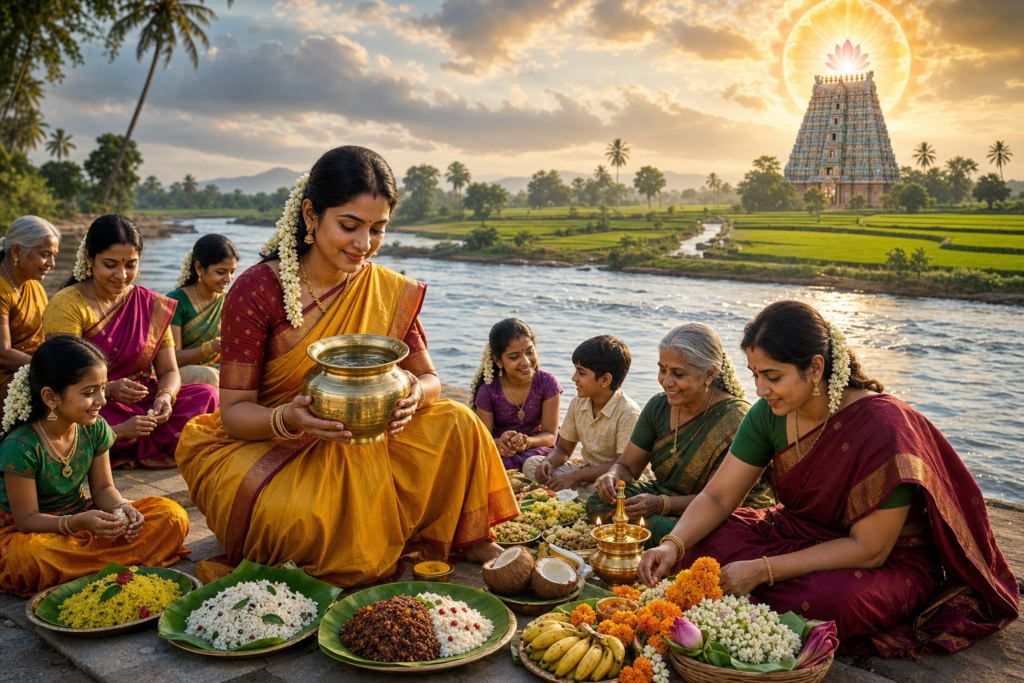
Among its most cherished traditions is the lore of a “miracle pot,” a sanctified kalasha associated with vows, gratitude, and answered prayers. While such associations belong to the domain of faith rather than empirical verification, the symbolism resonates with dharmic ideals of abundance, protection, and gracevalues honored across Hinduism, Buddhism, Jainism, and Sikhism.
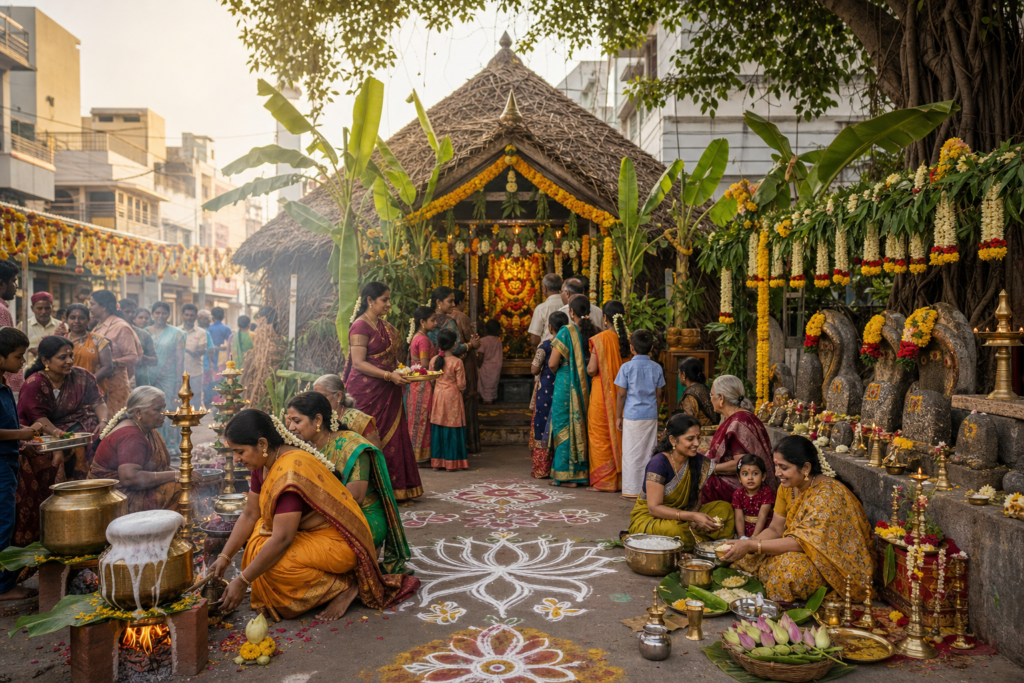
Worship at the Kalibari Temple typically centers on aarti, mantras, and bhajans dedicated to the fierce-and-compassionate Kali. Devotees often gather with special fervor during Amavasya, Navaratri, and the season of Kali Puja observed widely in North India, aligning personal aspirations with the temple’s contemplative cadence of prayer and offering.
The temple’s ambience is defined by the fragrance of incense, the hum of collective chanting, and the rhythm of bellssensory cues that cultivate focus, humility, and surrender. These practices nurture inner strength and clarity, inviting visitors to transform fear into courage and uncertainty into trust.
Historically, the shrine reflects Agra’s cultural continuum: a living institution shaped by neighborhood participation, evolving ritual use, and careful caretaking. In the absence of exhaustive archival records, oral histories and community recollection remain the most reliable guides to its past and its role in the city’s spiritual life.
Goddess Kali’s presence here is interpreted not only as a force of protection but also as an ethical compassurging compassion, courage, and responsibility. These are virtues shared across dharmic traditions, offering a unifying lens through which diverse seekers can appreciate the temple’s significance without sectarian boundaries.
Visitors who approach the space with reverenceobserving temple etiquette, maintaining quietude, and honoring the sanctity of ritualscontribute to the continuity of this heritage. Such mindfulness sustains both the spiritual atmosphere and the community relationships that keep the shrine vibrant.
Agra Kalibari Temple thus emerges as a site where devotion and tradition reinforce one another: the “miracle pot” remains a symbol of hope, the rites embody collective memory, and the space itself invites reflection. As a living heritage of Uttar Pradesh, it affirms how faith practices, responsibly upheld, can preserve cultural identity while welcoming the shared values of the broader dharmic family.
Inspired by this post on Hindu Blog.