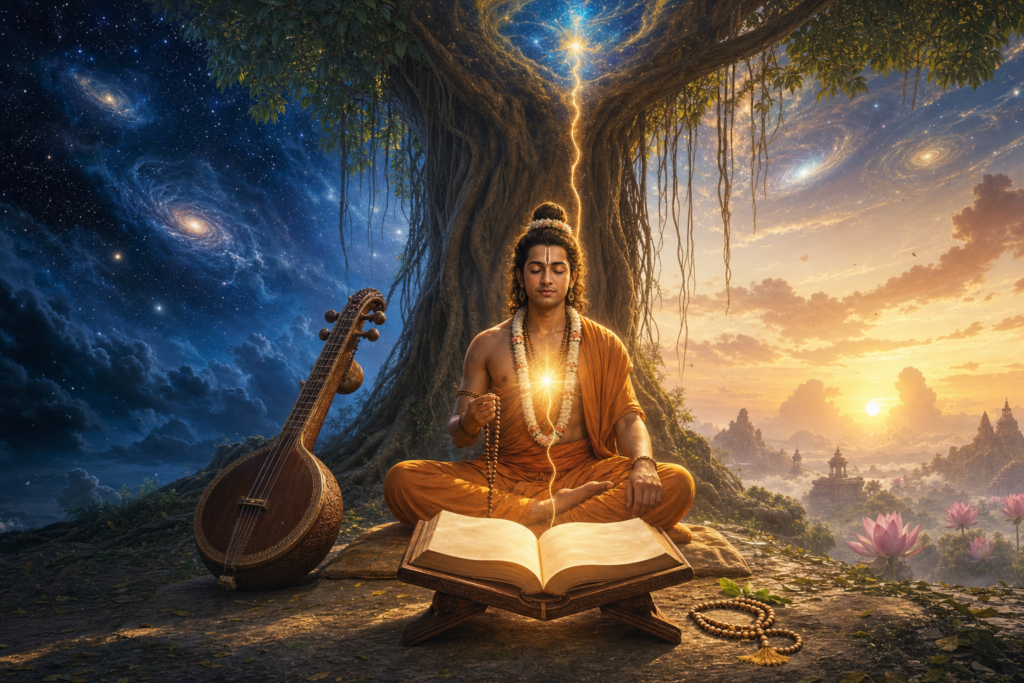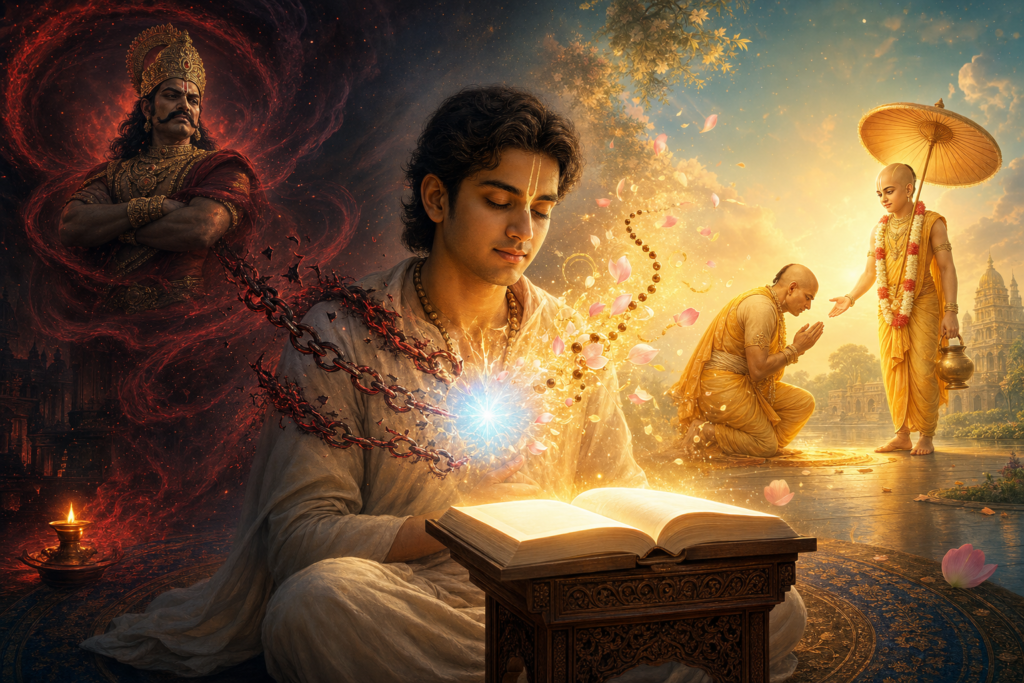
In many Hindu households, the moment after death is marked by a quiet that feels both ordinary and altered. The space still carries the scents of ghee and incense, and yet the world seems shifted by a subtle degree. In this transitional pause, families often recount a perceptible change in the air and the gentle instruction to “Start the Gita,” so the final sounds are the assurances of the Bhagavad Gita rather than panic or machinery. In other homes, the Garud Purana is opened in the evenings that follow, offering a sober guide to the soul’s journey between death and the thirteenth day.
These recitations hold the threshold, but shraadh sustains what comes after. On the thirteenth day, grief is formed into actionwater poured, rice and sesame offered, names spoken through Tarpanso a life does not dissolve into the past tense. The ritual affirms continuity: the departed mattered enough to be carried forward, remembered with dignity, and woven into familial and communal memory.
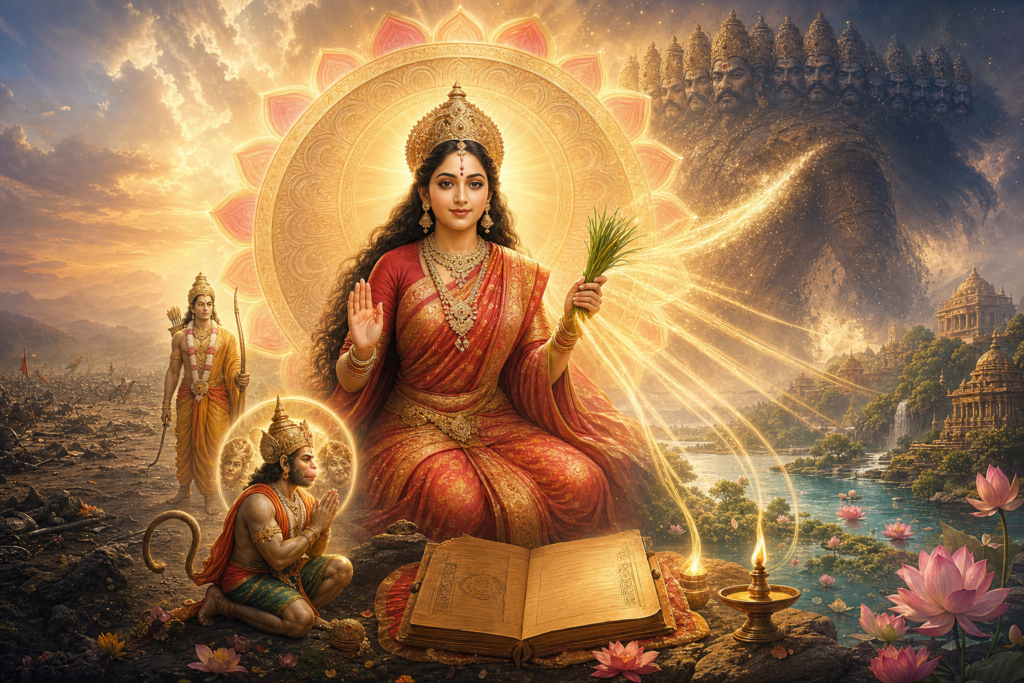
The meaning of shraadh intensifies when those remembered are Hindus in Bangladesh killed because of who they are. Temples intended as sanctuaries became targets, and many families were denied a proper goodbye. Some deaths were buried beneath fear or silence; some were reduced to statistics and arguments before they were even reduced to ashes. In such circumstances, remembrance assumes a public moral purpose.
For the Hindu diaspora, especially in North America, everyday concerns at the mandirarriving in time for aarti, carrying a shawl against the chill, receiving prasad, silencing a phonecollide with images of a bent temple gate, a shattered murti, and a crowd outside a home. The instinct to scroll past such images as mere “news” meets an ethical resistance: identity should never be a reason for insecurity, and prayer should never be a source of fear.
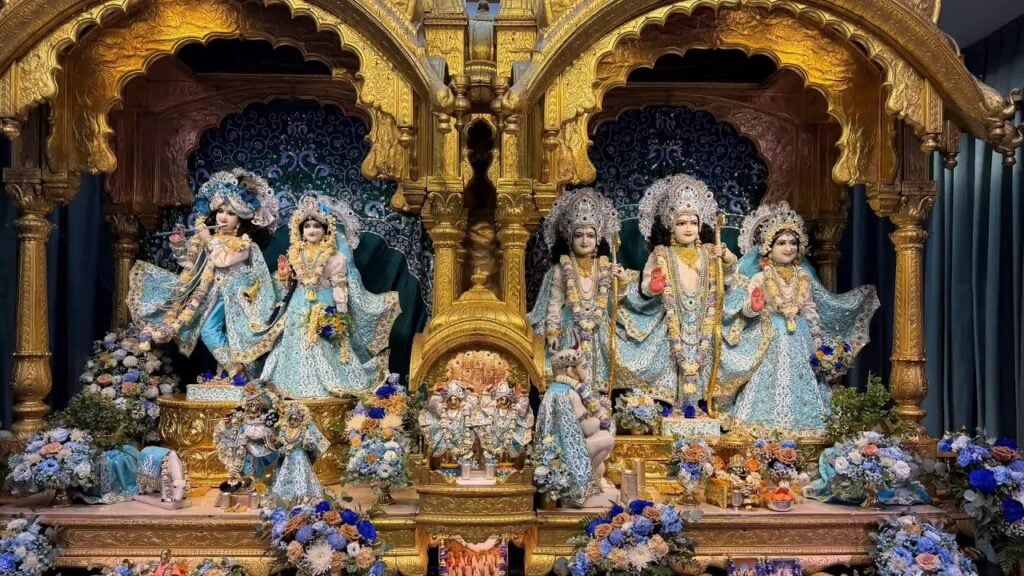
Temples matter precisely here. A temple is not only a building; it is a public heartbeat that turns strangers into a momentary “we.” A bell reminds the nervous system that one is not alone. The same mantras endure beyond the lives of those who first whispered them. In this way, temples convert private anguish into shared purpose.
Accordingly, remembrance for Bangladesh Hindus should be temple-level and communalnot limited to social media outrage or a brief private prayer. Shraadh is designed to be dignified, collective, and unignorable, a visible stance that the community does not abandon the dead.
Consider a map of devotion drawn across continents on the same day: in a mandir in New Jersey, sesame and water flow through cupped hands in Tarpan, a river formed by palms. In a temple in Houston, the hall smells of camphor and hot chai as steady chanting builds a wall of sound. In a Shakta temple in California, the Chandi path carries the cadence of thunder, signaling that violence does not get the last word. In a Vaishnava temple, kirtan rises with the quiet insistence that protection is part of love. In a Shiva temple, Rudrabhishekam pours milk and water over the lingam as a vow that grief can become steadiness. Different hands. Different deities. One intention.
For the Hindus killed in Bangladesh, the global community undertakes shraadh. The affirmation is simple and enduring: “You were ours. You still are.”
Shraadh is not quick and not polite; it resists erasure. It is a religious declaration that what happened will not be forgotten and that offerings and witness will continue. It is also protection for the living. When a temple in the United States announces shraadh for Hindus killed in Bangladesh, it communicates that every Hindu life is worthy of public mourning, that no death is disposable, and that the community will show up.
This work of remembrance is strongest when rooted in dharmic unity. Across Hindu, Buddhist, Jain, and Sikh traditions, honoring the departed and protecting the living converge through prayer, reflection, and seva. Mandirs, viharas, derasars, and gurdwaras can host shared observanceskirtan, collective chanting, moments of metta and shantiaffirming unity in spiritual diversity and a collective resolve to safeguard dignity and peace.
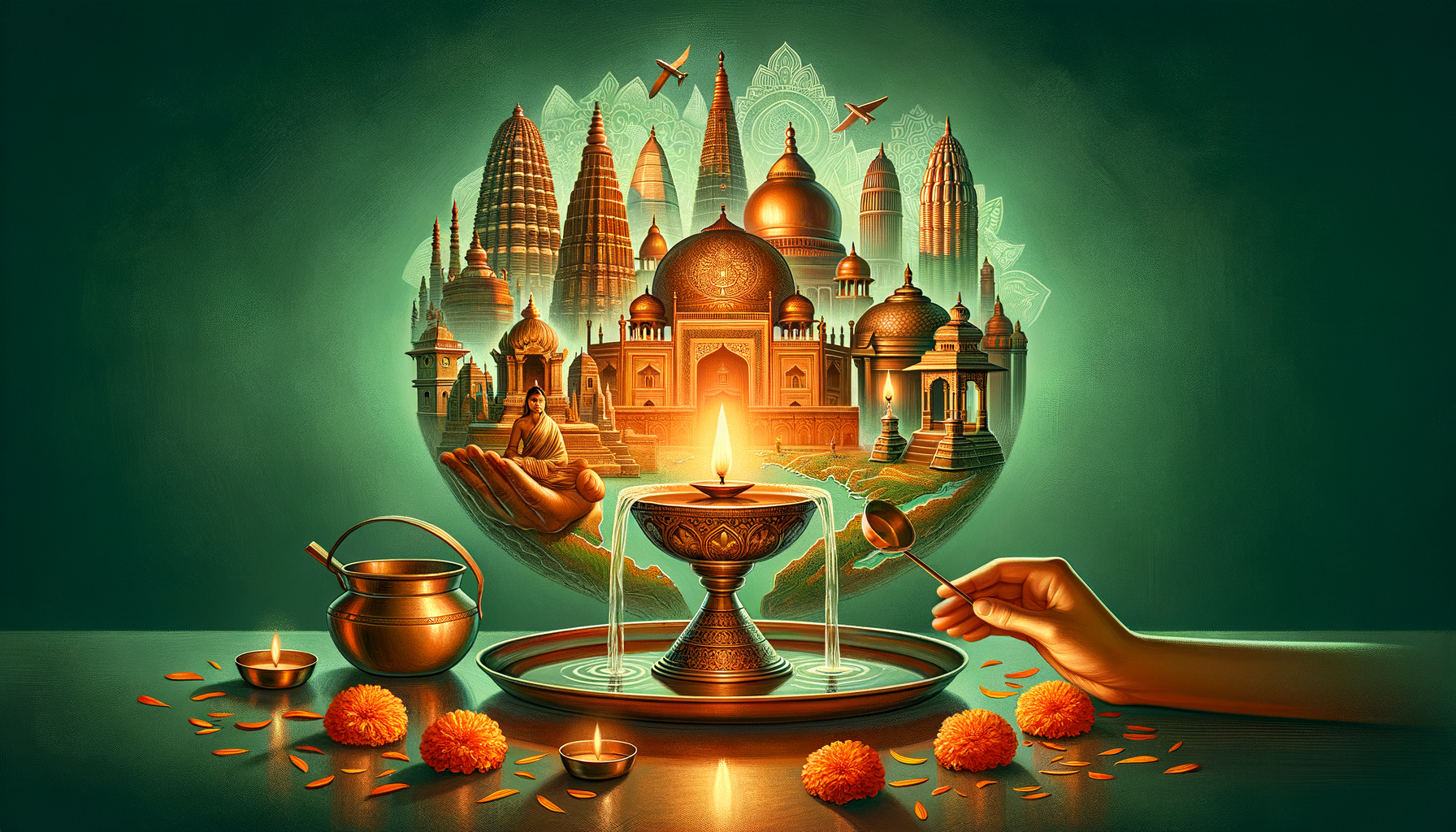
Let remembrance be a lampnothing flashy, nothing cheap, simply real: a room, a bell, a lamp, a mantra, a vow. May this offering reach those who were taken before their time. May it reach those whose families could not grieve out loud. May it reach the ones whose names the world will not pronounce correctly, and still, whose souls deserve honor. Remembered not as a headline, but as people with feet that walked, hands that built, mouths that prayed. May the living be protected. May fear be broken. May Dharma stand where mobs try to stand. And may temples, across the world, stay awake.
Inspired by this post on CoHNA.