
-
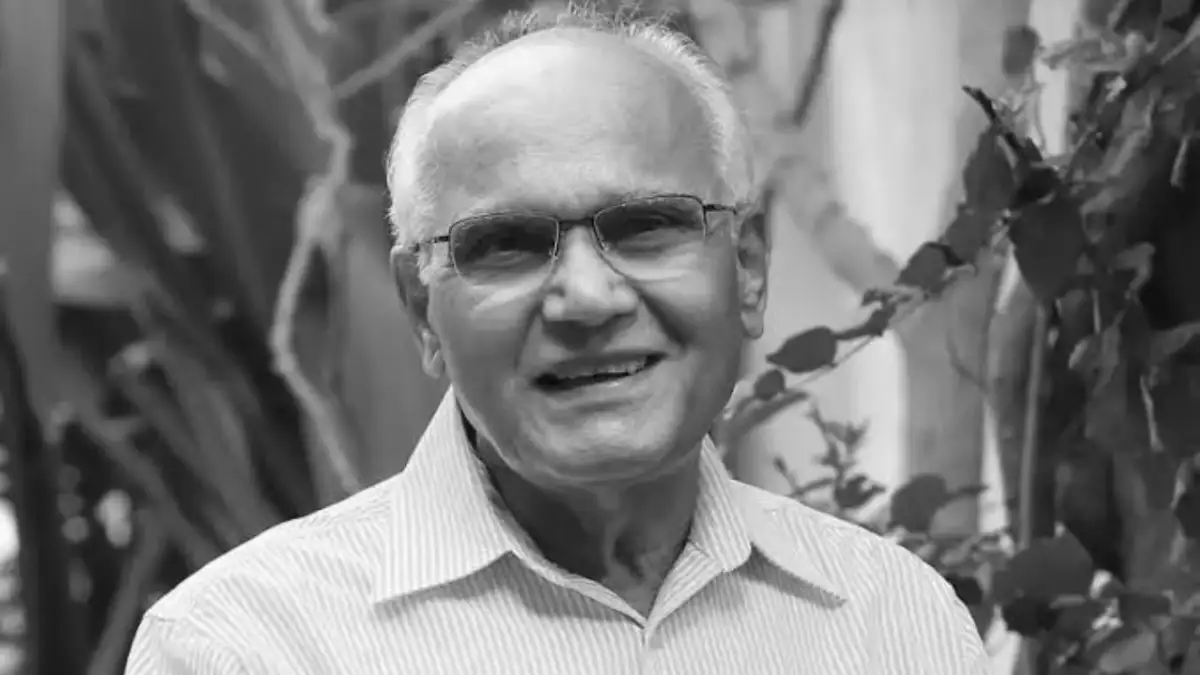
Discover the Transformative Legacy of S.L. Bhyrappa
Read more: Discover the Transformative Legacy of S.L. BhyrappaExplore the transformative legacy of S.L. Bhyrappa, a literary giant whose works resonate with cultural richness and philosophical depth. Delve into his timeless narratives and discover the profound truths within.
-
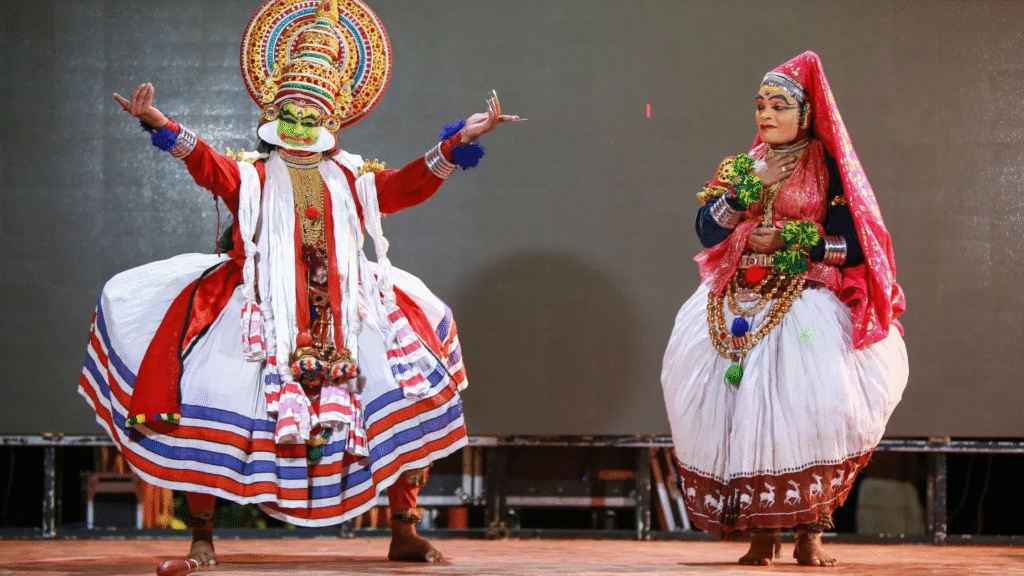
The Ultimate Onam Guide: Discover Mahabali’s Homecoming and a Proven Dharmic Unity Path
Read more: The Ultimate Onam Guide: Discover Mahabali’s Homecoming and a Proven Dharmic Unity PathThis academic reflection explores Onam as a practice-based, inclusive cultural tradition that welcomes participants beyond regional and linguistic lines. It presents Mahabali’s homecoming as a model of ethical leadership and humility, central to the festival’s enduring appeal. Readers gain insight into how food, hospitality, and shared rituals initiate participation and strengthen emotional well-being, especially in…
-
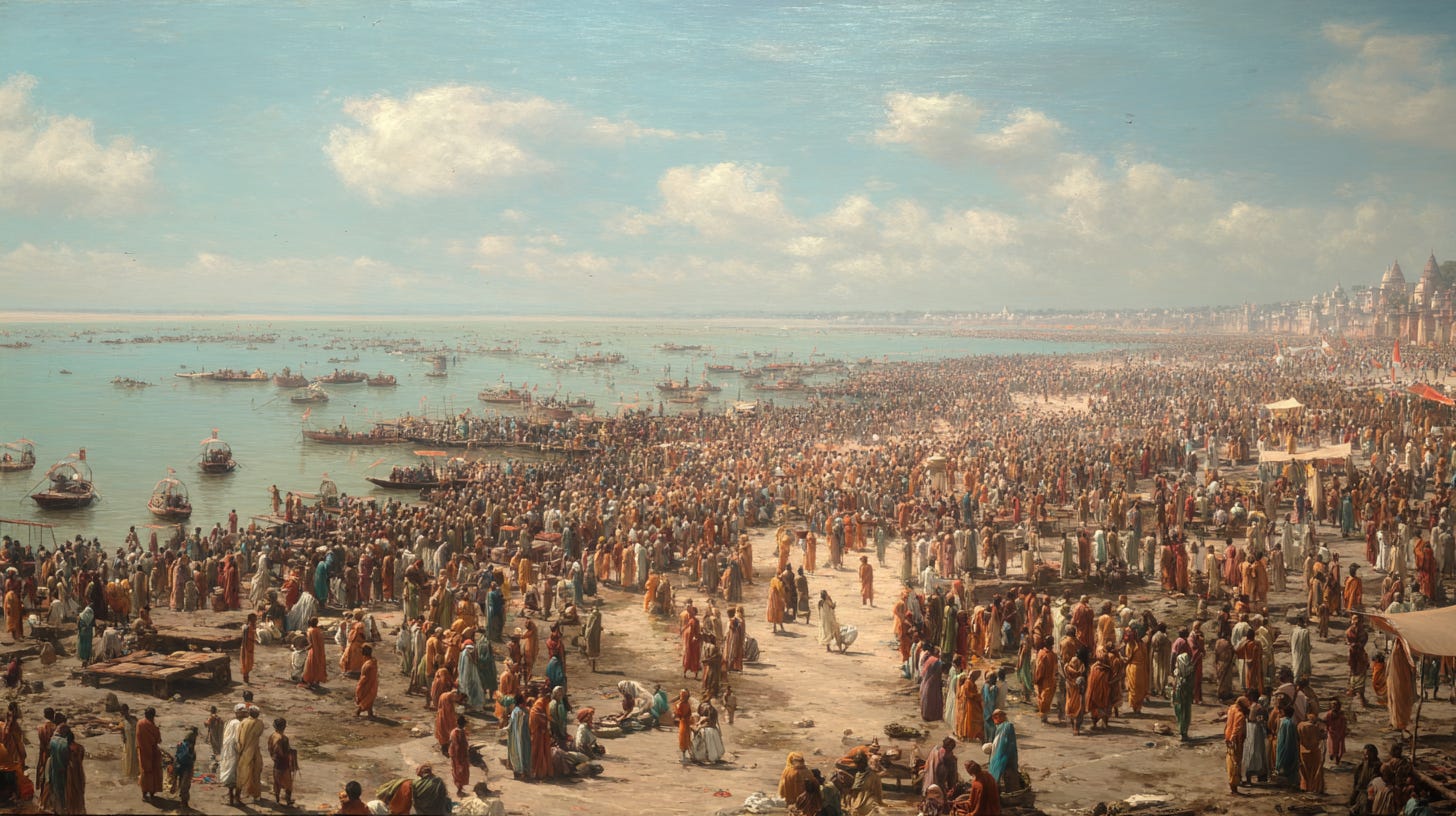
Discover the Evidence-Based Saga of Meos and Malkana Rajputs: Ghar-Wapsi Lessons for Hindu Society
Read more: Discover the Evidence-Based Saga of Meos and Malkana Rajputs: Ghar-Wapsi Lessons for Hindu SocietyThis article explores how the histories of Meos and Malkana Rajputs illuminate the challenges and possibilities of Ghar-Wapsi within Hindu Society. Readers discover how social beliefs, clerical authority, and political pressures shaped conversion and reconnection over centuries. The analysis highlights documented efforts by Arya Samaj under Swami Shraddhananda and the complexities recorded by D.R. Bhandarkar…
-

Urgent Call to Safeguard Hindu Culture in Canada
Read more: Urgent Call to Safeguard Hindu Culture in CanadaAs a member of the Coalition of Hindus of North America, I am deeply concerned about the rising threats to Hindu cultural expressions in Canada, from temple vandalism to attacks on Indian films.
-
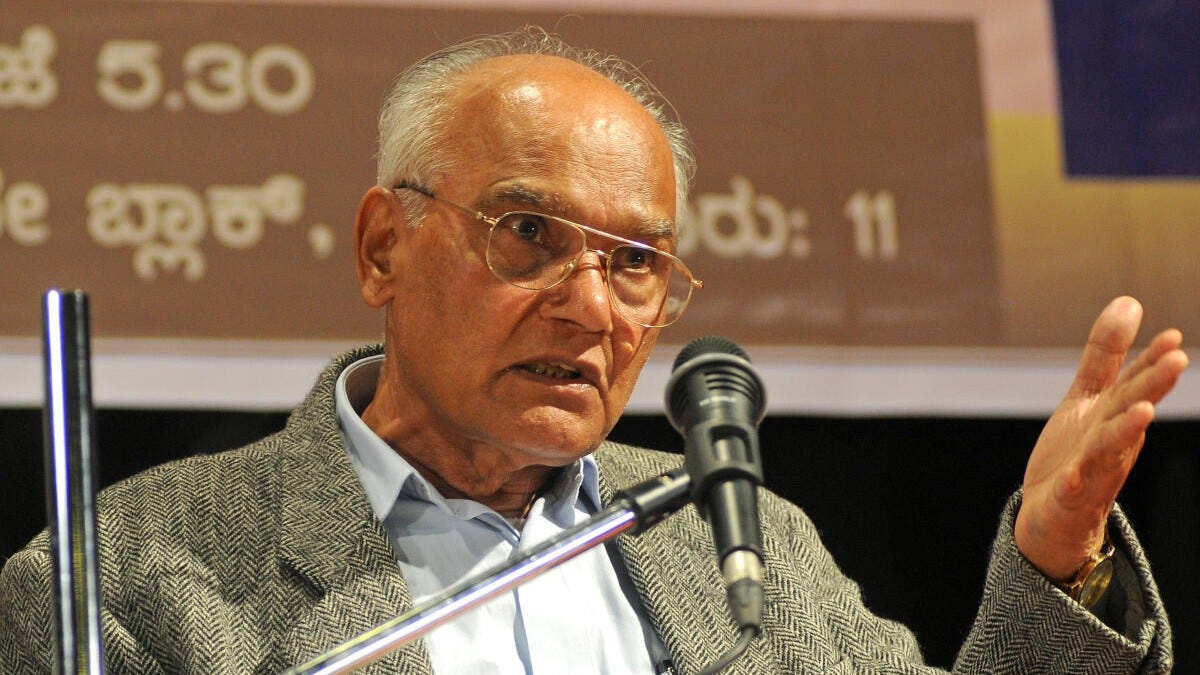
Celebrating the Legacy of S.L. Bhyrappa: A Literary Titan
Read more: Celebrating the Legacy of S.L. Bhyrappa: A Literary TitanReflecting on the life and legacy of S.L. Bhyrappa, a literary titan whose work resonates across generations.
-
The Aryabhata Number System
Read more: The Aryabhata Number SystemThe **Aryabhata Number System** showcases the ingenuity of ancient Indian mathematicians, with Aryabhata inventing a unique method of numerical representation using Samskritam letters. His seminal work, the **Aryabhatiya**, composed in 499 CE, is divided into four sections covering astronomical constants, mathematics, time reckoning, and celestial geometry. Aryabhata’s notable contributions include the use of the decimal…
-
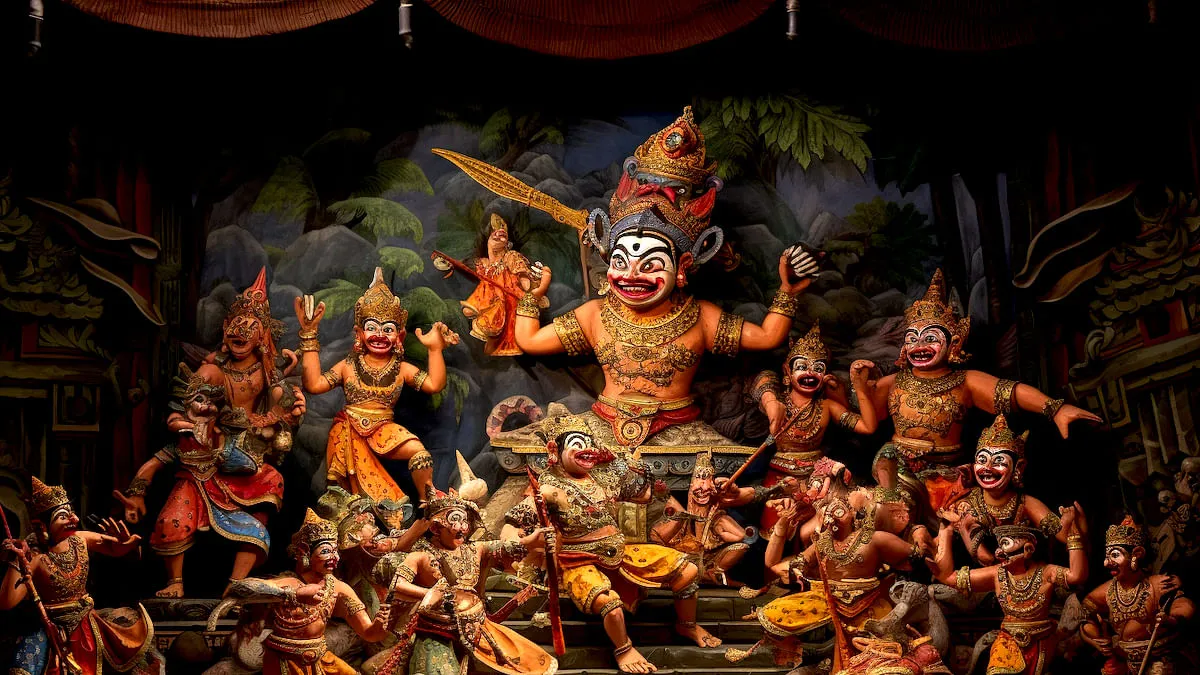
The Sprawling Heritage of the Hindu Legal System in Bali and Java
Read more: The Sprawling Heritage of the Hindu Legal System in Bali and JavaThe Hindu cultural conquest of Southeast Asia remains unique in history. Ancient Indian colonists brought civilization, art, religion, and legal systems, profoundly influencing Bali and Java. This post explores how these regions voluntarily embraced and modeled their societies after Hindu culture, highlighting Nehru’s betrayal of these ancient ties.
-
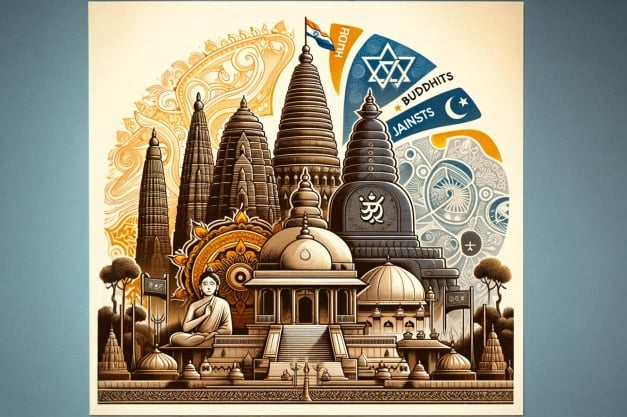
Bharat: The Natural Home for Sanatanis (Hindus, Buddhists, Jains, and Sikhs)
Read more: Bharat: The Natural Home for Sanatanis (Hindus, Buddhists, Jains, and Sikhs)“Bharat: The Natural Home for Sanatanis (Hindus, Buddhists, Jains, and Sikhs)” explores why India is the intrinsic homeland for these ancient religions. The post highlights India’s historical roots as the birthplace of these faiths, its rich cultural and spiritual heritage, and the preservation of ancient knowledge and texts. It emphasizes the socio-cultural practices and festivals…
-
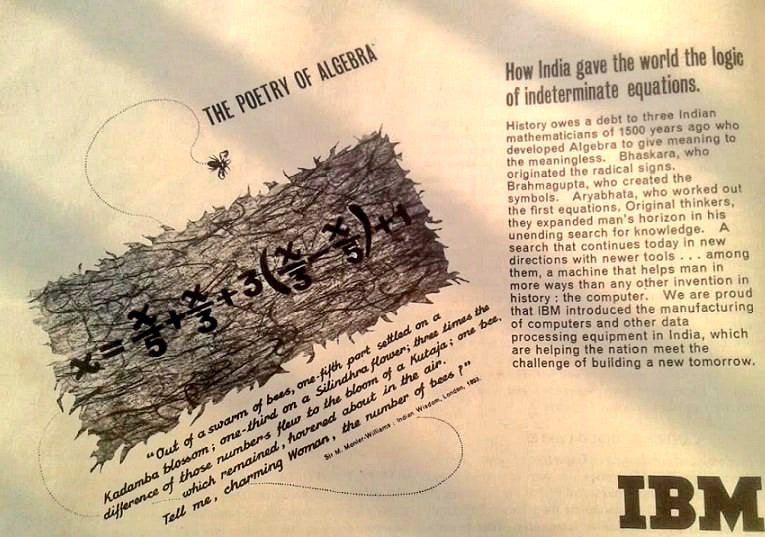
The Poetry of Algebra: How India Contributed to the Logic of Indeterminate Equations
Read more: The Poetry of Algebra: How India Contributed to the Logic of Indeterminate EquationsThis blog post explores the contributions of ancient Indian mathematicians Bhaskara, Brahmagupta, and Aryabhata to algebra, highlighting their work on indeterminate equations. It emphasizes the poetic beauty of algebra and its enduring legacy, connecting historical mathematical innovations to modern technology and the development of computers in India.
-

What is THE TRUTH?
Read more: What is THE TRUTH?This blog post explores the concept of truth and its multifaceted nature. Using a story of students observing a tree differently, the post illustrates how each person’s understanding of truth is shaped by their unique perspective and experiences. It delves into the limitations of human abilities in comprehending the entirety of truth, drawing parallels with…
-

The Myth that Mohandas Gandhi Alone Delivered Freedom to India
Read more: The Myth that Mohandas Gandhi Alone Delivered Freedom to IndiaA hundred and fifty-four years after his birth, the legacy of Mohandas Karamchand Gandhi remains contested in India. Much of this uncertainty stems from extensive propaganda that has obscured vital truths about Gandhi as an activist, leader, politician, demagogue, and unlikely saint. One of the most enduring myths is encapsulated in the single word: Mahatma.…
-

From Sthula to Sukshma: The Journey of Spiritual Practice
Read more: From Sthula to Sukshma: The Journey of Spiritual PracticeThis blog post explores the journey from gross to subtle in Sanatana Dharma through meditation and japa. It delves into the importance of increasing sattva, the role of chakras in Raja Yoga, and the progressive nature of spiritual practices, emphasizing focus and one-pointedness to achieve spiritual realization.
-
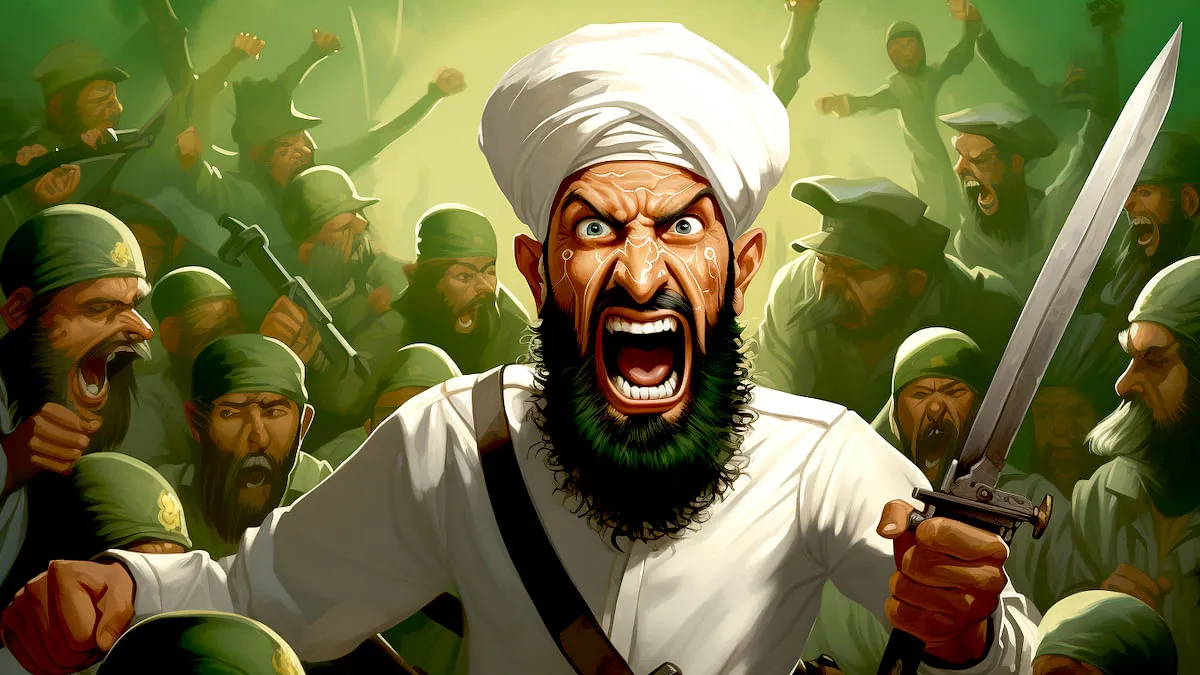
Meet Bahadur Yar Jung: A Hyderabadi Pioneer of Pakistan
Read more: Meet Bahadur Yar Jung: A Hyderabadi Pioneer of PakistanSyed Muhammad Kasim Razvi, a fervent bigot, rose to power in Hyderabad under Nizam Mir Osman Ali. Razvi’s influence led to the persecution of Hindus and the establishment of an Islamic state. His rapid ascent and ruthless tactics dramatically reshaped the region’s political and religious landscape, leaving a lasting impact.
-
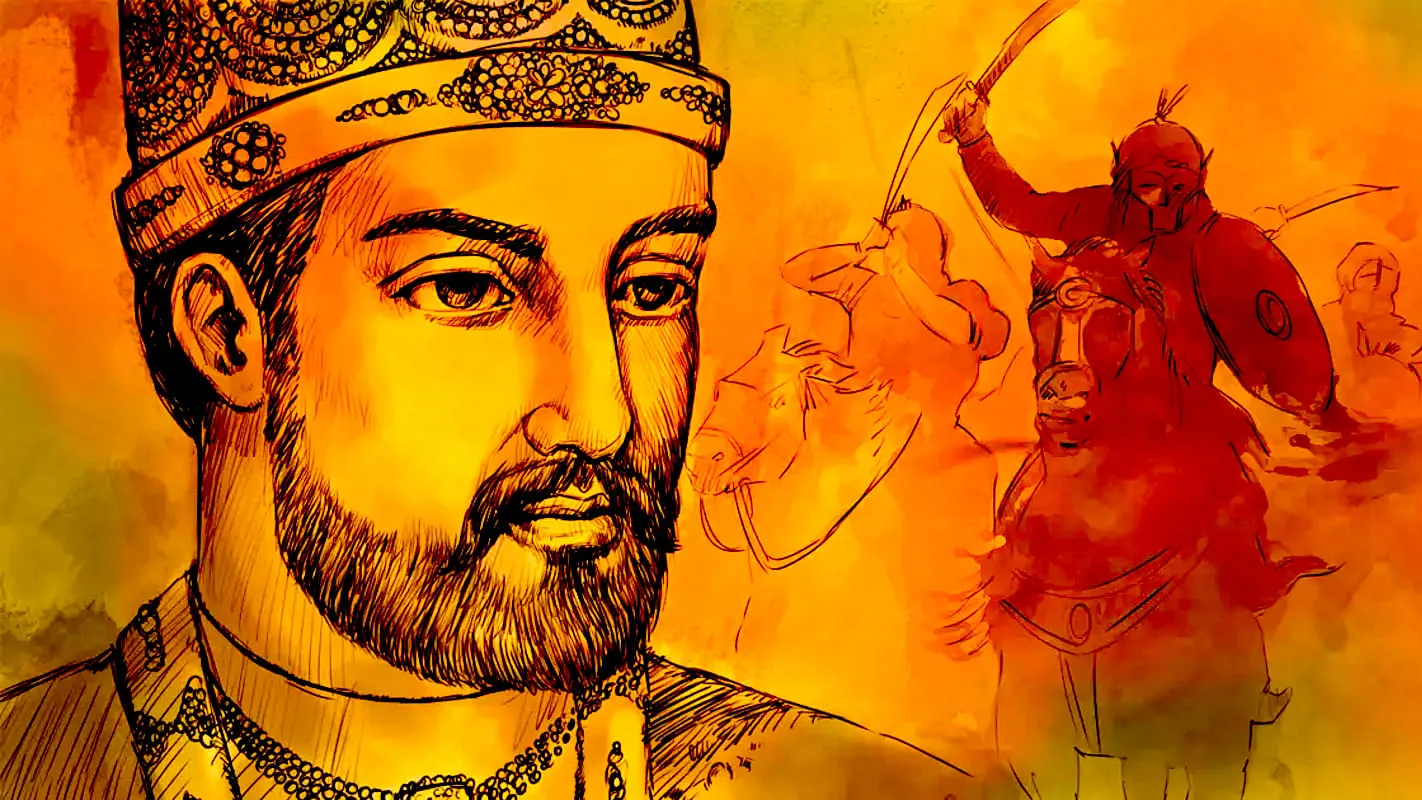
When Bakhtiyar Khalji Wiped out Gauda-Desa from Existence
Read more: When Bakhtiyar Khalji Wiped out Gauda-Desa from ExistenceBakhtiyar Khalji’s catastrophic devastation of the ancient city of Gaur marked a pinnacle in his career of plunder and genocide. Gaur, a historic center of Sanskrit learning and Hindu culture, was thoroughly obliterated, replaced by Islamic structures. This transformation permanently altered Bengal’s cultural and religious landscape, erasing its Sanatana past.
-
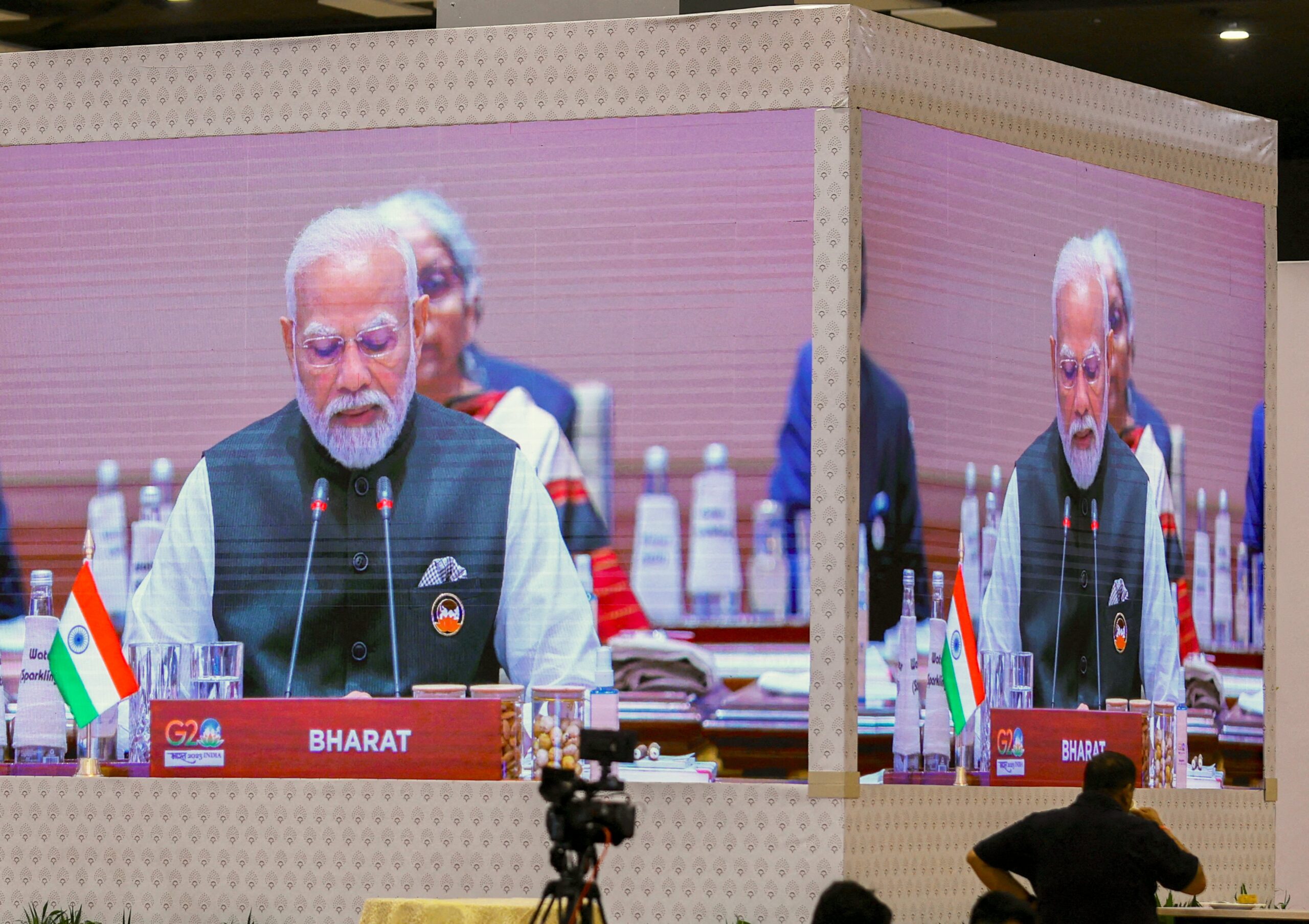
Jaishankar affirms India’s growing global role, says “This is an India that is more Bharat”
Read more: Jaishankar affirms India’s growing global role, says “This is an India that is more Bharat”External Affairs Minister S Jaishankar highlights India’s evolving role on the global stage, emphasizing the nation’s fusion of traditional values with modern advancements. Reflecting on India’s progress, from cashless payments to lunar missions, he underscores the country’s strides in women’s empowerment and inclusive growth. Jaishankar emphasizes India’s diplomatic initiatives, navigating complex global scenarios like the…
-
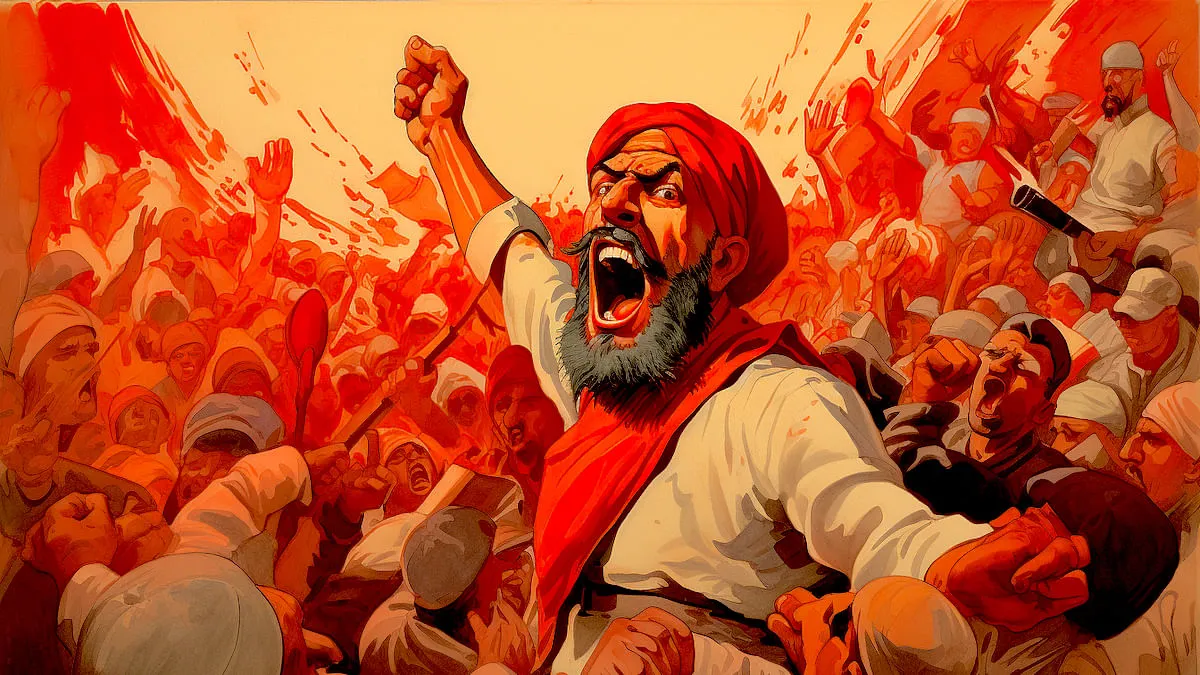
“We have been ruling the Deccan for the last 800 years!”- Excerpts from Kasim Razvi’s 1948 Speech
Read more: “We have been ruling the Deccan for the last 800 years!”- Excerpts from Kasim Razvi’s 1948 SpeechThe excerpt captures the fervent speech of Kasim Razvi, depicting the tumultuous period during Hyderabad’s integration into India in 1947-48. Razvi’s inflammatory rhetoric, emphasizing an Islamic state and inciting violence against Hindus, underscores the atmosphere of fear and division orchestrated by the Razakars, his militant group. The speech not only reflects a deep-seated religious animosity…
-

Parliament Of The World’s Religions Features Discussion On Distinguishing The Sacred Swastika From Hitler’s Hakenkreuz
Read more: Parliament Of The World’s Religions Features Discussion On Distinguishing The Sacred Swastika From Hitler’s HakenkreuzThe panel at the Parliament of the World’s Religions in Chicago focused on distinguishing the sacred Swastika from Hitler’s Hakenkreuz, featuring representatives from various faiths who highlighted the historical, cultural, and spiritual disparities between these symbols. Emphasizing the Swastika’s ancient origins and positive connotations across Hindu, Buddhist, Jain, and Native American traditions, the discussion clarified…
-
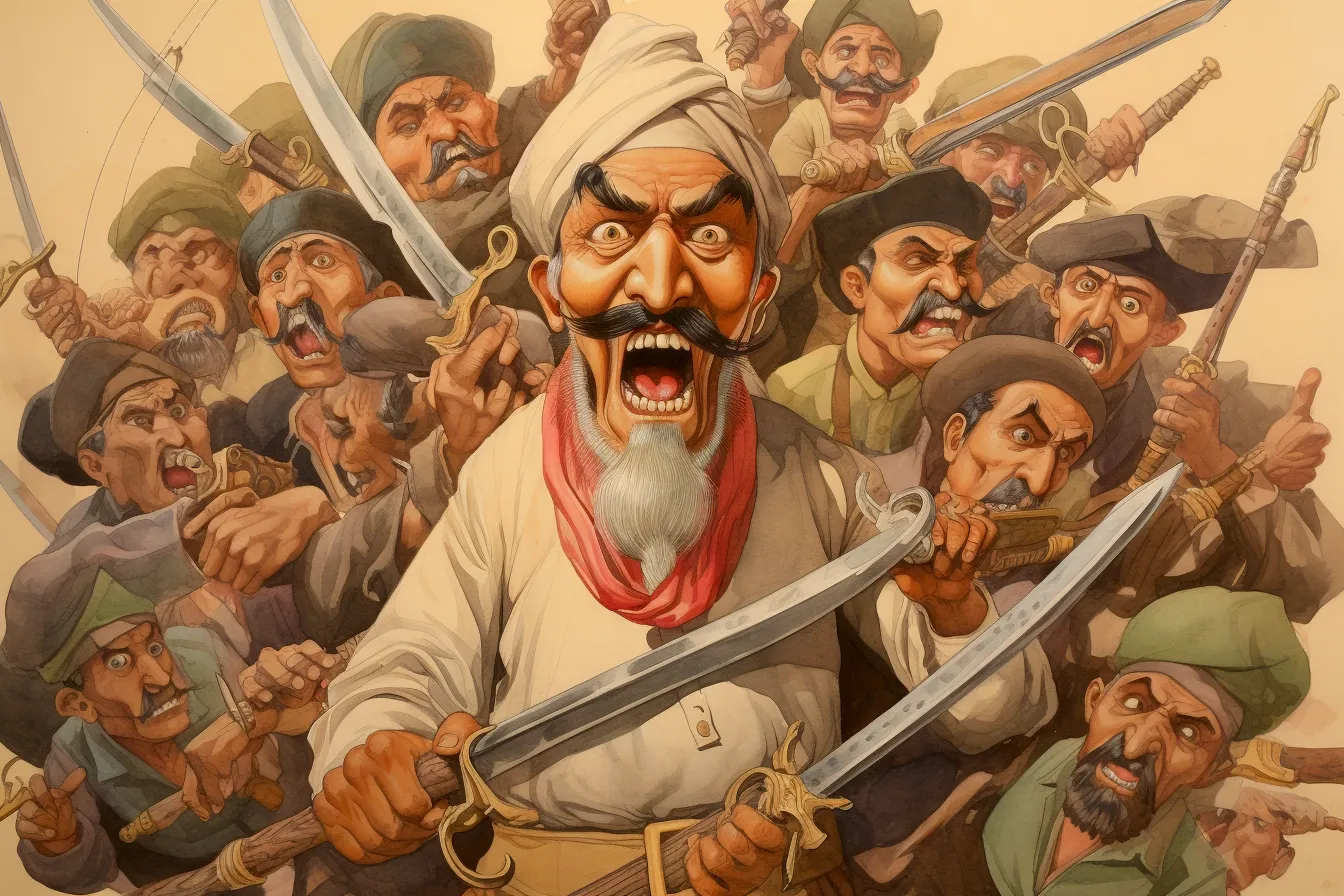
How Operation Polo Aborted a Pakistan in South India
Read more: How Operation Polo Aborted a Pakistan in South IndiaThe article explores the historical intricacies behind the liberation of Hyderabad, shedding light on the oppressive regime of the Nizams and the atrocities committed by the Razakars against the Hindu populace. It discusses the missed opportunity of the Marathas to dismantle the Nizam’s rule, attributing it to historical factors that allowed the Nizams’ sustained dominance.…
-

Are governments inefficient?
Read more: Are governments inefficient?The blog explores the intricacies of government efficiency, delving into the hurdles governments encounter in service provision due to bureaucratic procedures. It contrasts governmental and private sector efficiency, highlighting their respective roles and strengths in societal welfare. Additionally, it delves into decentralized governance within Dharmic religions, showcasing adaptability and community engagement in these traditions. It…
-
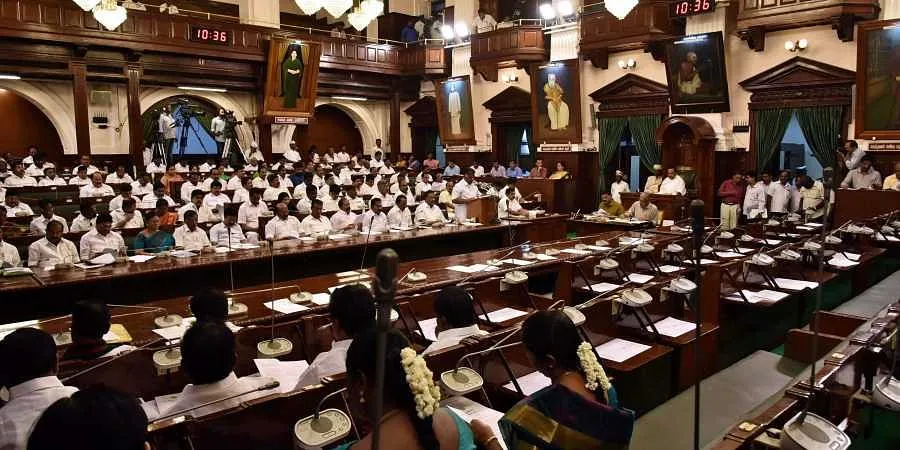
Why the Uniform Civil Code is a Hindu Civilisational Imperative
Read more: Why the Uniform Civil Code is a Hindu Civilisational ImperativeThis blog post delves into the imperative need for a Uniform Civil Code (UCC) within the context of Hindu civilization and the historical impact of Muslim rule in India. It traverses significant historical events, emphasizing the limitations of enforcing Shariat law during various regimes and highlighting the nuanced interplay between Hindu and Islamic legal systems.…
-
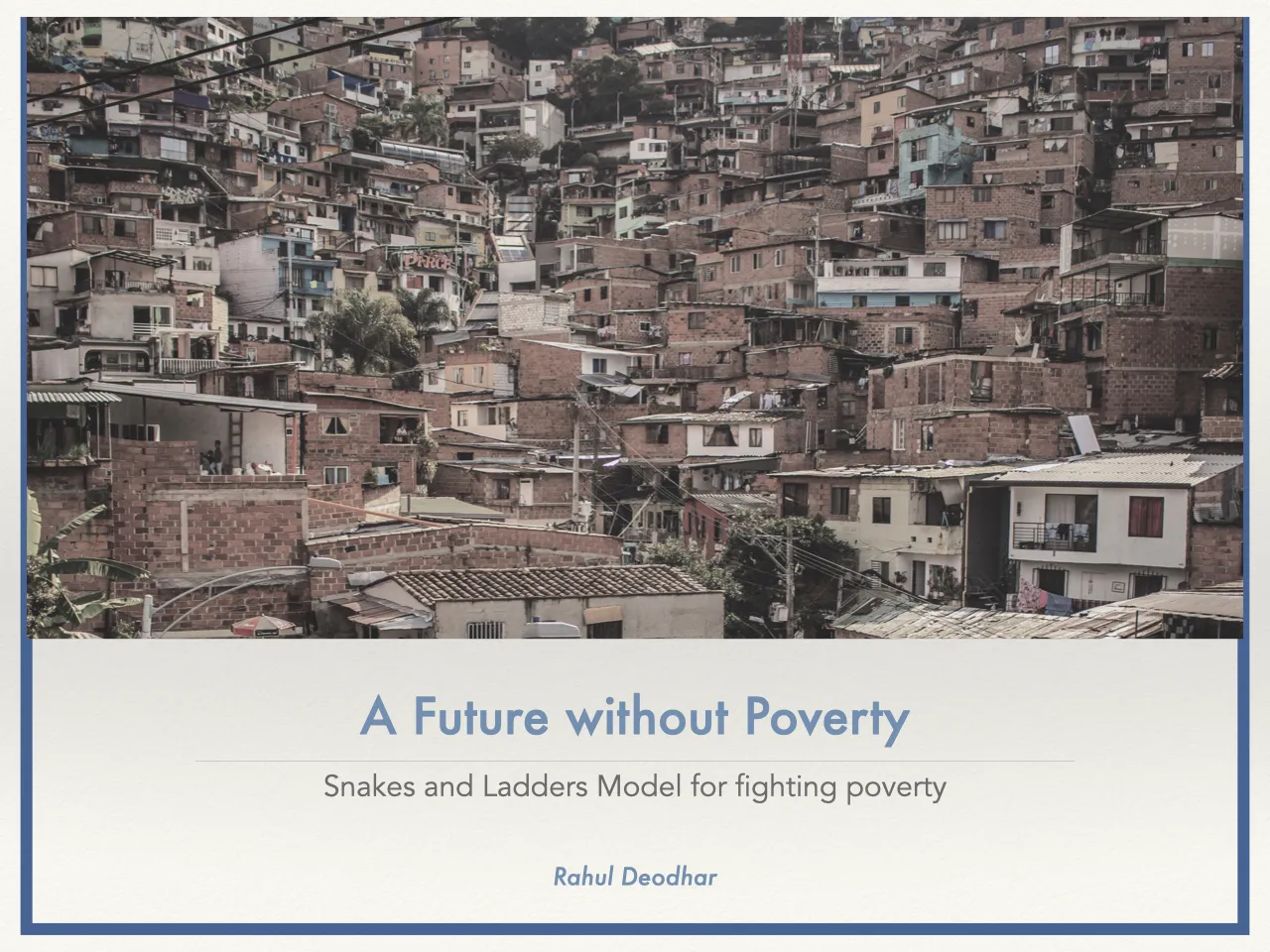
Ebook: A future without Poverty
Read more: Ebook: A future without PovertyIn ‘A Future without Poverty,’ the author challenges our conventional understanding of poverty and its solutions. Highlighting the limitations of traditional aid approaches, the narrative delves into a comprehensive exploration of poverty through a variety of perspectives, drawing insights from Hernando de Soto, Thomas Sowell, and others. The updated Snakes and Ladders model, introduced in…
-
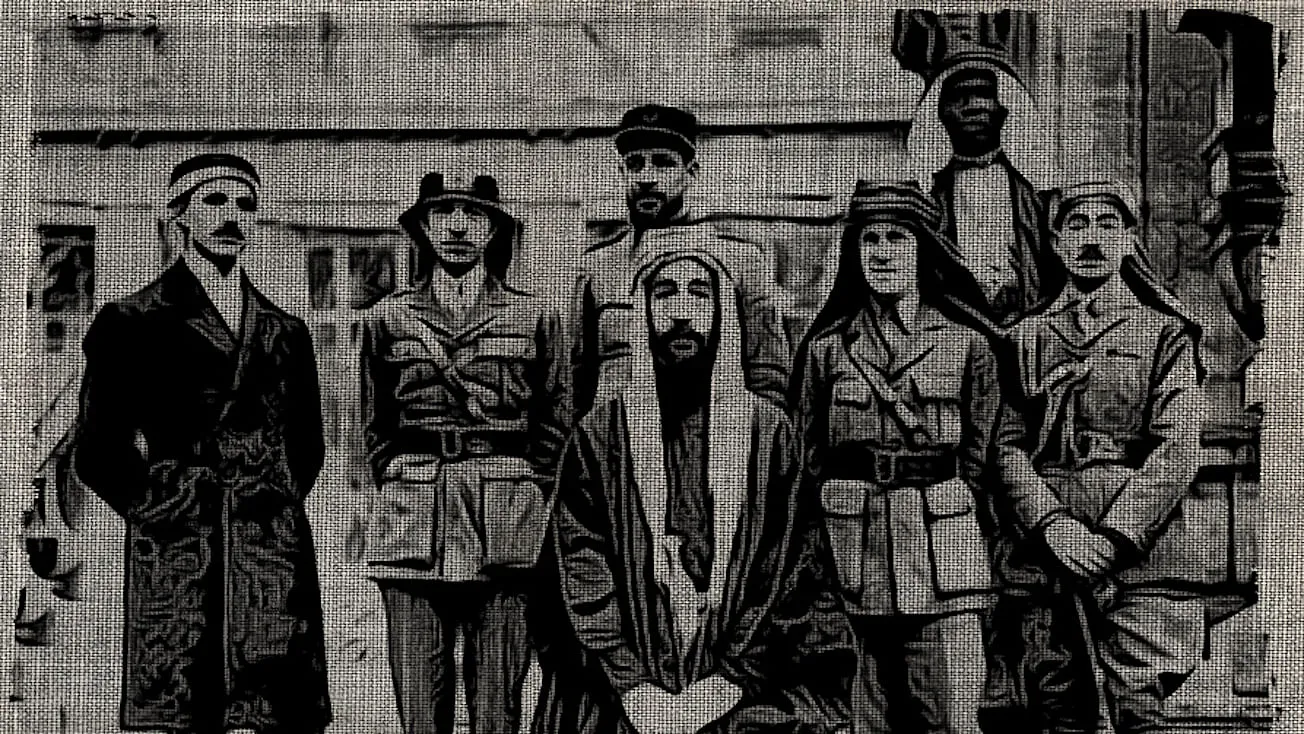
A Fanatical Wahhabi Movement of 1857 that Nobody Told you about
Read more: A Fanatical Wahhabi Movement of 1857 that Nobody Told you aboutThe blog post uncovers the obscured history of the 1857 Wahabi movement in India, a chapter often misconstrued as the First War of Indian Independence by Left Liberals. It reveals the movement’s roots in Islamic fundamentalism, following the leadership of Syed Ahmad Barelvi, and highlights its stark objectives aimed at restoring Islamic rule. The narrative…
-

From India to Bharat
Read more: From India to BharatThis thought-provoking blog post delves into the dichotomy between India’s current state and its Dharmic essence, contemplating a transition from Euro-Christian impositions to a society aligned with its ancient Dharmic roots. Referencing J Sai Deepak’s insights, the narrative emphasizes the imperative of decolonizing mindsets to reclaim a genuine Indic past and chart a Dharmic future.…
-
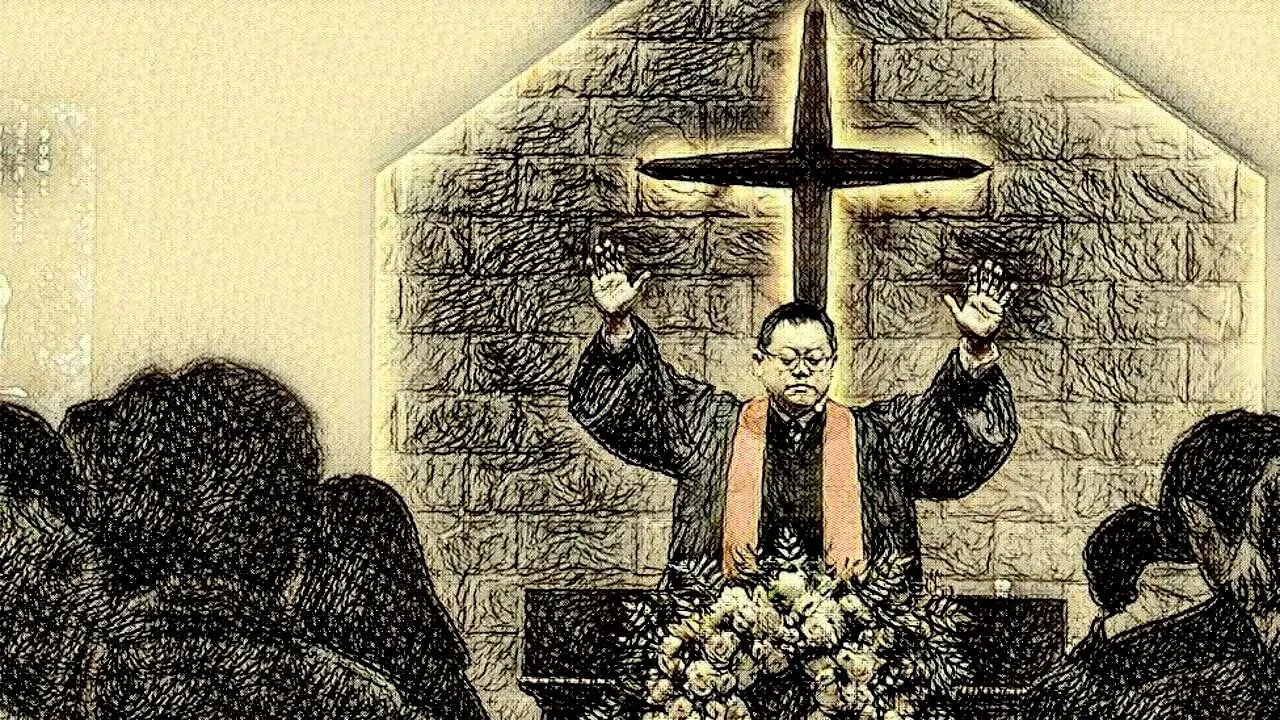
Do We Want Bharatavarsha to Become a Christian Outpost of the West?
Read more: Do We Want Bharatavarsha to Become a Christian Outpost of the West?This blog post offers a critical exploration of India’s cultural heritage, emphasizing its non-Abrahamic roots rooted in the Vedas and Dharmashastras. It delves into the absence of pessimism within Indian philosophical thought, contrasting it with the fundamental principles of Christianity and Islam. The narrative scrutinizes historical interventions by colonial powers, particularly British rule’s impact, the…
Categories
- Agriculture (20)
- Akhand Bharat (30)
- Aryan Migration -vs- Out of India (8)
- Ayurveda (21)
- Celebrations (888)
- Community (156)
- Community Events (236)
- Cross Posted (105)
- Cultural Advocacy (34)
- Cultural Commentary (63)
- Cultural Heritage (569)
- Cultural Insights (146)
- Cultural Issues (30)
- Cultural Traditions (768)
- Culture (33)
- Economics (22)
- Education (161)
- Geo-Politics (61)
- History (386)
- Indian Authors (8)
- International Trade (8)
- Labor Market (8)
- Literature (99)
- News (632)
- Opinion Pieces (144)
- Personal Reflections (164)
- Personalities (191)
- Philosophy (1,055)
- Politics (211)
- Scripts (5)
- Scriptures (999)
- Spiritual Insight (3,296)
- Spirituality (778)
- Temples (754)
- Tribute (71)
- Uncategorized (6)
- Yoga (110)
Archive