
This article was originally posted on the RightVIEWS Substack.
We discuss poverty all the time. We help with fund-raisers, we donate to charities. We pay a dollar or two more for products that share benefits with the poor. We are content to have made a difference in the life of the poor. The charities assure us. But often a question still nags us. Why is poverty still around despite the aid?
Not all the aid helps.
We cannot simply donate food to the hungry and clothes to unclad and solve the problem. The reason, I believe, is that we still do not understand poverty.
Many experts have conducted/are conducting research on poverty. Jeffrey Sachs, Abhijit Banerjee & Esther Duflo, and their ilk studied poverty and propounded theories that have informed the debate.
However, their approach has limitations.
For poverty, more focus should be on Hernando de Soto, Thomas Sowell, Walter E. Williams, C. K. Prahlad (fortune at bottom of pyramid), Dambisa Moyo and Jacqueline Novogratz.
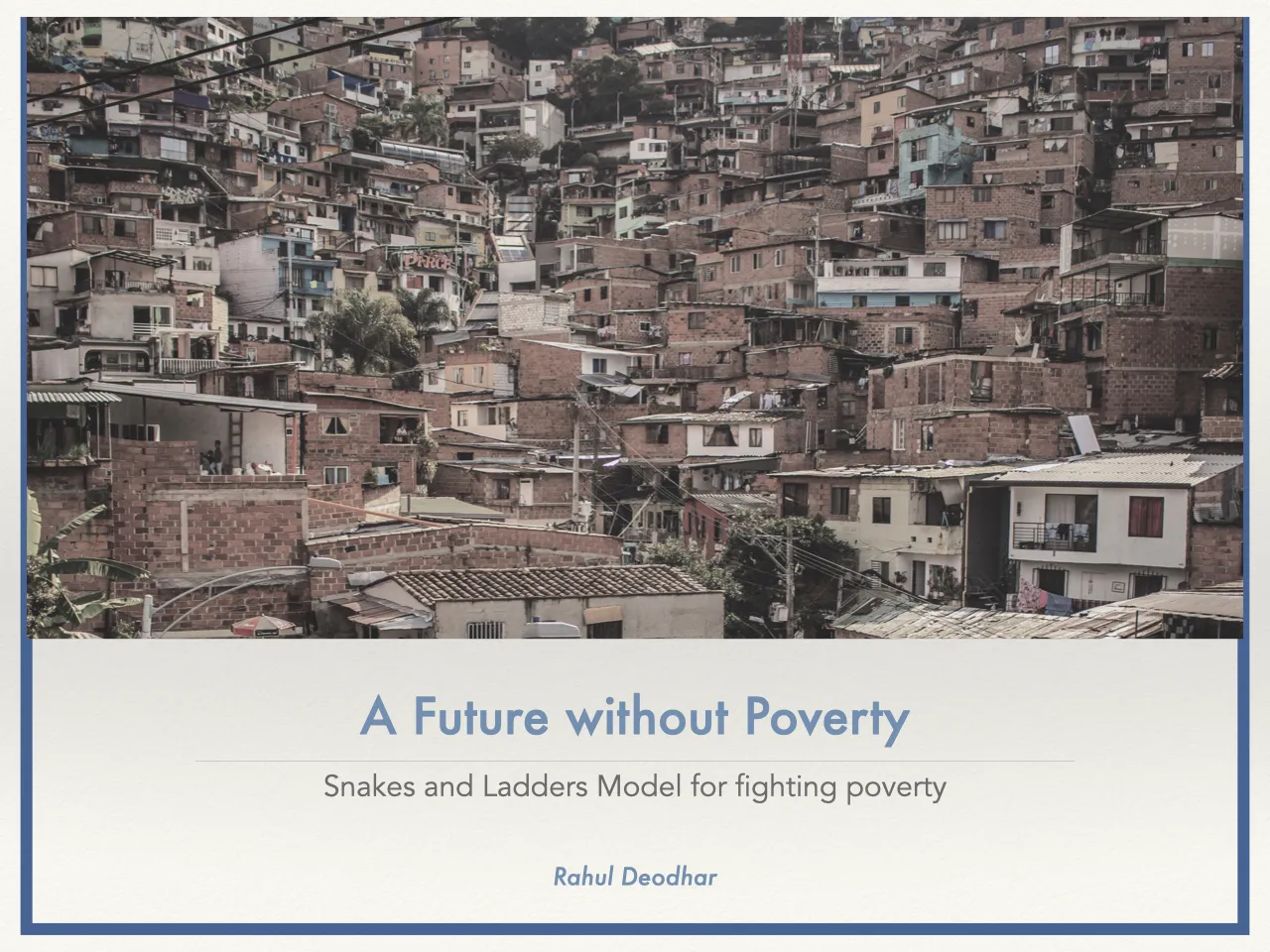
In 2009, I created the Snakes and Ladders model to push poverty alleviation a bit further by suggesting a framework based on my observations of the poor. I wanted to share some insights about the life of the poor. That model was created to fill the gap in poverty literature existing then.
Since then, many things have changed.
For a while, it seemed the world was figuring out some ways to deal with poverty. But three fundamental factors are now at work.
First, the recent pandemic and response that followed have impaired households’ ability to withstand shocks.
Second, the economic, fiscal and geopolitical policies engender an explosion of debt with no means to repay.
Third, the war and terror-related conflicts across the world are bringing new wave of devastation. These three forces are destabilising the economic prosperity of households.
I wish never to have to say this – we are PUSHING people into poverty. That is why I decided to update and expand on that concept – we are going to need it very soon. We need to design structurally robust ways that will make a real lasting difference – we need to give them ladders out of poverty.
I know the Snakes and Ladders model will help in designing a better solution.
So here it is!
It is all updated, refreshed and free. Please share it. You can !
Please consider supporting RightVIEWS Substack and following their twitter account.