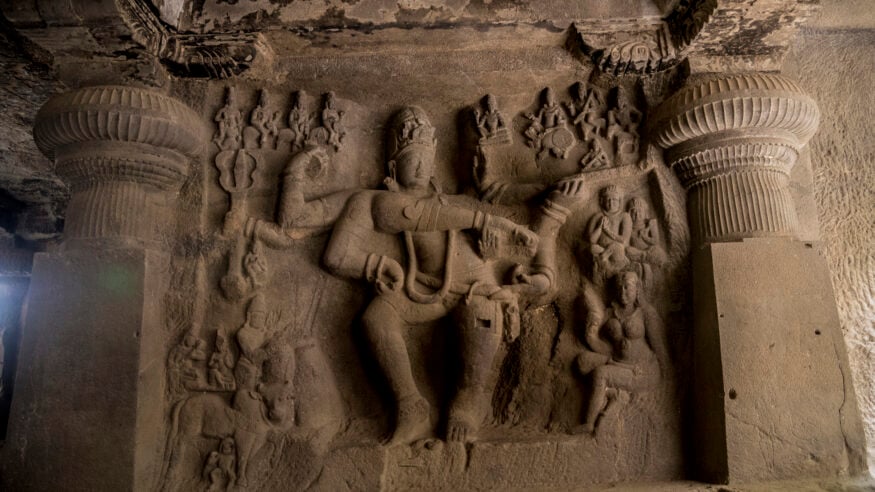
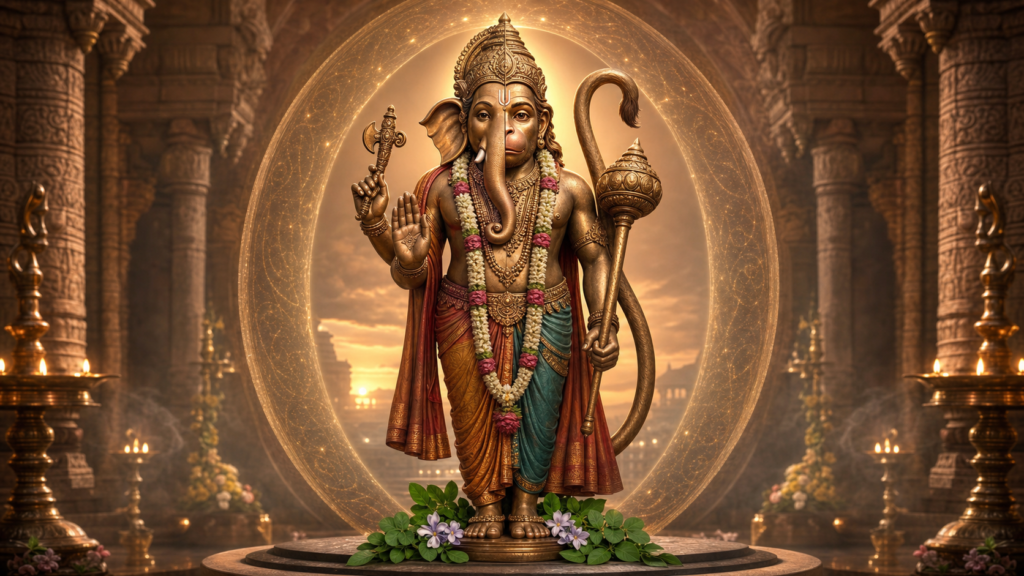
Lord Shiva is widely revered as a steady motivating force, a supreme embodiment of calmness and inner strength within Hindu spirituality. While commonly misperceived as an angry deity, Hindu philosophy and Purāṇic narratives consistently portray Mahadev as the tranquil Mahayogi whose patience extends even to those who err. This perspective invites a deeper understanding of Shiva’s nature and its relevance to cultivating resilience, devotion, and ethical clarity in contemporary life.
Shiva’s meditative stillness models equanimity, teaching calmness amid turbulence. Stories that depict him blessing even asuras illustrate compassion (karuṇa), forgiveness (kṣamā), and steadfast adherence to dharma. Such accounts encourage seekers to cultivate patience, self-discipline, and mindful action, transforming reactive tendencies into measured, purpose-driven choices aligned with Hindu philosophy.
This inclusive compassion resonates across the broader dharmic familyHinduism, Buddhism, Jainism, and Sikhismwhere values such as ahimsa, self-mastery, and inner peace are shared. In this sense, Shiva symbolizes unity in spiritual diversity, affirming that sincere practice, ethical conduct, and meditative awareness can guide different paths toward a common aspiration: inner harmony and social concord.
In everyday settings, many devotees find that simple practices anchored in Shiva-bhakti foster stability and clarity. Lighting a diya, chanting “Om Namah Shivaya,” or engaging in breath awareness and meditation often transforms stress into steady focus. Such routines support calm decision-making at work, patience in relationships, and gentle perseverance during personal challenges, aligning devotion (bhakti) with mindfulness and practical wisdom.
The Rudra aspect represents courageous transformationthe strength to confront inner fear, tamas, and unhelpful habits. Understood through dharma, this power is not destructive wrath but ethical courage: the resolve to protect truth, uphold compassion, and practice restraint. Balanced with ahimsa, seva, and reflective study, Shiva’s energy becomes a disciplined force for personal growth and social responsibility.
Practical reflections inspired by Shiva’s teachings include beginning the day with brief meditation, pausing in silence before speech, choosing forgiveness over retaliation, integrating ethical conduct into routine decisions, and serving others without expectation. These accessible steps elevate everyday life into a continuous spiritual practice grounded in calmness, patience, and devotion.
Ultimately, Lord Shiva’s example inspires calm power, resilience, and unifying compassion. By embodying patience and ethical clarity, individuals and communities can foster harmony across diverse spiritual paths. Such integration of meditation, dharma, and devotion nurtures inner peace and outward responsibilityan enduring motivation to live with courage, humility, and care for all.
Inspired by this post on Hindu Pad.