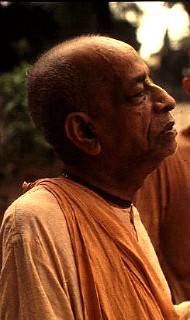
Compassion well placed becomes a transformative force. Building on the insight associated with His Divine Grace A.C.B. Swami Prabhupada, this reflection examines why compassion guided by spiritual intelligence leads to deeper and more enduring relief than compassion limited to bodily comfort. Within the dharmic family of Hinduism, Buddhism, Jainism, and Sikhism, such compassion aligns with a shared ethos: uplift the heart, clarify the mind, and free the spirit from suffering.
When spiritual consciousness deepensdescribed in Vaishnava tradition as Krsna consciousnessconcern for all living beings naturally expands. This universal empathy is not mere sentiment; it arises from recognizing the common struggle with material suffering and the transience of bodily conditions. Compassion, in this view, responds to the full human condition, not only to immediate discomforts.
A crucial caution follows: sympathy grounded solely in external comfort can misdirect energy and foster attachment, unintentionally reinforcing the very cycles of grief it aims to ease. By contrast, compassion informed by dharma elevates awareness from material preoccupation toward spiritual growth. The insight is not a dismissal of care but a call to orient care toward liberation from root causes of suffering.
Dharmic traditions consistently affirm that material remedies, while valuable, are necessarily temporary. Food, shelter, and medicine address urgent needs; yet lasting peace emerges through inner transformationviveka (discernment), ahimsa (non-harm), maitri (loving-kindness), karuna (compassion), simran (remembrance of the Divine), and right conduct. In this light, humanitarian service is strongest when woven with guidance that nurtures spiritual awareness.
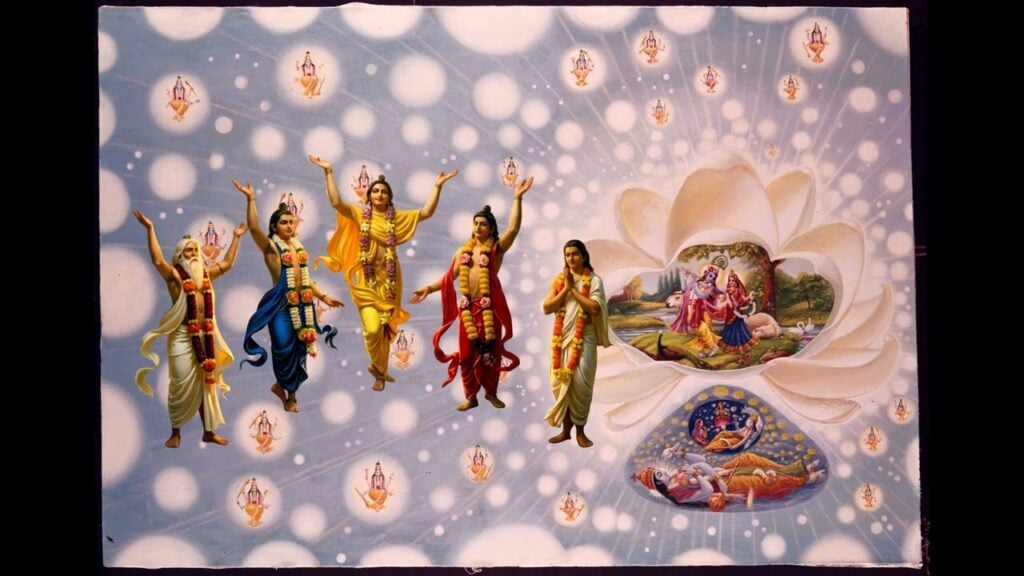
Practical expressions of such integrated compassion are accessible and unifying. Study circles on the Bhagavad Gita, dhyana (meditation), japa and kirtan including Hare Krishna practice, Buddhist metta cultivation, Jain pratikraman for reflection and amends, and Sikh simran and seva all exemplify pathways that honor different temperaments while serving a common goal: elevating consciousness. Each tradition contributes methods that soothe the heart and clarify purpose.
Many have observed that support which pairs material assistance with a dignifying spiritual conversation, shared prayer, or quiet meditation offers a unique solace. People often report that being truly heard, sitting in silence together, or chanting with sincerity reduces anxiety more lastingly than comfort alone. Such experiences illustrate how compassion becomes catalytic when it invites inner steadiness and meaning.
This perspective does not minimize the importance of urgent aid; rather, it situates relief within a broader arc of inner freedom. Aligned with the dharmic ideal of lokasangraha (the welfare of all), compassionate action can meet immediate needs while also nurturing resilience, clarity, and ethical strength. The result is care that heals both symptoms and sources.
Placed in this framework, the teaching associated with His Divine Grace A.C.B. Swami Prabhupada resonates across dharmic wisdom: compassion is most effective when it uplifts consciousness. By honoring diverse practices and respecting each seeker’s path, the dharmic community advances unity in spiritual diversity and helps move suffering humanity toward lasting well-being.
Inspired by this post on Dandavats.