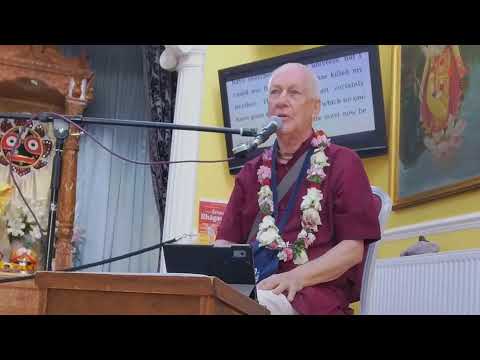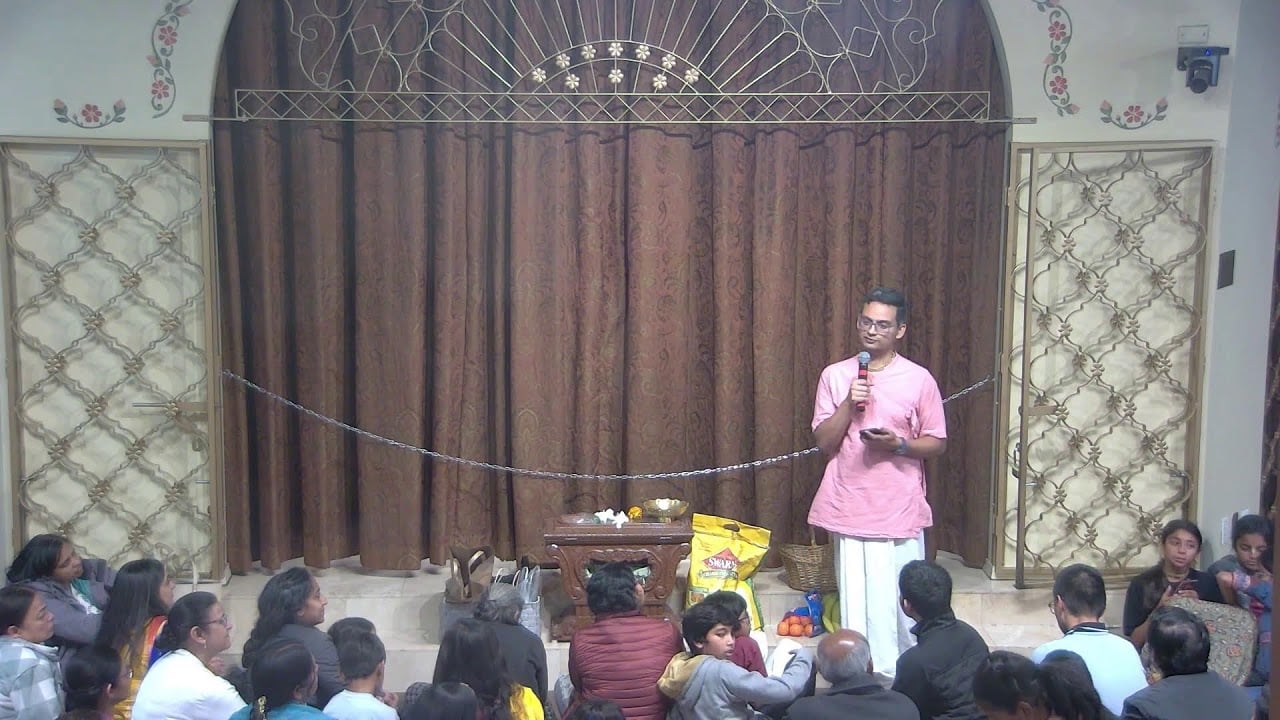
On 2025-11-23, ISKCON of Silicon Valley presents a focused exploration of Krishna Katha with H.G. Vaisesika Dasa, emphasizing the central practices of hearing (sravana) and chanting (kirtana) of Krishna’s names, instructions, and pastimes. These disciplines are widely recognized in bhakti yoga as the mainstay of devotional service and as reliable means for cultivating remembrance, humility, and inner joy.
Within the Gaudiya Vaishnava tradition, Krishna Katha functions as both study and practice: attentive listening organizes the mind around meaningful narratives, while vocal recitation strengthens devotion through rhythm, repetition, and shared resonance. Together, hearing and chanting refine attention, stabilize the emotions, and orient daily life toward purposeful service.
Participants commonly note tangible effectscalm focus, renewed motivation, and a deepened sense of connection to community. The practice aligns with time-tested contemplative methods that encourage ethical living, gratitude, and compassion. In this way, Krishna Katha is not merely informative; it is transformative, grounding seekers in steady remembrance amid modern distractions.
This emphasis on sacred sound and reflective listening also speaks to the broader unity of dharmic traditions. Practices such as remembrance and recitation find parallels across Hinduism, Buddhism, Jainism, and Sikhismwhether through mantras, collective singing, or contemplative recitations. Such shared modalities affirm a common aspiration: inner clarity, moral alignment, and respectful coexistence.
The session invites thoughtful engagement rather than passive attendance. Approaching the gathering with a quiet mind, noting personal reflections, and contemplating questions of duty and compassion can enhance receptivity. Listeners may find that even brief moments of attentive hearing and chanting produce measurable shifts in mood, perspective, and intention.
By foregrounding Krishna Katha as lived practice, this program at ISKCON of Silicon Valley offers a pathway to spiritual rejuvenation that is both accessible and rigorous. It honors devotion through sound, nurtures community through shared reflection, and reinforces unity across dharmic paths by highlighting the universal value of reverent listening and sacred remembrance.
Inspired by this post on Dandavats.