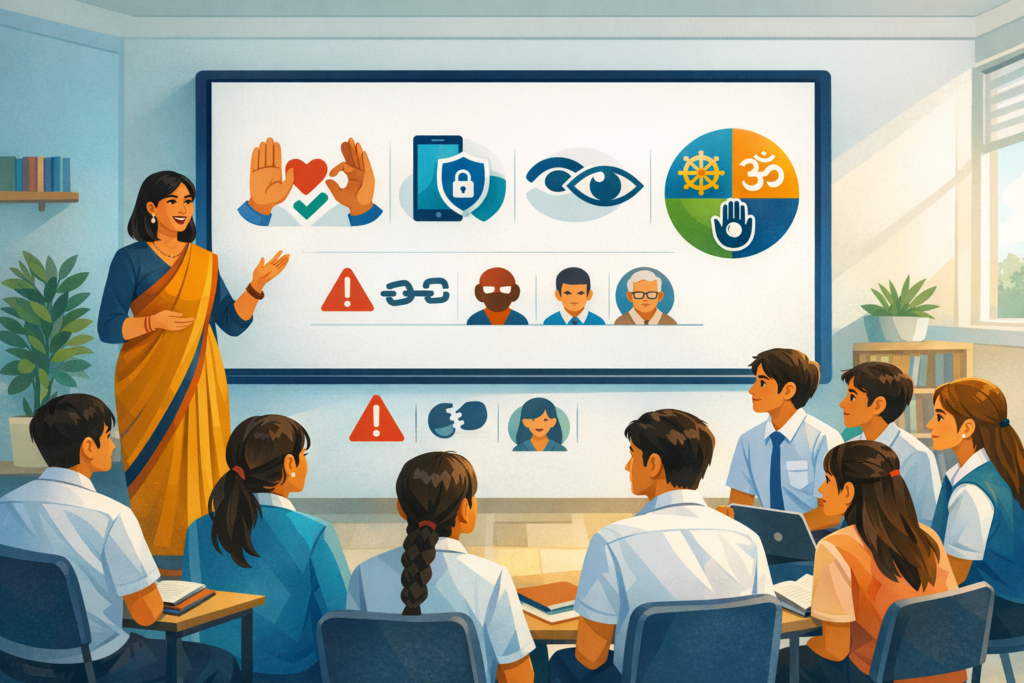
Troubled friendships often leave a deep imprint on emotional well-being, and many seek structured frameworks to understand why certain bonds flourish while others fray. Within Vedic astrology, the horoscope offers a nuanced lens to examine social dynamics, positioning the 11th house as the primary field of friendships, networks, and collective aspirations. This perspective is not fatalistic; rather, it encourages self-awareness, wiser choices, and compassion—values shared across Hinduism, Buddhism, Jainism, and Sikhism in the spirit of maitri (friendship), karuna (compassion), ahimsa (non-violence), and seva (service).
The 11th house (one of the 12 bhavana) governs social circles, gains through associations, and group belonging. Indicators of strain typically arise when the 11th house or its lord is afflicted by malefic aspects, placed in challenging houses (6, 8, or 12), or hemmed by malefics (papakartari yoga). A combust or debilitated 11th lord can signal recurring misunderstandings, opportunistic alliances, or friendships that fail to align with core values.
Planetary signatures provide further texture. Saturn’s strong influence on the 11th house may bring slow-forming bonds, distance, or karmic lessons around loyalty and boundaries, ultimately rewarding patience and sincerity. Rahu can produce magnetic but volatile networks, amplifying social visibility while inviting manipulation or confusion. Ketu inclines toward detachment, creating periods of withdrawal from group life to pursue inner clarity.
Mars in or aspecting the 11th house can correlate with conflicts, competitiveness, or quick tempers within friend groups, especially when communication is reactive. A forceful Sun may indicate clashes of ego or hierarchy, while a stressed Mercury points to miscommunication, rumors, or fractured dialogues. An afflicted Moon can mirror emotional highs and lows in social settings, and a strained Venus may emphasize charm without depth, leading to superficial connections that dissipate under pressure.
Interplay among houses matters. Links between the 6th house (disputes) and the 11th can correspond with rivalry, hidden agendas, or legal/ethical tensions among peers. If the 3rd house (communication, courage) is also impacted, impatience and sharp speech may escalate minor issues. The overall dignity of the 11th lord—its aspects, conjunctions, and placement by sign and nakshatra—shapes how these themes present and how readily they can be harmonized.
Timing illuminates when friendship patterns intensify. Dashas and bhuktis of the 11th lord, or of planets placed in the 11th, often activate group-related themes. Transits of Saturn, Rahu, or Ketu over the natal 11th house or 11th lord may coincide with tests of trust, shifting alliances, or necessary pruning of social circles. Eclipses across the 5th–11th axis can spotlight the balance between individual creativity (5th) and collective affiliation (11th).
These astrological signals frequently mirror lived experience: one-sided giving, ghosting after initial enthusiasm, social media conflicts, and group politics often arise during periods when the 11th house dynamics are under stress. Recognizing patterns reduces self-blame and supports skillful responses—calmer communication, firmer boundaries, and a careful review of shared values before deepening commitments.
Constructive guidance follows naturally from this analysis. When the 11th house is pressured, prioritizing integrity over popularity becomes vital. Clarifying expectations, practicing active listening, and pausing before reacting to provocation can prevent ruptures. Regular reflection during Saturn or Rahu periods helps separate genuine companionship from convenience-based connections.
Non-sectarian, dharmic practices offer steadying remedies that align with the unity of Hinduism, Buddhism, Jainism, and Sikhism. Satsang (keeping noble company), metta or maitri-bhavana (cultivating goodwill), pratikraman-inspired self-correction, and seva (selfless service) nurture friendships rooted in respect and mutual uplift. These practices re-center relationships around empathy, truthful speech, and ethical action—core principles that transcend any single tradition.
Simple, culturally grounded disciplines can also stabilize social karma without making deterministic promises: mindful speech, restraint from gossip, volunteering to support the vulnerable, compassionate conflict resolution, and regular self-inquiry through yoga and pranayama. Such efforts complement astrological insight by transforming habits that often underlie recurring tensions.
A holistic reading remains essential. The Lagna (Ascendant), 3rd, 7th, and 11th houses; the condition of Mercury and the Moon; and the dignity of benefic planets provide the full picture. No single placement should label a friend as “bad.” Instead, the chart outlines tendencies and teachable moments, encouraging discernment, forgiveness, and wiser selection of companions.
Ultimately, Vedic astrology frames friendships as arenas of growth. By decoding the 11th house and related factors, individuals can reduce exposure to harmful associations, repair bonds worth saving, and invest in relationships that honor dharma. Approached this way, horoscope insights help heal toxic social bonds and strengthen communities in a manner consistent with the shared values of dharmic traditions.
Inspired by this post on Hindu Pad.