
-
How Releasing Expectations Transforms Love, Boundaries, and Inner Peace

This long-form reflection examines how unmet expectations, rather than other people’s actions alone, often create deep emotional pain in relationships. It explains how childhood patterns, silent emotional contracts, attachment needs, and unequal emotional capacity shape disappointment. The article offers a practical and dharmic perspective on love, boundaries, self-awareness, and inner peace. It shows why people…
-
When Bonds Must End: A Dharmic Guide to Karma, Duty, and Unsalvageable Relationships
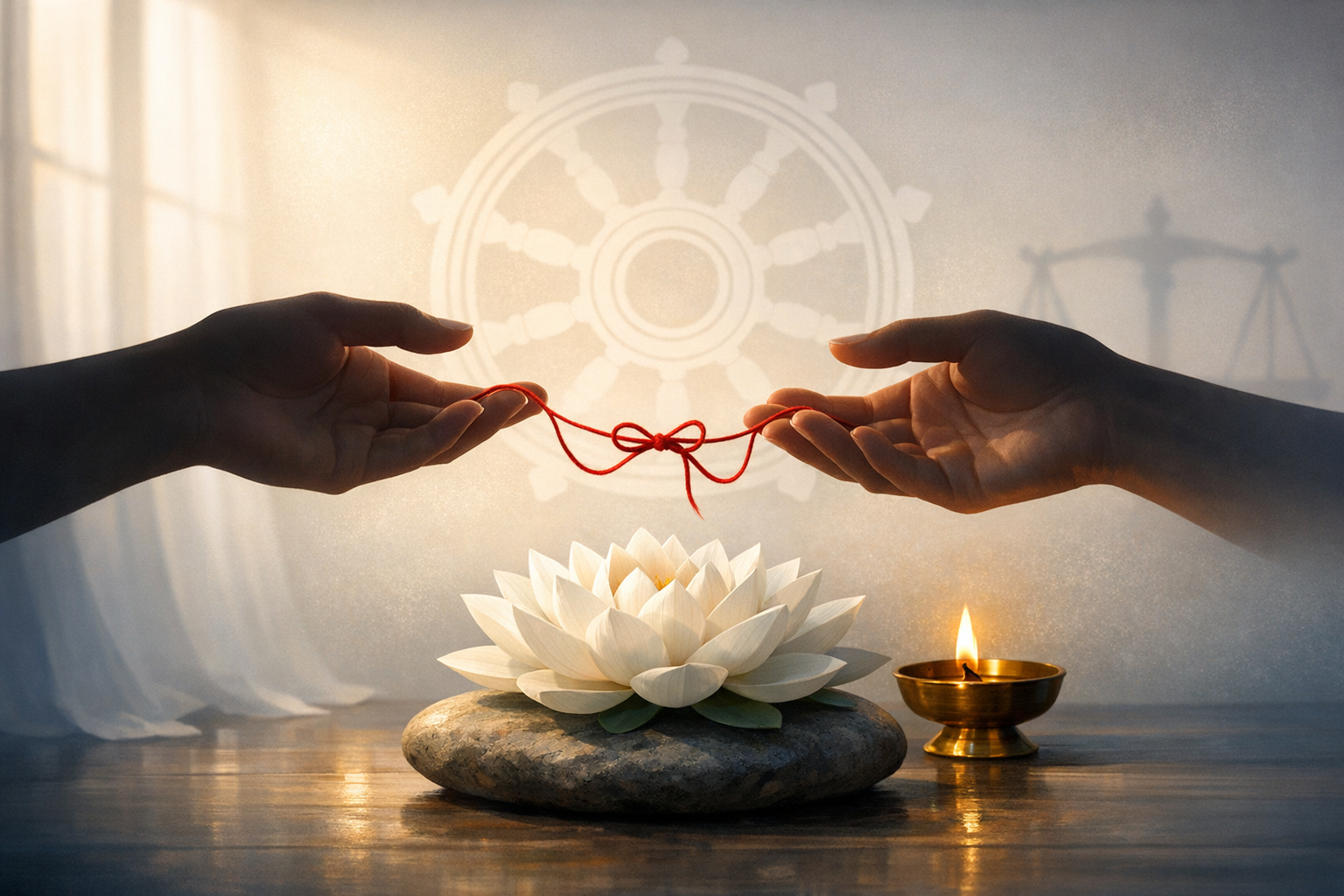
Not every relationship can or should be saved. A dharmic lensgrounded in Hinduism’s concepts of dharma, karma, and sambandhaclarifies when compassionate separation is ethically warranted. Drawing on the Bhagavad Gita, Dharmashastra, and resonances with Buddhism, Jainism, and Sikhi, this article offers a structured decision framework: prioritize non-harm, truth, responsibility, and long-term growth. It outlines concrete…
-
Half-Love Trap: Situationships through a Dharmic Lens and How to Safeguard the Heart

Situationships promise closeness without commitment, but dharmic traditions caution that warmth without ethical walls quickly becomes restlessness. This analysis reads Gen Z’s half-love trend through Hindu, Buddhist, Jain, and Sikh frameworks that balance kama with dharma. It explains why ambiguous contracts elevate anxiety and how the Purusharthas, Right Speech, ahimsa, and seva realign intimacy with…
-
End Painful Relationship Cycles: A Science-Backed, Dharmic Blueprint for Safe, Lasting Love

This research-informed reflection maps how repeating relationship patterns emerge and how they can be interrupted with awareness, boundaries, and compassionate practice. It explains the mechanicsattachment templates, intermittent reinforcement, people-pleasing, and nervous system dysregulationthrough accessible, real-world moments. Practical micro-interventions are offered, including journaling, emotion labeling, assertive “no,” and values-based scheduling of self-expanding activities. A brief, four-step…
-
From Heartbreak to Resilience: How Facing Fear Powered Breakup Recovery and Purpose

A structured Year of Fearone deliberately chosen challenge per monthbuilt the psychological flexibility and self-efficacy needed to navigate job loss, bereavement, and a painful breakup. Through graduated exposure, mindfulness meditation, and values-based action, avoidance gave way to agency and durable emotional resilience. The narrative shows how reframing rejection as decision-useful data, not a verdict on…
-
Why Simple Presence Transforms Lives: The Science of Attention, Friendship, and Calm Under Pressure

A late chance at a youth basketball tryout became the seed of a rare friendship and a lesson in the quiet power of attention. When a coach called from a waiting room minutes before a high-stakes interview, an ordinary conversation provided the calm he needed. Research in social baseline theory, polyvagal theory, psychological safety, and…
-
People Over Power: HG Amogh Lila Prabhu’s Dharmic, Research-Backed Guide to Healing Relationships
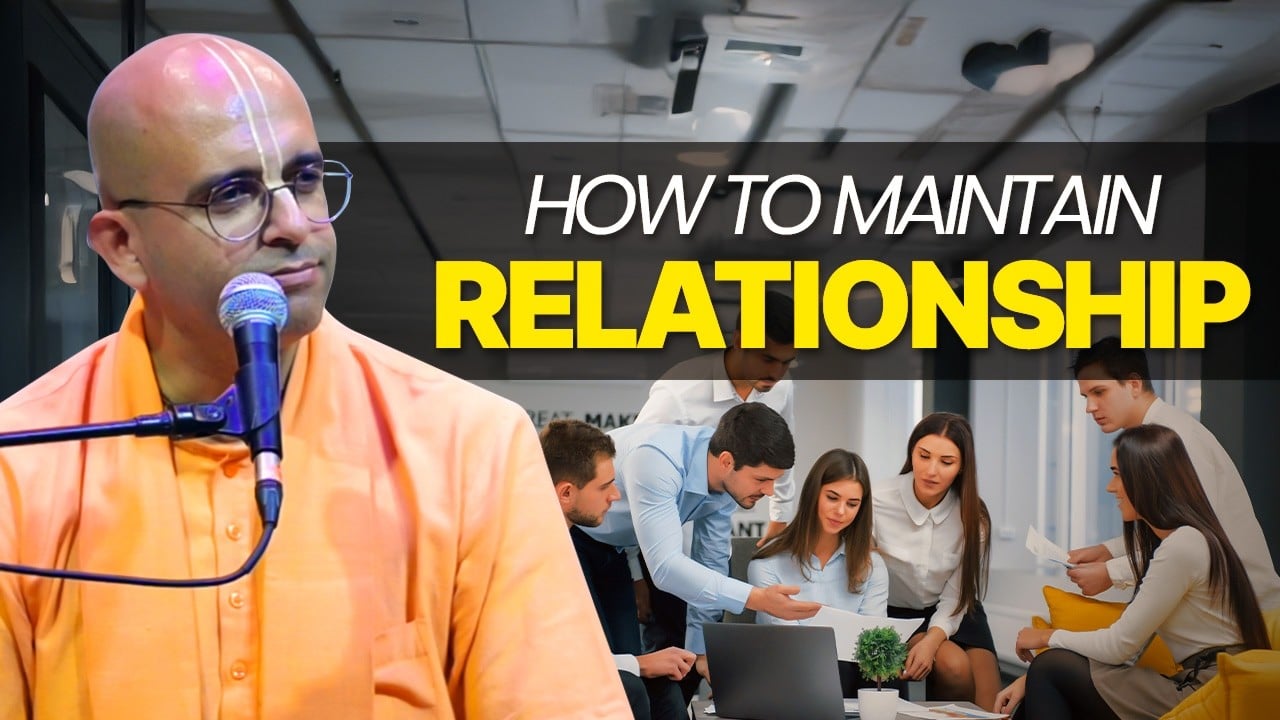
This analysis distills HG Amogh Lila Prabhu’s core messagepeople are the true strength of any company, organization, or familyand translates it into a research-aligned, dharmic framework for sustaining healthy relationships. It integrates insights from Hindu Dharma, Buddhism, Jainism, and Sikhism with concepts such as psychological safety and self-determination theory. Readers gain practical methods for dignified…
-
Phone Down, Eyes Up: Reclaiming Presence from Digital Distraction to Heal Family Bonds

Attention is the most valuable gift in modern family life, yet smartphones and notifications constantly divert it. This essay analyzes one family’s shift from reflexive checking to intentional presence, grounded in attention science and dharmic wisdom. It explains how intermittent rewards, attention residue, and the mere presence of a phone undermine working memory, trust, and…
-
Feeling Unseen in a Crowd: Evidence-Based Reasons for Loneliness and Paths to Belonging

Many people feel lonely even while surrounded by others, not because of a lack of contact but because their nervous systems do not register safety, attunement, and authenticity in high-stimulation, performative contexts. This long-form, research-informed analysis reframes loneliness as a context problem rather than a character flaw and explains why quantity of interaction and shared…
-
Stop Absorbing Others’ Emotions: Evidence-based steps and dharmic insights for calm

Strong emotions in others can feel overwhelming, but they do not have to dominate the day. This article outlines evidence-based strategies for emotional boundaries, self-compassion, and nervous system regulation so that another person’s mood does not become one’s own. It clarifies why empathy is limited during emotional activation and explains how noticing and naming internal…
-
Impermanence and Human Bonds: Hindu Wisdom on Loving, Letting Go, and Lasting Peace

Hinduism teachesmost explicitly in the Yoga Vasishtathat all human associations are impermanent, a truth that clarifies how to love without clinging. Recognizing anitya (impermanence) reframes loss, softens attachment, and supports ethical, compassionate action in relationships. This perspective aligns with the dharmic insights of Buddhism (anicca), Jainism (anitya), and Sikh wisdom on hukam and seva, highlighting…
-
The Quiet Power of Listening: Patience and Presence that Transform a Barbershopand Life

This piece demonstrates how active listening, patience, and mindful presence can outperform advice in creating trust and emotional safety. Through real barbershop encounters, it shows how attention to nonverbal cues, calm silence, and empathy can de-escalate frustration and invite genuine connection. The narrative highlights how allowing learners to struggle productively fosters ownership and confidence. It…
-
From Disposable Bonds to Enduring Freedom: Dharmic Wisdom for Modern Relationships
Modern society’s disposable culture often extends to human bonds, eroding trust and meaning. Drawing on dharmic wisdom, this reflection explores how Hindu principlesdharma, viveka, vairagya, ahimsa, and aparigrahacan restore depth to relationships without endorsing indifference. It highlights convergences across Buddhism (anicca, karuṇā), Jainism (aparigraha, ahimsa), and Sikhism (seva, sarbat da bhala) to model unity in…
-
Love Those Who Lift You, Forgive Those Who Hurt: Dharmic Wisdom for Resilient Living

This article explores the dharmic wisdom behind the maxim “Love the people who treat you right, forgive the ones who don’t.” It clarifies how loving support builds sattva, while forgiveness safeguards inner peace without excusing harm. The analysis balances compassion with justice, showing how Dharma requires both accountability and kṣamā. Cross-tradition parallels in Buddhism, Jainism,…
-
Vedic Astrology and Troubled Friendships: Decode 11th House Clues, Heal Toxic Social Bonds
Vedic astrology offers a structured way to understand troubled friendships by analyzing the 11th house, its lord, and key planetary aspects. Afflictions from Saturn, Rahu, Ketu, or Mars can reflect distance, confusion, detachment, or conflict within social circles. Attention to dashas and transits reveals when friendship themes are most active, helping anticipate and manage group…
-
The Complete Guide to Ending One-Sided Friendships: Proven Steps to Restore Self-Worth

This reflective analysis examines how one-sided friendships form through love bombing, boundary testing, and withdrawal when accountability is requested. It outlines how to identify red flags, maintain emotional boundaries, and disengage without hostility. The narrative demonstrates that leaving unequal relationships affirms self-worth and aligns with dharmic values of non-harming, compassion, and truthful living shared across…
-
How the Hindu Society Lost Access to its Own Culture

This is the first episode in a series featuring an English adaptation of DVG’s 1957 lecture on Samskruti (Culture). DVG offers profound insights into society and culture, exploring facets like human relationships, attitudes toward work, marriage, and self-discipline, reflecting on a bygone era, and contrasting it with contemporary society. His discourse delves into the intrinsic…