The Bhagavad Gita presents an elegant framework for understanding reality through two dimensions of prakritiapara (the lower or manifest) and para (the higher or conscious). This distinction helps clarify the relationship between the material world, the mind, and the luminous awareness that enlivens all experience. Read in an integrative spirit, it offers a unifying lens for dharmic traditions while guiding seekers toward inner freedom.
In Bhagavad Gita 7.4–7.5, the apara aspect is described as the eightfold field: bhūmi, āpaḥ, analaḥ, vāyuḥ, khaṁ, manaḥ, buddhiḥ, ahaṅkāraḥ. These comprise the elements, mind, intellect, and egothe full range of phenomenal existence that can be observed, measured, and transformed. This apara prakriti is not dismissed; it is the sacred ground on which life unfolds and ethical action (dharma) becomes possible.
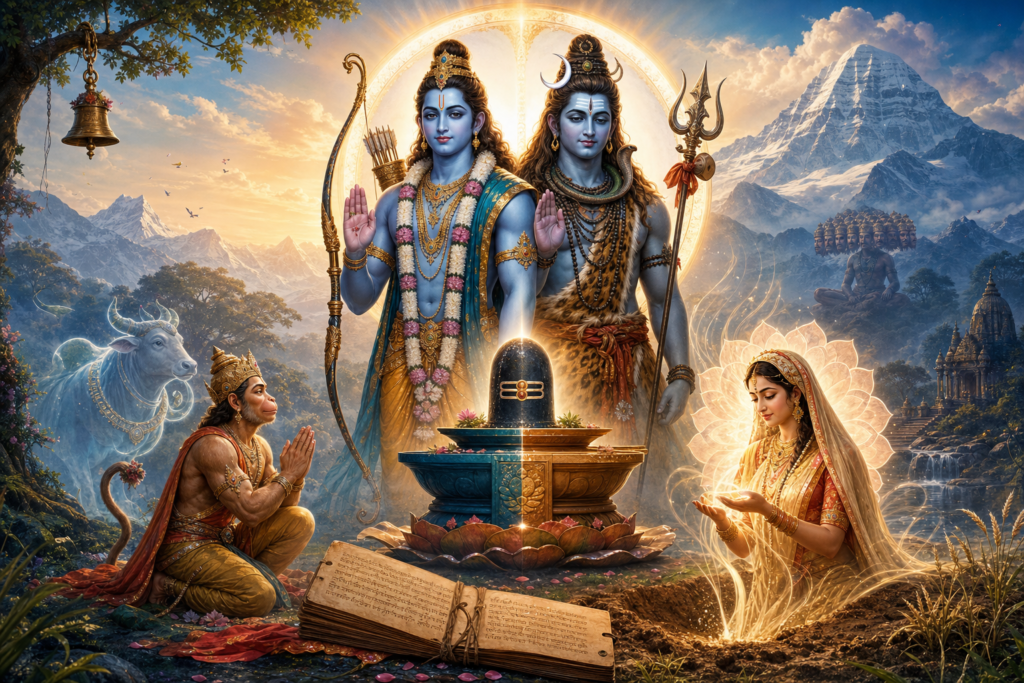
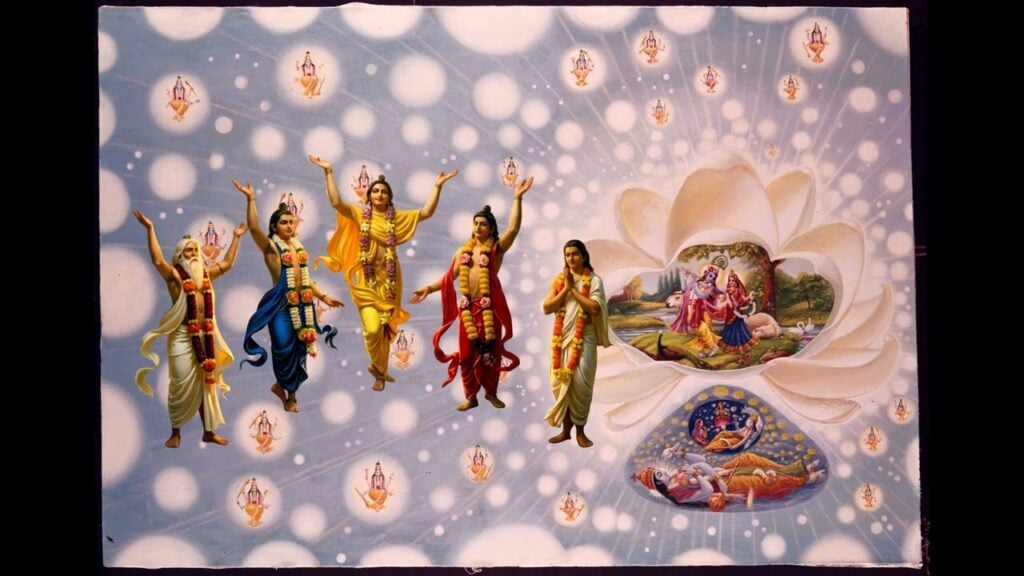
The text then introduces the higher principle: “apareyam itas tv anyāṁ prakṛtiṁ viddhi me parāmjīva-bhūtām.” This para prakriti is the life-principle, the conscious presence that knows, feels, and witnesses. It is the subtle, animating power that makes the body-mind ensemble alive and aware, distinct from the transient modifications of thought and sense.
Philosophically, the Gita situates para prakriti in conversation with ideas found in Vedanta, where the Self (ātman) is understood as intimately related to the Supreme (Brahman). Another verse, 15.7“mamaivāṁśo jīva-loke jīva-bhūtaḥ sanātanaḥ”underscores that the living being is a timeless expression of the Divine. While not collapsing metaphysical nuance, this perspective helps explain why the higher nature is approached through knowledge, devotion, and disciplined living.
Practically, this teaching reframes daily experience: the body, sensory urges, emotional waves, and even subtle judgments belong to apara. They can be refined through yoga, ethical discipline, and mindful awareness. As these dimensions are harmonized, para prakriti becomes more evidentfelt as clarity, steadiness, and compassionate presence.
The Gita offers multiple pathways to align with this higher nature. In karma-yoga, service purifies intention. In bhakti-yoga, heartfelt devotion softens ego and opens trust. In jñāna-yoga, discernment (viveka) reveals the witness beyond changing states. Together, they transform apara into a transparent medium for para.
A simple contemplative exercise makes the distinction experiential: observe the breath and notice thoughts as passing forms. What is aware of both? That non-reactive witnessing presence is closer to para; breath, sensations, and thoughts are apara. Regular practice of prāṇāyāma and dhyāna stabilizes this insight and supports ethical action rooted in inner composure.
Ethically, recognition of para prakriti encourages humility and care. When awareness is not fused with impulse or opinion, responses tend to be measured, truthful, and compassionatequalities prized across dharmic traditions. Such virtue is not imposed; it emerges naturally as inner clarity grows.
This framework resonates with the broader dharmic family. Buddhist teachings on mindful awareness and skillful compassion, Jain reflections on the purity and responsibility of the jīva, and Sikh remembrance of the One (Ik Onkar) through Naam all emphasize cultivating inner clarity, restraint, and loving service. The Gita’s articulation of para and apara thus supports unity in spiritual diversity, honoring different methods while affirming a shared orientation toward freedom and compassion.
Common misunderstandings can be avoided. Para and apara do not indicate two competing realities; rather, they name two modalities of the One Divine energy. Nor does the teaching reject the world; apara is the arena for practice, growth, and contribution. Properly understood, the Gita sanctifies both insight and action.
In contemporary lifemarked by information overload, distraction, and polarizationthe para–apara distinction is a practical compass. It encourages mastery over reactivity, steadiness under stress, and respect for multiple paths. This nurtures harmony within and harmony among communities committed to dharma.
For deeper study, key passages include Bhagavad Gita 7.4–7.7, 13.1–3 on kṣetra and kṣetrajña, and 15.7 on the eternal nature of the jīva. Read alongside the Upanishads and living yogic traditions, these verses illuminate how disciplined living, meditation, and devotion reveal para prakriti as one’s abiding support.
Ultimately, the “divine duality” is a dynamic harmony. By refining apara through dharma and yoga, and recognizing para as the ever-present light of consciousness, individuals grow in wisdom and kindness. This integrative vision strengthens unity among Hinduism, Buddhism, Jainism, and Sikhism, affirming that sincere practiceby any dharmic pathcan flower into inner freedom and shared wellbeing.
Inspired by this post on Hindu Blog.