-
Spirituality of Nature: Dharmic wisdom and science for resilient, unshakable inner strength

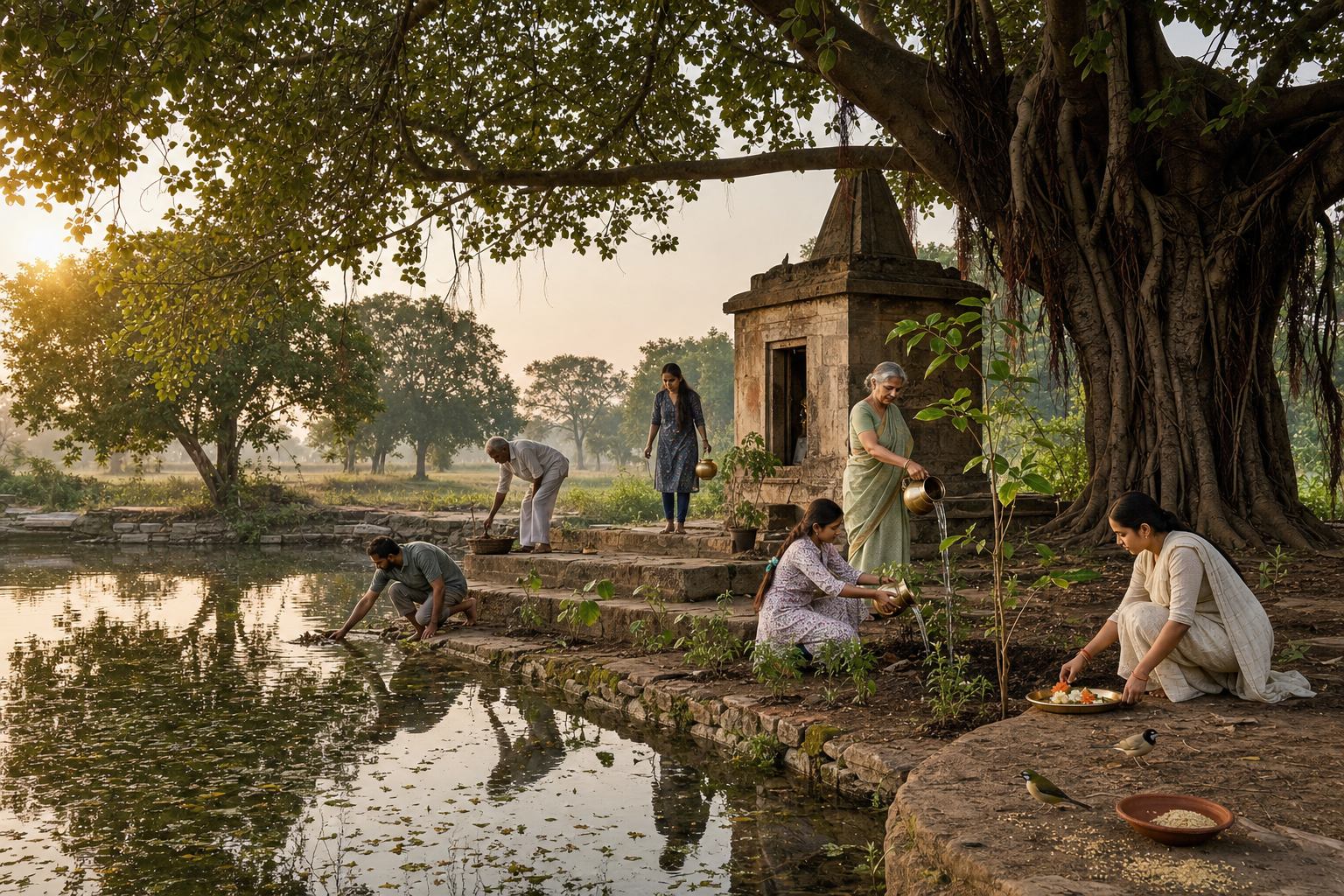
This long‑form exploration presents a rigorous, Dharmic view of nature as a living revelation of consciousness, uniting Hinduism, Buddhism, Jainism, and Sikhism around interdependence, non‑harm, disciplined awareness, and service. It clarifies how Upanishadic, Buddhist, Jain, and Sikh insights translate into ecological ethics and everyday practices. Evidence from psychology and physiology shows why slow breathing, awe,…
-
Spirituality of Nature: Sacred Dharmic Wisdom, Science-Backed Healing, Inner Resilience

This long-form guide presents an academic yet accessible exploration of the spirituality of nature across Hinduism, Buddhism, Jainism, and Sikhism. It grounds ecological reverence in the Upanishads and the Bhagavad Gita, links practices like mindfulness and pranayama to measurable health benefits, and shows how Ahimsa and Aparigraha become daily Environmental stewardship. Readers gain a stepwise…
-
Cradled by Prakriti: A Dharmic and Science-Backed Guide to Caring for Mother Nature

This article reframes the classic insight—God as supreme source and nature as nurturing mother—through a unified dharmic and scientific lens. Drawing on Hindu concepts of Prakriti, the pañca-mahābhūta, and guṇa theory, it aligns Vedic philosophy with modern ecology’s ecosystem services. It integrates Ayurveda’s seasonal and daily regimens to translate ecological literacy into embodied health. Ethical…
-
Moksha Beyond the Gunas: A Definitive, Scholarly Guide to Liberation and Dharmic Unity

Moksha in Hindu philosophy is best understood as freedom from the three gunas—sattva, rajas, and tamas—rather than the dominance of any one of them. This comprehensive guide explains how Sankhya, Vedanta, and Yoga converge on transcending material nature, while the Bhagavad Gita clarifies why even sattva can bind. It offers a clear synthesis of Jnana,…
-
Mahatparinama Unveiled: The Transformative Journey from Subtle to Manifest Reality in Hindu Philosophy

Mahatparinama—the transformation from subtle to manifest—provides a unifying grammar for Hindu philosophy, linking Samkhya’s cosmology, Vaisheshika’s atomism, Vedanta’s metaphysics, and Yoga’s inner practice. This comprehensive explainer maps the emergence from mahat (cosmic intelligence) through ahamkara, tanmatras, and the mahabhutas, clarifying how sukshma processes shape sthula outcomes. It contrasts satkaryavada and asatkaryavada, situates parinama and vivarta…
-
Nature Is Pure: Sacred Dharmic Ecology, Waste Ethics, and Human Responsibility in Hindu Thought

This article presents a rigorous Dharmic ecology framework: nature is inherently pure and self-regulating, while stagnation and filth arise when human systems block ecological flows. Drawing on Hindu philosophy (ṛta, pañca-mahābhūtas, śauca, aparigraha, ahimsa) and allied insights from Buddhism, Jainism, and Sikhism, it maps timeless ethics to contemporary tools like life cycle assessment, material flow…
-
Sacred Ecology in Hinduism: How Nature Worship Shapes Dharma, Ethics, and Daily Life

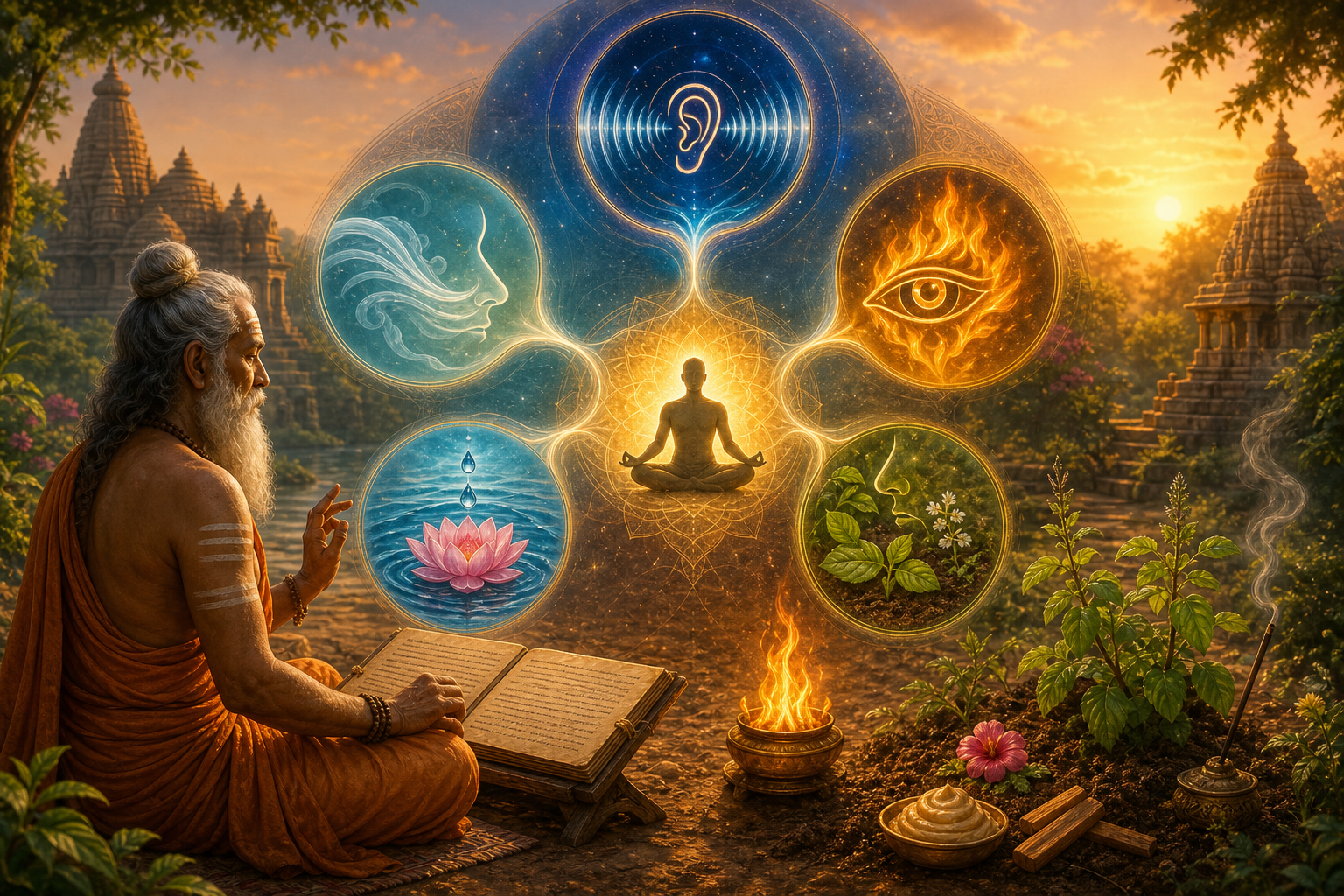
Nature worship in Hinduism is a core expression of sacred ecology that unites philosophy, ritual, and ethics. Rooted in the Vedas, Upanishads, and Puranas, it affirms cosmic unity and the sanctity of the five elements. Rituals like offerings to Surya and the care of Tulsi translate reverence into daily practice. Ethical pillars—Ahimsa, Aparigraha, and devotion…
-
Rama–Sita and Shiva–Shakti: Sankhya’s Purusha–Prakriti and the Promise of Wholeness

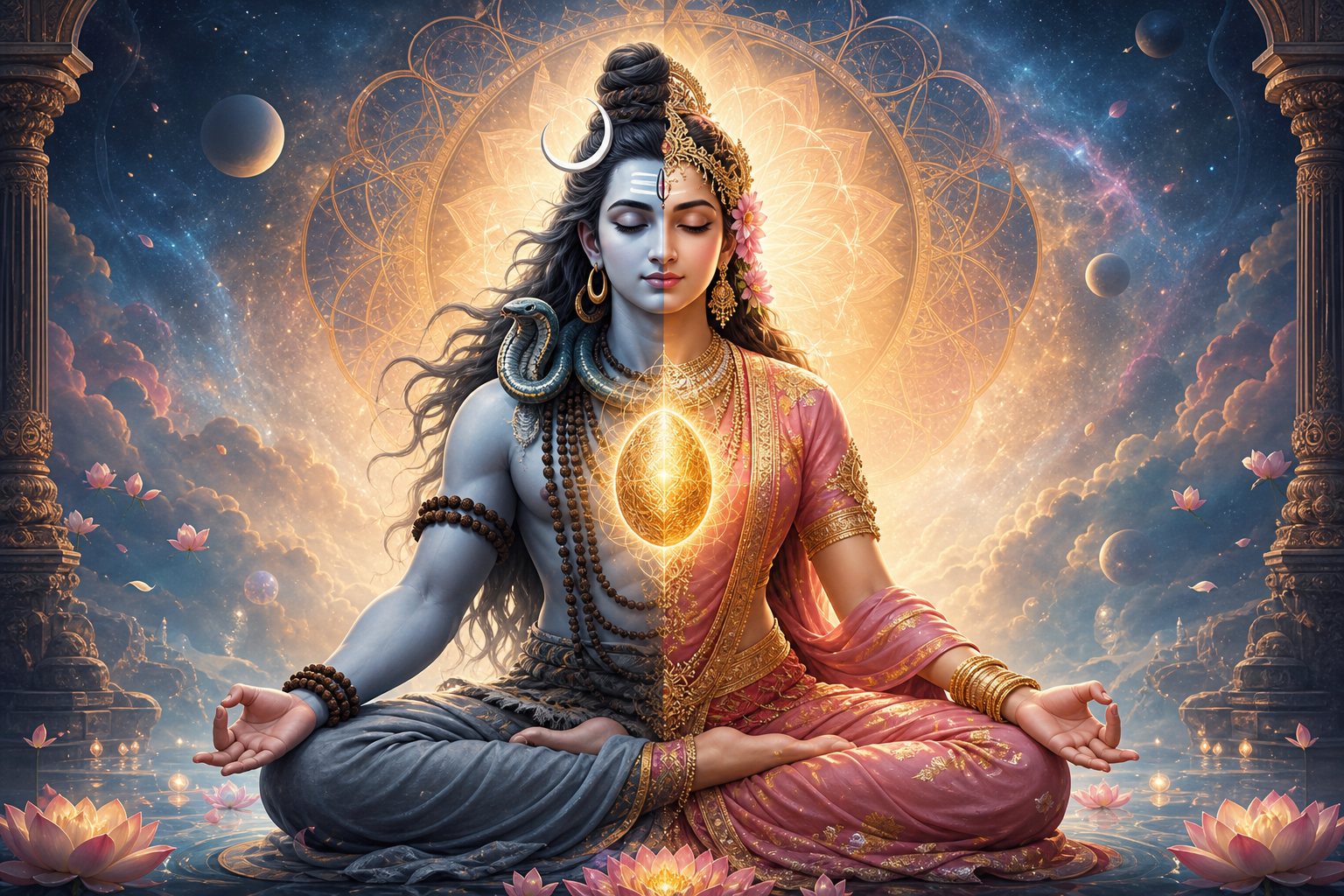
Sankhya’s vision of Purusha (consciousness) and Prakriti (primordial nature) is illuminated by the sacred unions of Rama–Sita and Shiva–Shakti. These symbols present wholeness as a harmonious interplay rather than a clash of opposites. The essay connects Ardhanārīśvara, Maryāda-Puruṣottama, and Shakti’s resilience to psychological integration and ethical balance. Parallels from Buddhism (prajñā–upāya), Jainism (jīva–ajīva and the…
-
Unlocking Kundalini: The Mad Sadhu on Purusha–Prakriti, Nirvikalpa, and Praṇava

This rigorous retelling of Babaji’s discourse on Kundalini Yoga clarifies how the mind’s restraint (nirodha) opens into laya and nirvikalpa samādhi, where stillness reflects Purusha and activity reflects Prakriti. It explains how icchā-śakti awakens near nirvikalpa, refining desire into a unitive will aligned with pure consciousness. The analysis of bhāva-ākāśa shows how feeling unfolds as…
-
Prakritilaya in Hinduism: Discover the Profound Peace of Merging with Prakriti

Prakritilaya—“dissolution into Prakriti”—describes a contemplative state in Hindu philosophy where awareness becomes deeply absorbed in nature’s living field. This piece clarifies its meaning across Sāṁkhya, Yoga, and Advaita Vedanta, distinguishing Prakritilaya from moksha while honoring its purifying power. Readers gain practical guidance on pratyahara, pranayama, and dhyana, and learn how ethical foundations stabilize insight. Real-world…
-
Vishishtadvaita on Prakriti: A Clear Guide to Nature, Matter, and Spiritual Purpose

Vishishtadvaita Vedanta understands Prakriti as the real, insentient material world governed by Ishvara. It includes both gross (sthula) forms like the body and subtle (sukshma) instruments such as mind and intellect. As the dynamic field shaped by the three gunas—sattva, rajas, and tamas—Prakriti supports the jiva’s actions across samsara. Ethical living, devotion (bhakti and prapatti),…
-
Prakriti, Jiva, and Ishvara: Unlocking the Awe-Inspiring Blueprint of Creation in Dharmic Wisdom
This article clarifies the Hindu philosophical triad of Prakriti, Jivas, and Ishvara as a coherent blueprint for creation, ethics, and spiritual growth. It explains Prakriti through the dynamics of sattva, rajas, and tamas, showing how these forces shape everyday choices. It presents Jivas as conscious agents governed by karma, highlighting practical pathways for compassion and…
-
Para Prakriti in the Bhagavad Gita: Unveiling Higher Consciousness and Inner Freedom
This article clarifies the Bhagavad Gita’s teaching on para and apara prakriti, showing how the eightfold apara field relates to body, mind, and ego, while para prakriti points to the living awareness that enlivens experience. It references key verses (7.4–7.5, 15.7) and explains their practical relevance for yoga, meditation, and ethical life. Readers gain a…
-
Discover Kola Bou’s Secret: The Complete Guide to Navapatrika and Shakti’s Transformative Power

Kola Bou, the saree-clad banana plant seen beside Ganesha during Durga Puja, encodes the Navapatrika ritual where nine sacred plants embody Shakti as nourishing nature. By honoring Kola Bou first, communities ceremonially invite this energy into the icon of Durga and her divine household. The juxtaposition of Durga’s martial power with Kola Bou’s quiet grace…