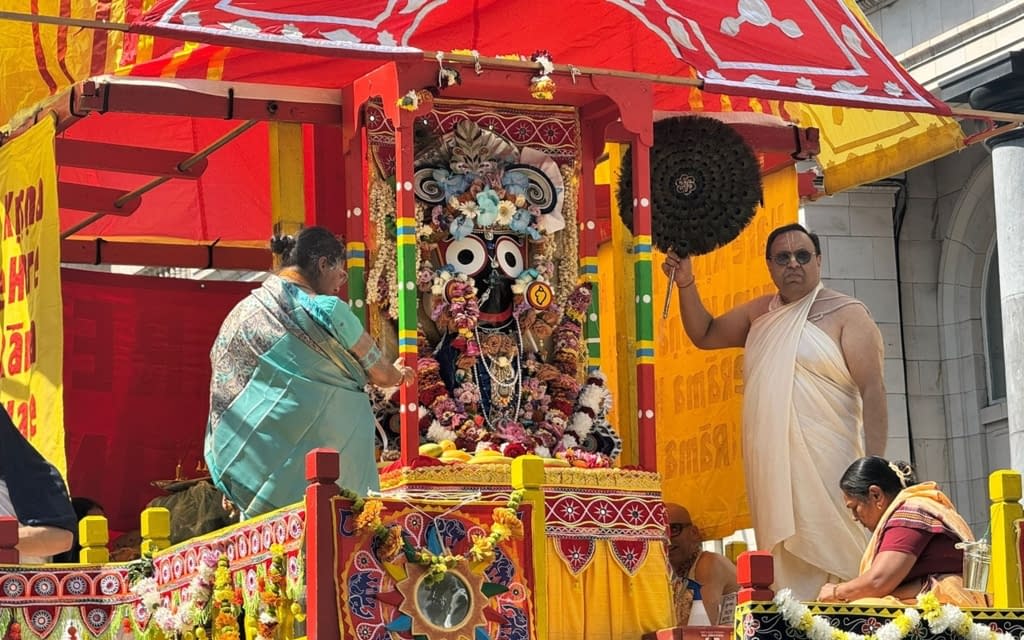
Gopashtami, observed on Kartik Shukla Ashtami, falls on October 30, 2025. Recognized across Vaishnava traditions as Goshtashtami vrata, the day commemorates the moment when Nanda Maharaj entrusted Krishna and Balarama with herding the cows for the first time. This rite of passage marks their transition into responsible protectors of the herd, a theme that continues to shape the festival’s devotional and ethical significance.
According to popular retellings from Vrindavan traditions, Gopashtami celebrates Krishna and Balarama as qualified cowherds, embodying stewardship, humility, and service. The narrative highlights values central to dharmic life: caring for living beings, honoring one’s duties, and cultivating compassion—virtues that resonate across Hinduism, Buddhism, Jainism, and Sikhism through shared ideals such as ahimsa and seva.
Devotional practices on Gopashtami commonly include Gau Puja, the bathing and adorning of cows, and seva in the goshala. Many households and temples offer flowers, fresh fodder, and sweets, while performing circumambulation of the cows and reciting Krishna-katha. In several regions, the deity is dressed in cowherd attire, underlining the pastoral essence of the festival and its association with the sacred landscape of Vraja.
As a vrata, observances may include fasting according to one’s capacity, chanting the divine names, and reading episodes of Krishna-lila that emphasize compassion and responsibility. Offerings typically include simple, sattvic preparations, fresh butter, and milk-based sweets presented as naivedya. The vrata aims to purify intent, deepen bhakti, and encourage ethical living centered on care for all beings.
Gopashtami’s ethical dimension is especially relevant today. The cow, revered as a symbol of nurturance and ecological balance, invites reflection on sustainable living and reverence for nature. The festival’s emphasis on non-violence and care aligns with the ahimsa-centered practices of Jainism, the compassion teachings of Buddhism, and the spirit of seva in Sikhism—affirming unity in spiritual diversity across dharmic traditions.
Regional practices vary. In North India, Vrindavan and other Gaudiya Vaishnava centers mark the day with special darshan, kirtan, and goshala service. Many communities refer to the day as Goshtashtami, emphasizing the pastoral community (goshta) and its values. While customs differ, the shared focus remains devotion to Sri Krishna, gratitude for the gifts of nature, and practical acts of kindness toward animals.
Families frequently engage children in gentle forms of seva—cleaning cow shelters, preparing fresh grass, or participating in Gau Puja—transforming the festival into a lived lesson in responsibility and compassion. Donations to local goshalas, support for ethical dairy practices, and community volunteering further extend the vrata’s spirit into meaningful action.
For devotees, Gopashtami also serves as a reflective moment: Krishna and Balarama’s step into new duty becomes a model for embracing life’s responsibilities with grace. Through prayer, service, and mindful celebration, the festival becomes an opportunity to renew personal vows to protect living beings, strengthen family bonds, and honor the dharmic ideal of harmony with all life.
Inspired by this post on Hindu Pad.