Roop Chaturdashi, also known as Rup Chaudas, is observed a day before Diwali in North India and aligns in certain years with Narak Chaturdashi. In various regions, the day is also recognized as Bhoota Chaturdashi and Kali Chaudas. In 2025, Roop Chaturdashi falls on October 19. Across India and the broader dharmic world, the observance takes diverse forms while retaining a shared emphasis on cleansing, light, and renewal.
Traditionally, Roop Chaturdashi underscores inner and outer radiance—“roop” signifying both beauty and well-being. Within the wider Diwali season’s symbolism of light over darkness, families prioritize purification, discipline, and gratitude. This period also resonates across dharmic traditions: Jains commemorate the nirvana of Mahavira on Diwali night, Sikhs mark Bandi Chhor Divas with the theme of liberation, and Newar Buddhists in Nepal illuminate homes in reverence to prosperity and wisdom. The common threads of illumination, ethical living, and self-refinement affirm a shared civilizational ethos and encourage unity among Hindu, Buddhist, Jain, and Sikh communities.
For Roop Chaturdashi 2025, most households will observe key practices on October 19, with precise timings guided by the local panchang. In many regions, the morning bath (often termed Abhyang Snan or Roop Snan) is performed before sunrise during Chaturdashi for auspiciousness. Because tithi alignments can vary by location, consulting a trustworthy regional calendar ensures that rituals are observed at the appropriate time.
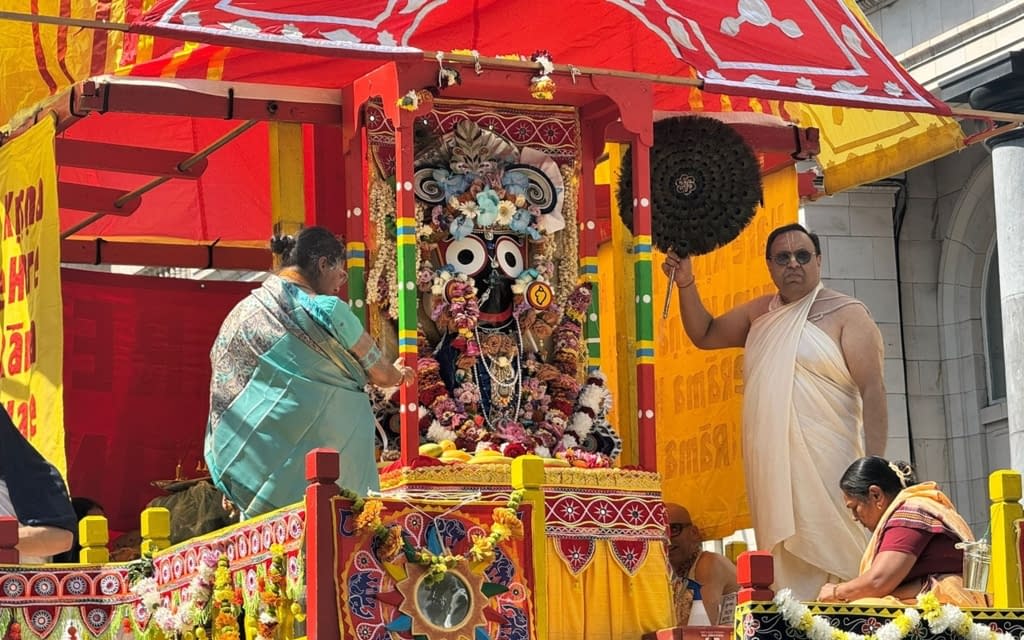
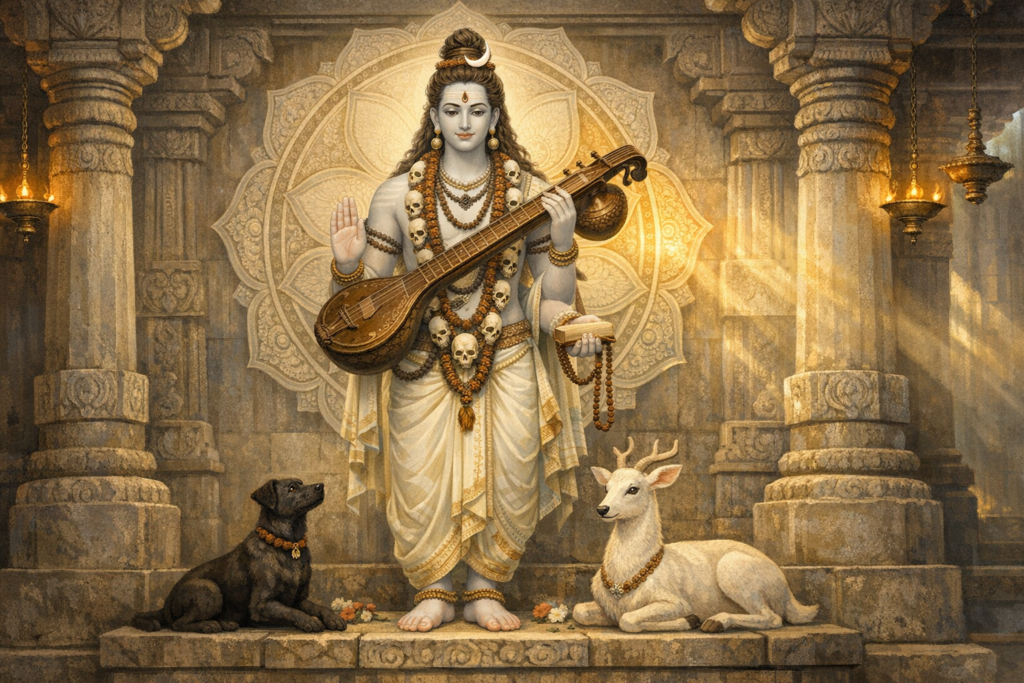
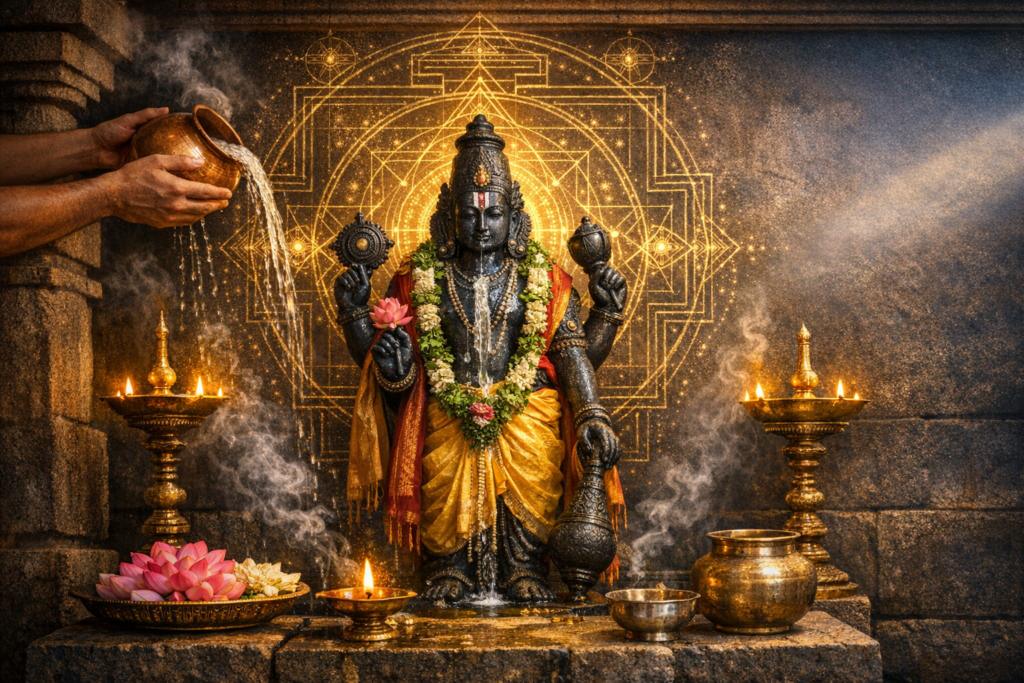
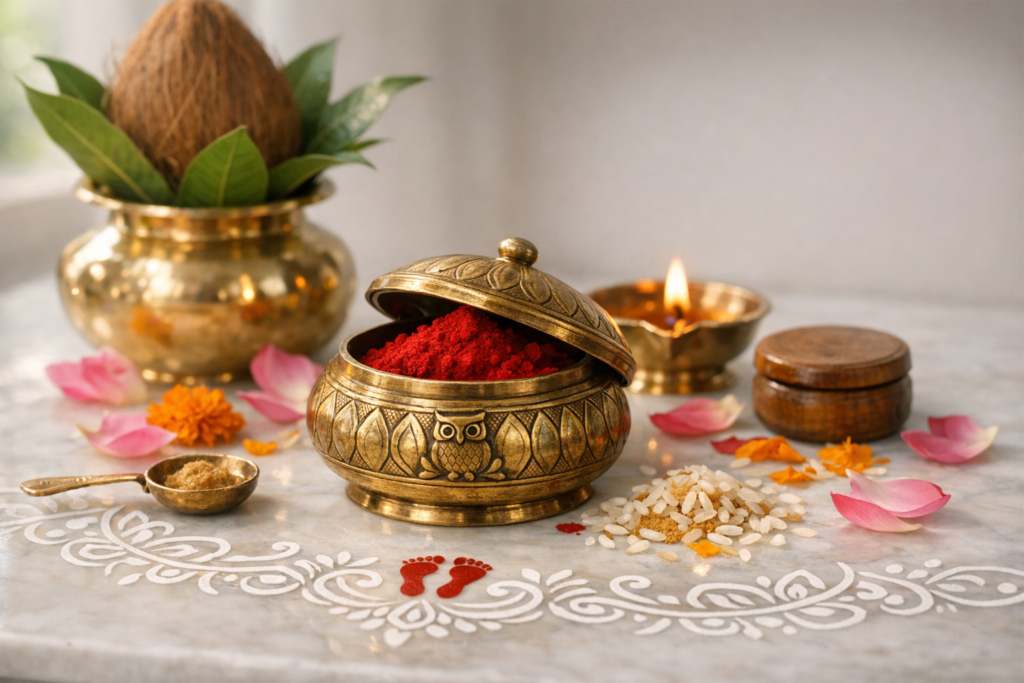
How is Roop Chaturdashi observed in practice? Many households begin with a pre-dawn Abhyang Snan. Traditionally, sesame oil is applied before bathing, and an aromatic ubtan—commonly made from chickpea flour, turmeric, sandalwood, and rose water—is used to promote cleanliness and radiance. Clean attire, a calm mind, and simple prayers are emphasized. Depending on regional and family traditions, offerings may be made to Lakshmi, Krishna, Shiva, or Mahakali. Homes are brightened with diyas, and rangoli patterns welcome positive energy, reflecting the shared Diwali spirit.
Regional customs offer rich diversity. In Gujarat, Kali Chaudas focuses on Mahakali worship and the removal of negativities through protective rites. In Bengal, Bhoota Chaturdashi is marked by lighting fourteen lamps (choddo prodeep) to honor forebears and ward off inauspicious influences; many also prepare choddo shaak (fourteen leafy greens). In parts of Maharashtra, Goa, and Karnataka, the day overlaps with Narak Chaturdashi, remembering the vanquishing of Narakasura and symbolically dispelling tamas (darkness). These practices, observed with reverence and restraint, highlight a pan-Indian tapestry of sacred observances under the Diwali umbrella.
Related observances often occur adjacent to Roop Chaturdashi. Many families perform Yam Deep Daan on Trayodashi (Dhanteras) evening, placing a lamp for well-being and protection. Some light an additional lamp on Chaturdashi evening as a gesture of gratitude and continuity. While nomenclature and exact sequences differ by locality, the underlying intent—cultivating clarity, well-being, and compassion—remains constant.
A simple, widely followed sequence includes: beginning before sunrise with Abhyang Snan; using an ubtan to symbolize purification; donning clean, preferably traditional attire; offering prayers and lighting diyas; creating rangoli to invite auspiciousness; and sharing a modest, sattvic meal. Families often recall elders preparing the morning oil, mixing herbal ubtan, and gently sharing stories of Diwali’s meanings—memories that anchor the observance in both scholarship and lived experience.
Observed thoughtfully, Roop Chaturdashi encourages mindful self-care, reverence for ancestors, and kindness within the community. It also provides an annual opportunity to choose eco-conscious materials—such as clay diyas and natural rangoli powders—reflecting dharmic responsibility toward the environment. Households are encouraged to honor their sampradaya while appreciating the shared values across dharmic traditions, reinforcing unity in diversity during the Diwali season.
Inspired by this post on Hindu Blog.