Yama Dvitiya, also known as Yam Dwitiya, marks the concluding day of the five-day Diwali celebrations. In 2025, Yama Dvitiya falls on October 23, aligning with Kartika Shukla Dwitiya in the Hindu lunar calendar. Across regions it is widely recognized as Bhai Dhooj, Bhai Bij, or Bhai Beej, while in South India the traditional name Yama Dwitiya is commonly used. The festival centers on the enduring bond between siblings and the affirmation of family dharma.
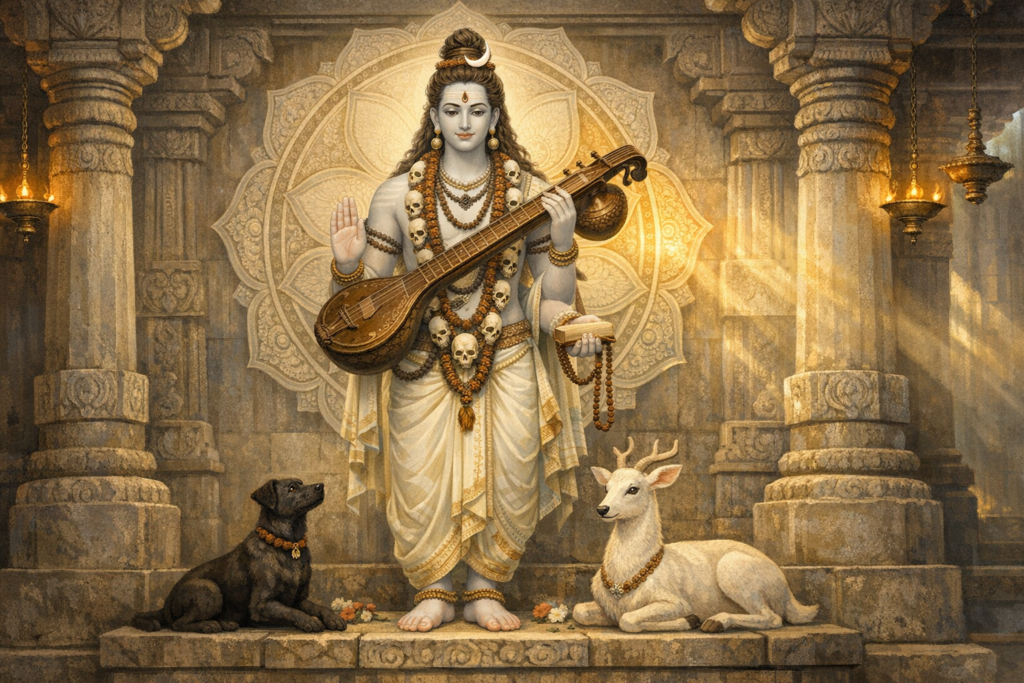
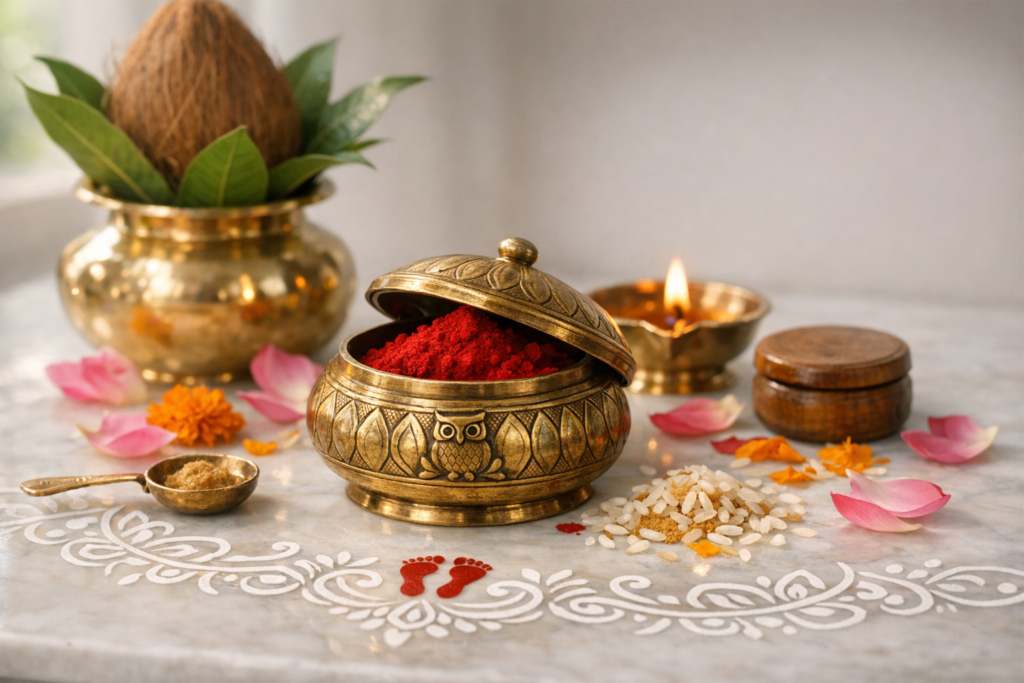
Classical narratives associate the observance with Yama, the Deva of death, and his sister Yamuna. According to the legend, Yama visited Yamuna on this auspicious Dwitiya tithi, received aarti, a sacred tilak, and a meal at her home, and in return bestowed a boon: brothers who share their sister’s hospitality on this day are blessed with protection, prosperity, and well-being. This story underpins a key rite of Bhai Dooj—tilak and aarti—symbolizing mutual care, responsibility, and the safeguarding of one another’s welfare.
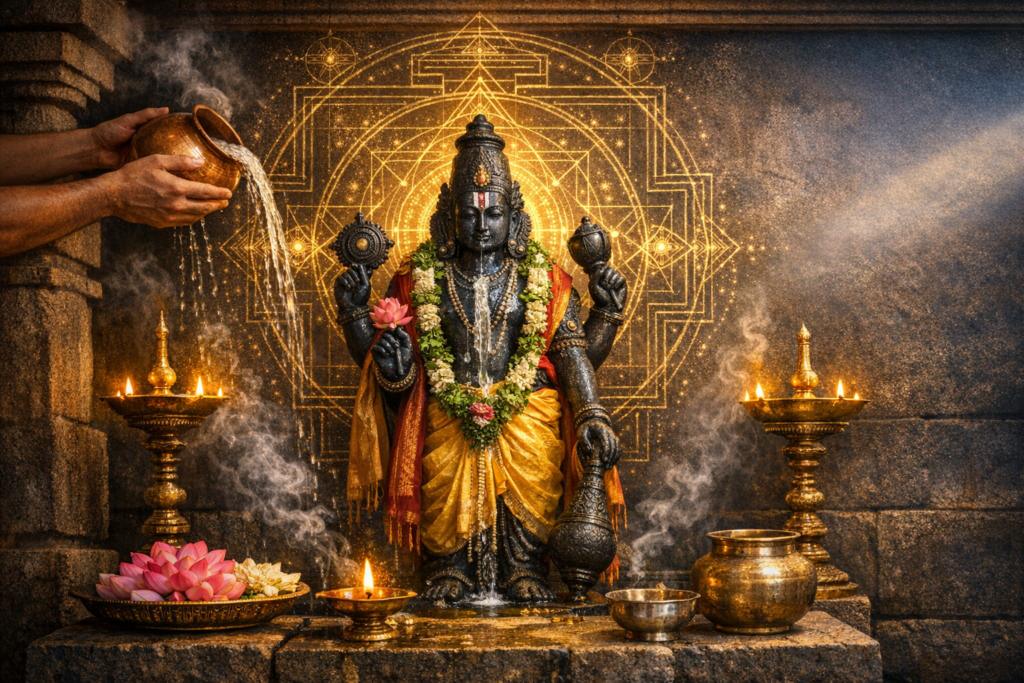
Regional practices reflect India’s cultural diversity. In North India, Bhai Dooj typically involves sisters welcoming brothers with aarti, roli-kumkum tilak, and sweets, followed by affectionate gift exchanges. In Gujarat and Maharashtra, the day is known as Bhai Bij or Bhau Beej, while in Nepal, Bhai Tika features a distinctive multi-hued tilak. In South Indian traditions that use the name Yama Dwitiya, some households incorporate prayers to Yama and Yamuna and, where feasible, a ritual snan or simple water offering as a symbolic gesture of purification and blessing.
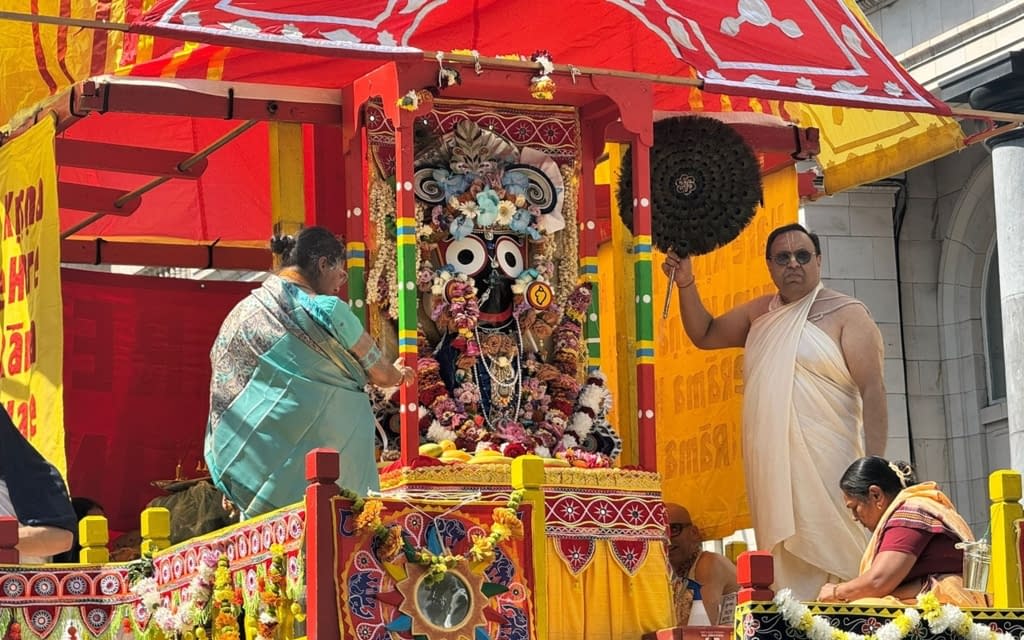
Within the broader Diwali framework—Dhanteras, Naraka Chaturdashi, Lakshmi Puja (Deepavali), Govardhan Puja/Annakut, and Yama Dvitiya—this final day completes a progression from purification and light to gratitude and familial harmony. Many families view Yama Dvitiya as a moment to renew vows of seva, express gratitude, and strengthen intergenerational bonds. These values resonate across dharmic traditions—Hinduism, Buddhism, Jainism, and Sikhism—where the ethic of mutual care, non-harm (ahimsa), and community well-being is cherished and often expressed through shared cultural observances during the Diwali season.
A simple home observance can be conducted with clarity and devotion. During the Dwitiya tithi, a clean space is prepared with a lamp, flowers, and a small altar. Sisters perform aarti, apply tilak on the brother’s forehead, and offer sweets; brothers, in turn, provide blessings and thoughtful gifts. Families may add readings, songs, or reflections on dharma to deepen meaning. Where precise muhurta is desired, consulting a local Panchang ensures the rite aligns with regional timings and customs.
In contemporary contexts, Yama Dvitiya continues to thrive—from metropolitan India to global diaspora communities—because it articulates universally relatable values: reverence for family, responsibility toward loved ones, and the celebration of supportive relationships. Many households also dedicate prayers for the well-being of all beings, reinforcing a spirit of unity in diversity. As such, Yama Dvitiya functions not only as the culmination of Diwali but as a living tradition that strengthens social cohesion across cultures and dharmic paths.
Key facts for planning: Yama Dvitiya 2025 falls on October 23; it is observed on Kartika Shukla Dwitiya; it is interchangeably known as Yam Dwitiya, Bhai Dhooj, Bhai Bij, and Bhai Beej; and it emphasizes the sacredness of sibling bonds through tilak, aarti, blessings, and shared meals. These practices, rooted in the legend of Yama and Yamuna, continue to carry profound cultural significance in the landscape of Hindu festivals and Indian traditions.
Inspired by this post on Hindu Pad.