On October 13, 2025, at the Hare Krishna temple in Alachua, Florida, Akuti devi dasi presented a rigorous class on Srimad-Bhagavatam (Bhagavata Purana) Canto 3, Chapter 19, text 28, entitled “The Killing of the Demon Hiraṇyākṣa,” hosted by ISKCON Alachua.
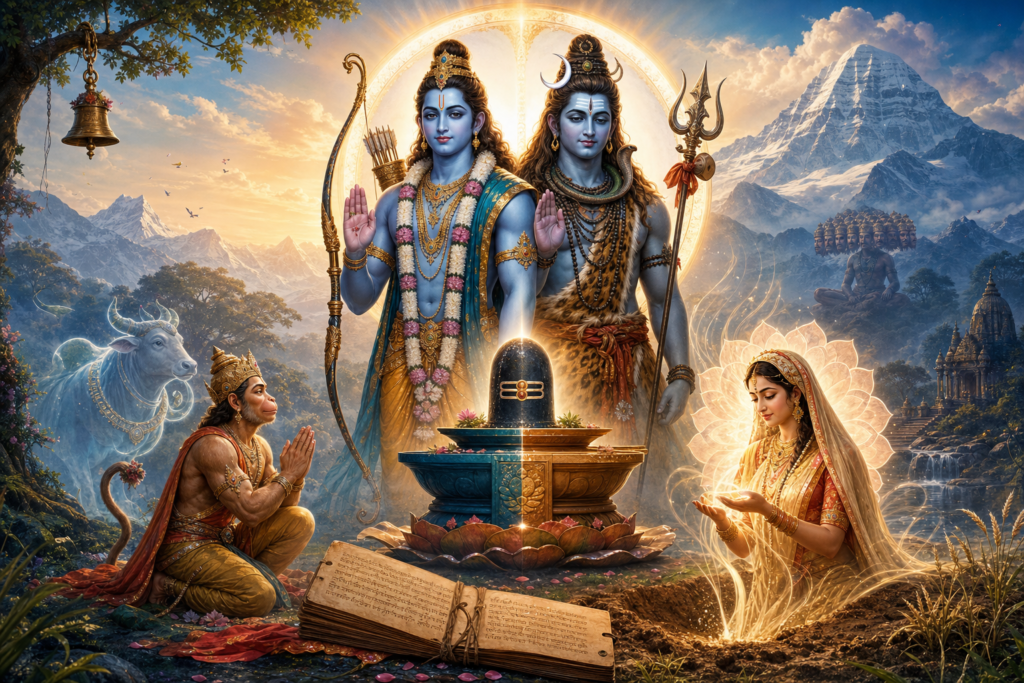
The lecture situates SB 3.19.28 within the Varaha avatāra narrativeVishnu’s boar incarnation who raises the Earth (Bhūmi) and confronts Hiraṇyākṣato demonstrate how the Bhagavata frames the restoration of cosmic order (ṛta) and the safeguarding of dharma. The verse’s context illuminates the interplay of divine protection, moral responsibility, and the re-establishment of harmony in creation.
Drawing on the bhakti tradition, the analysis highlights three interlinked themes: steadfast devotion amid upheaval, humility in the presence of divine guardianship, and courageous action aligned with dharma. These motifs encourage practitioners to cultivate inner steadiness, disciplined compassion, and protective care for society and naturecore qualities that strengthen individual sādhana and collective well-being.
Presented through an inclusive dharmic lens, the exposition underscores values shared across Hinduism, Buddhism, Jainism, and Sikhismethical courage, non-harm, truthfulness, and serviceoffering common ground for contemplative practice and community harmony. This integrative approach supports unity in spiritual diversity while honoring the distinctive insights of each tradition.
For students of Hindu scriptures and comparative philosophy, the session offers clear verse-by-verse context, historical framing of Canto 3, and practical reflections for daily practice: attentive listening (śravaṇam), mindful speech, and resilience when confronting the “inner Hiraṇyākṣas” of pride, fear, and distraction.
By emphasizing Varaha’s triumph not as mere mythic combat but as the safeguarding of moral and ecological order, the class invites reflection on contemporary responsibilities: protecting the vulnerable, stewarding the environment, and nurturing unity across dharmic traditions.
This carefully articulated treatment of SB 3.19.28 thus bridges scriptural study and lived ethics, resonating with seekers, scholars, and community members connected with ISKCON Alachua and beyond. The result is a scholarly yet accessible guide to understanding how Srimad-Bhagavatam illuminates everyday dharma in a plural and interconnected world.
Inspired by this post on Dandavats.