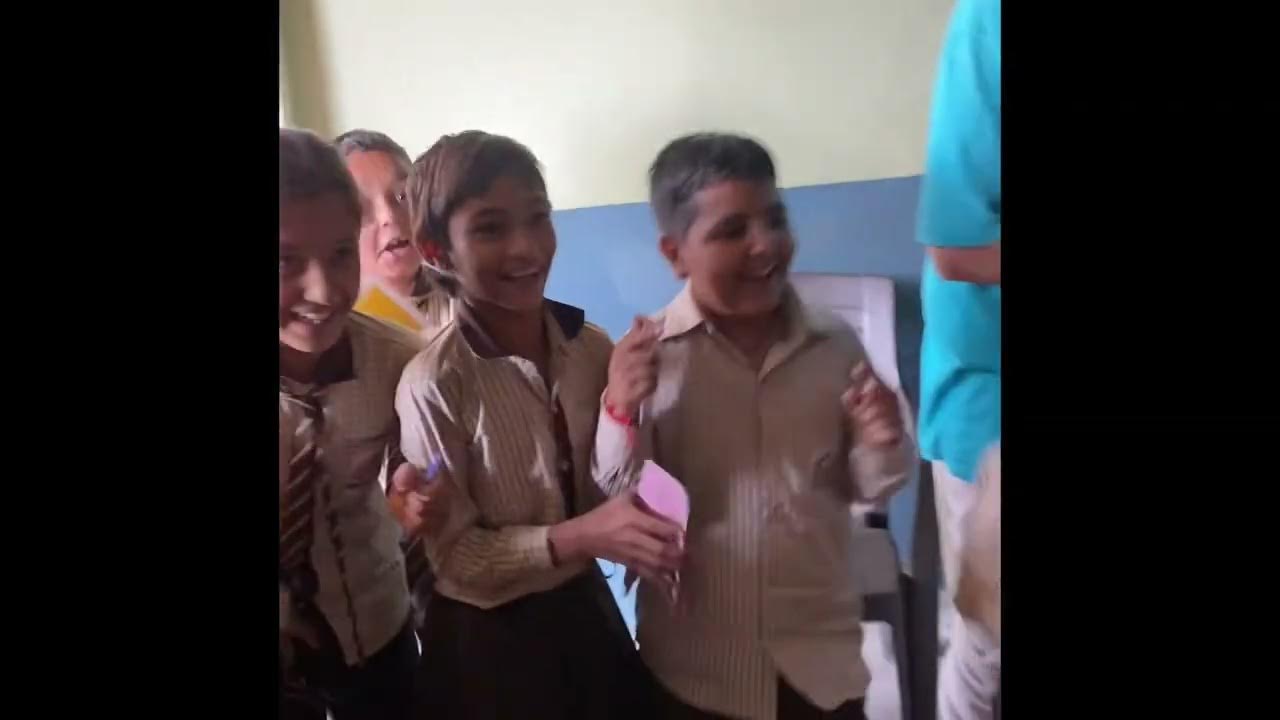
The school program in Vraja highlights how education and culture can be seamlessly integrated to nurture confident, creative, and community-minded students. In this gathering of Vrajavasi school children, learning unfolds through music, rhythm, and movement, reflecting a living tradition in which knowledge and devotion are not separate pursuits but mutually enriching practices.
As Parasuram das observes, these Vrajavasi students embody the insight that every word carries melody and every step holds cadence, transforming study into celebration. Their coordinated songs and dances illustrate how a curriculum rooted in the Bhakti Tradition and Hindu culture can meaningfully preserve Cultural Heritage while inspiring disciplined expression among young learners.
Programs of this kind support Education Initiatives that develop multiple literacies simultaneouslylinguistic, musical, and performativewhile cultivating teamwork, memory, and attentive listening. They also strengthen community bonds by inviting families and neighbors to witness shared values in action, affirming that cultural learning is communal learning.
The educational value extends beyond performance. Students practice focus, cooperation, and respect, while internalizing dharmic ethics such as seva, humility, and gratitude. Presented in an inclusive spirit, these activities resonate with the wider dharmic familyHinduism, Buddhism, Jainism, and Sikhismby emphasizing unity in diversity, shared moral foundations, and the dignity of collective effort.
In Vraja, such school programs demonstrate how heritage-based education can be contemporary, rigorous, and joyful at once. They offer a model for community engagement in which Cultural Heritage is not only preserved but also actively lived, ensuring that tradition remains a dynamic force shaping future-ready, compassionate citizens.
Inspired by this post on Dandavats.