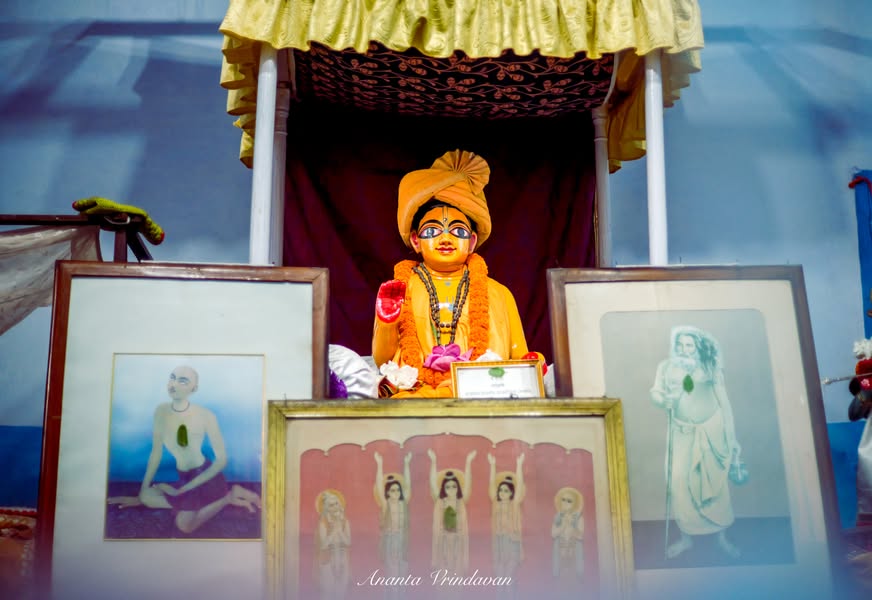
On a serene morning, a parikrama party visited Shantipur, the sacred residence of Advaita Ācārya, to honor a cornerstone of the Bhakti Tradition within Sanatana Dharma. The visit formed part of a Hindu pilgrimage itinerary that foregrounds spiritual continuity, living heritage, and devotion to Sri Krishna across generations.
During the visit, a focused discourse explored the historical and theological significance of Advaita Ācārya, whose fervent prayers for the Lord to descend in the age of Kali are central to Gaudiya devotional memory. Presented in an academic yet accessible manner, the discussion highlighted Advaita Ācārya’s role in catalyzing a movement of compassion, congregational remembrance, and shared spiritual purpose that continues to inform contemporary Spiritual Insight and practice.
Later in the day, the group journeyed to Birnagar, the birthplace of Śrīla Bhaktivinoda Ṭhākura, the visionary pioneer of the Krishna Consciousness movement. Reflections at the site emphasized Cultural Heritage and the intellectual and organizational foundations that Bhaktivinoda Ṭhākura established to revive, document, and transmit sacred knowledge, ensuring that core tenets of the Bhakti Tradition remain both rigorous and relevant.
Pilgrims noted how walking these sacred geographies deepened a sense of humility, gratitude, and purpose. Many described the experience as an immersion in living history, where devotion becomes tangible through place, memory, and disciplined practice. The atmosphere at Shantipur and Birnagar invited contemplation, encouraging participants to integrate reverence, service, and ethical conduct into daily life.
The day’s journey also illuminated a wider dharmic resonance. Values such as compassion, self-discipline, and communal harmonyso prominent in the Bhakti Traditionfind parallels across Hinduism, Buddhism, Jainism, and Sikhism. This shared inheritance underscores unity in diversity, affirming that sacred traditions can strengthen social cohesion while honoring distinct paths of spiritual realization.
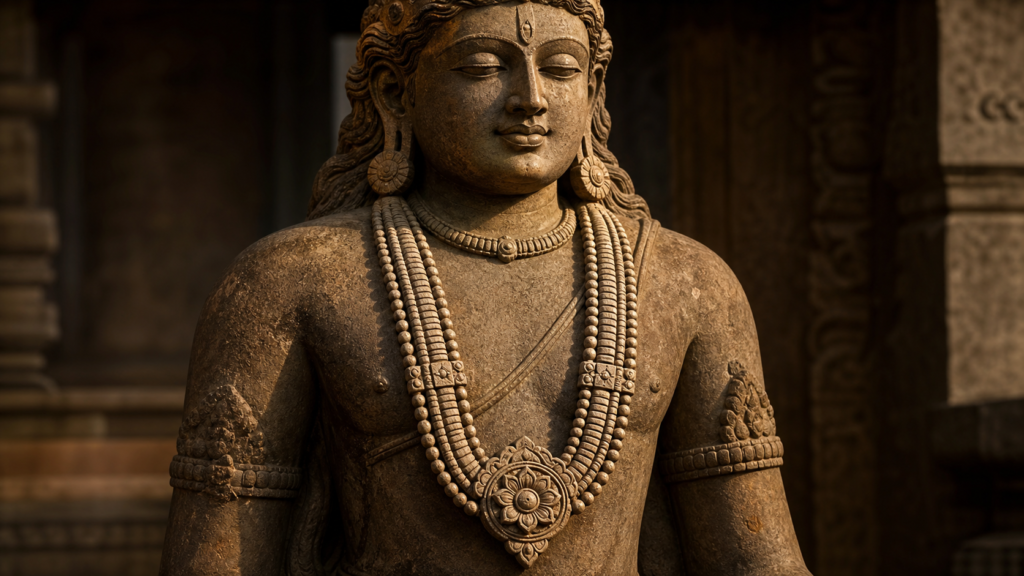
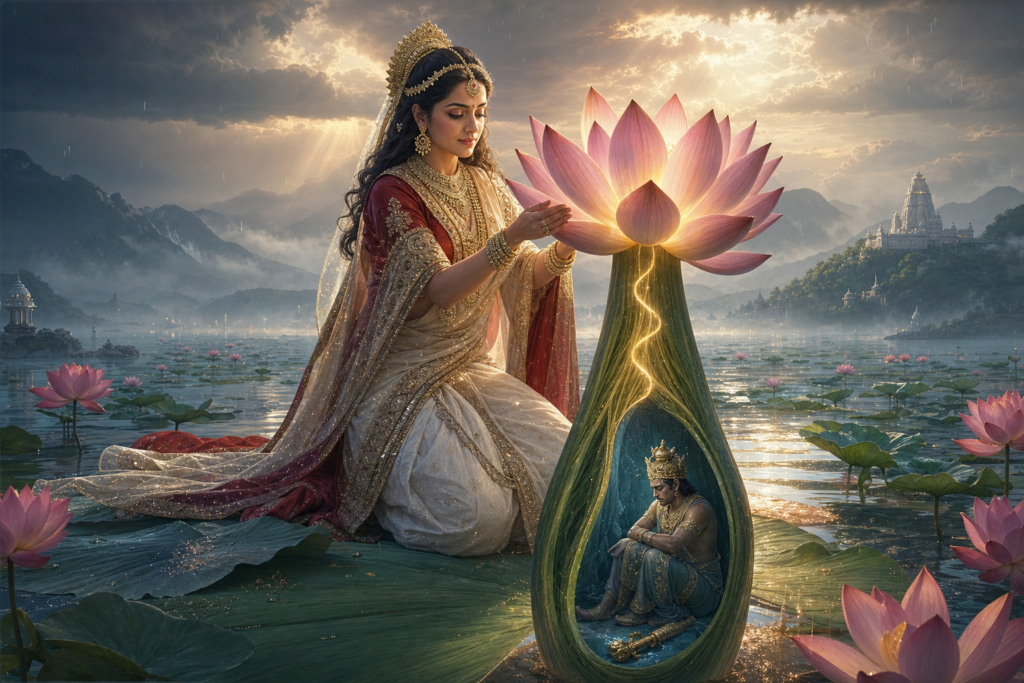
Photographs from the day capture contemplative moments and the dignified beauty of these sites of Sacred Tradition. Beyond documentation, the visit nurtured a thoughtful appreciation for Cultural Heritage stewardship and inspired continued study, reflection, and responsible practice within the broader framework of Sanatana Dharma.
Inspired by this post on Dandavats.