BJP leader B. L. Santhosh has condemned the alleged slander directed at Dharmasthala, framing it as an affront to the faith and beliefs of Hindus and as part of wider ideological attacks on Hindu temples. His remarks position the controversy within ongoing debates about religious sentiment, heritage protection, and the responsibilities of public discourse in a plural democracy.
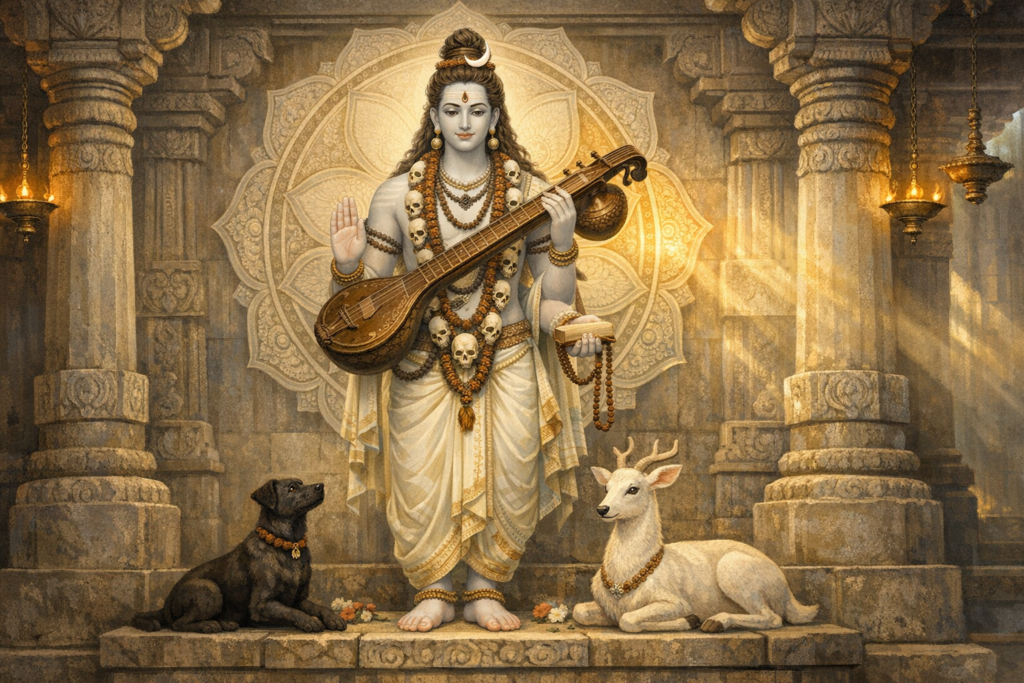
Dharmasthala occupies a singular place in India’s sacred geography. Revered for the Sri Manjunatheshwara Temple and its long-standing Jain stewardship under the Heggade family, Dharmasthala exemplifies a shared civilizational legacy where diverse dharmic traditions co-exist in harmony. This distinctive syncretic history—Jain administration alongside Hindu worship—has for centuries embodied principles of seva, tolerance, and interreligious respect.
Viewed through an academic lens, Santhosh’s intervention underscores how rhetorical or ideological attacks against temples can be perceived as assaults on community identity and religious sentiment. Such episodes resonate far beyond a single site; they intersect with broader conversations on Hindutva, heritage continuity, and the constitutional guarantees that safeguard freedom of religion and cultural expression in India.
For countless families, sacred institutions like Dharmasthala function not only as places of worship but also as hubs of service, learning, and social welfare. The region’s longstanding commitments—annadāna, education initiatives, and healthcare outreach—demonstrate how dharmic values translate into tangible public good. These lived experiences, shared by Hindus, Buddhists, Jains, and Sikhs alike, reinforce unity in religious diversity and strengthen a culture of mutual dignity.
In moments of contention, a balanced response rests on three pillars: due process, evidence-based public reasoning, and civility. Protecting heritage and the sentiments of devotees requires careful investigation of claims, responsible reporting, and respect for the rights of all communities. Scholars and citizens alike benefit when disagreements are addressed through transparent inquiry rather than polarization.
Equally important is resisting generalizations that fuel communal suspicion or Hinduphobia. Sustainable social harmony is advanced when stakeholders—including media, civil society, and political actors—commit to precise language, contextual analysis, and a recognition of India’s dharmic pluralism. These practices align with foundational values such as ahimsa, seva, and satya, which have long guided interfaith coexistence.
Seen in this light, the Dharmasthala Controversy can serve as a catalyst for constructive dialogue rather than division. By reaffirming the shared ethical core of Hinduism, Buddhism, Jainism, and Sikhism—and by honoring the integrative example Dharmasthala represents—public discourse can move toward a principled consensus: safeguarding sacred spaces, upholding constitutional freedoms, and nurturing dharmic unity amidst diversity.
Ultimately, the discussion sparked by B. L. Santhosh’s statement is less about partisan positioning and more about preserving the civilizational fabric that sites like Dharmasthala symbolize. A measured, historically informed approach helps the public discover context, master complexity, and pursue a path that protects both religious sentiments and the plural ethos that underpins India’s cultural heritage.