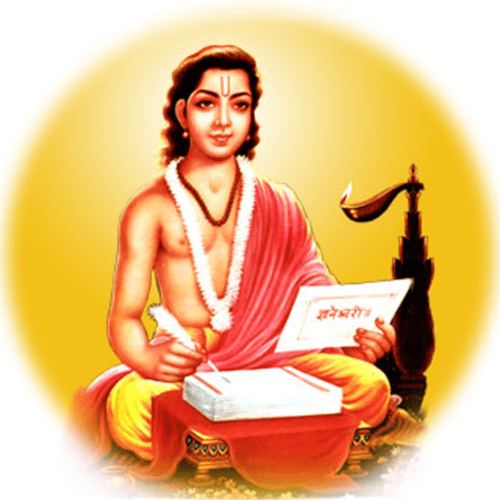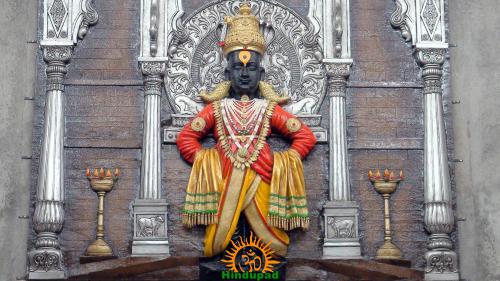
Nārāyaṇīyam (often spelled Narayaneeyam) is a luminous condensation of the Srimad Bhagavatham (Bhagavata Purana), composed in 16th-century Kerala by Melpathur Nārāyaṇa Bhaṭṭathiri. Revered as both poetry and philosophy, it distills vast Purāṇic cosmology and Krishna-bhakti into a compact, chantable masterpiece that continues to inspire daily devotional practice across India and the global diaspora. While firmly situated within the Vaishnava bhakti tradition, its ethical emphasescompassion, self-discipline, surrender, and universal goodwillresonate broadly with the shared values of Hinduism, Buddhism, Jainism, and Sikhism.
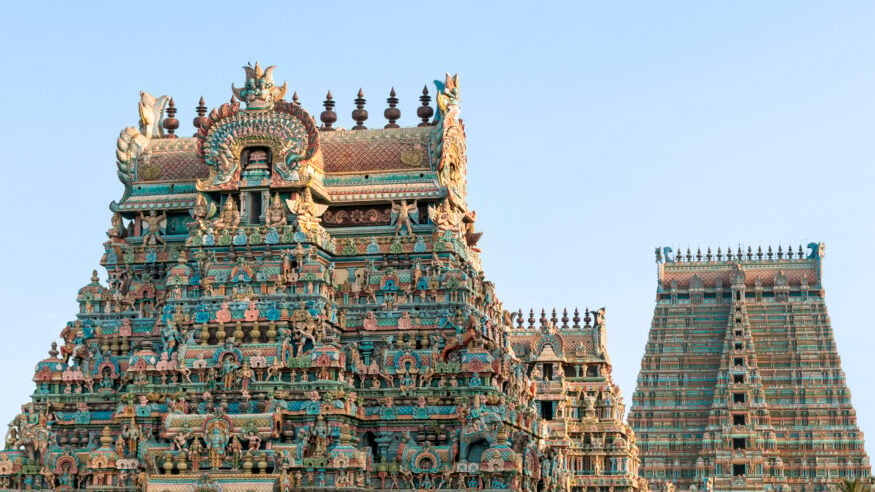
Historically, Nārāyaṇīyam arose in a period of remarkable Sanskrit literary activity in Kerala. Bhaṭṭathiri, celebrated for his mastery of grammar, prosody, and Mimamsa, shaped his devotional synthesis in the sanctum of the Guruvayur temple, addressing Sri Krishna as Guruvayurappan. Traditional accounts place the composition during a time of personal illness and spiritual trial, giving the work a distinctive voice of urgency, hope, and transformative grace that has moved generations of readers and listeners.
Textually, Nārāyaṇīyam is organized into 100 cantos (daśakas) and a little over a thousand ślokas (traditionally counted between 1034 and 1036). In these daśakas, Bhaṭṭathiri offers an architectonic précis of the Bhagavata Purana’s 12 books (skandhas)from cosmogony and avatāra narratives to the intimate Krishna-līlā and culminating meditative vision. The result is a theologically integrated, aesthetically refined path through one of the most influential Sanskrit scriptures in the Hindu canon.
Formally, the poem showcases a remarkable range of Sanskrit chandas (meters) and alankāras (figures of speech). The rhythmic variation sustains the listener’s attention and maps the emotional ascent of the narrativefrom the grandeur of creation and the drama of avatāras to the sweetness (mādhurya) of Krishna’s vraja-līlā and the serenity of contemplative praise. This refined prosody is not merely ornamental; it guides devotees into a cadence of breath and attention that supports both devotional absorption and recitational flow.
As a condensation, Nārāyaṇīyam refines the Bhagavata’s amplitude without sacrificing depth. The early cantos outline Brahmā’s creation, the principles of cosmic emanation (sarga and visarga), and the unfolding of dharma across yugas. Subsequent cantos move through the avatārasVarāha, Vāmana, Narasimha, Rāma, and othersbefore dwelling at length on Krishna’s appearance, childhood sports, Govardhana episode, rāsa-līlā, and counsel to devotees. The work then turns toward contemplative closure, culminating in an intense, head-to-foot (keśādi-pāda) visualization of the Lord at Guruvayur.
For readers seeking “Narayaneeyam in short form,” a thematic pathway can help. One effective approach is to read representative clusters: daśakas on creation and divine governance (early cantos), on key avatāras (middle cantos), on Krishna’s Vraja episodes (central, extensive section), on Dvārakā and counsel (later cantos), and on the culminating dhyāna in the 100th canto. This arc preserves narrative coherence while foregrounding the poem’s devotional heart and meditative end.
Theologically, Nārāyaṇīyam communicates a rigorous bhakti that embraces jñāna and karma within a devotional telos. The Supreme is experienced as both immanent and transcendent, personal and cosmicSri Krishna, the saguna Brahman who graciously receives surrender. Bhaṭṭathiri weaves Vedāntic insight through a Vaishnava lens without polemics, allowing diverse Vedantic streams (Advaita’s non-duality, Viśiṣṭādvaita’s qualified unity, and Dvaita’s devotional dualism) to find harmony in lived devotion. This integrative posture invites dialogue across dharmic traditions committed to compassion, ethical self-cultivation, and contemplative depth.
Aesthetically, the poem is a masterclass in rasa. The devotional sentiments of dāsya (reverent service), sakhya (friendship), vātsalya (tender parental love), and mādhurya (sweet love) are brought to life through evocative imagery and narrative pacing. The rāsa-līlā sections balance theological subtlety with poetic luminosity, making the sweetness of divine presence palpable to the attentive mind and heart.
Traditional accounts surrounding the composition are well known: afflicted by a debilitating illness, Bhaṭṭathiri is said to have undertaken a daily offering of one canto (daśaka) at Guruvayur, completing the work in roughly 100 days and receiving healing grace upon its conclusion. While such narratives are matters of faith, many practitioners today report tangible benefitscalm, focus, resiliencefrom a disciplined recitation practice. Devotional chanting, of course, complements rather than replaces medical care; its primary gift is inner steadiness grounded in meaning and mindfulness.
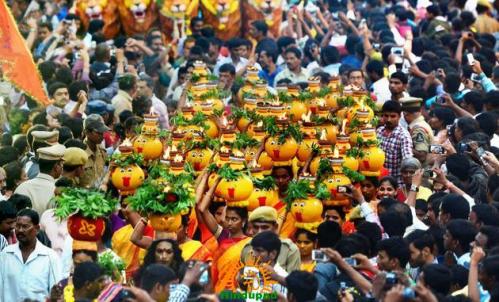
In lived practice, Nārāyaṇīyam supports diverse recitational rhythms. Some chant one daśaka per day over 100 days; others undertake a week-long (sapthaham) cycle or concentrate on select clusters (for example, avatāra cantos or Krishna-līlā). Temples and homes alike host early-morning or evening parāyaṇam, often culminating with communal food offerings and kirtan. In Kerala, the day traditionally observed as the poem’s completion (Vr̥ścikam 28, in the Malayalam calendar) draws especially large congregational recitations at Guruvayur.
For study-oriented readers, Nārāyaṇīyam invites multi-layered engagement. Philologically, it rewards attention to chandas, sandhi, and rhetorical design. Theologically, it affords a synoptic view of bhakti-soteriology anchored in grace and surrender. Devotionally, it becomes an intimate conversation with Sri Krishna: each canto closes like a carefully offered flower, completing a garland of praise that is both poetic and prayerful.
Transmission and commentary traditions further enrich the work’s reception. Malayalam and Sanskrit commentaries, along with translations into major Indian languages and English, have enabled both practitioners and scholars to enter the poem’s linguistic nuance and theological intent. Study circlesblending chant, commentary, and reflectionare common in Kerala and increasingly visible worldwide, drawing together students of Sanskrit literature, devotees of Krishna, and seekers from kindred dharmic paths.
Beyond confessional boundaries, the poem’s virtues echo across dharmic traditions. Its call to compassion and inner discipline aligns with the Sikh emphasis on nām-simran and seva; its contemplative poise and loving-kindness resonate with Buddhist meditative ethics; its demand for ahiṃsā and self-mastery complements Jain ascetical ideals. Such convergences encourage a shared civilizational ethos: unity in spiritual diversity, respect for multiple paths, and recognition that devotion and wisdom are mutually illuminating.
Culturally, Nārāyaṇīyam remains a living heritage of Kerala. Families recount intergenerational memories of dawn recitations, festival-day sapthahams, and the quiet solace of a familiar daśaka during difficult times. Students of Sanskrit treasure its craft; musicians borrow its cadences; and temple communities regard it as both a work of literature and a daily companion in prayer.
As a “short form” of the Bhagavata Purana, Nārāyaṇīyam achieves an unlikely balance: it is concise yet expansive, poetic yet precise, intimate yet universal. Whether approached as scripture, song, or meditative manual, it invites steady practice, thoughtful study, and a broad-hearted appreciation of dharmic wisdom. In doing so, it strengthens bonds among traditions that prize truth, compassion, and the possibility of transformation through remembrance of the Divine.
Inspired by this post on Hindu Pad.