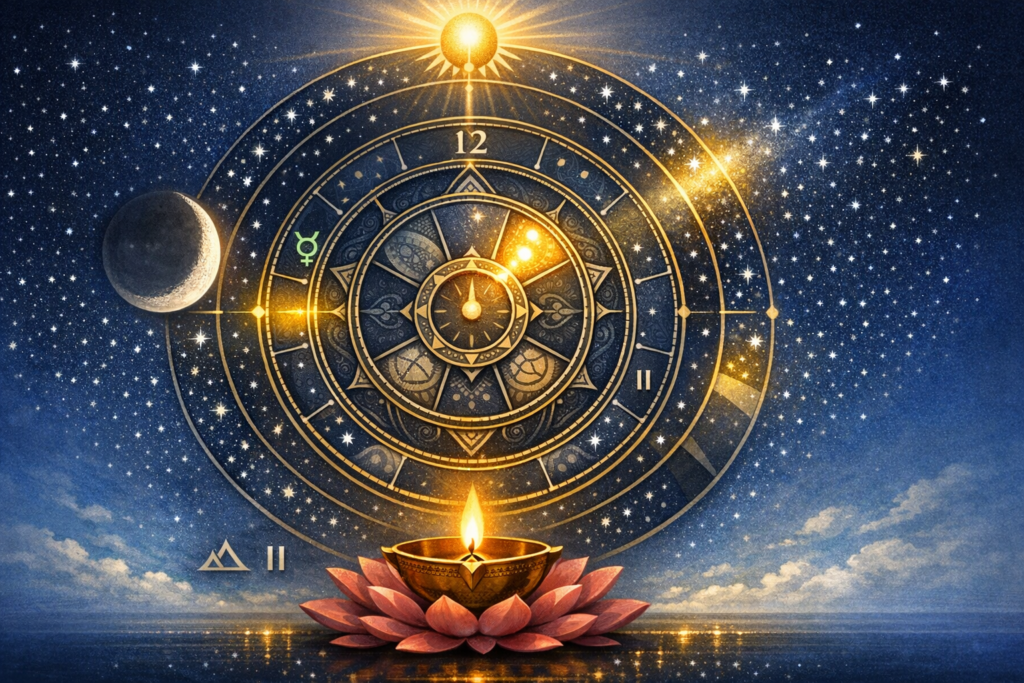
Temple visits, offerings, and festivals are woven into daily life in countless Hindu households across Delhi and the broader Indian subcontinent. From this lived reality, two questions naturally arise and often persist from childhood into adulthood: Why does Hinduism honor so many gods, and who—if anyone—is the Supreme? These questions gain urgency in moments of need, when prayer is instinctive yet no single name may arise on the lips, suggesting that the Divine might transcend names and forms, present more as a powerful, luminous reality that can be felt rather than seen.
An integrative intuition frequently emerges in adolescence: all religions—Hinduism, Jainism, Buddhism, Sikhism, Islam, and Christianity—appear to gesture toward one ultimate truth. Yet the identity, name, or form of that truth can remain elusive. Hindu philosophy provides a rigorous, time-tested framework for holding together this intuition with clarity, without negating the diversity of devotional practice observed in the temple, home, or street kirtan.
At the heart of Hindu thought is the insight, articulated in the Vedas and systematized through Vedanta and other darshanas, that the Ultimate can be simultaneously one and many. The oft-cited Rig Veda expression, “Ekam sat vipra bahudha vadanti” (Truth is one; sages speak of it variously), captures a hermeneutic key: plurality of names and forms signals not contradiction but richness of approach. Deities (deva) in this view are luminous windows—functionally distinct, ethically formative, and soteriologically effective—into the One reality (Brahman).
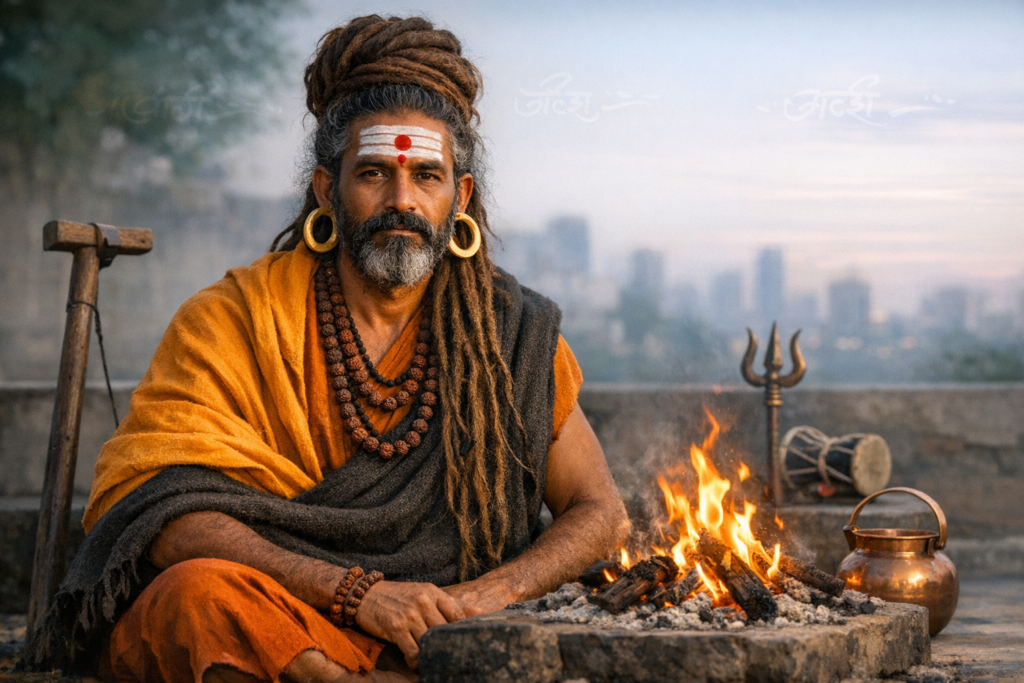
Hindu philosophy distinguishes between nirguna Brahman (the Absolute beyond attributes) and saguna Brahman (the Absolute as apprehended with attributes). The nirguna intuition aligns with the felt sense of a nameless, formless presence, often described as light-like, stillness, or pure awareness. The saguna approach supports embodied devotion and ethical cultivation through name (nama), form (rupa), and story (itihasa and purana), enabling concentration, gratitude, and surrender—core movements of the Bhakti Tradition that stabilize attention and purify motive.
Ishta-devata, a cornerstone of practical spirituality, honors the individuality of temperament, upbringing, and aspiration by inviting each person to approach the Divine through the deity form that resonates most deeply. The Bhagavad Gita supports such plurality: “ye yatha mam prapadyante tams tathaiva bhajamy aham” (Gita 4.11), affirming that the Divine reciprocates each path, and “yo yo yam yam tanum bhakta” (Gita 7.21–22) acknowledging that devotion, even when directed through particular forms, culminates in the One. In this light, multiplicity of worship is not dispersion but many doorways to one house.
The experience of calling out to a nameless presence during crisis can be read philosophically as an encounter with nirguna Brahman, while the later gravitation to a particular name—such as “Krishna,” “Rama,” “Shiva,” “Devi,” or the universal “Om”—maps the same reality into saguna contours the mind and heart can hold. Both modalities are validated in scripture: the Gita (12.2, 12.5) notes that realization of the unmanifest is profound yet demanding, while devotion to the manifest remains accessible and efficacious for most aspirants.
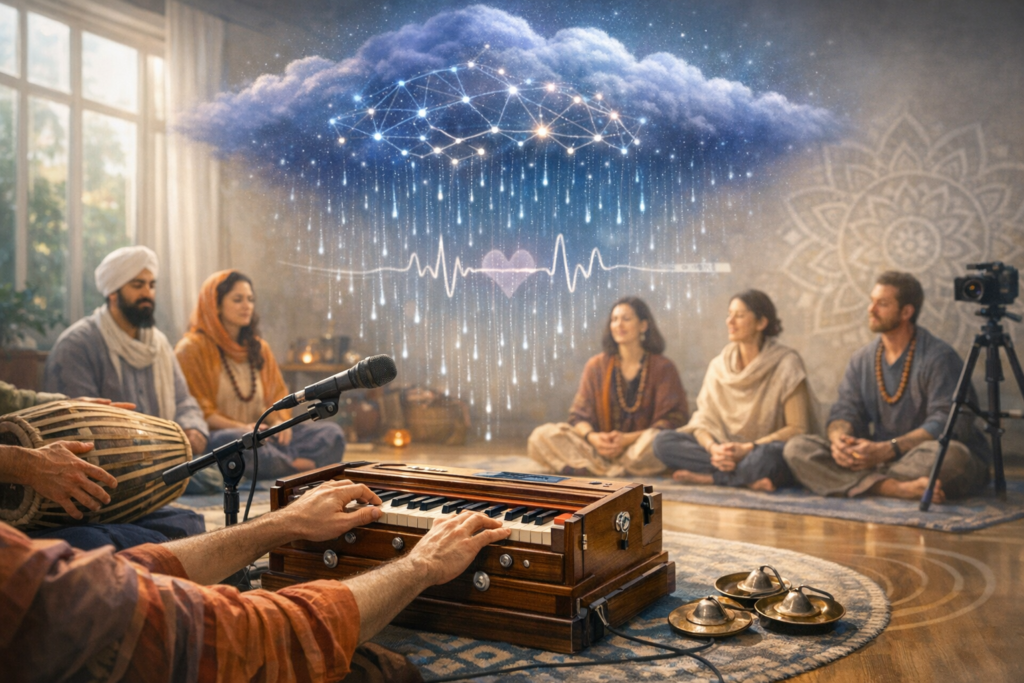
Devotional sound further refines this movement from the ineffable to the intimate. The pranava “Om” encodes the spectrum of manifest-unmanifest, aiding concentration and quieting discursivity. Similarly, the Maha-mantra “Hare Krishna” exemplifies Bhakti’s precision: repetition focuses attention, softens the inner climate, and orients action toward compassion and service. In practice, mantra becomes a cognitive-emotional technology rooted in scripture, rather than a mere sentiment.
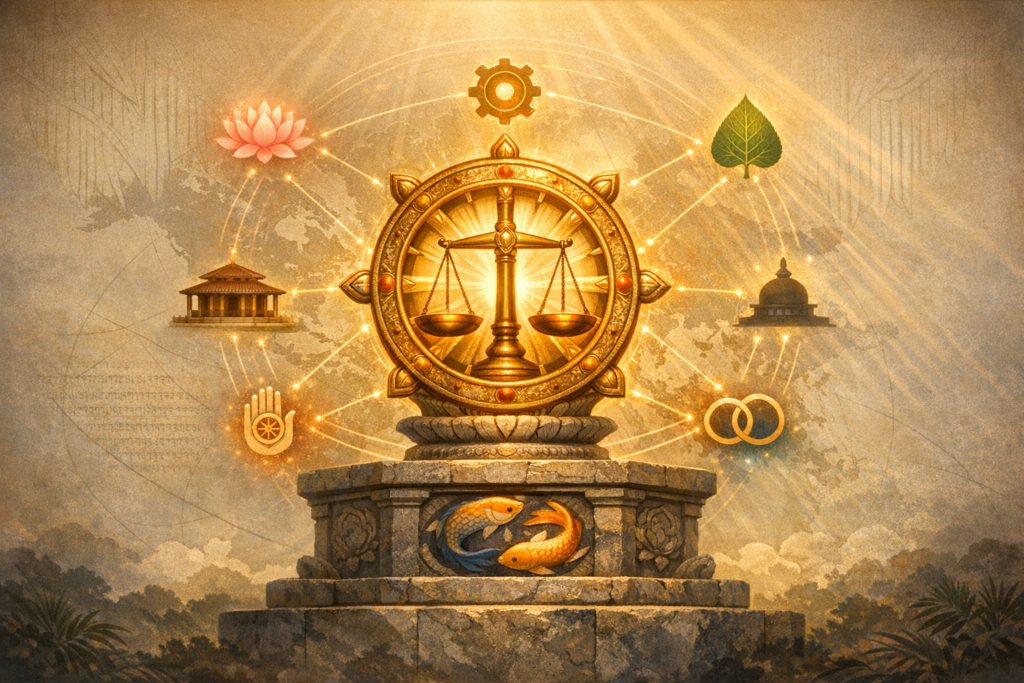
Pluralism in Hinduism harmonizes naturally with sister Dharmic traditions. Sikh wisdom begins with “Ik Onkar,” a clear articulation of oneness and immanence. Buddhist analysis, especially in Mahayana, investigates ultimate reality through sunyata and the embodied compassion of the bodhisattva ideal, pointing beyond conceptual fixation. Jain dharma emphasizes ethical rigor (ahimsa) and the culmination of kevala-jnana, mapping a path of purification and knowledge. While metaphysical vocabularies differ, the shared orientation—liberation through wisdom, ethics, and disciplined practice—supports unity without erasing distinctiveness.
This Dharmic kinship is not accidental; it arises from a civilizational ethos that privileges sadhana (practice), viveka (discernment), and karuna (compassion). The result is a spacious ecosystem of spiritual methods where Ishta functions as a bridge between interior temperament and transcendent truth. In practical terms, one may meditate in a manner inspired by the Buddha, chant “Waheguru,” revere Tirthankaras, or offer puja to Vishnu or Shiva—each a legitimate alignment with the One, when undertaken with sincerity and dharma.
The common misreading that Hinduism is either “polytheistic” or “monotheistic” in a rigid, exclusive sense misses this integrative grammar. Scholars have proposed terms such as “henotheism,” “kathenotheism,” or “polymorphic monotheism” to better capture the tradition’s elasticity. Yet the scriptural core remains simpler: the One is real; the many are valid approaches; and ethical transformation is the non-negotiable test of authentic realization.
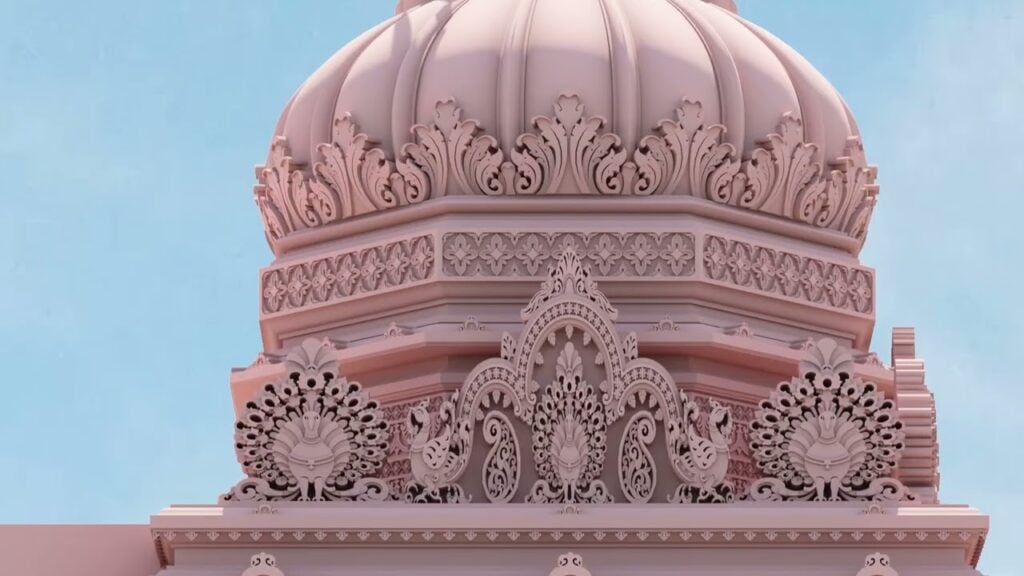
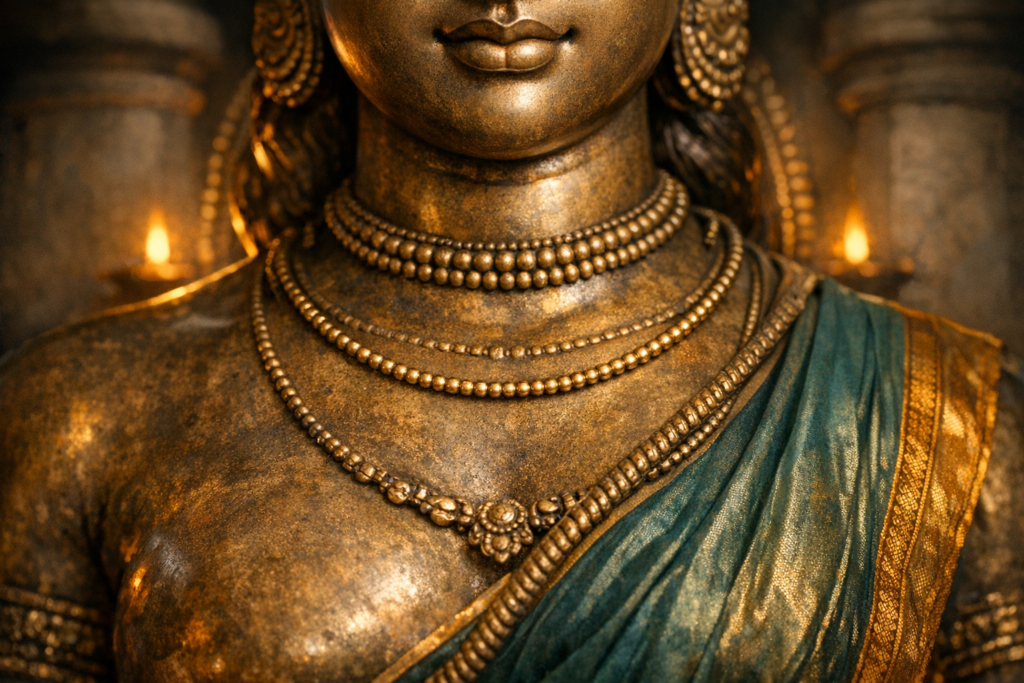
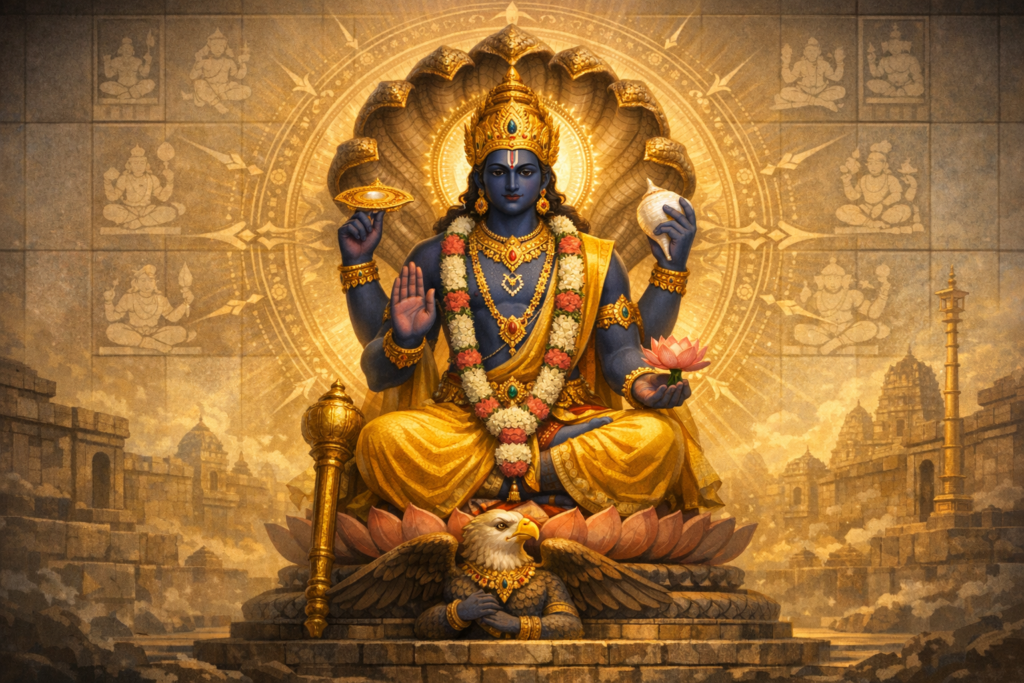
Temple culture in places like Delhi illustrates this synthesis with clarity. The murti (image) is not a mere object but a consecrated focalization (arca-avatara) of the Divine, intended to concentrate attention, regulate emotion, and articulate gratitude. Icons educate the senses, stories shape conscience, and ritual sequences choreograph inner states—an applied psychology refined over millennia to make the ineffable relationally present.
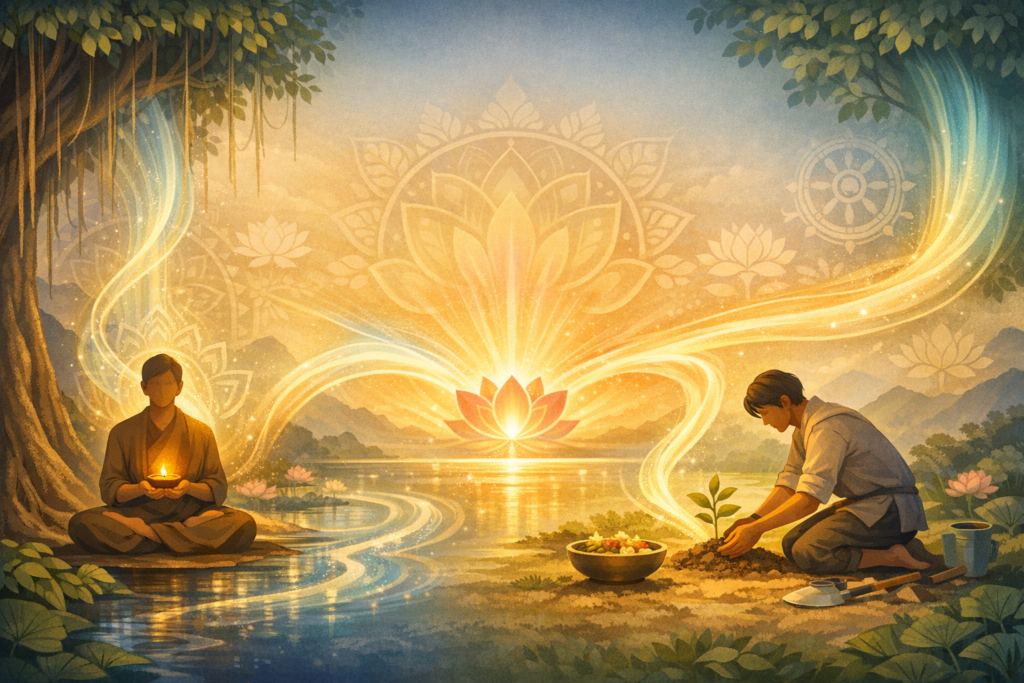
For those who sense a nameless light yet cannot settle on a single deity-name, a practical sequence can help. Begin with breath awareness and a universal mantra such as “Om” to stabilize attention. Add a short prayer for the well-being of all beings to anchor ethical intent. Over time, allow an affinity—perhaps to Krishna, Shiva, Devi, or a Dharmic exemplar such as the Buddha, a Tirthankara, or the Gurus—to surface naturally as Ishta. Let daily practice be consistent, simple, and compassionate in effect.
Textual study deepens this experiential arc. The Upanishads (for example, the “neti neti” insight of the Brihadaranyaka), the Bhagavad Gita’s synthesis of knowledge, action, and devotion, and the narrative wisdom of the Puranas together present a comprehensive map: the Absolute is beyond all categories and, by grace, intimately relatable; the paths are many, but realization flowers in humility, truthfulness, non-harm, and service.
This framework sustains interfaith respect while centering Dharmic unity. It acknowledges that Islam and Christianity affirm the oneness and moral governance of the Divine, and it recognizes the rigor with which Dharmic traditions explore method and interior transformation. Without erasing difference, the Sanatana ethos insists that sincere striving—by many names and in many forms—can lead to the Supreme Reality.
In sum, Hindu pluralism does not dilute truth; it operationalizes access. The One Reality (Brahman) admits of both silence and song, abstraction and intimacy. When prayer rises with no name, the nameless is present; when devotion settles on a chosen name, the same light shines through a beloved form. Unity in spiritual diversity is not a slogan but a precise philosophical and practical proposal: many paths, one goal, realized through disciplined practice and compassionate living.
Inspired by this post on Dandavats.