Many contemporary voicesacross science, philosophy, and public discourseassert that personal existence ends irrevocably at death. Dharmic traditions of Hinduism, Buddhism, Jainism, and Sikhism offer a different, rigorously reasoned vision: consciousness endures, actions have consequences beyond a single lifespan, and ethical restraint sustains both inner clarity and the shared world. The following synthesis clarifies this view through Vedic philosophy, the Bhagavad Gita, and parallel teachings, while engaging constructively with materialist arguments.
In classical India, the Lokayata or Carvaka Muni school articulated annihilationism with a succinct claim: bhasmi-bhutasya dehasya kutah punar agamano bhavet. In plain terms, once the body is reduced to ashes, how could there be any return? The claim is crisp, pragmatic, and remains influential in modern secular thought.
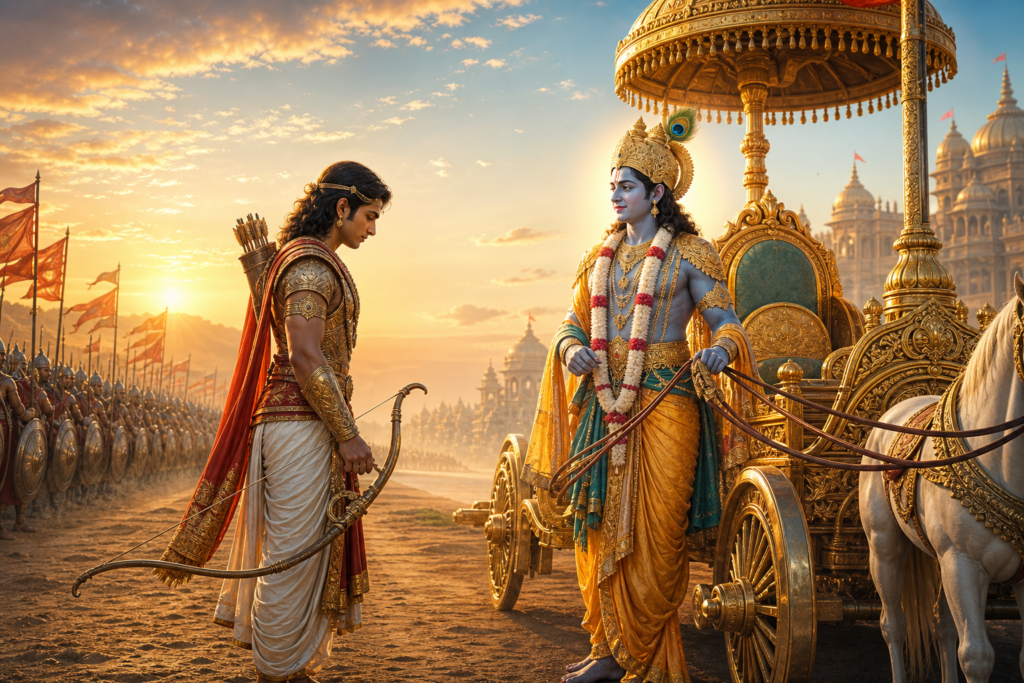
Dharmic responses emphasize the distinction between the perishable body and the principle of awareness. The Bhagavad Gita (2.13; 2.22) famously employs the analogy of changing garments to describe the jiva’s transition from one embodiment to another. The Upanishads, including Brihadaranyaka (4.4.5) and Chandogya (6.14.2), explore continuity of the experiencing subject across waking, dreaming, and deep sleepa triadic phenomenology that undergirds arguments for survival beyond physical dissolution.
Classical Vedic philosophy further describes a layered human constitution: sthula sharira (gross body), sukshma sharira (subtle psychophysical complex of mind, senses, and vital energies), and karana sharira (causal template). Death primarily affects the gross body; the subtle continuum persists, bearing samskaras (impressions) and karma-phala (the moral results of action). This account, while metaphysical, is internally coherent and harmonizes with extensive soteriological literature across Sanatana Dharma.
The material body’s fate is summarized in a memorable triad: it becomes stool, ashes, or earth. In a Vedic funeral ritualistic ceremony, cremation yields ashes. Where burial is practiced“Dust thou were, dust thou beist.”the body returns to earth. Where remains are left to scavengers, biological processes convert the body into stool. Each pathway concerns elemental matter, not the enduring stream of consciousness.
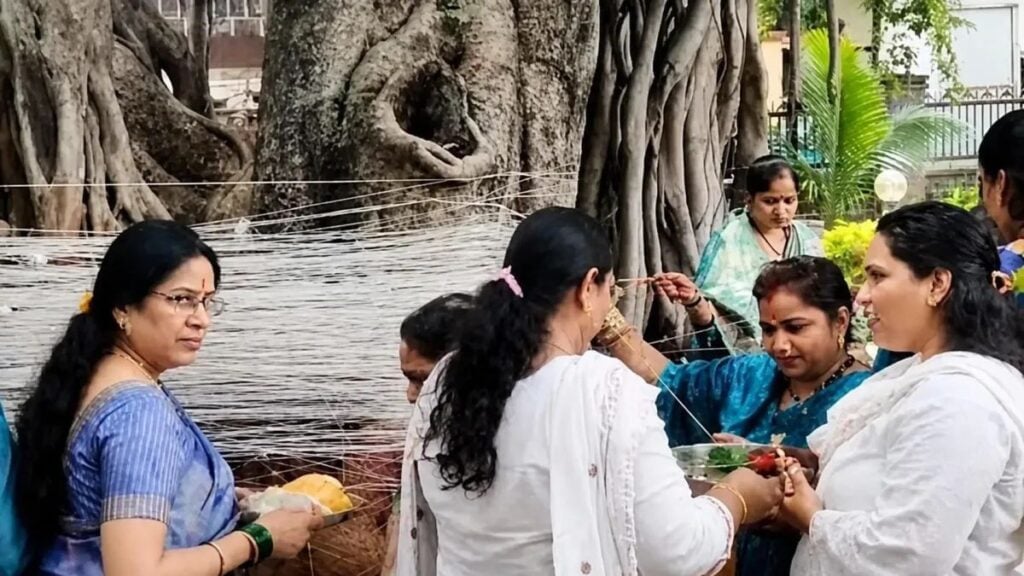
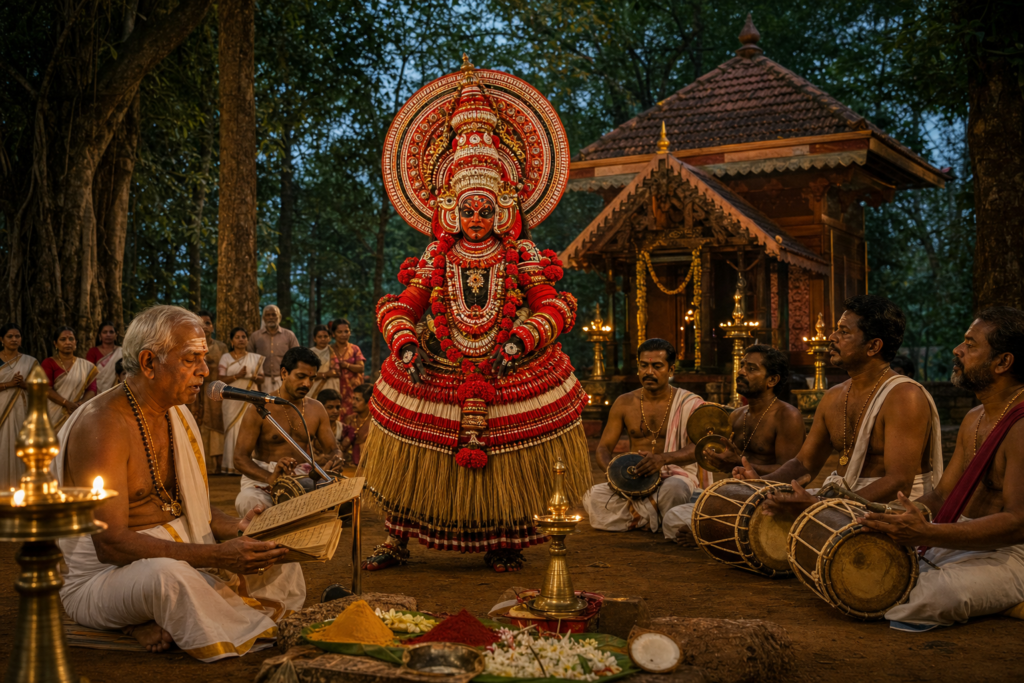
Antyeshti samskara, shraddha, and related observances do not “resurrect” the body; they honour the transition of the living principle and affirm social-ecological duties toward elements, ancestors, and community. The body that was carefully tended in life rightly re-enters larger cycles; the one who knew, felt, and chose continues in accordance with karma and inner orientation.
Comparative perspectives across dharmic traditions converge here. Buddhism typically favours cremation; Sikh antam sanskar prescribes cremation with remembrance of Naam; most Hindu sampradayas cremate; Jain communities frequently cremate while the ideal of sallekhana addresses conscious detachment at life’s close. The material treatment varies less in principle than it seems: all honour impermanence of the body and responsibility of mind-intention.
Buddhist Abhidharma analyses avoid positing a permanent self (anatta) yet describe a precise rebirth-linking (patisandhi citta) whereby causal continuitynot a soul-entityconnects lifetimes. Moral intention (cetana) shapes this continuity, mapping closely to the doctrine of karma without granting permanence to any constituent of experience.
Jain philosophy maintains an eternal jiva enmeshed with karmic pudgala (subtle matter) through beginningless association. Liberation entails nonviolence (ahimsa), restraint (aparigraha), and right knowledge-action (samyak jnana, samyak charitra), which burn karmic accretions and release the jiva from samsara, as systematized in the Tattvartha Sutra. The framework is technically rigorous, linking cosmology, ethics, and psychology.
Sikh teachings in the Guru Granth Sahib speak of janam-maran (birth and death) cycles and stress remembrance of the Divine Name as the way to transcending them. The emphasis is bhakti-infused ethicstruthfulness, service, and inner disciplineculminating in union beyond cyclic return. Here, as in other dharmic paths, metaphysics and everyday conduct remain inseparable.
These convergences translate into shared ethical guardrails. Across Hindu yamas and niyamas, the Buddhist pañcasila, the Jain anuvratas, and the Sikh rehat, one finds consistent counsel: nonviolence, truthfulness, sobriety, sexual responsibility, non-stealing, generosity, and contentment. Such guidance is not puritanical prohibition; it is ergonomics of the souldesign rules for a mind-body system optimized for clarity and compassion rather than compulsion.
By contrast, a strictly bodily identity often defaults to hedonismif the senses define reality, why restrain them? Dharmic frameworks reply that unexamined indulgence thickens samskaras, tightens karmic loops, and obscures the very happiness it seeks. Sustainable joy arises from mastery, not escalation; from disciplined attention, not from novelty chasing.
Resource scarcitywhether of arable soil, clean water, or petroleumfurther illustrates an ethical lawfulness in collective life. Consumption driven by endless appetite amplifies depletion and inequity. Principles such as aparigraha (non-hoarding), dana (sharing), and tapas (voluntary simplicity) function as civilizational technologies for sustainability, aligning personal liberation with planetary well-being and intergenerational justice.
Engagement with modern science is both necessary and fruitful. Neuroscience correlates awareness with brain processes and, for many, implies that consciousness ends with the body. Yet difficult questions persist: the “hard problem” of phenomenal experience, puzzling reports of veridical perception during near-death episodes, and meticulously documented cases of young children reporting specific past-life details (e.g., long-running research programs at the University of Virginia). Dharmic philosophy invites methodologically open inquiry rather than culture-war certitude.
Anthropology and lived experience also contribute data. Countless families across South Asia describe vivid dreams, timely intuitions, or striking recognitions around the time of a relative’s passing or shortly after the immersion of ashes. Such narratives do not replace science, but they are part of a cumulative human record that has guided rites and ethics for millennia, sustaining a practical confidence that life’s meaning transcends a single biography.
The Gaudiya Vaishnava tradition, represented globally by A.C.Bhaktivedanta Swami Prabhupada, reiterates these points with particular urgency: identity exceeds the body, the senses require guidance, and devotion harmonizes duty with transcendence. Parallel currents run through Advaita, Yoga, Shaiva, Shakta, and Smarta exegesisindicating a civilizational consensus across doctrinal nuances within Hindu philosophy.
In this light, the striking triadstool, ashes, or earthserves as a pedagogical device. It brings the body’s impermanence into sharp relief so that attention can return to the steady cultivation of character, concentration, and compassion. The goal is not aversion to the body but right-sizing its significance within a larger architecture of being articulated by the Upanishads and the Bhagavad Gita.
Funerary practices thus become classrooms of wisdom. Antyeshti, kirtan or simran, chanting of the Bhagavad Gita or recitation from the Guru Granth Sahib, meditation on impermanence as in Buddhist maranasati, and Jain reflections on ahimsa all converge on the same teaching: live now as one who will die, and die as one who has lived well. These are shared dharmic traditions, not competing creeds.
Practical synthesis follows naturally: regular meditation (dhyana), breath regulation (pranayama), mindful speech, ethical livelihood, service (seva), and study (svadhyaya) refine the subtle body and stabilize attention. These practices are cross-applicable across Hinduism, Buddhism, Jainism, and Sikhism, anchoring spiritual coexistence and mutual respect in lived disciplines rather than abstraction.
In sum, when the body meets its elemental destinationstool, ashes, or earththe journey of consciousness, shaped by karma and intention, continues. Recognizing this deepens reverence for life, motivates restraint instead of excess, and builds solidarity across dharmic communities. Beyond ashes and earth lies a mandate: to align daily choices with timeless wisdom so that inner freedom and a sustainable world mature together.
Inspired by this post on Dandavats.