The annual Brahmotsavams of Sri Venkateswara Swamy at the Tirumala Tirupati Devasthanams (TTD) Sri Venkateswara Swamy Temple in New Delhi will be observed with exceptional devotional grandeur from May 01 to May 09, 2026. Pre-festival rites include Koil Alwar Thirumanjanam (temple cleansing) on April 28, followed by Ankurarpanam (seed-sowing consecration) on April 30. The nine-day Brahmotsavam sequence, rooted in Sri Vaishnava sampradaya and Pancharatra Agama tradition, offers an immersive spiritual experience to devotees across the capital.
Key dates and customary sequence are as follows: April 28 – Koil Alwar Thirumanjanam; April 30 – Ankurarpanam; May 01 to May 09 – Brahmotsavams, commencing with Dwajarohanam (ceremonial flag hoisting) and culminating on the final day with the traditional concluding rites. While the exact day-by-day vahana-seva line-up is released by TTD closer to the festival, devotees can expect the established Brahmotsavam pattern observed in TTD-managed temples.
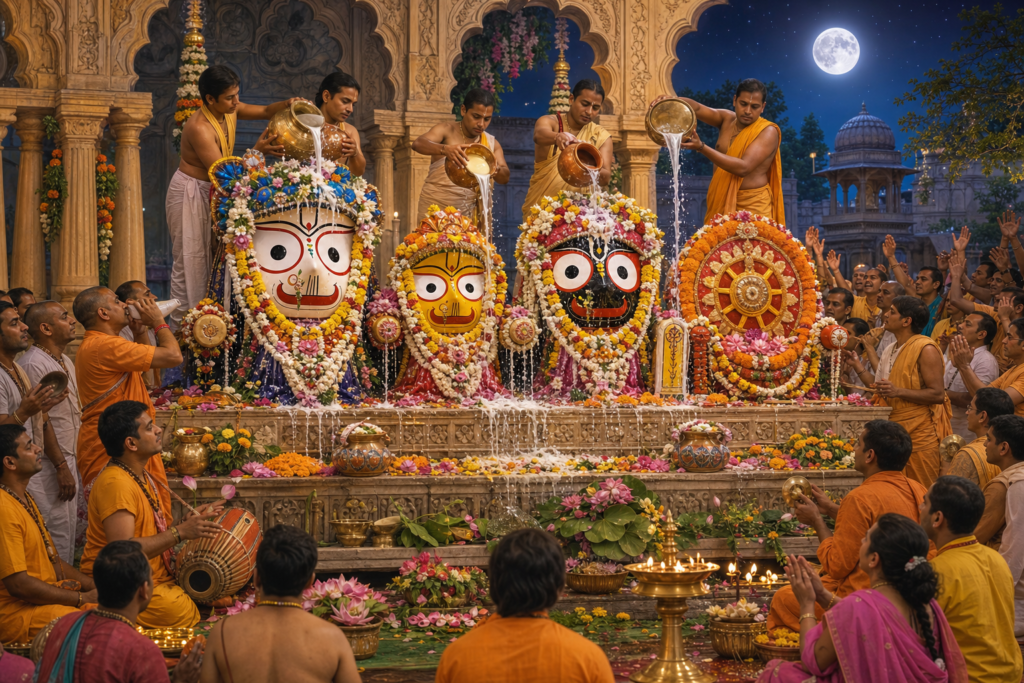
Koil Alwar Thirumanjanam is the sanctifying preparation for Brahmotsavam. The procedure includes the application of a fragrant purifying mixture (parimalam) containing aromatic substances such as turmeric and camphor to cleanse the sanctum and allied spaces, followed by thorough washing and reinstallation of sacred paraphernalia. Liturgically, this rite signifies the temple’s readiness to host the divine procession of Sri Venkateswara and ritually aligns the kshetra (temple space) for an elevated spiritual ambience. The emphasis on ritual purity resonates with the broader dharmic concern for inner and outer sanctification found across Indic traditions.
Ankurarpanam marks the formal sankalpa (votive intention) for the festival. By sowing auspicious seeds (ankura), often comprising navadhanyam, priests invoke prosperity, fecundity, and cosmic harmony. The rite symbolically inaugurates the yajna-like continuum of Brahmotsavam, affirming the cyclical principle that right intention and righteous action bear fruit. As a community-facing observance, it orients devotees toward seva, dana, and shared responsibility for a successful utsavam.
Dwajarohanam, performed at the outset of the nine-day cycle, involves hoisting the Garuda dhwaja on the temple’s dhwajasthambha. In the Agamic framework, this act invites deities and elevated beings to witness the festival and simultaneously assures kshetra-raksha (spiritual protection) for the congregation. The Garuda emblem, intimately associated with Sri Vishnu, proclaims the sovereignty of dharma and sets the tone for the ensuing vahana sevas.
Through each day of Brahmotsavam, temple observances typically include suprabhatam, nitya-archana, veda parayanam, and utsava purappadu (processions) of the utsava murti of Sri Venkateswara. Ritual performance adheres to Pancharatra Agama protocols, ensuring theological precision in alankara (adorning the deity), upacharas (ritual offerings), and processional order. The participatory ethosdevotees joining in nama-sankeertana and disciplined darshanembodies the synergy between temple liturgy and lived devotion.
Vahana sevas are the heart of Brahmotsavam’s didactic symbolism. Across TTD tradition, these include iconic mounts such as Sesha Vahanam (cosmic support and divine repose), Hamsa Vahanam (vivekadiscriminative wisdom), Simha Vahanam (rajasic strength sublimated by dharma), Hanumantha Vahanam (unwavering bhakti and service), and Gaja Vahanam (majesty and auspicious plentitude). Each procession elucidates a facet of Sri Venkateswara’s tattva (divine principle), translating theology into accessible, visual pedagogy for devotees.
Among the highlights, Garuda Sevatraditionally scheduled mid-festivaldraws especially large congregations. As the Lord rides on Garuda, the event dramatizes the intimate bond between Vishnu and His divine vehicle, while conveying protection and swiftness in responding to devotees’ prayers. The collective chanting, temple music, and deep reverence that suffuse the evening generate a powerful affective field, remembered long after the festival concludes.
In many TTD Brahmotsavam sequences, the penultimate days feature grand processions and, where feasible, a Rathotsavam (chariot festival). The temple car, drawn by devotees in an atmosphere of disciplined jubilation, symbolizes the Lord’s outreach to the wider communitydharma moving through the world. Even where spatial constraints exist, TTD temples adapt the spirit of the chariot festival through meticulously organized inner-circuit processions.
Concluding observances generally include Chakra Snanam (ritual ablution of the Sudarshana Chakra) and Dhwajavarohanam (lowering of the festival flag), signifying ritual completion and the return to the temple’s standard liturgical rhythm. Chakra Snanam encapsulates the avabhritha (purificatory) dimension that traditionally closes elaborate yajnas, while Dhwajavarohanam ritually announces the successful fulfillment of vows undertaken at Ankurarpanam.
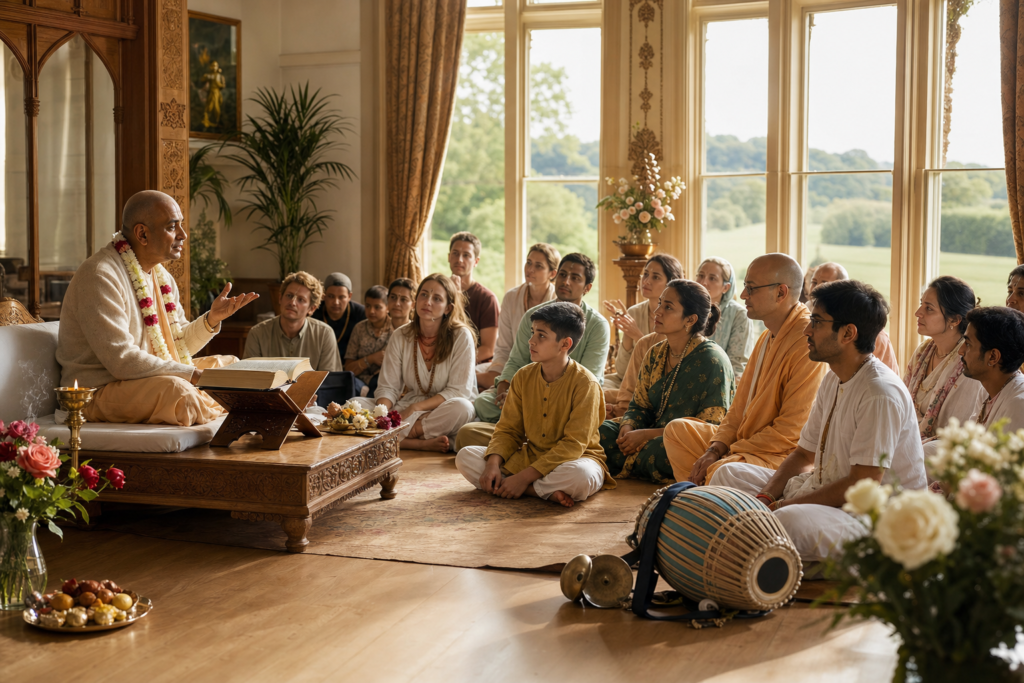
Community engagement remains integral to the New Delhi TTD Temple Brahmotsavams. Devotees may expect veda parayanam, pravachanas (discourses), devotional music, and culturally rooted performances aligned with the temple’s festival calendar. In keeping with TTD’s emphasis on seva, annadanam and other volunteer-driven initiatives create a shared space for compassion and fellowship that complements the temple’s ritual core.
While Brahmotsavam is anchored in the Vaishnava tradition, its values of seva, dana, discipline, and compassion resonate across the broader dharmic familyHinduism, Buddhism, Jainism, and Sikhism. The emphasis on inner purification, community service, and reverence for the sacred affirms principles common to these traditions. In a plural metropolis like Delhi, the festival’s inclusive ethos provides a bridge for intercultural appreciation, mutual respect, and the celebration of India’s civilizational unity in diversity.
Planning considerations for devotees include choosing less crowded days for extended darshan, noting that Garuda Seva and any chariot-related events typically see peak attendance. Comfortable, modest attire respectful of temple norms is advised, as are hydration and prior familiarity with entry points and queue systems implemented by TTD for orderly movement. Devotees are encouraged to participate in nama-sankeertana and maintain the sanctity of the processions by following volunteer guidance and avoiding single-use plastics to support an eco-conscious celebration.
The New Delhi TTD Temple customarily issues detailed daily schedules and advisories closer to the festival. As with all major utsavams, timings can be refined for logistical and pastoral reasons, and devotees are best served by checking the temple’s official notices before finalizing plans. The 2026 Brahmotsavams, with Koil Alwar Thirumanjanam on April 28, Ankurarpanam on April 30, and the main festival from May 01–09, promise a spiritually elevating experience that honors Sri Venkateswara Swamy while nurturing the city’s living, dharmic heritage.
Inspired by this post on Hindu Pad.