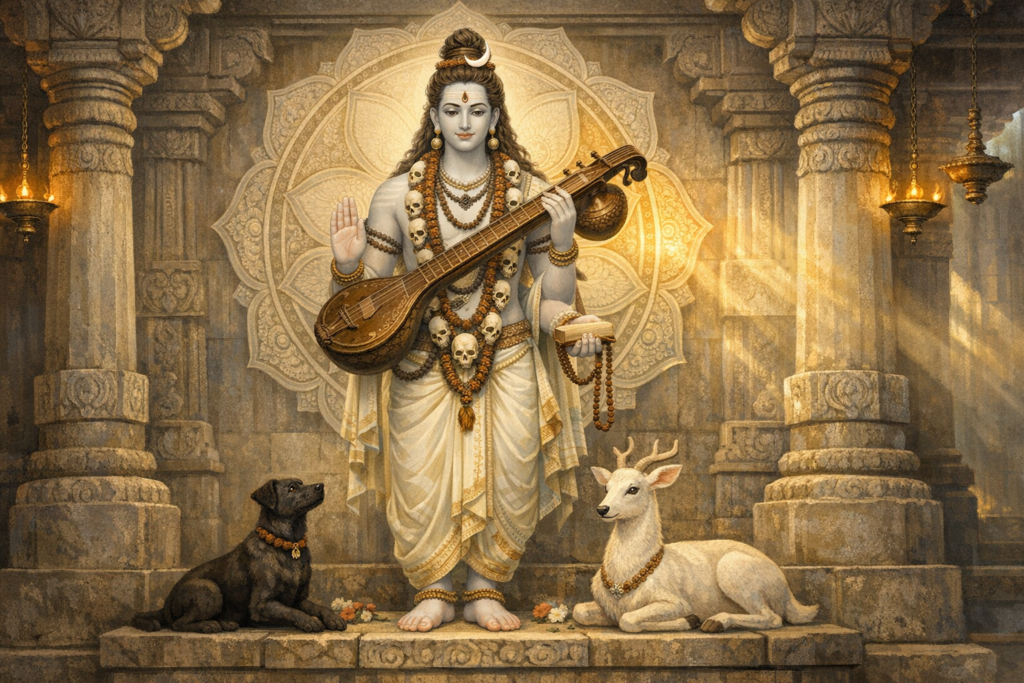
Maharishi Parashara Jayanti commemorates the first appearance (janmadina) of Parashara Maharshi, a foundational Vedic sage revered as the father of Bhagavan Veda Vyasa and a seminal voice across Hindu scripture, dharma, and jyotisha. In 2026, Maharishi Parashara Jayanti falls on April 18, observed on Shukla Paksha Pratipada of the Vaishakh month as per the North Indian Hindi calendar tradition.
According to traditional reckonings preserved in ancient texts and later commentarial lineages, Parashara was born on Vaishakh Shukla Pratipada. In calendrical terms, this is the first lunar day (tithi) of the bright fortnight that culminates in Vaishakh Purnima. As is customary with tithi-based observances, communities mark the Jayanti at sunrise if Shukla Pratipada prevails then, which is why the civil date can vary across geographies; for 2026, the consensus date is April 18.
Parashara’s lineage situates him at the confluence of pedagogy and parampara: traditionally described as the son of Śakti and the grandson of Vasiṣṭha, he is also remembered as the father of Krishna Dvaipayana (Veda Vyasa), thereby anchoring three generations that collectively shaped the Vedic, Itihasa-Purana, and Smriti corpus. The Vishnu Purana frames Parashara’s teachings in a dialogic setting with his disciple Maitreya, while other traditions credit him with key hymnic contributions to the Rigveda under the epithet Parāśara Śāktya.
The textual legacy attributed to Parashara is expansive. The Vishnu Purana, one of the most cited Mahapuranas, presents a comprehensive Vaishnava theodicy and cosmology through Parashara’s voice. The Parashara Smriti is regarded as a dharmashastra that articulates norms suited for later yugas, including Kali Yuga, emphasizing applied ethics, social duty, and compassion in complex times. In jyotisha, the Brihat Parashara Hora Shastra (BPHS) remains the most influential classical treatise on hora (natal) astrology, transmitting foundational concepts of grahas, rashis, bhavas, yogas, dashas (notably the Vimshottari dasha system), and predictive frameworks that continue to inform scholarly study and living traditions.
Academic discourse notes that many texts survive in layered redactions; thus, while the tradition holds Parashara as the originating seer, extant manuscripts often exhibit post-Gupta interpolations and regional recensions. This does not diminish the paramparic attribution; rather, it contextualizes how knowledge was transmitted, codified, and taught over centuries within India’s living scholastic ecosystems.
From a calendrical standpoint, Vaishakh Shukla Pratipada is calculated using the lunar tithi system, where a tithi is defined by the longitudinal separation between the Sun and the Moon. Observance follows the sunrise principle: if Shukla Pratipada prevails at local sunrise, the day is taken as the Jayanti. Even where Purnimanta (North India) and Amanta (Deccan/South India) month conventions differ, the assignment of Vaishakh Shukla Pratipada to this Jayanti converges in practice. For 2026, regional panchangs align on April 18, though local sunrise-bound tithi timing can shift practical rituals earlier or later in the day.
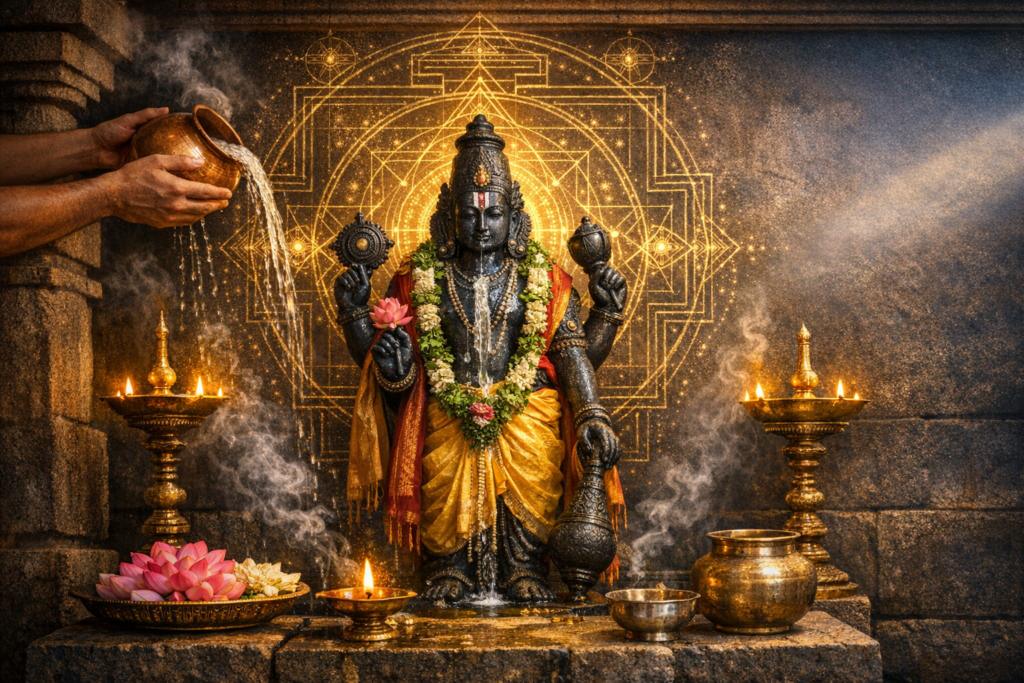
Household worship typically centers on sankalpa (declaration of intent), snana (purificatory bath), and dhyana on Parashara Maharshi as guru and seer. Devotees may offer simple upacharas (gandha, pushpa, dhoopa, deepa, naivedya) to a representation of Parashara or to a copy of a text traditionally associated with him. Many recite selections from Vishnu Purana and, where available, verses or invocatory passages attributed to Parashara. A concise and widely used invocation is the nama-japa “Om Parāśarāya Namah,” undertaken with steadiness and clarity of mind.
Study (svadhyaya) is central to the spirit of this observance. Engaging chapters of the Vishnu Purana that treat dharma and cosmology, reading a synopsis of the Parashara Smriti on yuga-dharma, or reviewing the conceptual scaffolding of the Brihat Parashara Hora Shastra all align with the day’s intent. Many households and study circles find that even a brief, focused reading cultivates intellectual humility and devotion, echoing the parampara ideal that knowledge and bhakti are mutually reinforcing.
In jyotisha-focused observances, practitioners often revisit BPHS fundamentals: relationships among graha drishtis, the logic of bhava-lordship, significations (karakatvas), and the rationale of dasha-bhukti timing. While interpretive schools vary, the common thread traces back to Parashara’s systematic attempt to harmonize observation with axiomatic principles, an approach that informs both traditional practice and contemporary research within Indic astral sciences.
Ethically, Parashara’s reputation as a dharma-teacher of pragmatic compassion is notable. The Parashara Smriti is frequently cited for recognizing contextual dharma in the Kali Yuga, placing emphasis on inner intention (bhava), social stability, and non-harm (ahimsa). These values resonate across dharmic traditions: the Jain commitment to ahiṁsā and discipline, the Buddhist stress on right intention and wise conduct, and the Sikh ethos of seva and truthful living all converge with Parashara’s stress on lived virtue under changing historical conditions.
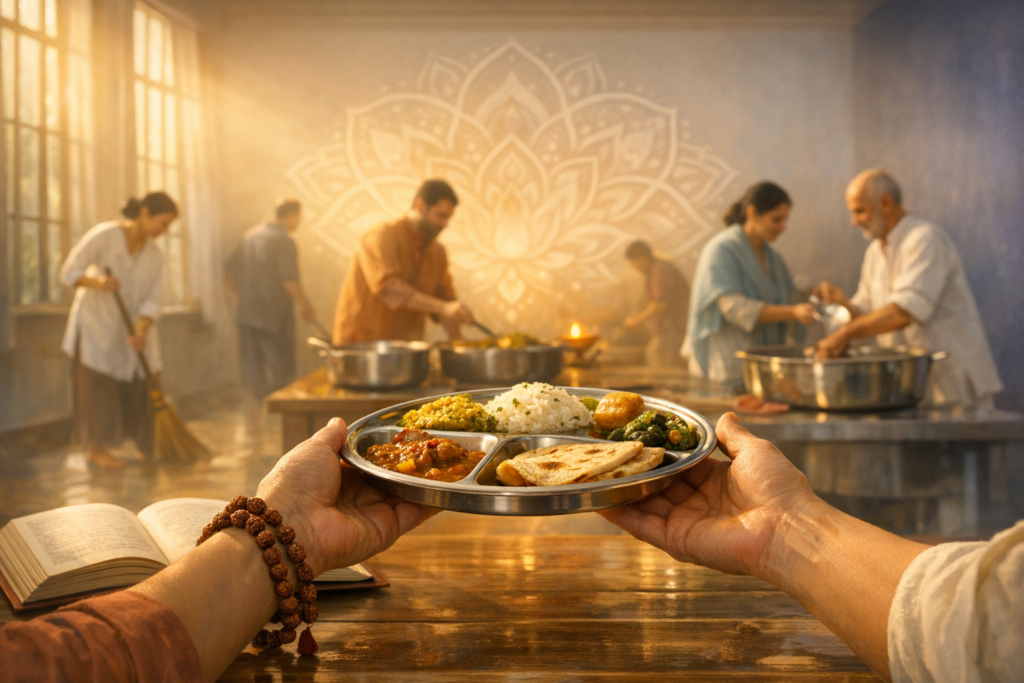
Communities commonly complement puja and study with seva—food distribution, educational support, or ecological stewardship—framing knowledge as responsibility. Many report that such actions transform Jayanti from a commemorative date into an active renewal of dharma, fostering cohesion in families and neighborhoods and building a shared language of ethics across Hindu, Buddhist, Jain, and Sikh communities.
For temples and learning centers, programming on this day often includes talks on Parashara’s place in the Vedic lineage, readings from the Vishnu Purana, introductory seminars on jyotisha basics, and discussions on dharma in the contemporary world. Participants frequently describe a sense of continuity when Parashara is situated between Vasiṣṭha and Vyasa, revealing how pedagogy and revelation interlace through guru-śishya transmission.
In 2026, households and institutions may plan observances around sunrise on April 18, guided by local panchang for exact tithi prevalence. If Shukla Pratipada spans two civil dates, sunrise governance ensures clarity. Those seeking a brief home observance may keep satvik vrata (optional fasting as health permits), perform a simple puja with nama-japa, undertake study for one to two hours, and conclude with sharing prasad and, where possible, extending seva to the wider community.
For deeper engagement, recommended reading tracks include: a curated selection from the Vishnu Purana’s discourses with Maitreya; a thematic overview of Parashara Smriti’s guidance on yuga-dharma; and an outline of BPHS fundamentals to appreciate the internal coherence of Parashari jyotisha. Responsible study benefits from consulting multiple editions and, where possible, cross-checking commentarial notes that flag variant readings or later insertions.
The enduring relevance of Maharishi Parashara rests on three pillars. First, the primacy of parampara, where knowledge is not merely archived but lived. Second, the fusion of inquiry and devotion, uniting śraddhā with rigorous analysis. Third, the ethic of compassion suited to one’s age and place, which sustains social harmony without diluting spiritual aspiration. Together, these strands make the Jayanti an occasion not only to remember a great rishi but to renew commitments that keep dharma vital.
Observed with steadiness on April 18, 2026 (Vaishakh Shukla Pratipada), Maharishi Parashara Jayanti invites reflection, learning, and service. Marked thoughtfully, the day becomes a bridge—linking scripture and society, the household and the temple, and the many streams of the broader dharmic family in a shared pursuit of wisdom and well-being.
Inspired by this post on Hindu Pad.