Charak Puja—also known as Neel Pooja and regionally as Hajrha Puja—is observed predominantly in Bengal and Bangladesh on the last day of the Bengali month of Chaitra. The culmination coincides with Chaitra Songkranti (often called Charak Sankranti), the closing threshold of the agrarian year and the eve of the Bengali New Year. In 2026, community observances follow the traditional sequence: Neel Puja on April 12, 2026, followed by Charak Puja on April 13, 2026. Local calendars (panjikas) may register minor regional variations, but the two-day rhythm remains central to practice.
Anchored in the solar transition that ushers in Mesha (Aries) in the sidereal zodiac, Charak Puja aligns with Mesha Sankranti and marks a cosmological reset in the Bengali calendrical system. The ritual timing reflects a classical Indian understanding of time-reckoning, where cosmic movement, seasonal change, and agricultural preparedness are knit together. In this sense, Charak Puja is not merely a folk festival; it is a sophisticated calendrical observance that positions human intention alongside cosmic cadence.
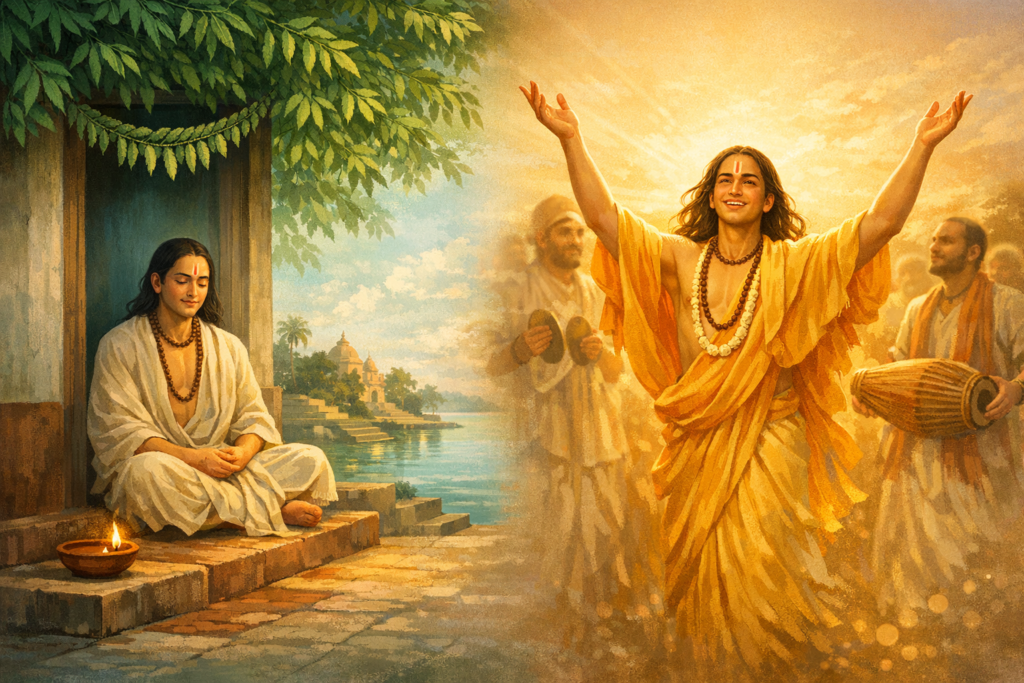
Devotionally, Charak Puja centers upon Shiva—venerated as Neelkantha, the blue-throated one, whose mythic absorption of poison during the churning of the ocean (samudra manthan) preserved cosmic order. Neel Puja on the eve emphasizes Shiva’s compassionate endurance and the aspirational ideal of taking on hardship for communal well-being. The theological motif of restraint, self-giving, and transformative endurance frames the vows (vrata), fasts, and austere practices associated with the broader Gajan cycle in which Charak Puja is embedded.
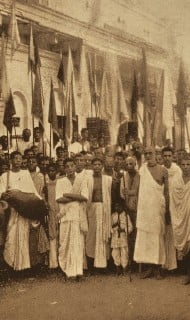
Gajan, observed through the waning stretch of Chaitra, foregrounds vows, simple living, and acts of penance undertaken by devotees often referred to as sannyasis or bhaktas during this period. Historically, the Gajan repertoire featured dramatic acts of tapas—fire-walking, body-piercing, and the emblematic Charak swing around a tall pole called the Charak-gach (Charak tree). While these forms have been significant markers of resolve and communal spectacle, modern observances in many places have transitioned to symbolic or safety-compliant adaptations in keeping with contemporary ethical sensibilities and regulatory guidance.
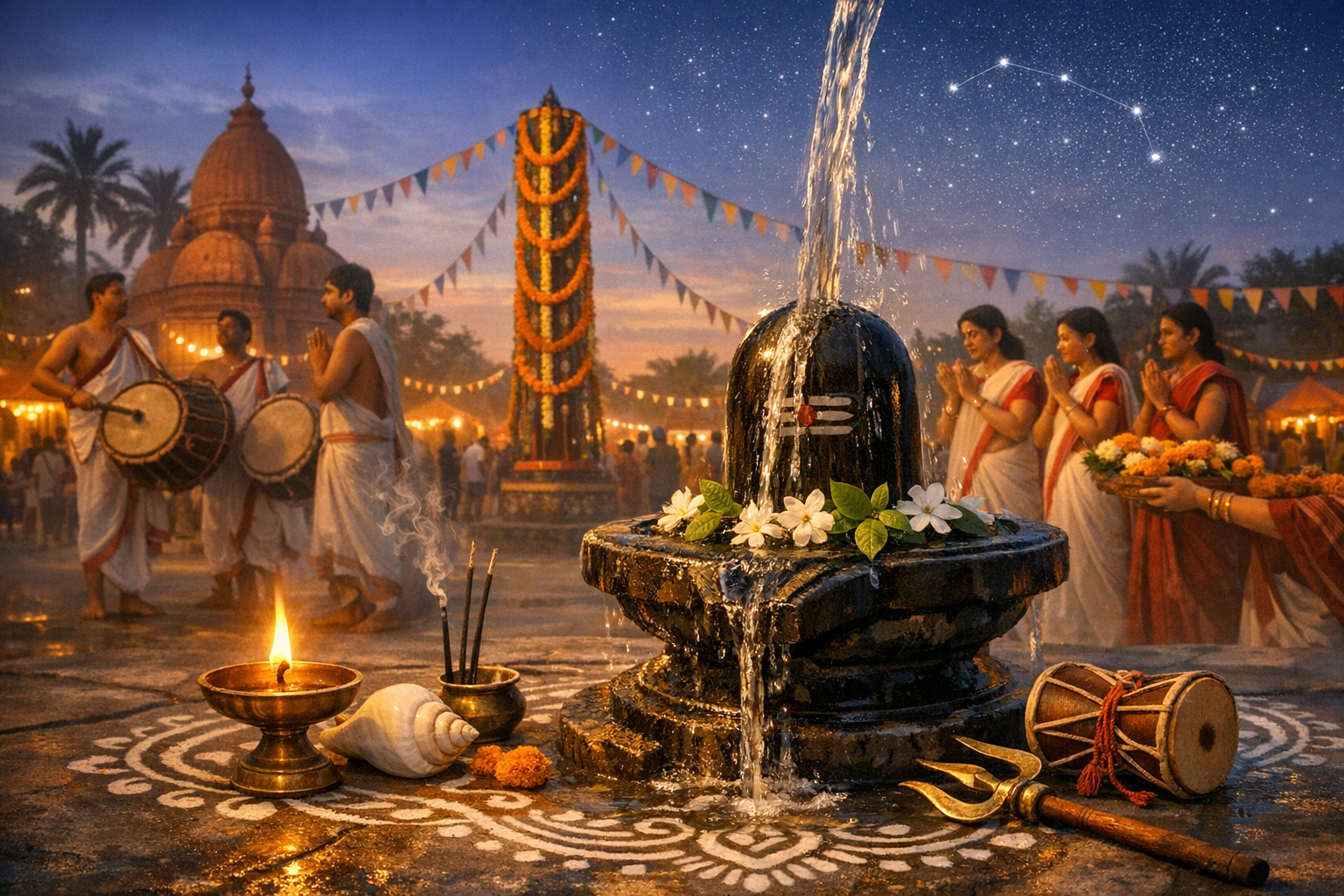
The Charak-gach, typically a tall, sturdy pole erected in a cleared ground or village square, functions as a ritual axis mundi—the vertical link between earth and sky. Processions, circumambulation, hymns, and folk theater orbit this axis, dramatizing the movement from the old year to the new. In earlier times, the Charak swing—a high, circular arc achieved with ropes affixed near the pole’s apex—embodied the turning of the year and the devotee’s prayerful offering of discomfort for community welfare. Where such practices persist, they are increasingly conducted through symbolic representation or with humane harnessing systems to prioritize safety and dignity.
Charak Puja is as much communal as it is devotional. Fairs (Charak mela), folk performances, and seasonal markets converge with collective worship, creating an ecosystem of cultural exchange and local livelihoods. Artisans, folk performers, and vendors find a pivotal stage at this seasonal intersection, revealing how ritual observance can sustain intangible heritage and micro-economies while strengthening social cohesion at the neighborhood and village scale.
Across West Bengal—rural districts and urban neighborhoods alike—Charak Puja unites diverse communities in offerings to Shiva through the Panchopachara or Shodashopachara (traditional modes of worship). Common household observances include cleaning the shrine, offering water, milk, or panchamrita to the Shiva linga, placing bilva leaves, lighting a ghee lamp, chanting “Om Namah Shivaya,” and concluding with prasad distribution. While temple-led ceremonies operate at scale with community participation, domestic puja on Neel Puja evening (April 12) extending into Charak Sankranti (April 13) preserves the festival’s devotional heart in accessible, dignified forms.
In Bangladesh and in Bengali-speaking communities of Tripura and Assam’s Barak Valley, the festival retains a comparable structure, with enriching regional textures—distinct folk songs, drumming styles, decorative motifs, and foodways. In many locales, the objective centers on invoking rains, agricultural abundance, communal harmony, and protection from disease in the year to come. This agrarian-spiritual synthesis reflects a historical memory in which ritual was civic insurance for the vulnerable rhythms of monsoon agriculture.
Ethical reform and safety-conscious practice have reshaped certain Charak elements in recent decades. Where older customs involved piercing or painful austerities, many communities now opt for expressive and non-harmful substitutions—folk dramatizations of tapas, symbolic circumambulations, carefully staged dance-theater, and collective seva such as medical camps, tree-planting, and community kitchens. These practices honor the spirit of self-offering central to Shiva devotion while aligning with contemporary commitments to compassion and public health.
Charak Puja also resonates with a broader dharmic ethos shared across Hinduism, Buddhism, Jainism, and Sikhism. The ideals of self-restraint, truthfulness, compassion, and service (seva) reflect a common civilizational grammar. Ascetic discipline (tapas) in Hinduism finds conceptual kinship with Buddhist mindful restraint, Jain vrata-based ethics of non-violence and self-control, and Sikh commitments to seva and community langar. By foregrounding responsible, non-harmful observance and collective welfare, Charak Puja today naturally reinforces unity-in-diversity within the wider dharmic family.
Folk arts embedded within Charak—narrative songs about Shiva, street theater (jatra-inspired or local variants), percussion traditions, and indigenous crafts—form a living syllabus of cultural memory. Such arts do more than entertain; they transmit ethical insight, collective history, and practical wisdom across generations. As communities prepare for Charak Puja 2026, many cultural groups are curating programs that emphasize inclusion (women’s participation in music and offering, youth-led theater, and accessible explanations of rituals) to ensure that heritage remains both faithful to its roots and responsive to the present.
Culinary traditions around Charak Puja track the season: simple sattvic offerings during vrata; household sweets prepared with jaggery and rice flour; and community prasad that underscores sharing across caste, class, and profession. In several districts, seed-exchange corners at local fairs underline the continuity between ritual aspiration and practical agricultural stewardship at the onset of the sowing cycle.
For those planning observances in 2026, a practical approach links temple and home. The evening of April 12 is well-suited for Neel Puja with Shiva abhishekam, the recitation of hymns such as the Shiva Panchakshari Stotram, quiet meditation on the Neelkantha ideal, and a small pledge of service to be carried into the new year. On April 13, communities may attend or support local Charak observances that emphasize safe, symbolic expressions of the festival’s ascetic core—processions, collective chanting, distribution of prasad, and acts of public service. Families may conclude with prayers for timely monsoon, good health, and harmony, echoing the agrarian and communal priorities embedded in this observance.
From a heritage perspective, Charak Puja’s endurance—documented in early modern sources and evolving through colonial and post-colonial transitions—demonstrates ritual adaptability without losing theological depth. Scholarship often situates the festival within Bengal’s wider Shiva-centric devotional milieu, noting how the Gajan frame interlaces household piety, village economy, and seasonal temporality. Contemporary research also highlights risk-aware transformations that keep the festival’s message—courage, compassion, and collective welfare—at the forefront.
In sum, Charak Puja 2026 offers a rare convergence of cosmic timing, agrarian pragmatism, and ethical devotion. As the Bengali year turns, communities in Bengal, Bangladesh, Tripura, and the Barak Valley bring together worship, art, food, and service to renew social bonds and moral purpose. Observed with reverence, responsibility, and a shared dharmic spirit, Charak Puja continues to serve as a living bridge between the wisdom of the past and the aspirations of the present.
Key 2026 observance notes: Neel Puja is on April 12, 2026; Charak Puja falls on April 13, 2026; dates may vary slightly by local panjika. Where older austerities survive in some locales, communities and organizers increasingly prioritize humane, safety-first, and inclusive practices that uphold the festival’s core meaning—self-offering for the common good and devotion to Shiva as Neelkantha.
Inspired by this post on Hindu Pad.