
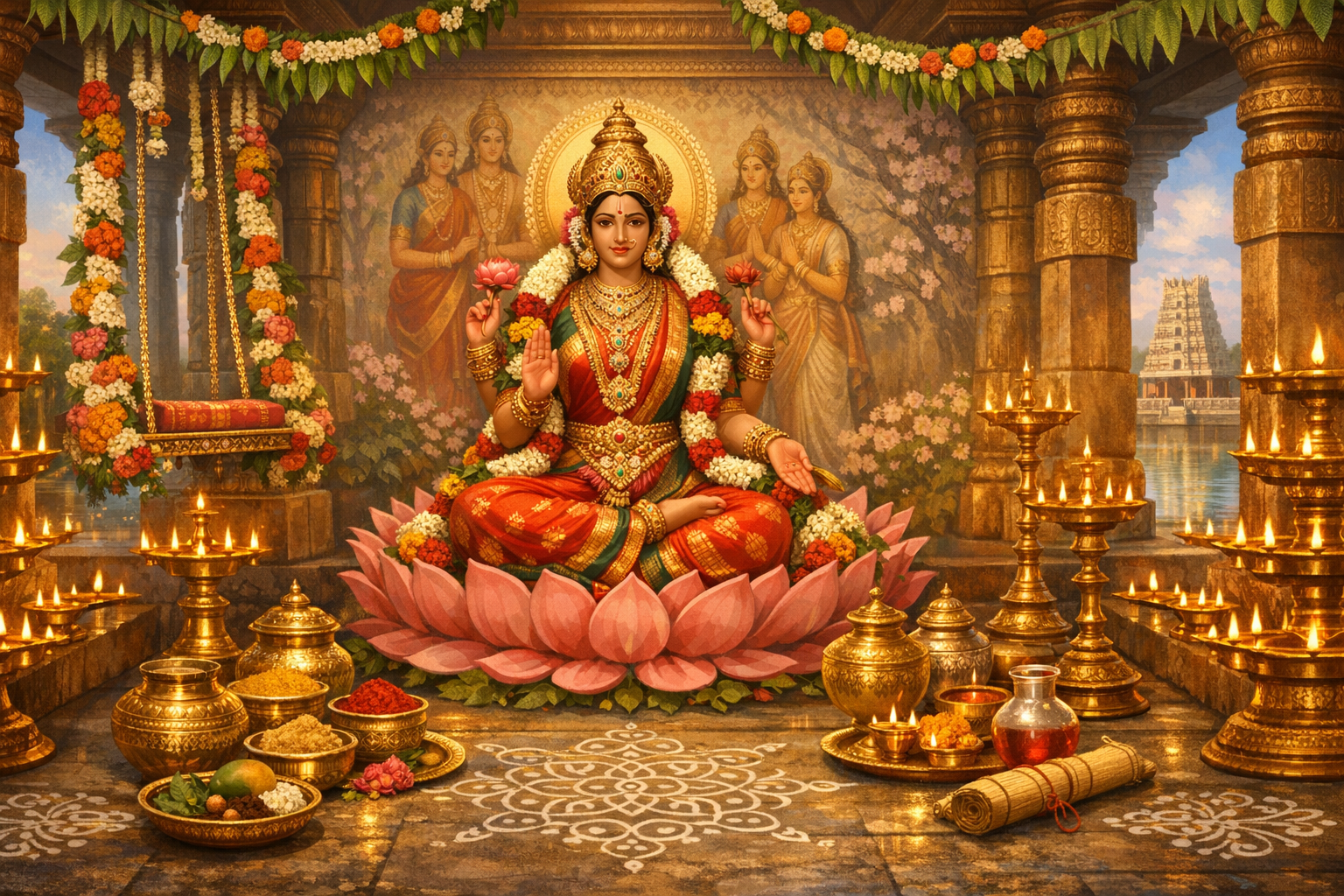
March 2026 at the Sri Padmavathi Ammavari Temple, Tiruchanur (Alamelu Mangapuram), is poised to be an especially auspicious period in the Tirupati region, with a sequence of special observances aligned to the Hindu lunar calendar. In addition to the marquee celebrations of Ugadi and Sri Ramanavami, the month typically features Lakshmi-focused Friday sevas, spring-themed rituals, and enhanced nitya kainkaryams that draw pilgrims seeking prosperity, protection, and inner composure. As with all Tirumala Tirupati Devasthanam (TTD) institutions, the cadence of worship blends precise ritual protocols with a devotional atmosphere that many devotees describe as deeply transformative.
The Sri Padmavathi Ammavari Temple holds a unique place in the sacred geography of Andhra Pradesh. Revered as the shrine of Sri Padmavathi (Mahalakshmi) and historically intertwined with the Tirumala Sri Venkateswara Temple, Tiruchanur enshrines the theological complementarity of Shri and Narayana central to Vaishnava traditions. The temple’s ritual cycle emphasizes abundance, ethical prosperity (artha and dharma in balance), and compassionate stewardshipvalues that animate the community-focused service ethos of TTD throughout the year.
Festival scheduling in March 2026 follows the Hindu panchang, spanning the late Phalguna to early Chaitra lunations depending on local sunrise and tithi transitions. For planning, two anchor observances are central: Ugadi (Chaitra Shukla Pratipada) and Sri Ramanavami (Chaitra Shukla Navami). Because tithis can begin or end at non-solar times and observances are finalized for the local time zone (Tirupati, Andhra Pradesh), devotees should confirm the exact temple timings and arjitha seva availability as announced by TTD closer to the dates.
Ugadi 2026 at Tiruchanur centers on renewal, right intention, and grateful remembrance as the Telugu Samvatsara commences on Chaitra Shukla Pratipada. The day commonly begins with nitya kainkaryams, followed by Vishesha Alankaram to Sri Padmavathi Ammavaru, extended archana with Lakshmi Ashtottara or Sahasranama parayana, and a heightened deepa-harati sequence. In keeping with TTD’s tradition of cultural-literary reverence, Panchanga Sravanaman exposition of the new year’s panchangamtypically accompanies the day’s proceedings, offering scriptural reflections on time, duty, and collective welfare.
Beyond its calendrical significance, Ugadi at Tiruchanur is experienced as a community ritual of ethical recommitment. Devotees characterize the atmosphere as fragrant, floral, and hopeful, with music, recitations, and anna-prasadam underscoring the temple’s ideal of shared abundance. The Ugadi ethos aligns closely with the Lakshmi principle: prosperity tethered to dharma, gratitude, and seva, all of which are integral to the Sri Padmavathi Ammavari Temple’s devotional grammar.
Sri Ramanavami 2026, observed on Chaitra Shukla Navami, honors the maryada of Sri Rama and the ideal of righteous governance. Within the TTD ecosystem, this festival is celebrated with scriptural parayanams (often selections from the Ramayana), vishesha archana, and deepa-harati invoking the virtues of truthfulness, courage, and compassion. At Tiruchanur, the day’s focus remains oriented to Ammavaru while respectfully amplifying Rama-dharma through collective recitation, satsang, and contemplative listening to Rama-katha.
While the Sri Kodandarama Swamy Temple in Tirupati is a principal TTD venue for Sri Rama–Sita Kalyanam, devotees visiting Tiruchanur during Ramanavami routinely report a complementary devotional experience: serene alankarams to Ammavaru, resonant parayanams, and the gentle rhythm of harati that foregrounds the inseparability of Sita–Lakshmi idealsgrace, steadfastness, and the nourishment of a just social order.
March often coincides with Vasanthotsavam (Spring Festival) in the broader Vaishnava calendar, generally observed during Chaitra Shukla Trayodashi through Purnima. When scheduled at Tiruchanur, the thematic core includes Snapana Tirumanjanam (abhisheka with sanctified water, sandal, and aromatic dravyas), floral alankarams evoking spring renewal, and Unjal Seva for a contemplative, music-infused evening darshan. The ritual emphasis in Vasanthotsavam is refreshmentof the deity’s iconographic presence and of the devotee’s inner disposition.
Fridays (Shukravara) in March hold heightened significance because Friday is traditionally sacred to Mahalakshmi. At the Sri Padmavathi Ammavari Temple, this often translates into expanded archana, Kumkuma Archana, Sahasra Namarchana, and vishesha deepa-harati, with many women devotees undertaking simple vratas oriented to domestic harmony, livelihood stability, and collective well-being. The experiential testimony is consistent: Friday darshans at Tiruchanur feel intimate and affirming, even when attendance is high.
Vaishnava observances of Ekadashi (both in the waning and waxing fortnights) typically involve satvik ahara, japa, and Vishnu–Lakshmi parayanam. In temple contexts, Ekadashi-inspired archana and parayana cultivate sattvaclarity, steadiness, and compassionate resolvevirtues the tradition views as prerequisites for resilient family and community life.
Purnima and Amavasya during March frequently feature vishesha deepa-aradhana and contemplative recitations that underscore the lunar cycle’s symbolism: fullness and renewal, introspection and recommitment. At Tiruchanur, devotees often align personal sankalpas with these phases, integrating temple darshan with quiet parayana at home to sustain a gentle rhythm of practice across the month.
The daily nitya kainkaryams at Sri Padmavathi Ammavari TempleSuprabhatam, morning alankaram, archana, naivedyam, and evening deepa-haratiform the liturgical backbone for all festival days in March. On designated days, Sahasra Namarchana expands the regular archana into an extended, textually grounded offering; on select festival evenings, Sahasra Deepalankara Seva may be scheduled to bathe the mandapa in a serene constellation of lamps, fostering interior quietude for devotees during darshan.
Arjitha sevas during high-demand days generally require advance booking and adherence to TTD’s dress and decorum norms. March footfall at Tiruchanur typically rises around Ugadi, Sri Ramanavami, and any announced Vasanthotsavam dates. For an efficient and respectful experience, devotees plan for early arrivals, light carry-ons, and readiness to participate in collective chants or parayana when announced by the temple staff.
Darshan movement at Tiruchanur is designed to balance accessibility with sanctity. The flow ordinarily begins with queue lines leading to the sanctum, after which devotees may proceed to receive prasadam and, where arranged by TTD, participate in satsangs or cultural recitations in designated areas. Those traveling with elders or children often benefit from midday windows, when lines can be comparatively less dense on non-peak days.
For readers new to temple terminology: Abhishekam (tirumanjanam) is the sacred bathing of the murti with sanctified substances; Alankaram is the post-abhisheka adornment interpreting scriptural aesthetics in flowers, cloth, and jewelry; Archana is mantra-based offering of names (ashtottara or sahasranama) invoking the deity’s qualities; Deepa-harati is the culminating wave of lamp-light embodying illumination and grace. These ritual actions are not merely ceremonial; they function as a pedagogy of the sensestraining attention, gratitude, and ethical imagination.
Tiruchanur’s Padma Pushkarini, associated with the renowned Panchami Tirtham during the temple’s annual Karthika Brahmotsavam, anchors the site’s sacred ecology. Though the Panchami Tirtham falls later in the year, pilgrims in March often visit the pushkarini as part of a complete darshan circuit, recognizing that sacred water-bodies in temple complexes symbolize clarity of intention and the remembrance of vows (sankalpa).
Devotees commonly recount that the ambience at Sri Padmavathi Ammavari Temple in Marchparticularly on Ugadi and Sri Ramanavamicombines uplifting visual alankarams with contemplative soundscapes of Veda, stotra, and nama-sankirtana. Many visitors describe a quiet, confident hope that follows the darshan: a felt sense that the Lakshmi principle supports ethical prosperity, familial concord, and the courage to serve wider society.
In the shared dharmic spirit that this platform seeks to uphold, the values animated at Tiruchanur in Marchdāna (generosity), seva (selfless service), ahimsa (non-harm), and satya (truthfulness)resonate across Hinduism, Buddhism, Jainism, and Sikhism. Devotees and visitors from these traditions often recognize their own ethical language in the temple’s practices: disciplined mindfulness, community service, humble remembrance, and reverence for life. Festivals thus become sites of unity in diversity, nurturing social harmony and mutual respect.
Environmental mindfulness is increasingly foregrounded in pilgrimage practice. Devotees can support TTD’s sustainability efforts by minimizing single-use plastics, using designated disposal points, and participating in prasadam with gratitude and moderation. Observing the temple’s dress code and movement protocols preserves sanctity while ensuring equitable, safe access for all.
Practical planning for March 2026 is straightforward with a few considerations. Anticipate heightened attendance near Chaitra Shukla Pratipada (Ugadi), Chaitra Shukla Navami (Sri Ramanavami), and any announced Vasanthotsavam days between Trayodashi and Purnima. Verify tithi-based observances using a reliable Telugu panchang, note that local sunrise governs festival boundaries, and consult TTD’s official announcements for arjitha seva slots, crowd-management advisories, and any special cultural programs scheduled in the temple precincts.
In sum, March 2026 at the Sri Padmavathi Ammavari Temple offers a richly textured experience: Ugadi to set the moral-intentional tone for the new year, Sri Ramanavami to reaffirm maryada and compassion, and Lakshmi-centric Friday sevas and spring rituals to cultivate grace and stability. Tiruchanur’s liturgyprecise, serene, and inclusiveinvites devotees to align inner aspiration with shared welfare, illuminating the path from personal vows to collective well-being.
Inspired by this post on Hindu Pad.







